





 Portuguese
  English
  Spanish
  3 min of reading
  0 comments


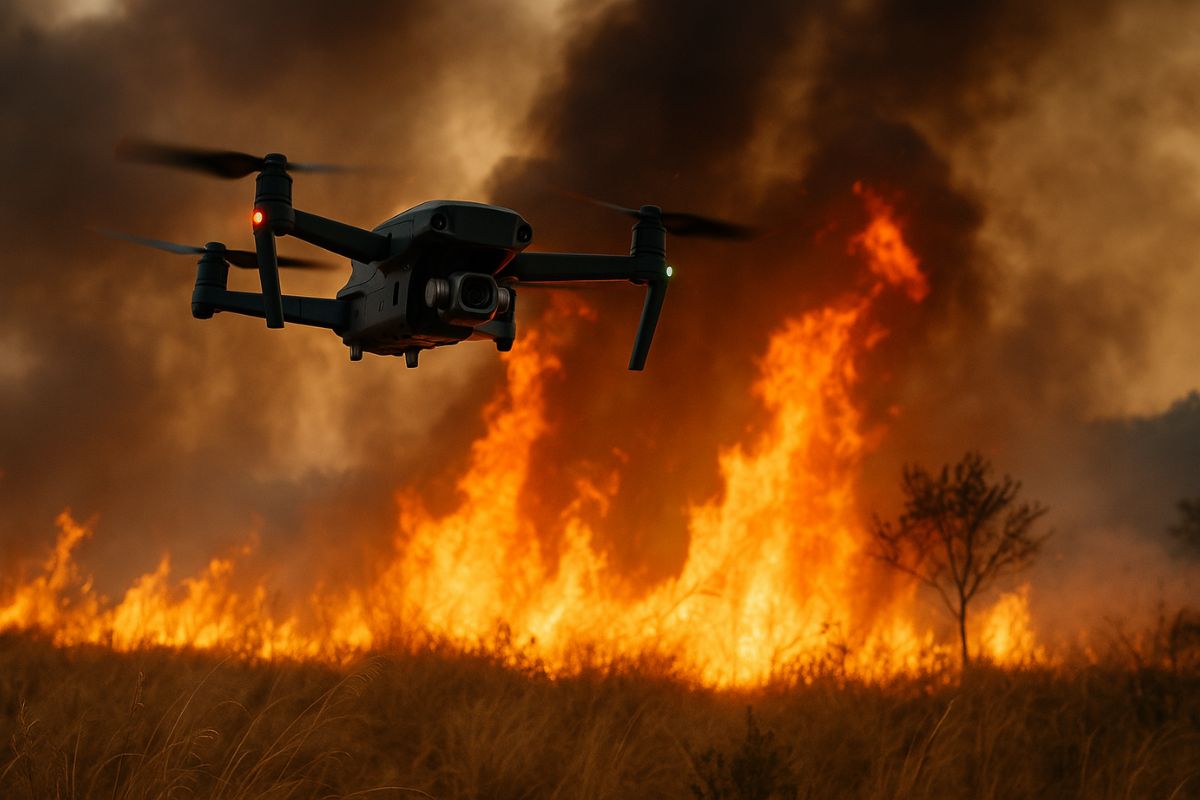
Technology Works Like an “Electronic Nose” and Captures Greenhouse Gases Before Fires Spread
Researchers from the University of São Paulo (USP) have developed an intelligent drone capable of detecting concentrations of carbon dioxide and methane in the air with high precision, acting as an electronic nose. The equipment promises to anticipate fire outbreaks and facilitate rapid actions from environmental authorities.
The innovation was presented by the School of Engineering of São Carlos (EESC-USP) and has immediate application in vulnerable regions, such as the rural São Paulo. Using low-cost sensors and embedded artificial intelligence, the drones capture atmospheric data in real-time and generate volumetric maps of gas emissions, something that satellites and airplanes are still unable to do with the same agility.
How Does the “Electronic Nose” Work?
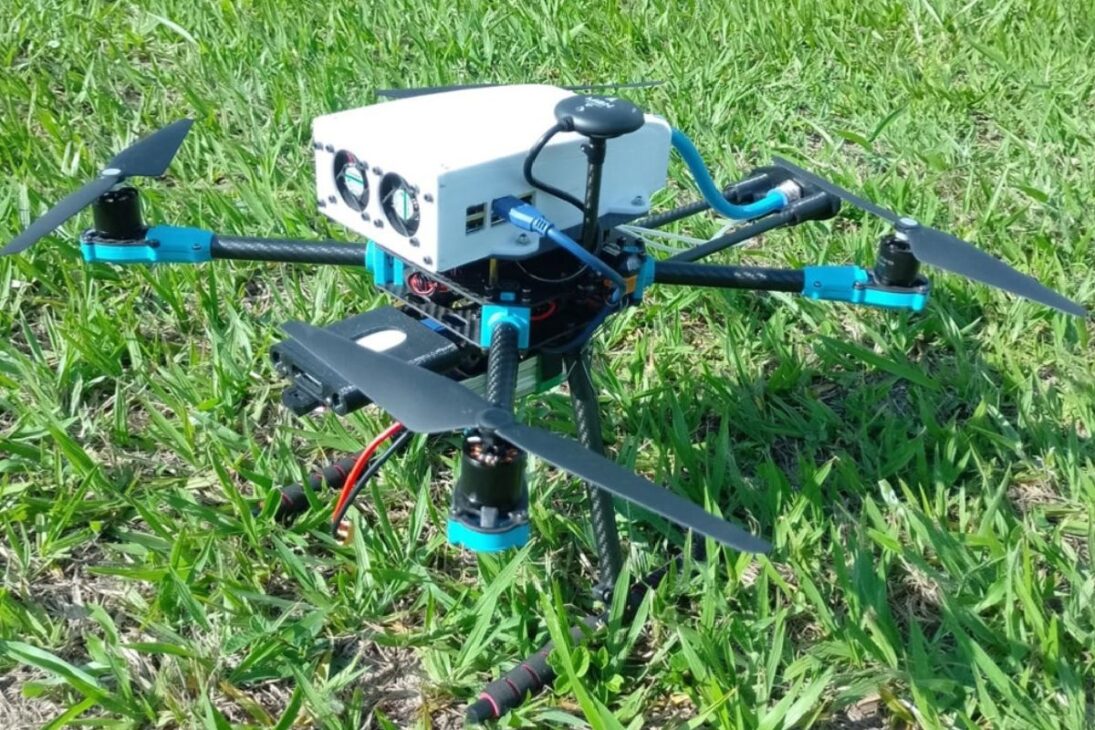
The distinguishing feature of this technology lies in the continuous and selective collection of gases. The drones detect CO₂, methane, temperature, and humidity with precision and can fly at different altitudes, allowing for layered measurements of the atmosphere. According to the project coordinator, Professor Glauco Augusto de Paula Caurin, the system is cheaper and more efficient than conventional methods.
-
Technology created in the United States uses deep drilling to store high-level nuclear waste.
-
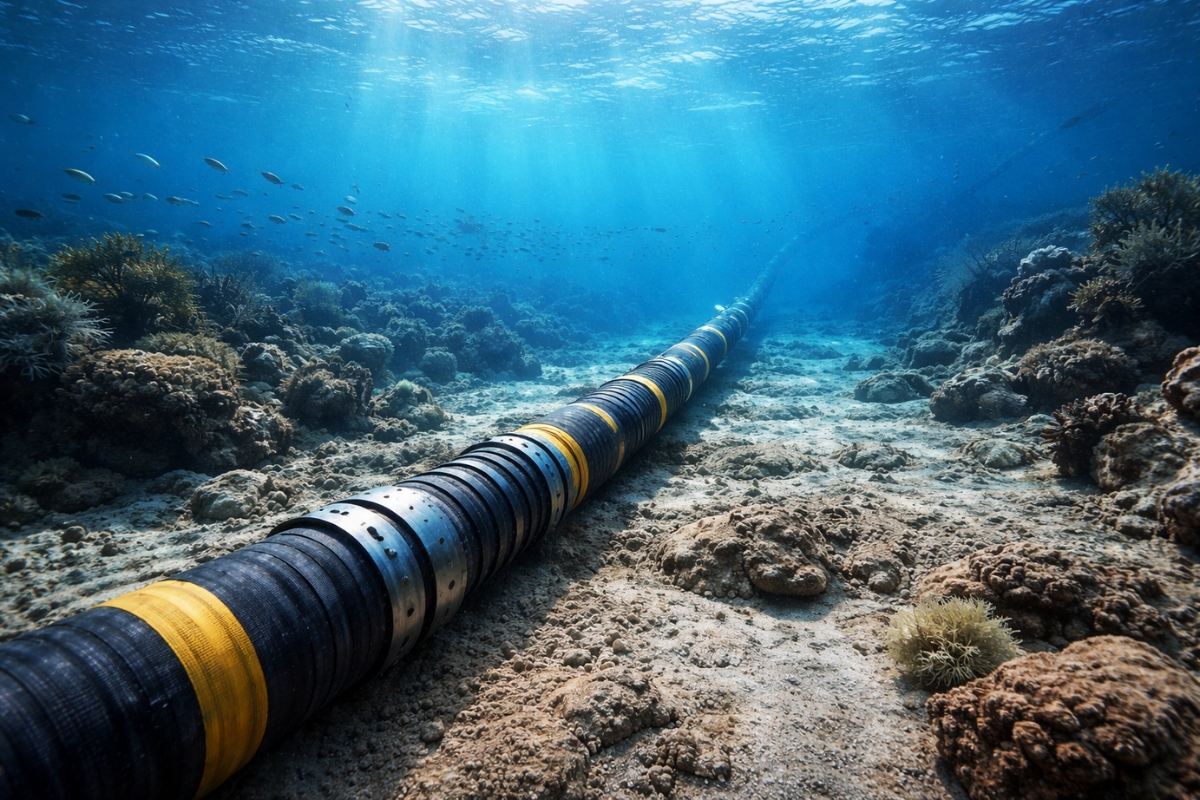
Dozens of Chinese research ships are discreetly mapping the ocean floor in three oceans – and naval analysts see a military pattern.

-
The winter of 2026 in Brazil will not be what you expect: meteorologists warn that the season will be warm and rainy at the same time due to the advance of El Niño, which is already warming the Pacific and changing the climate of the entire country.

-
For the first time, humanoid robots will compete in a full half-marathon without any human assistance in Beijing, with over 100 teams from China registering machines that need to complete the course with autonomous navigation on two legs.

“We have managed to build a solution that replaces airplanes and satellites for certain applications, with greater flexibility and lower cost,” Caurin explained to Agência Fapesp.
The data is processed by artificial intelligence algorithms that interpret patterns, identify gas emission sources, and alert about potential wildfire risks. The system can also be useful for monitoring environmental impacts in preservation areas and industrial zones.
Advantages Over Satellites and Airplanes
Satellites capture images and data only every two days and at a fixed altitude. Monitoring airplanes have high costs and limited operation. The intelligent drones from USP fill this gap with repeated overflights, collecting at variable altitudes and mobility in difficult-to-access terrains.
Moreover, the ability to capture volumetric information represents an advance in analyzing gas distribution. This enables more effective preventive actions, rather than late responses to disasters already in progress.
Partnerships and Future of the Technology
The project is part of the Research Center for Innovation in Greenhouse Gases, supported by Fapesp in partnership with Shell. The team is also working on improving the drones’ autonomy, as commercial models fly for only 15 to 30 minutes, a time considered insufficient to cover large forest areas.
The proposal was presented during Fapesp Week France, held in Toulouse, and drew attention for its potential applications not only in Brazil but in other regions around the world affected by wildfires, such as Australia, California, and Africa.
An Important Step in the Fight Against Climate Change
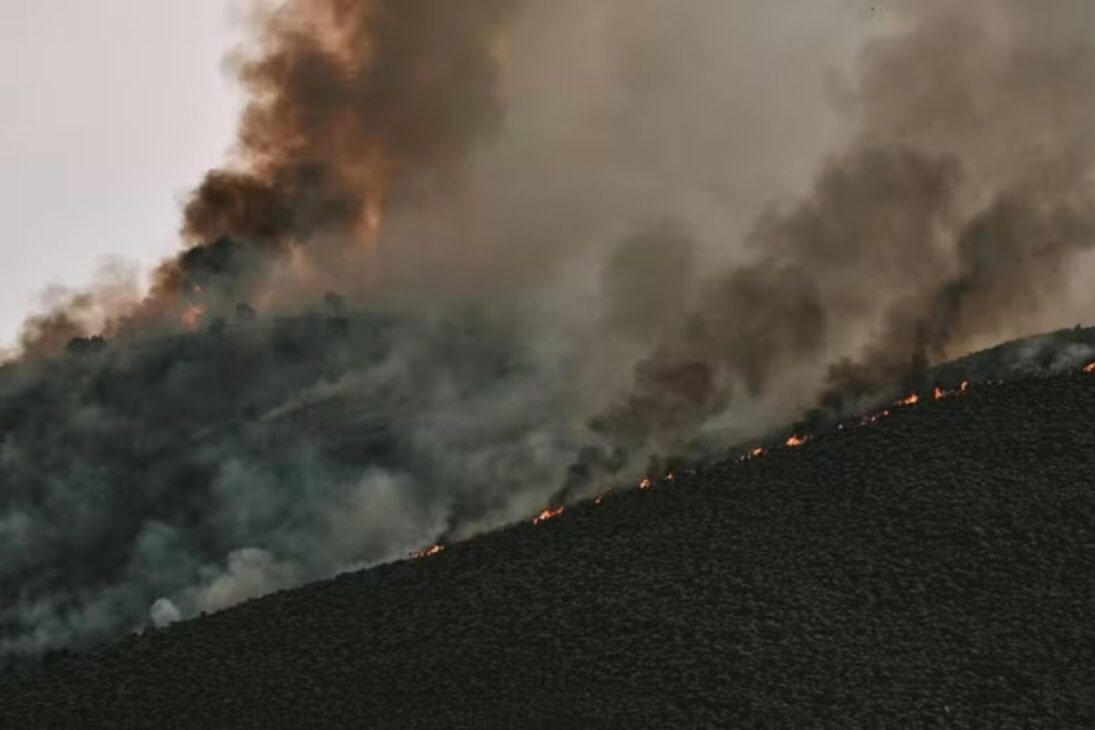
With the intensification of wildfires around the globe and the urgency to contain greenhouse gas emissions, technological solutions like this are essential. The ability to anticipate fire outbreaks cwith reliable real-time data could represent a turning point in disaster prevention.
And you, do you believe that the use of drones can really transform the fight against wildfires? Should this technology be adopted on a large scale in Brazil? Share your opinion; we want to hear from those who live this reality up close.





-

Uma pessoa reagiu a isso.