





 Portuguese
  English
  Spanish
  6 min of reading
  0 comments


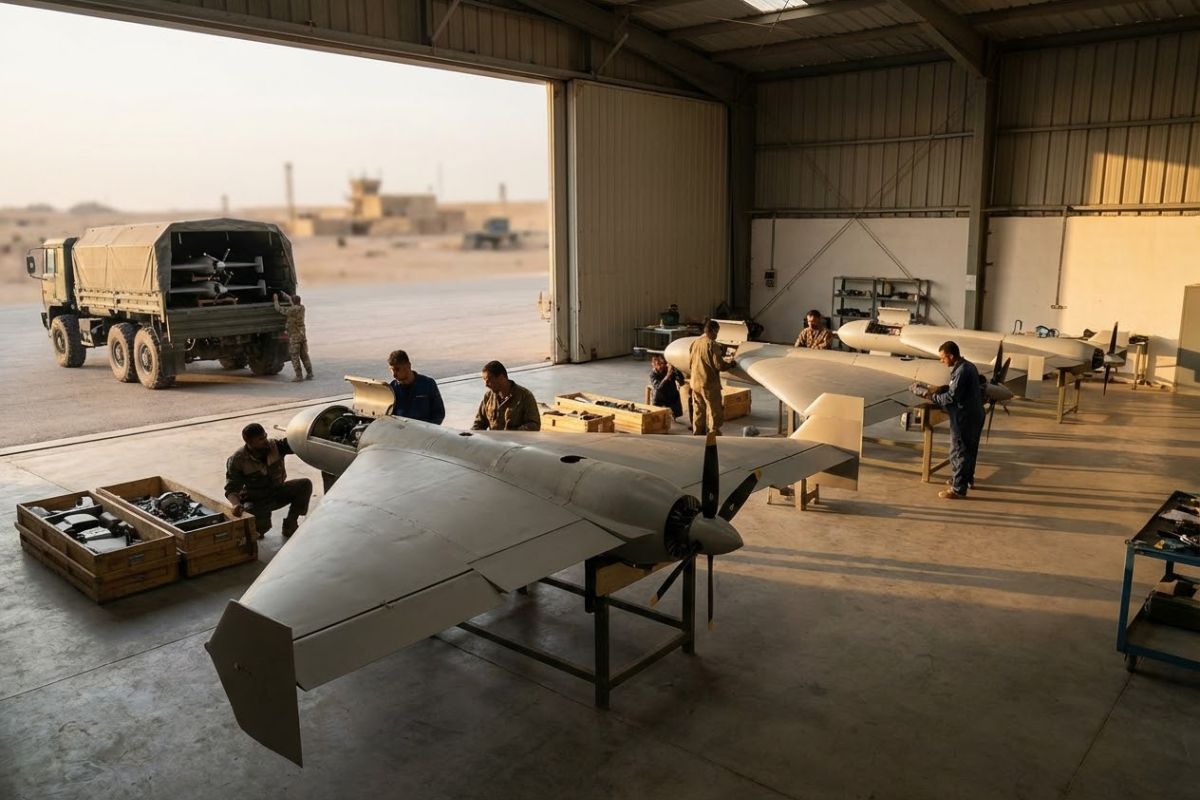
Most Lethal Drone Became a Symbol of a Strategic Shift at the Pentagon After Recent Conflicts Showed That Shooting Down Cheap Drones With Million-Dollar Missiles Is an Economic Mistake, Leading the United States to Copy the Iranian Model and Create the LUCAS System
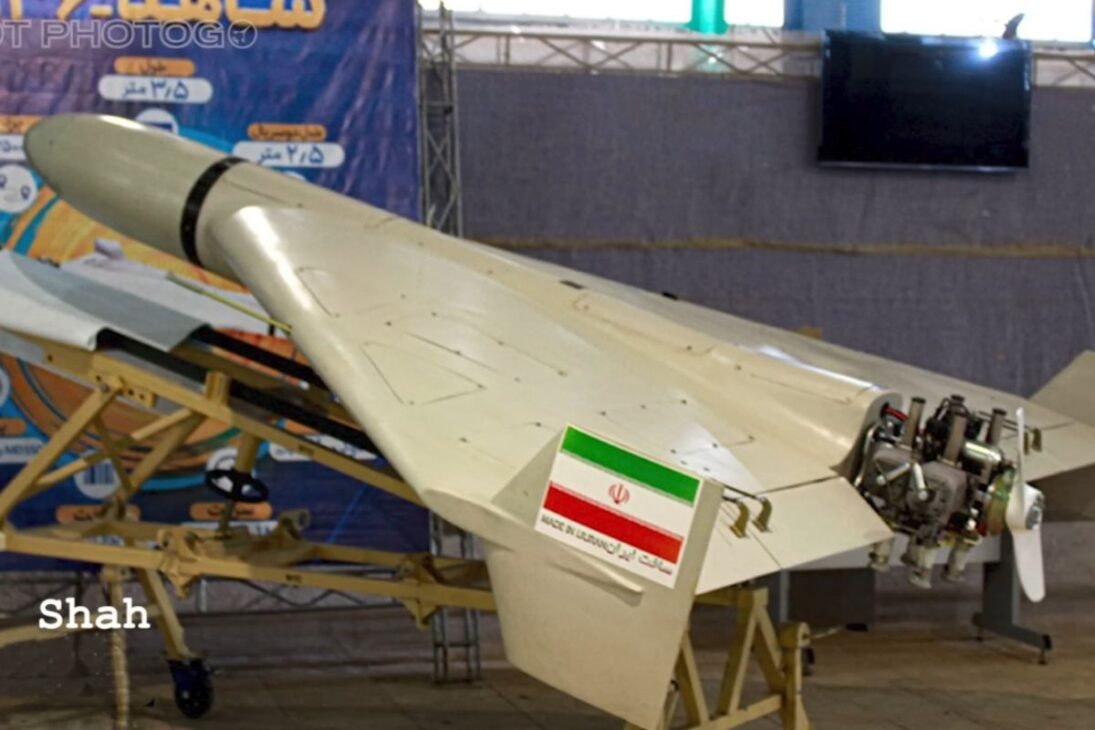
The most lethal drone of modern warfare did not originate in a secret U.S. laboratory. In fact, it emerged from the opposite side of the conflict. The Shahed-136, developed by Iran, revealed something that military strategists were slow to accept: simple, cheap, and mass-produced weapons can defeat extremely expensive systems.
This realization led the Pentagon to an unusual decision. Instead of creating completely new technology, the United States opted to adapt the enemy’s own concept. The result was LUCAS, an uncrewed attack system designed to replicate the logic of the most lethal drone used in recent conflicts.
The Mathematics That Changed Modern Warfare
For decades, U.S. armed forces based their strategy on extremely sophisticated platforms. Stealth aircraft, giant ships, and precision missiles were built with the idea of absolute technological superiority.
-
There is a gap of hundreds of kilometers between weather observation points in the United States, and now drones flying at 6,000 meters altitude in strong winds are filling this gap to predict tornadoes before they kill.
-
The most famous volcano in the world could paralyze one of the largest metropolises on the planet: Japan accelerates emergency plans for the eruption of Mount Fuji, which could bury Tokyo in ash for over two consecutive weeks.

-
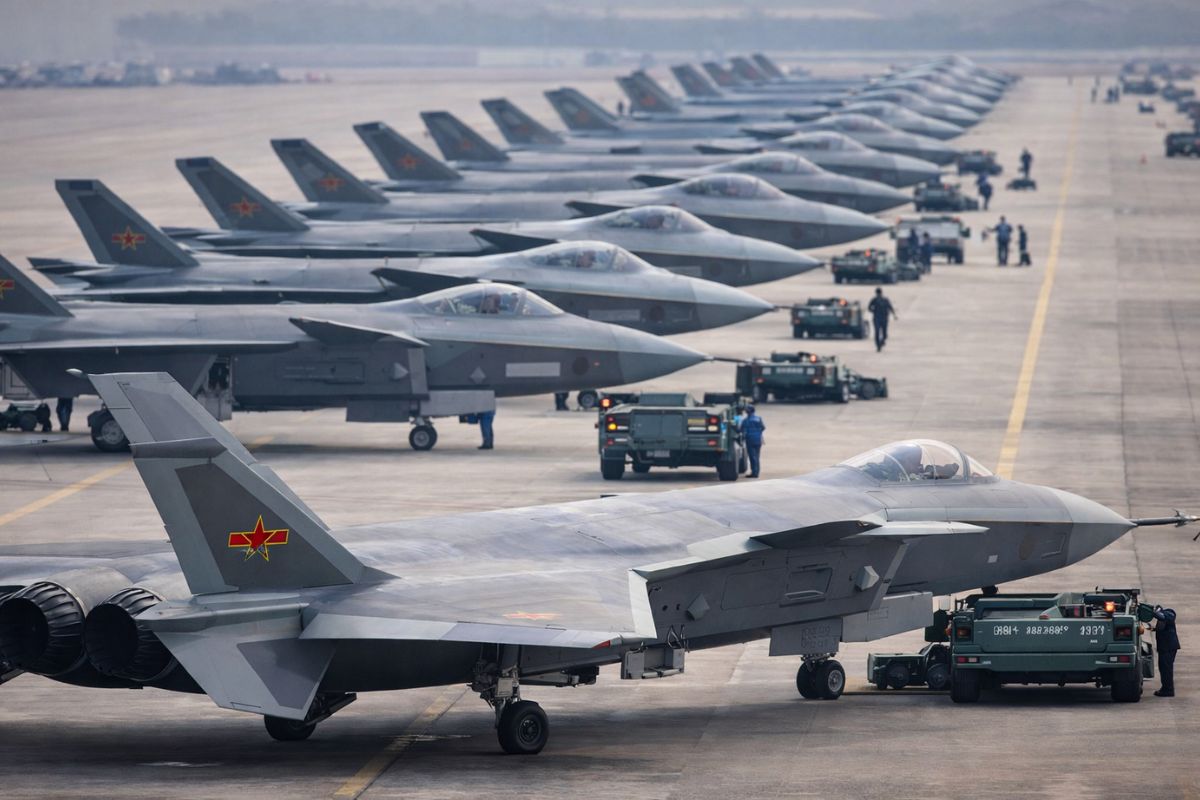
The United States has a serious problem with its F-35s: China is already producing fighters at a pace that exceeds American capacity and could manufacture up to 300 aircraft per year before the end of the decade, shifting the global military balance.
-
Remains with battle wounds of over 100 soldiers from the Roman Empire are found beneath a football field in Vienna, leaving everyone surprised.


But recent conflicts have revealed an unexpected problem. Taking down a $35,000 drone with a $2 million missile creates an immediate financial loss for the defender. This cost imbalance began to appear repeatedly in different war scenarios.
The Shahed-136 demonstrated exactly this. The drone is not stealthy, is not silent, and has no complex technology. It simply uses GPS navigation to fly hundreds of kilometers and dive onto a target with an explosive warhead.
When used in swarms, these drones can saturate sophisticated defense systems. Even if many are shot down, some inevitably get through, making the strategy efficient and economically advantageous.
The Birth of LUCAS and the Decision to Copy the Enemy
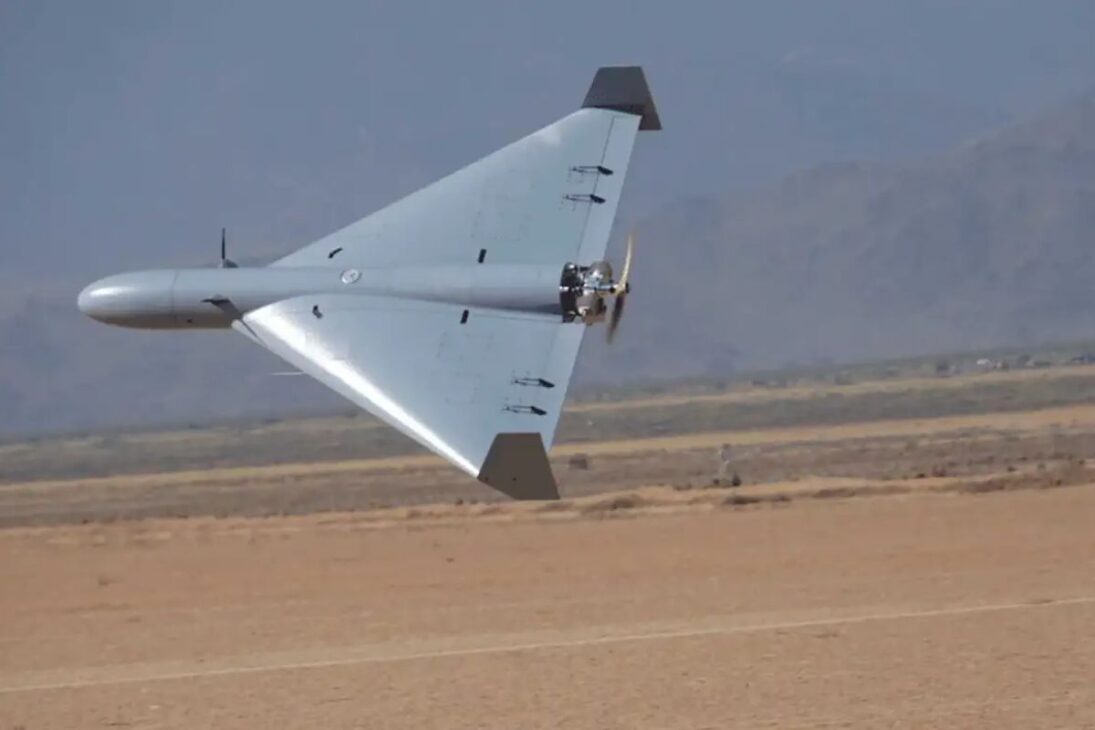
Faced with this reality, the Pentagon made a rare decision: to learn directly from the adversary. Thus, LUCAS was born, short for Low-Cost Uncrewed Combat Attack System.
The project was developed by Spectre Works in Arizona, where engineers analyzed captured Iranian drones. The goal was to reproduce the logic of the most lethal drone in modern conflict, maintaining low cost and simplicity of design.
When the system was unveiled in 2025, it drew attention for its resemblance to the Shahed-136. The delta wing shape and loud rear propeller were evident. For some analysts, it seemed like a direct copy.
For the military, though, the explanation was simple. If a design works well for a specific mission, completely reinventing it can be a waste of time.
What Makes the Most Lethal Drone So Efficient
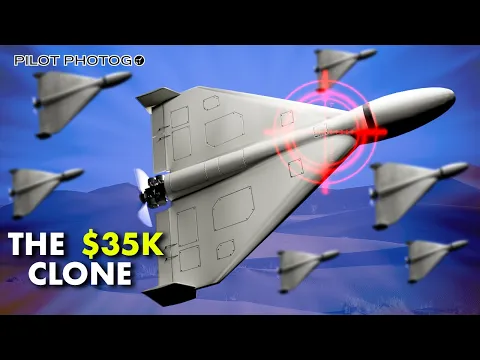

The secret of the most lethal drone lies not in speed or invisibility. It works because it combines three main characteristics: low cost, autonomy, and mass production.
LUCAS was designed following exactly this logic. It has a wingspan of about three meters and can travel over a thousand kilometers before reaching its target.
The warhead it carries weighs about 50 pounds. This turns the equipment into what is called wasting ammunition, meaning a weapon that does not return to base after the attack.
Another important feature is autonomy. Unlike traditional drones that rely on operators with joysticks, the system uses embedded software to navigate, locate targets, and operate in environments with electronic interference.
Instead of a single operator controlling the weapon, the system itself makes decisions during flight, which enhances its capacity for large-scale operations.
Flexible Launches and Attacks From Anywhere
One of the most strategic points of LUCAS is its launch capability. The system is designed to operate on different platforms, drastically expanding its usage possibilities.
It can be launched from land-based catapults, rail systems installed on trucks, or even from warships. This flexibility allows military units to deploy the most lethal drone practically in any operational environment.
An example of this capability occurred in December 2025. On that occasion, a LUCAS drone was launched from the deck of the USS Santa Barbara combat ship while the vessel was sailing in the Persian Gulf.
The event marked an important shift. For the first time, a cheap attack drone was used from a military ship as an alternative to traditional cruise missiles.
The New Military Strategy Based on Swarms
The true impact of the most lethal drone appears when it is used in large numbers. Instead of launching a single sophisticated weapon, the new strategy involves sending dozens or hundreds of drones simultaneously.
This tactic creates a complex problem for air defense systems. Radars must track multiple targets simultaneously, while air defense batteries spend expensive missiles to shoot down relatively cheap weapons.
Even if only a few drones manage to hit their targets, the operational cost for the defender can become unsustainable.
This logic is known as cost exchange. Rather than focusing on the most advanced technology, the goal becomes to overwhelm the opponent with quantity.
Mass Production as a Strategic Weapon
For the concept to work, production must keep pace with strategy. Thus, the Pentagon has adopted an industrial model inspired by World War II.
At that time, the United States produced thousands of Liberty ships and Sherman tanks using multiple factories simultaneously. The same principle is being applied now to LUCAS.
Instead of relying on a single manufacturer, up to 20 different suppliers produce components of the drone simultaneously. This includes fuselages, engines, and warheads.
This approach ensures that production continues even if one factory stops or a supply chain fails. The ultimate goal is to produce thousands of units.
The Future of Warfare May Be Determined by Quantity
The introduction of LUCAS indicates a profound shift in American military thinking. For decades, priority was given to developing extremely sophisticated and expensive platforms.
Now, the focus is starting to change. The new logic is not just to have the best technology, but also to be able to lose equipment without compromising the strategy.
This means that the warfare of the future may depend less on individual billion-dollar aircraft and more on swarms of disposable autonomous systems.
In other words, the side that can keep the sky filled with drones for longer may have a decisive advantage.
The most lethal drone of the new military era did not win by the most advanced technology, but by the economic logic that changed the battlefield. By copying the enemy’s concept, the United States recognized a strategic reality that is hard to ignore.
In modern warfare, quantity can also defeat quality, especially when each unit costs only a fraction of traditional weapons.
The creation of LUCAS shows that the future of conflicts may be defined not only by technological innovation but by the industrial capacity to produce thousands of autonomous systems quickly.
Now a question arises that divides defense experts: Is the era of billion-dollar aircraft and weapons truly coming to an end, or will these drone swarms just be another layer of modern warfare?
And you, do you believe that the most lethal drone of the future will be defined by artificial intelligence or by the ability to produce thousands of them at the same time?









-

-

-

3 pessoas reagiram a isso.