





 Portuguese
  English
  Spanish
  3 min of reading
  0 comments


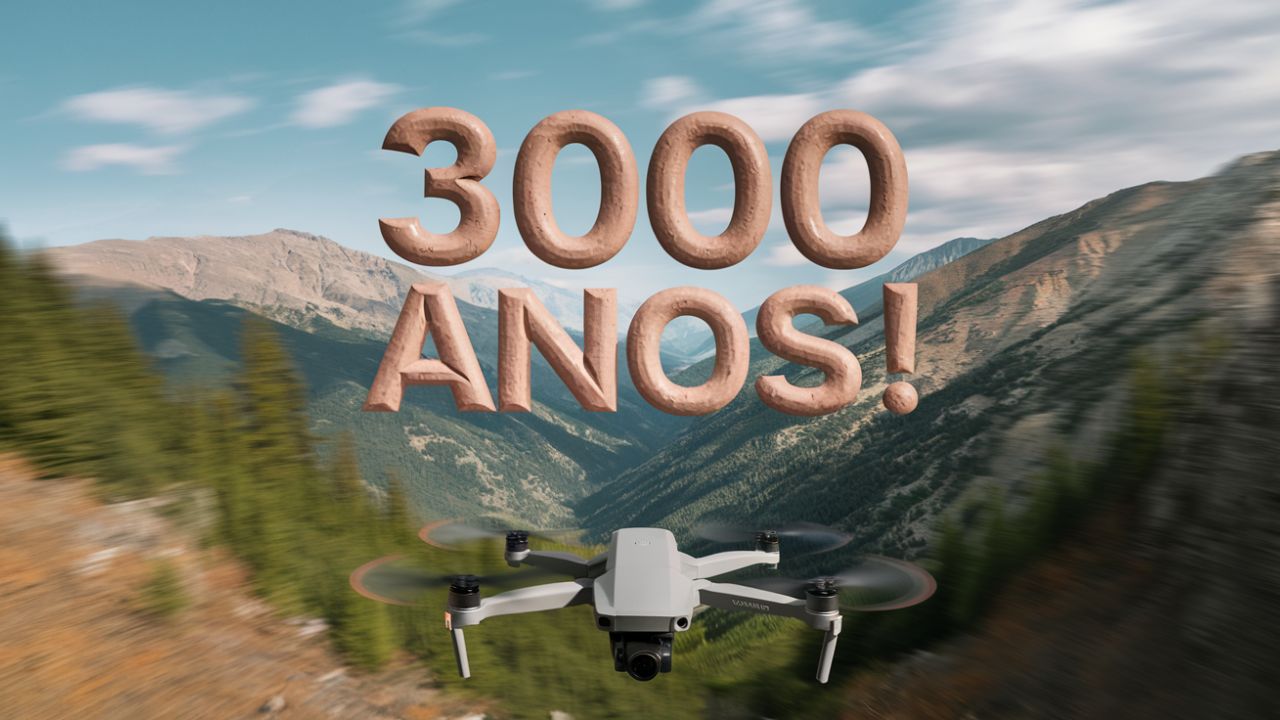
With the Help of Drones, Researchers Mapped a Colossal Bronze Age Fortress in the Caucasus Mountains, Revealing Walls of 800 Meters, Thousands of Buried Artifacts, and Secrets from 3,000 Years Ago.
An archaeological treasure so hidden that only technological advancement could reveal it. That is exactly what happened in the Caucasus Mountains, where drones discovered a 3,000-year-old fortress known as Dmanisis Gora. Technology allowed researchers to see far beyond what the human eye could reach, completely transforming our understanding of ancient Bronze Age societies.
The Drone Technology Behind the Discovery
The researchers faced a challenge: mapping a gigantic fortress in rugged and hard-to-access terrain. In this scenario, drones emerged as unexpected heroes. With their ability to fly over large areas and capture detailed images, drones provided a unique perspective that would be impossible to achieve on foot.
Equipped with high-resolution cameras, the drones took over 11,000 photos of the site. These images were combined using advanced software to create detailed maps and three-dimensional models of the fortress. The result? A map that revealed all the walls, structures, and even hidden field systems at the site.
-
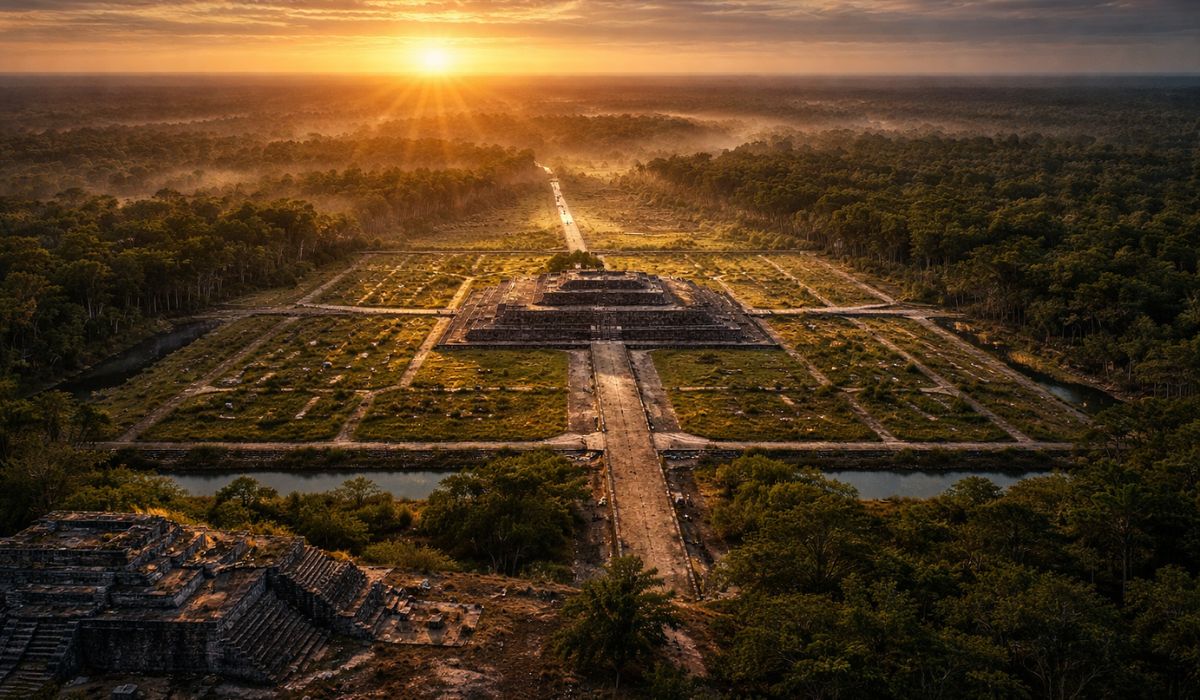
In Mexico, a 3,000-year-old Maya site with the dimensions of an entire city may have been built as a colossal map of the cosmos, created to represent the order of the universe and reveal how this people organized space, time, and rituals.
-
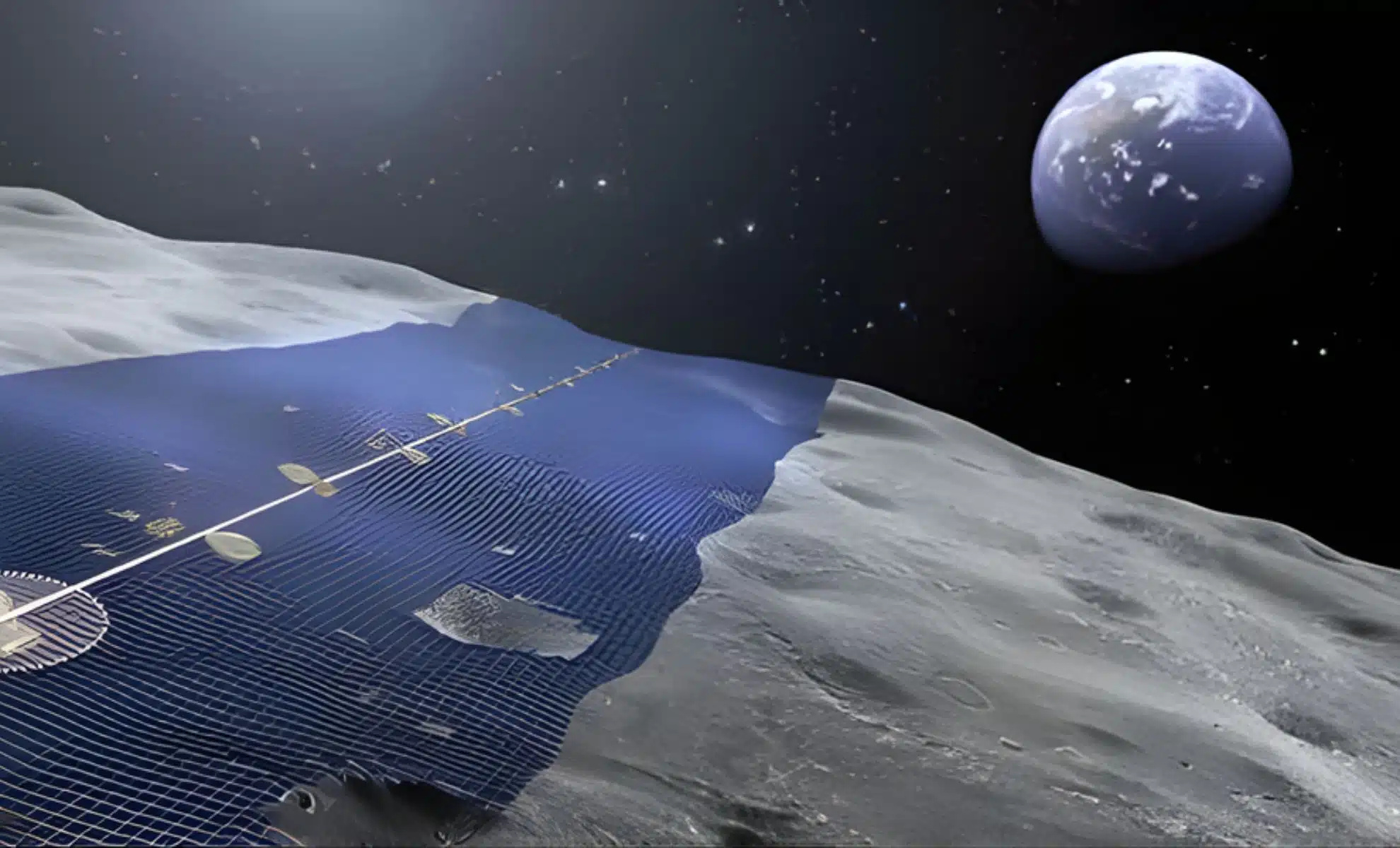
Japan wants to build a solar ring of 10,900 kilometers on the Moon to continuously send energy to Earth.
-
Weighing almost 1 ton, with temperatures of up to 3,000°C, the ability to launch 10,000 fragments within a radius of 1 km, capable of penetrating concrete and melting steel, Turkey’s terrifying bomb emerges as one of the most destructive non-nuclear weapons ever presented.

-
After a submarine disappeared beneath the “Doomsday Glacier,” scientists announce a new monstrous machine capable of operating at 3,000 meters depth to return to the heart of the ice and investigate a threat that could raise sea levels worldwide.


The Magnitude of Dmanisis Gora

Dmanisis Gora is much larger than previously imagined. The fortress’s outer and inner walls were made with rough stones and mortar, measuring up to 800 meters in length and 1.8 meters in thickness. This vastness is an impressive landmark for the time.
In addition to its grandeur, Dmanisis Gora challenges our ideas about how Bronze Age populations lived. The fortress likely served as a meeting point for nomadic herders, functioning as a seasonal center for protection and trade.
What the Discovery Reveals
At the site, researchers found fragments of pottery, animal bones, and other artifacts that promise to tell fascinating stories about who lived there. These items may reveal details about agriculture, livestock, and cultural practices of the time.
By comparing the new drone images with spy satellite photos taken during the Cold War, scientists realized that the fortress has changed little over the centuries. This analysis helped understand how the region was occupied and preserved.
The Future of Research at Dmanisis Gora
With tens of thousands of artifacts still buried, the archaeological potential of Dmanisis Gora is enormous. Researchers plan to continue studying the site to uncover more about the functions of the walls and the population density.
This discovery with drones is not only relevant to the Caucasus. It expands our understanding of how large fortifications influenced the social and economic dynamics of ancient societies.







-

-

4 pessoas reagiram a isso.