





 English
  Francês
  Alemão
  Italiano
  Japonês
  Norueguês
  Portuguese
  Spanish
  2 min of reading


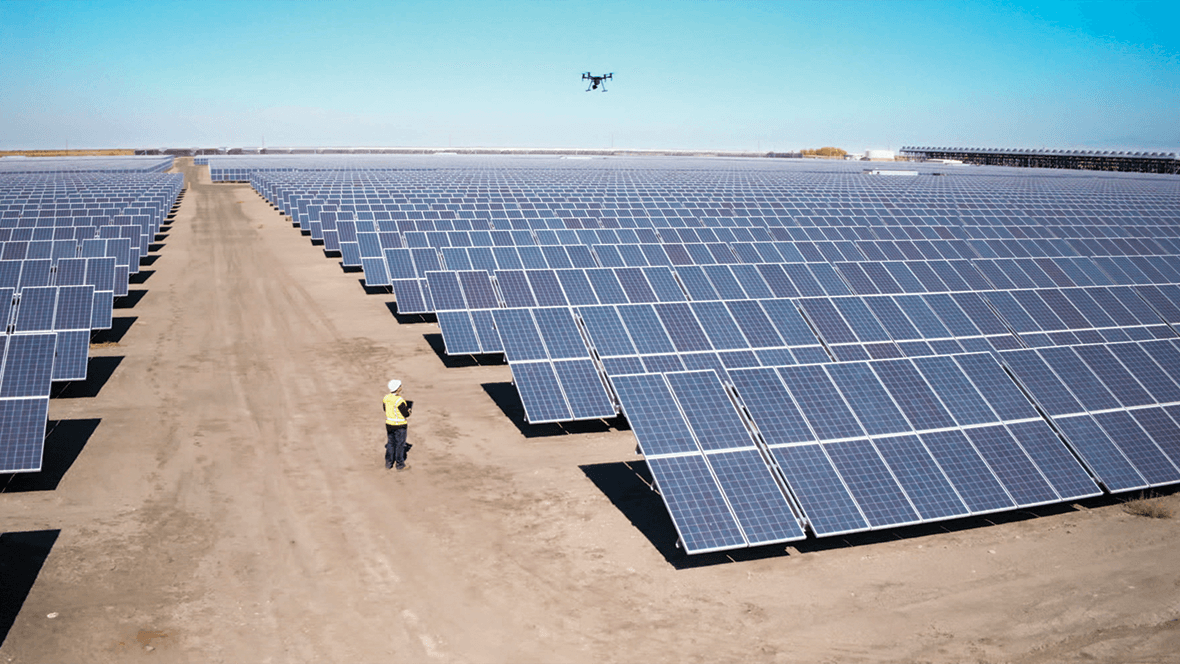
Drone Inspections Identify Issues Such as Overheating and Electric Current Intensity
Drones are being used in the solar energy field as a way to monitor the panels. The aircraft is the most comprehensive model with visual analysis data, making it possible to find defects in solar panels through visual inspection, design the system installation, and even find the root cause of the problem.
Check Out Other News of the Day:
- Heftos Closes Contracts with Petrobras and Trident Energy for Services at Refinaria Gabriel Passos and Campos Basin
- On this 16th, offshore boiler operators and Rigger Irata are required in Rio de Janeiro by Zarpa
- Court Requires Miner Vale to Present About R$ 7.9 Billion by July 23 as Guarantee for the Brumadinho Disaster
Through this technology, the time for identifying problems has been significantly reduced, resulting in increased operation time. There are drones capable of performing visual inspections and 2D and 3D mapping by transforming simple images into live, georeferenced photos. Through this, it is possible to accurately calculate the area size and also the volume.
-
Rio Grande do Sul accelerates energy transition: State invests in renewable technologies and consolidates decarbonization strategies and pathways to attract billions in new industrial investments.

-
With 160,000 m² of collectors, an area larger than 20 football fields, Silkeborg, in Denmark, hosts a solar thermal plant that heats 19,500 homes and could become the largest solar heating plant in the world.

-
A study reveals the expansion of renewable energy procurement in Brazil and shows how companies are taking advantage of opportunities to reduce expenses, ensure energy efficiency, and strengthen strategic environmental commitments.

-
Mato Grosso do Sul excels in the sugar-energy sector: the state reaches a milestone of 22 operating mills and accelerates the production of clean energy in MS with a focus on sustainability.


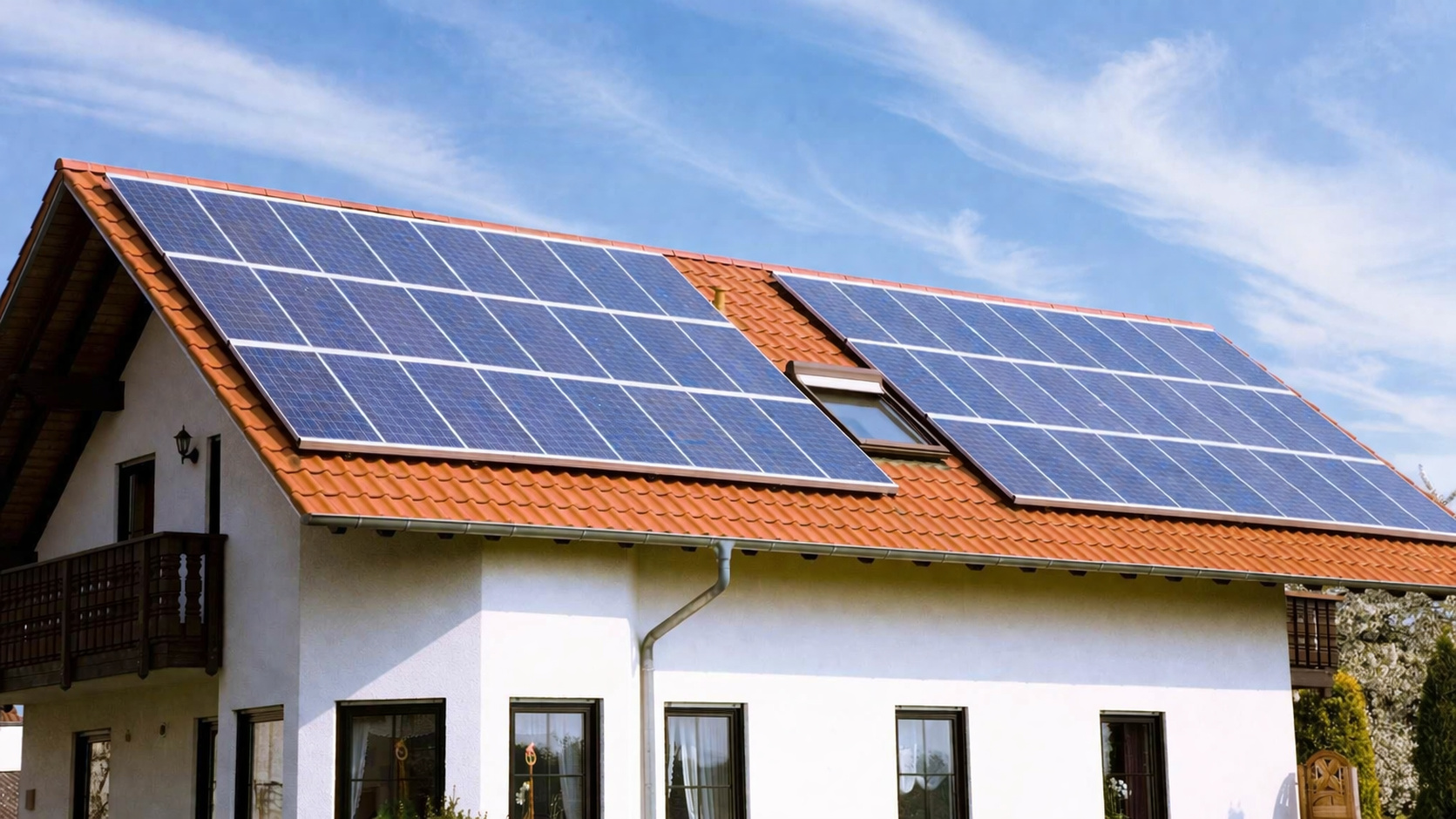
“For visual inspection, there are simpler drones that are sufficient. The aircraft has two axes, with GPS and a camera starting from 12 MP. They also create 3D modeling of houses or buildings at the correct scale with objects that cause shading. In this case, if it is a house with a solar panel, for example, the equipment will cover the entire lateral aspect of the project, calculating altitude and the position of the sun for better panel positioning,” said Henrique Freitas, one of the responsible for DJI’s business in Brazil along with Go Solar, a branch of Golden Distribuidora, which offers various types of drones to the solar market.
Additionally, drones have thermal sensors capable of identifying cell failures by heat spectrum. There is a red marking that occurs whenever the cells are overheating. There is also the possibility of identifying the intensity of the electric current, detecting any overload issues.
However, the costs are not so accessible. Henrique states that, “there are simpler drones suitable for visual inspection of panels costing R$ 40 thousand up to the most sophisticated ones that average R$ 200 thousand.”
There are other precautions to highlight. According to the specialist, the aircraft varies in range from four kilometers to ten kilometers, so you should never lose sight of the equipment. It is prepared to return home by itself, with sufficient battery; even so, it is important and mandatory to keep it within your visual range according to aviation regulations for drones in these categories.






Seja o primeiro a reagir!