





 Portuguese
  English
  Spanish
  5 min of reading
  0 comments


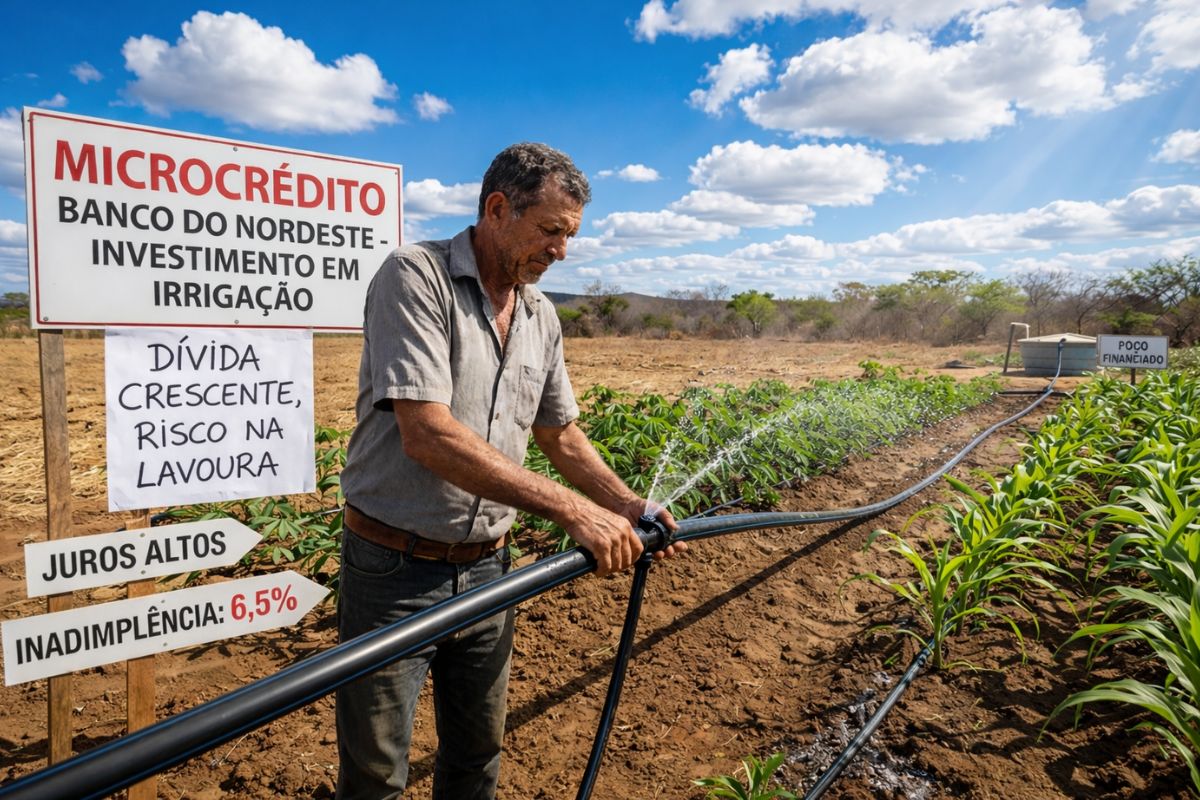
With productivity falling, Banco do Nordeste expands rural credit for irrigation, but high interest rates increase default and pressure family farmers
The drought in northern Bahia has changed the routine of the countryside and put family farmers in front of a difficult choice: invest in irrigation to avoid losing production or accept the risk of a debt that grows with high interest rates. In regions where the rainy season is short, water ceases to be just a challenge and becomes the factor that decides whether the crop will stand or not.
With equipment costing thousands of reais, microcredit appears as the most accessible solution, especially through Banco do Nordeste programs aimed at low-income producers. The problem is that when the bill arrives, high interest rates and tight deadlines can push the small producer to the limit, especially in a scenario where default in rural credit hit a record high and closed at 6.5% last year.
Drought in northern Bahia changes the countryside and lowers productivity
The lack of rain has been altering the daily lives of rural workers and reducing productivity in various areas.
-
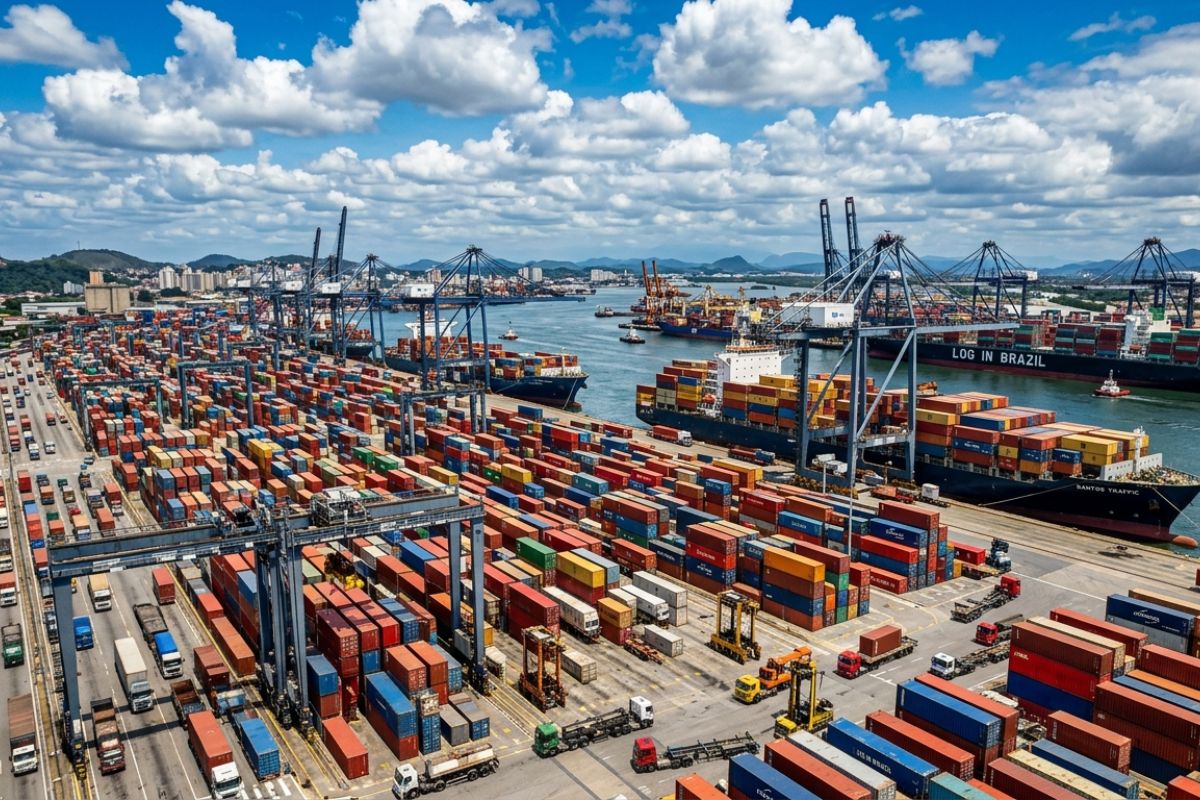
Ports like Santos and Paranaguá are operating at their limits and may block containers as early as 2030, warns a study by Macroinfra; bottlenecks increase costs and delays and push cargo to Rio, Salvador, Pecém, and Suape across Brazil.
-
Lula reveals in an interview that he asked President Xi Jinping three times to invest in a major project in Brazil, the Salvador-Itaparica bridge, which is set to begin in June with the participation of a Chinese consortium and is expected to be extraordinary, according to the president.

-
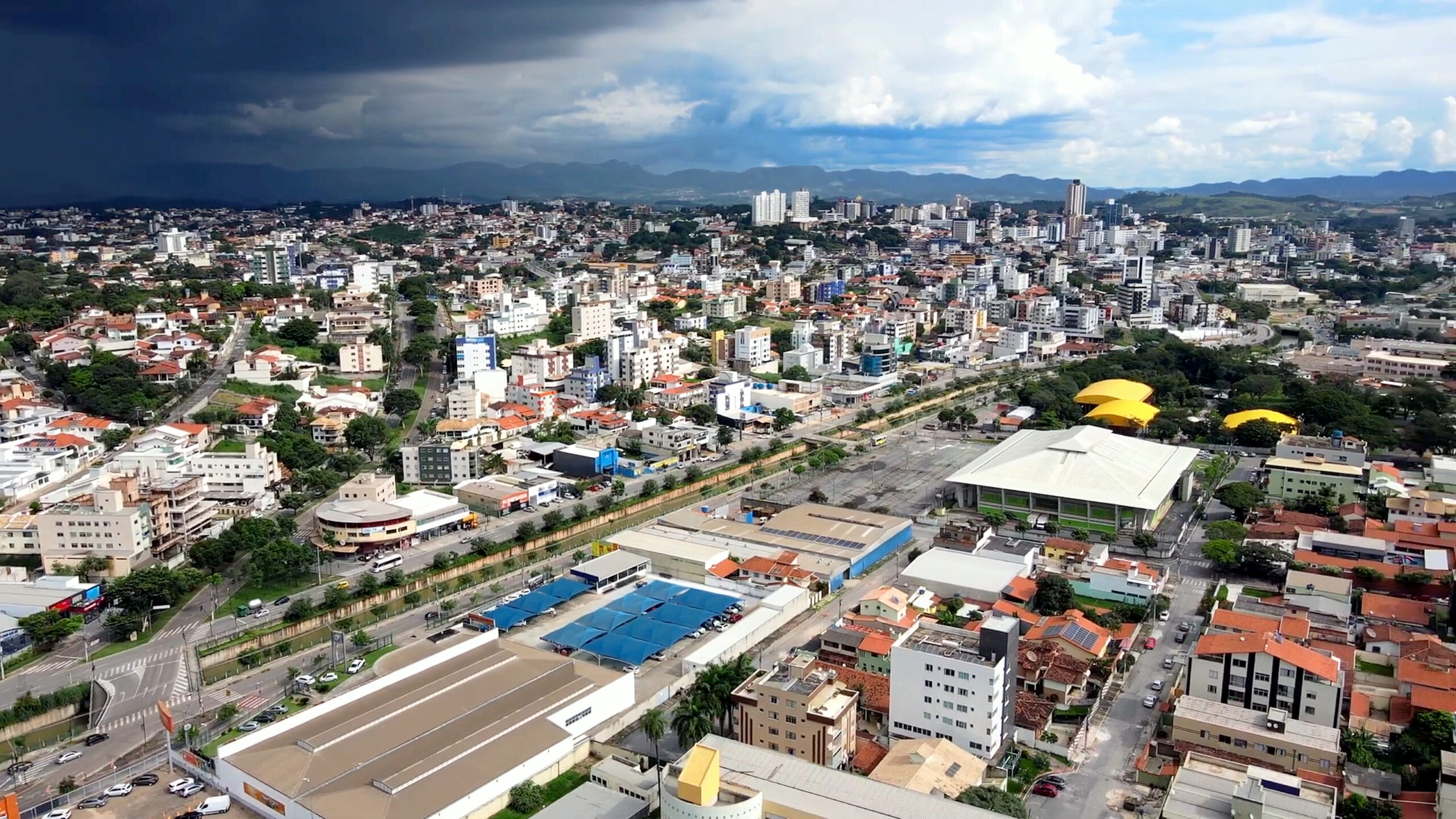
Neighboring city of Belo Horizonte has properties starting at R$ 139,000 with 90 m² and a price per square meter much lower than the capital, even concentrating automotive, petrochemical, and logistics hubs.
-
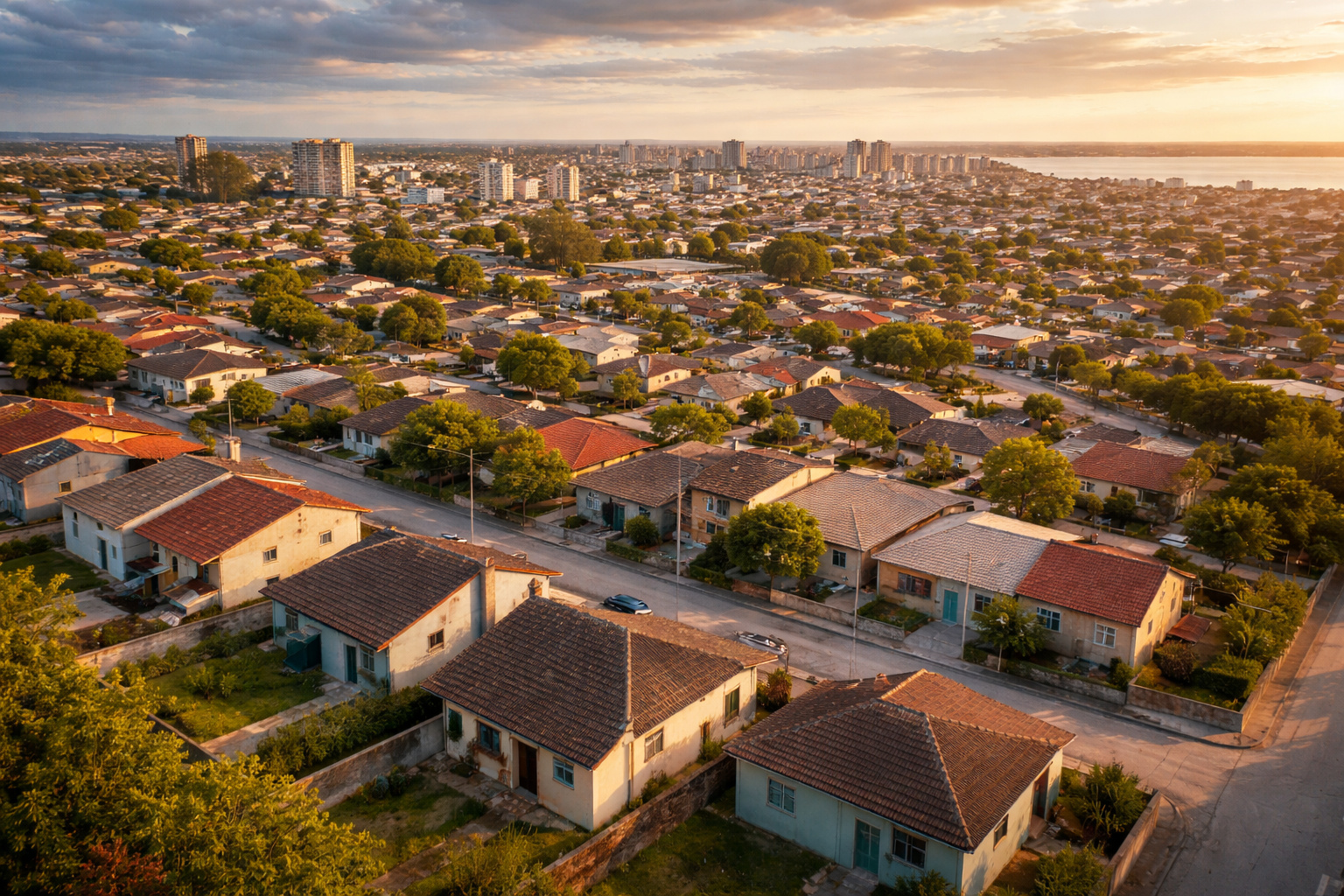
According to the FipeZAP index, Pelotas has the cheapest square meter in Brazil, with properties starting at R$ 90,000 and 33 m², and a market supported by universities, services, and a lower cost of living.

For those who depend on the land to live, the lack of water is not just a detail of the weather, it is a direct brake on income. In many localities, producing without some type of water structure has become practically impossible.
Irrigation ceases to be an option and becomes an essential item
With rain becoming less predictable, irrigation systems become essential to maintain the crops.
However, this solution weighs heavily on the wallet: pipes, tapes, nets, and equipment require a high investment, beyond the reality of those working on a small scale.
It is at this point that irrigation, while being the way to save the crop, also becomes the start of a new financial concern.
Microcredit from Banco do Nordeste becomes the solution for family farmers
Faced with high costs, many producers turn to credit to modernize or expand their irrigation systems. In Jacobina, for example, a farmer with crops such as peanuts and corn sought financing to bring water to the plantation that had been suffering from the lack of rain.
The expectation is to use the period of the June festivals, described as the best time of the year to earn money, to cover the loan.
Banco do Nordeste has a program aimed at rural microcredit, especially for low-income family farmers.
Last year, the program granted 2.2 billion reais in credit only in Bahia, and 275 million of that total was allocated to irrigation works. In practice, credit becomes the push that allows continued production.
When the loan becomes a risk: high interest rates and a default rate of 6.5%
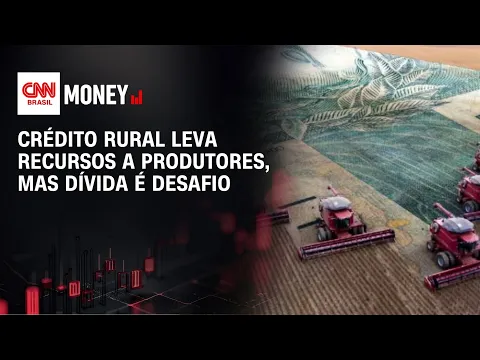

The same tool that helps maintain production can become a threat when financial costs rise. The report’s text is straightforward: while the loan is a hero, the debt can be a villain, especially in a scenario of high interest rates that makes repayment difficult.
This pressure appears in the most sensitive data: default in rural credit hit a record high last year and reached 6.5%.
For the small producer, the situation tends to be even more delicate, as there is less room for maneuver and less cash than in agribusiness. With high interest rates, any crop failure becomes a snowball effect.
In the field, the account is not just financial, it is emotional
In Seabra, in Chapada Diamantina, a farmer who has been growing strawberries for 11 years reports concerns about payment.
She took out a loan for the renovation of ponds and other irrigation works, but sees production fluctuate and fears she won’t be able to meet the agreement. When production does not respond, the fear of being in debt grows along with high interest rates.
What experts point out to prevent high interest rates from suffocating the producer
According to experts cited in the report, the way forward involves credit with conditions more aligned with agricultural reality: adequate terms and grace periods, in addition to rules linked to the production cycle.
The assessment is that it is also necessary to find ways to circumvent the high level of high interest rates and allow lower rates for small producers, because the dynamics of the field do not obey the short clock of debt.
Agroamigo and the financing of water structures in the semi-arid region
Those who indicate possible paths are the superintendent of rural microfinance at Banco do Nordeste, responsible for the Agroamigo program, which has 2.2% default rate.
The statement highlights a structural reality of the Northeast: more than 60% of the area is in the semi-arid region and precipitation is less than 600 mm per year, which makes it essential to store water.
In this context, credit is directed to finance water structures such as wells and cisterns, allowing water storage, small irrigation, and even providing for animals during the drought period. The logic is simple: without stored water, there is no production, and with high interest rates, there is no room for error.
Between the potential of the Northeast and the weight of high interest rates
The Northeast currently has almost 2 million small producers. The region has potential but also faces the daily challenge of ensuring water and resources to turn that potential into income.
When financing arrives at the right time, it enables irrigation and sustains work, which also generates jobs and income in the community. But when the bill becomes heavy, high interest rates can turn credit into a silent threat within the farm.
In the end, what is at stake is balance: credit that helps produce without pushing the farmer into default. Because in the field, a bad harvest does not just mean loss, it means delay, anxiety, and the risk of losing what has been built over years of work.
Have you ever seen someone in the field trapped by high interest rates, even while trying to invest to produce more?






Seja o primeiro a reagir!