





 Portuguese
  English
  Spanish
  4 min of reading
  0 comments


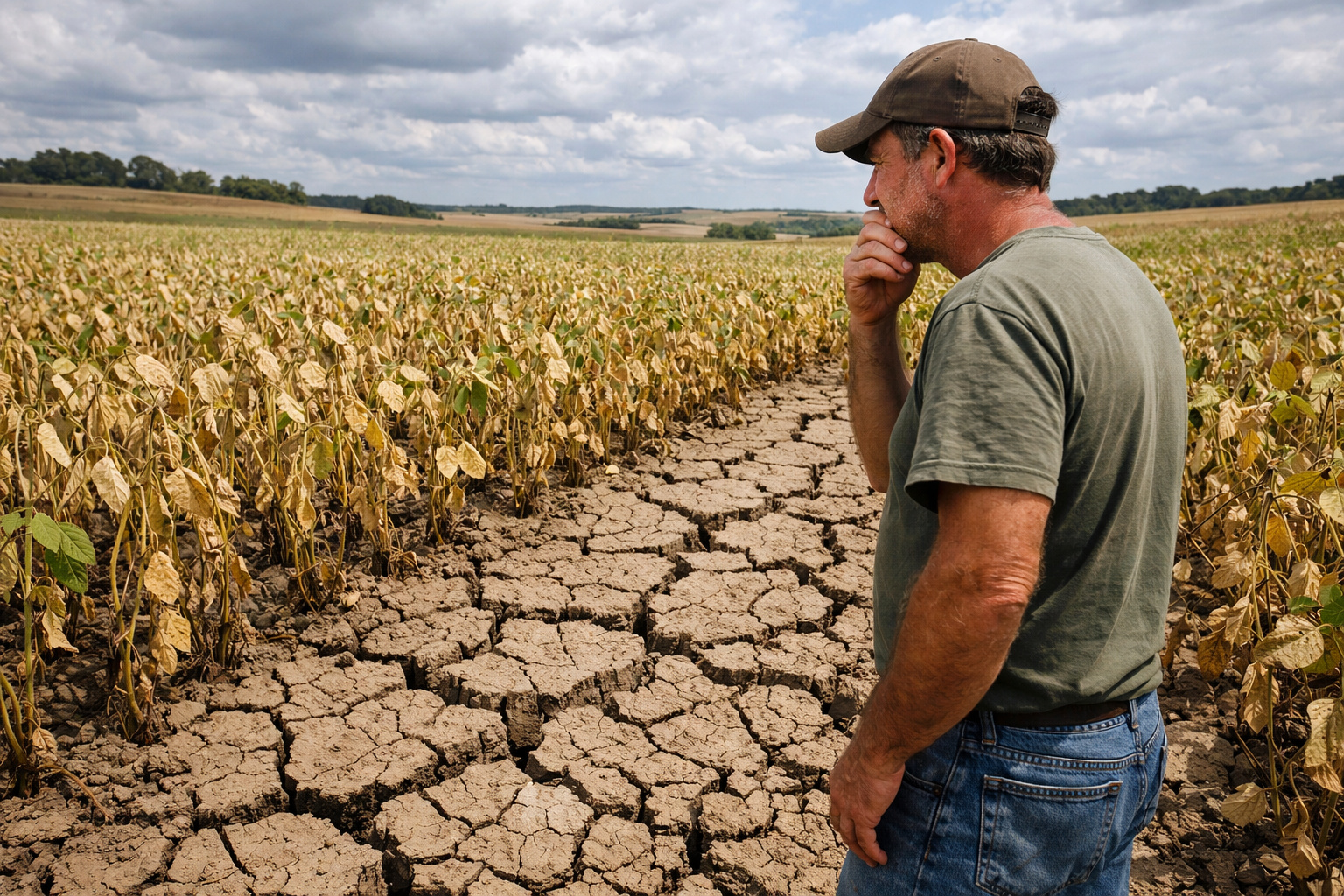
Irregular climatic conditions impact agricultural productivity and put the 2025/2026 harvest under strong pressure in the south of the country
The summer harvest of 2025/2026 in southern Brazil faces a challenging climatic scenario that has drawn the attention of producers and experts. The La Niña phenomenon, known for causing irregular rainfall, has significantly reduced accumulated volumes in the region, directly impacting the development of agricultural crops. As a consequence, while the drier weather favors the advancement of soybean harvesting, it also limits the productive potential of the crops, especially in areas most affected by water deficits.
This information was released by “SISDAGRO (Decision Support System in Agriculture)”, based on detailed agrometeorological data, including precipitation, evapotranspiration, and soil water balance. According to the system, the impacts of climatic conditions are already evident and may seriously compromise agricultural productivity in the region.
Water deficit and high temperatures increase losses in second-crop soybeans and corn
When analyzing the performance of the crops, it is observed that soybean cultivation in Rio Grande do Sul shows great variability in productivity among different regions. This occurs mainly due to the occurrence of isolated rain showers combined with rising temperatures at the end of January and the beginning of February. Additionally, the presence of drier air has worsened the scenario, causing a significant water deficit precisely during critical phases of the crops sown between October and November.
-
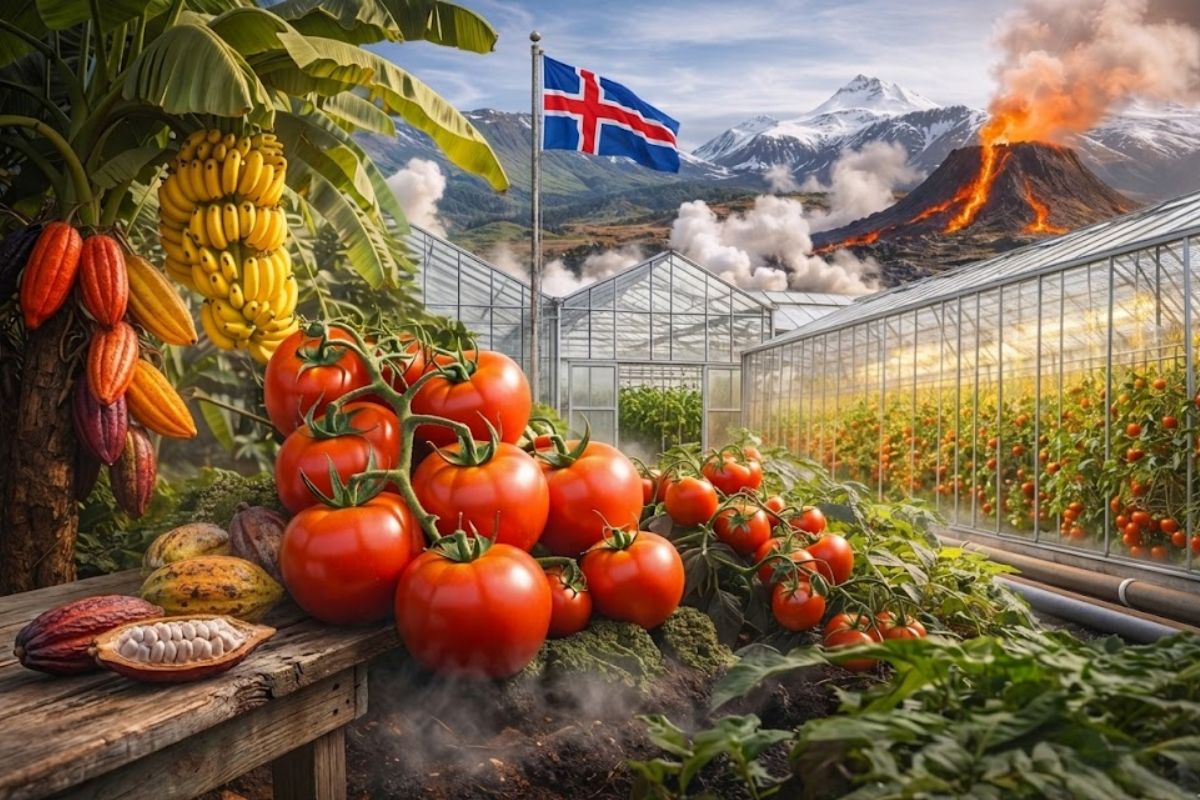
Iceland uses the heat from its volcanoes to grow tomatoes as good as Italian ones, tropical bananas, and even cocoa near the Arctic Circle, where the temperature barely exceeds 12 degrees, and almost 70% of the tomatoes consumed are already produced there.
-
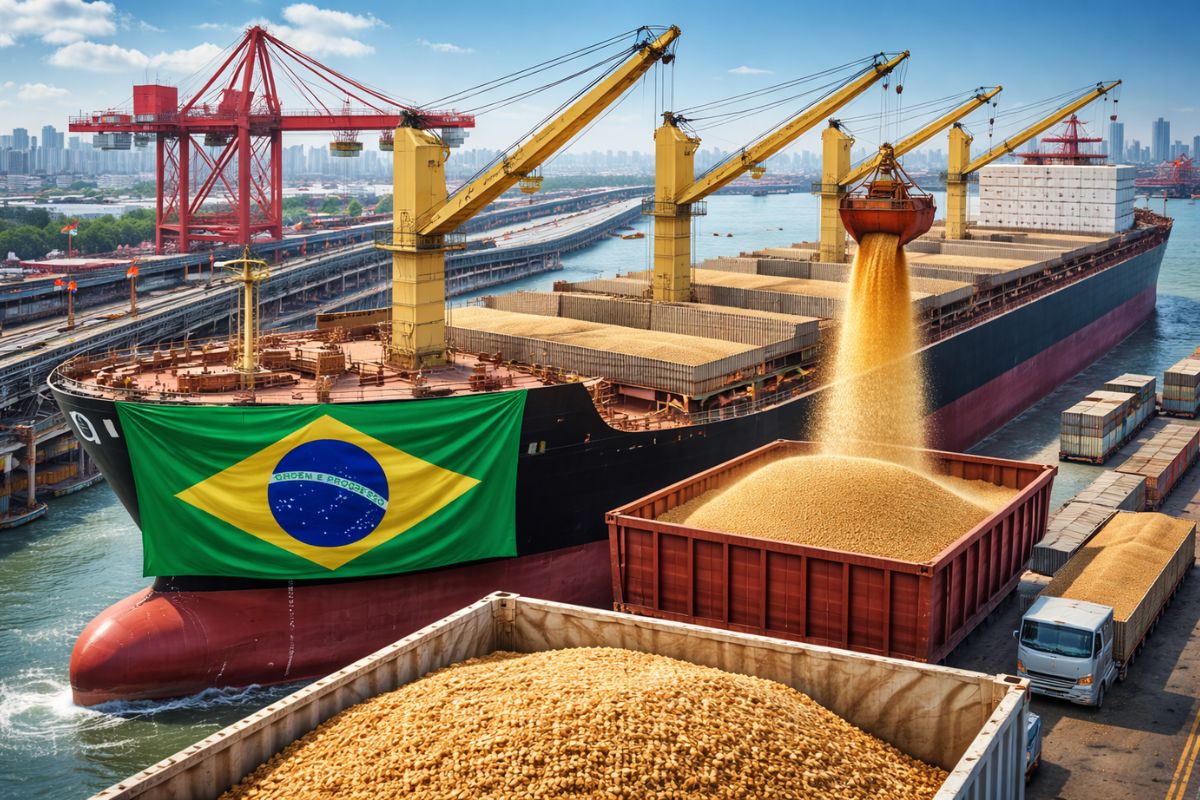
Brazil sends unprecedented product to China and a ship with 62 thousand tons has already arrived at its destination: a new billion-dollar market opens for Brazilian agribusiness.
-
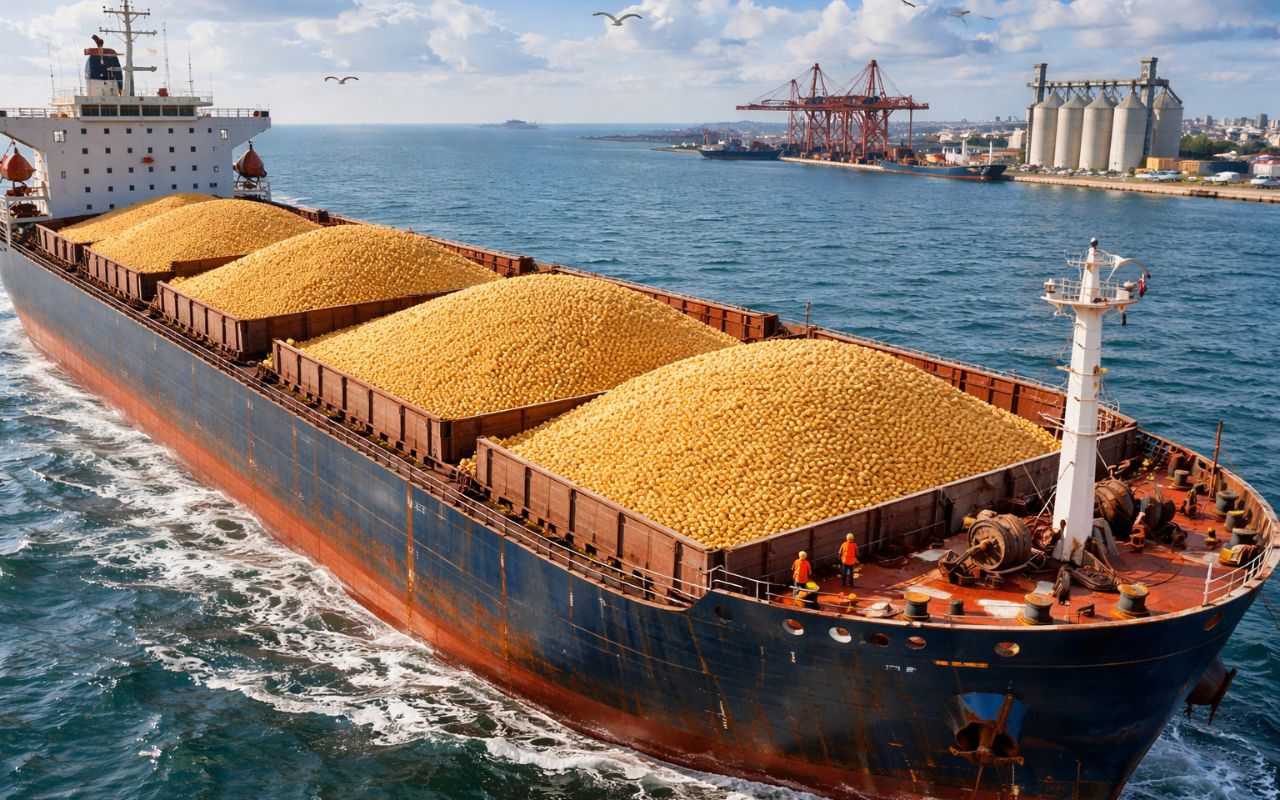
Even with logistical challenges, Brazil exports 17.1 million tons of grains and reinforces its global prominence.
-
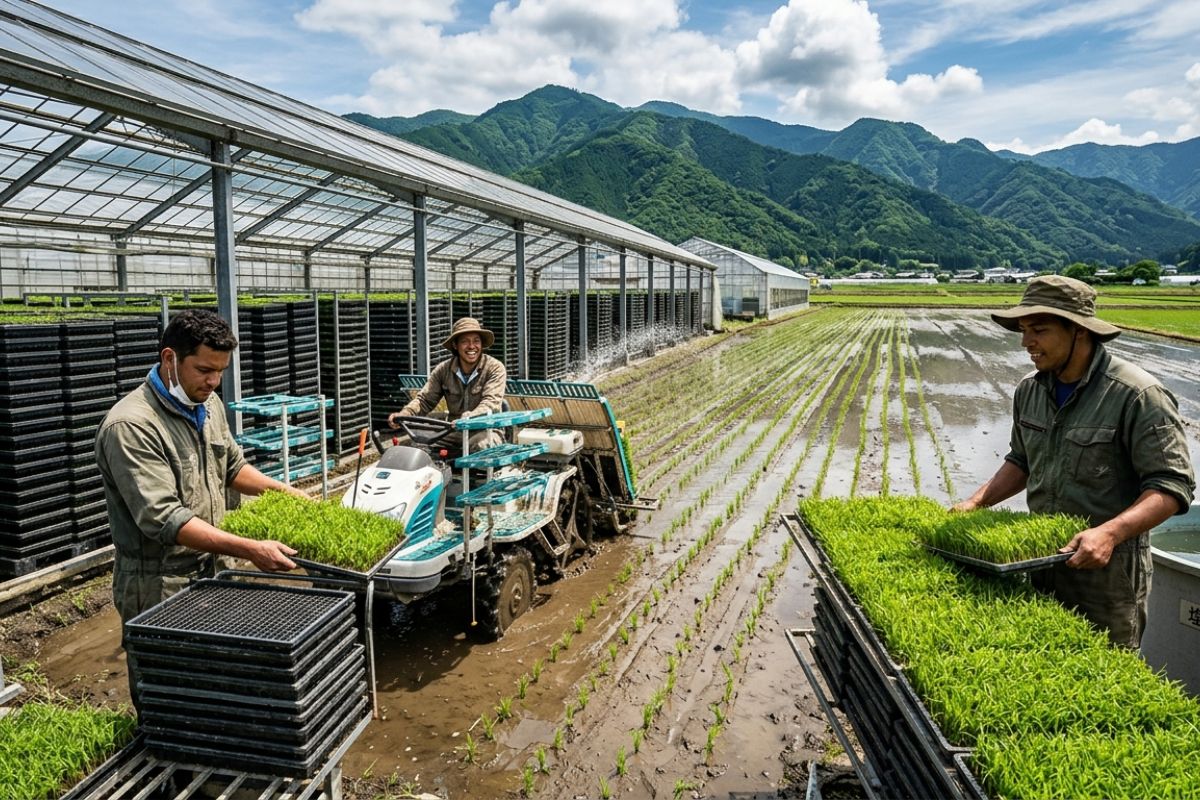
In the interior of Shizuoka, Brazilian brothers became farmers and revealed the secret of Japanese rice: brine selects seeds, the radicle determines the point, 4,000 trays fill greenhouses, and mechanized transplanting never forgives mistakes.
In some areas, such as São Luiz Gonzaga (RS), the estimates are alarming. According to SISDAGRO, soybean productivity loss may reach up to 50.4% in the period between January 15 and April 6. This data reinforces the severity of the situation and highlights how adverse climatic conditions have a direct impact on crop performance.
On the other hand, in states like Santa Catarina and Paraná, the climatic conditions were less severe, allowing for more satisfactory productivity. Still, the scenario is not entirely positive. In Paraná, especially in the western part of the state, second-crop corn has faced difficulties since the beginning of the cycle, with issues related to high temperatures and irregular rainfall. Even with the occurrence of showers in the second decade of March, losses are already considered significant, as observed in the region of Marechal Cândido Rondon.
Irregular rains and intense heat compromise crop development and require strategic planning
In addition to the direct impacts on productivity, the climatic behavior throughout March further aggravated the situation. The rains were irregular and localized, while temperatures remained high, creating an environment of severe water limitation. In several areas of the western South Region, soil water storage fell below 30%, a level considered critical for plant development.
Consequently, this condition reduces root and aerial growth of the crops. Depending on the phenological phase, it may also cause flower and grain abortion, compromising final productivity. In this context, crops such as corn, second-crop beans, off-season soybeans, and even pastures have been directly affected, especially in Paraná and Rio Grande do Sul.
Meanwhile, some producers have already begun preparing the soil for winter crops, seeking to minimize the time the soil remains uncovered. This strategy is essential to preserve moisture and reduce the negative impacts of adverse climatic conditions.
Weather forecast indicates continuation of climatic risk and reinforces alert to producers
The climatic scenario for the coming days remains concerning. The forecast indicates a continuation of irregular rainfall in the South Region, with higher accumulations expected for the central and northwestern parts of Paraná, ranging from 30 mm to 90 mm. In Rio Grande do Sul, the highest volumes are expected to occur in the southern part of the state, between 20 mm and 50 mm. In Santa Catarina, on the other hand, the rains tend to be more isolated, with low accumulations between 3 mm and 12 mm.
Regarding temperatures, the maximums are expected to range between 28 °C and 34 °C in most of the region. In the southwest of Rio Grande do Sul, thermometers may exceed 32 °C, although a slight drop is forecast starting Sunday (05). Still, the combination of intense heat and irregular rains tends to further reduce soil water stocks, especially in northwestern Rio Grande do Sul.
In light of this scenario, experts emphasize the importance of strategic planning in agricultural activities. Constant monitoring of weather conditions and soil moisture becomes essential for decision-making, allowing for the reduction of operational risks and optimization of crop management in an increasingly challenging environment.
With the advancement of climate change, is the current agricultural planning model still sufficient to ensure productivity and security in the field?
Source: National Institute of Meteorology








Seja o primeiro a reagir!