





 Portuguese
  English
  Spanish
  5 min of reading
  0 comments


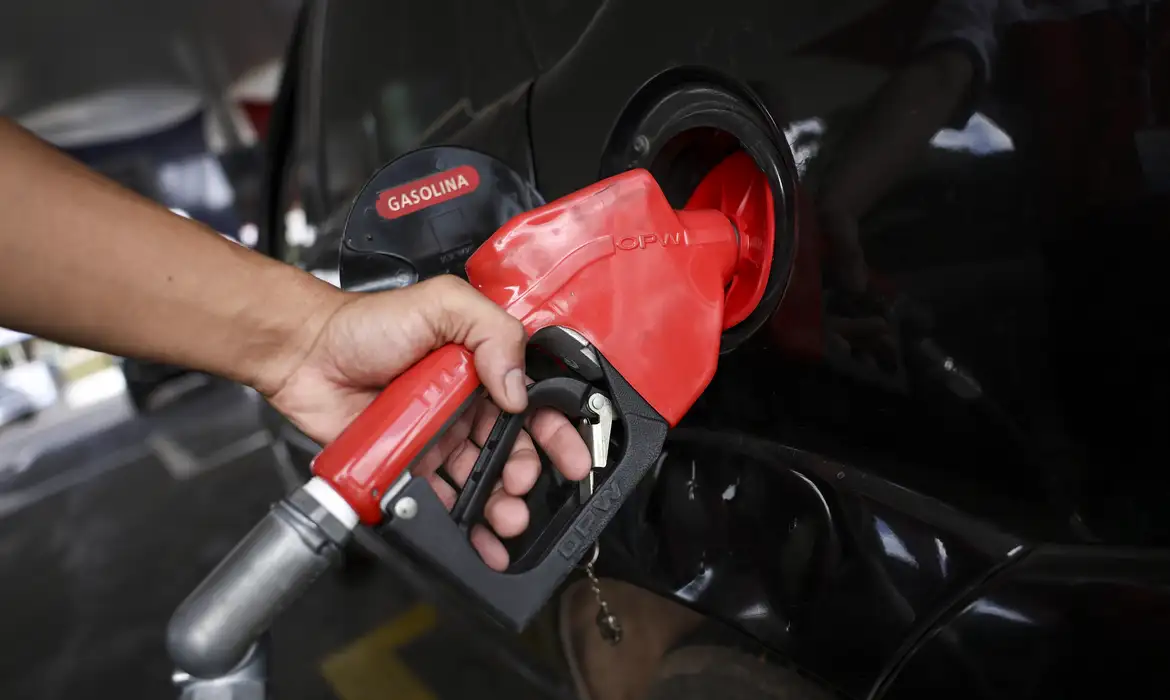
Have You Ever Wondered How a Gas Station Manages to Serve Hundreds of Vehicles Every Day? The Answer Lies in the High-Capacity Underground Tanks and in Well-Planned Logistics That Includes Regular Refueling, Leak Detection, and Stringent Safety Standards.
Gas stations are part of our daily lives. They are on almost every corner in cities. Even so, few people know how a gas station really works.
Behind the fuel pump, there is a complex structure designed to ensure efficiency, safety, and convenience.
We will explain how the fuel gets to your vehicle, how it is stored, and how safety is guaranteed.
-
The car stored for 38 years: when opening the barn door, what appears is breathtaking and looks like a scene from a movie!

-
Fiat works miracles in the Brazilian market, lowers the price of its 0 km hatch to R$ 69,990, reestablishes the model as the cheapest car in the country, and reignites the battle against Kwid and C3.

-
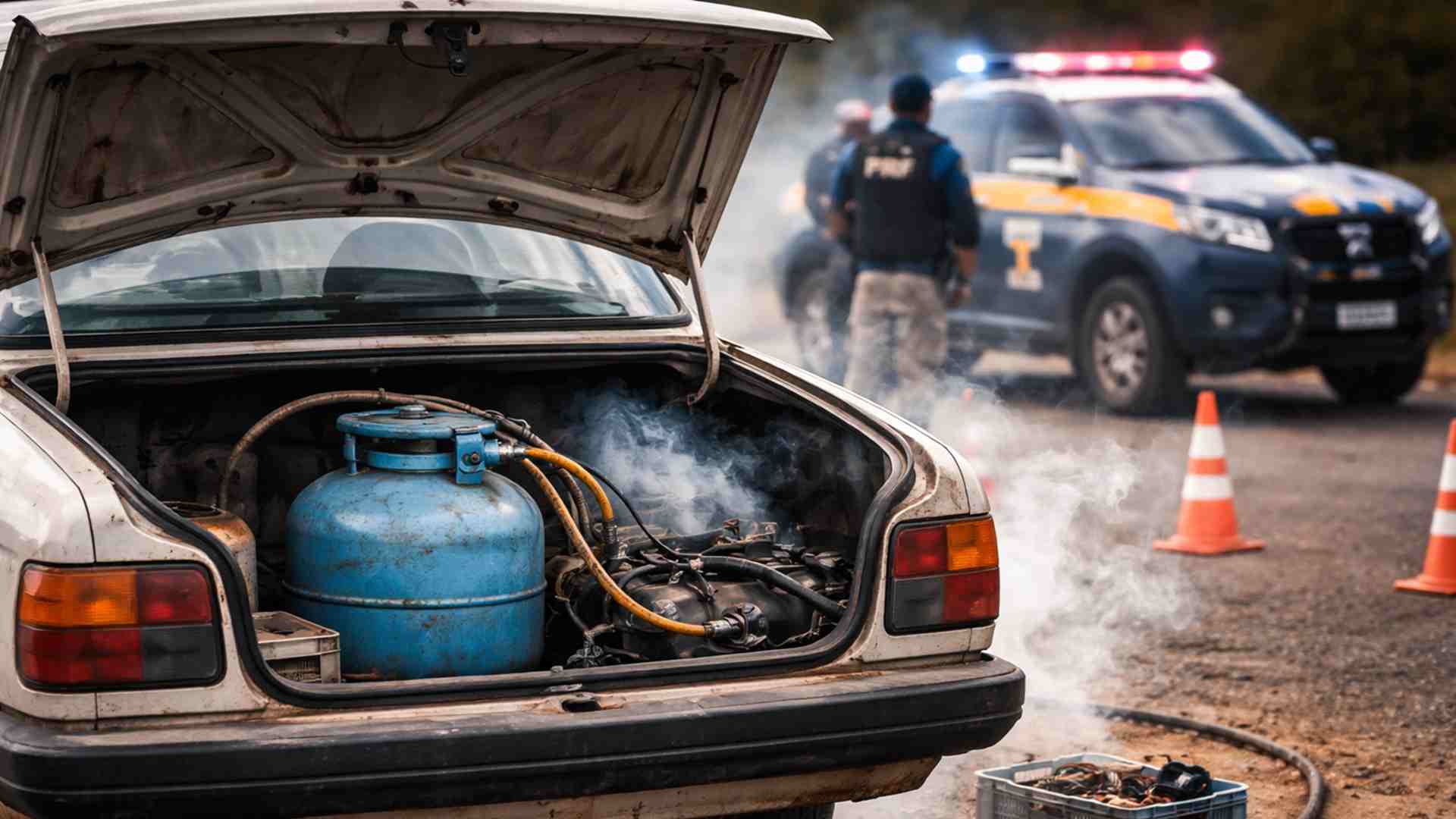
Chevette with cooking gas: How the gas cylinder ends up being used in cars clandestinely and why this makeshift solution can result in leaks, explosions, damaged engines, and seized vehicles.
-
Fiat launches the new 2027 Toro hybrid with 48V, 176 hp, an electric motor of 15.5 hp, a 0.85 kWh battery, up to 7% fuel savings, 8% fewer emissions, and possible exemption from IPVA.


Structure of the Gas Station
The structure of a gas station may seem simple. But behind the facade, there is a lot involved. The space is divided into strategic areas.
The main ones are the fueling islands, the fuel pumps, the convenience store, and complementary services.
The islands are where vehicles stop to refuel. They are positioned so that traffic flows easily.
Each island has a pump with different types of fuel. The pumps display price information, quantity dispensed, and are constantly calibrated.
The convenience store is the place where customers find various products. From soft drinks and snacks to personal hygiene items. Many stores operate 24 hours a day, enhancing convenience.
Additionally, some gas stations offer services like tire inflation, oil change, and even quick wash. All designed to make the station an efficient stop.
Underground Storage
The basis of a gas station’s operation lies in its fuel storage system. In Brazil, fuel is stored in underground tanks. These tanks are separated by type of fuel: gasoline, ethanol, and diesel, for example.
The tanks are made of corrosion-resistant materials. They are buried to prevent accidents and protect the environment.
They are monitored by sensors that detect leaks. If there is any anomaly, the system sends an immediate alert.
Gas stations also follow stringent environmental safety standards. Regular inspections are carried out to ensure there are no leaks. Employees undergo training to act in case of emergencies. Leaks and fires, for example, have well-defined protocols.
The goal is to ensure safe storage. And more: to be compliant with the law. The National Petroleum Agency (ANP) regulates these operations. Those who fail to comply may face heavy fines or even have their station shut down.
From Distributor to Pump
Another important aspect is the internal distribution of fuel. When a fuel truck delivers the fuel, it goes directly to the underground tanks. From there, movement is made by submersible pumps.
These pumps draw the fuel from the tanks and deliver it to the dispensing pumps. This journey takes place through internal piping. All of this is controlled by high-precision electronic systems.
The dispensing pumps have flow meters. They show exactly how much fuel is being delivered. These devices are calibrated regularly. The idea is to ensure that the customer pays exactly for what they are receiving.
In addition, gas stations utilize real-time monitoring. This allows tracking fuel flow, identifying failures, and quickly correcting any issues. It also helps to maintain the quality and safety of the product.
The Convenience Store
Although many think that a gas station’s profit comes solely from fuel, the convenience store plays an important role. It represents a significant portion of the establishment’s income.
These stores sell fast-moving consumer goods. Chilled beverages, snacks, cigarettes, hygiene items, and even electronics. Everything at hand, with quick service. This attracts customers who often didn’t even need to refuel their cars.
This extra traffic helps balance the station’s finances. In times of tight fuel margins, sales in the store make all the difference.
Additionally, convenience stores enhance the image of the station as a complete location. A practical support point for those on the road or just passing through the neighborhood.
Rules and Regulations
Operating a gas station requires more than just equipment. It is necessary to follow a set of strict regulations. These rules focus on safety, the environment, and product quality.
For example, there are rules for:
- Distance between tanks and buildings;
- Materials used in tanks and piping;
- Mandatory employee training;
- Mandatory safety equipment, such as extinguishers and alarms;
- Regular calibration of the pumps.
In addition, the station needs specific licenses. Both environmental and operational. Inspections are constant. The ANP, fire departments, and environmental agencies frequently conduct inspections.
The goal of these rules is simple: to ensure that the station operates safely and transparently. This protects the customer, employees, and the environment.
Sustainability
With the growing concern for the environment, gas stations are also adapting. Some have already adopted sustainable practices to reduce their environmental impact.
One of the most common actions is to offer alternative fuels, such as ethanol and biodiesel. These products emit fewer polluting gases and help reduce dependence on petroleum derivatives.
Other initiatives involve the efficient use of energy. Some stations use LED bulbs, automated systems to turn off pumps when not in use, and preventive maintenance to avoid waste.
The reuse of water is also present in many establishments. The water used in car washes, for example, can be treated and reused.
These actions show that it is possible to combine convenience with responsibility. A gas station can indeed contribute to a cleaner future.
Safety
Safety at gas stations is taken very seriously. This is because the risk of accidents involving fuels is real. Therefore, stations invest in preventive measures and constant training.
Some of the main precautions include:
- Leak detection systems;
- Employee training in first aid and fire fighting;
- Safety equipment, such as extinguishers and emergency kits;
- Proper signage to guide customers;
- Strict control when receiving fuel.
Employees know how to act in case of an emergency. If there is a leak, for example, they follow a specific protocol. This helps avoid further damage.
Furthermore, there are rules prohibiting the use of cell phones in the fueling area and requiring that the car engine be turned off during the process. All of this is part of the safety routine.
Knowing how a gas station works helps us become more conscious consumers. By understanding the processes, we come to value more the structure and care involved.
It is also a way to stay alert to irregularities. An informed customer knows how to recognize quality service. They know that a good station follows regulations, keeps equipment in order, and cares for the environment.
This not only increases trust but also encourages establishments to maintain high standards.









Seja o primeiro a reagir!