





 Portuguese
  English
  Spanish
  3 min of reading
  8 comments


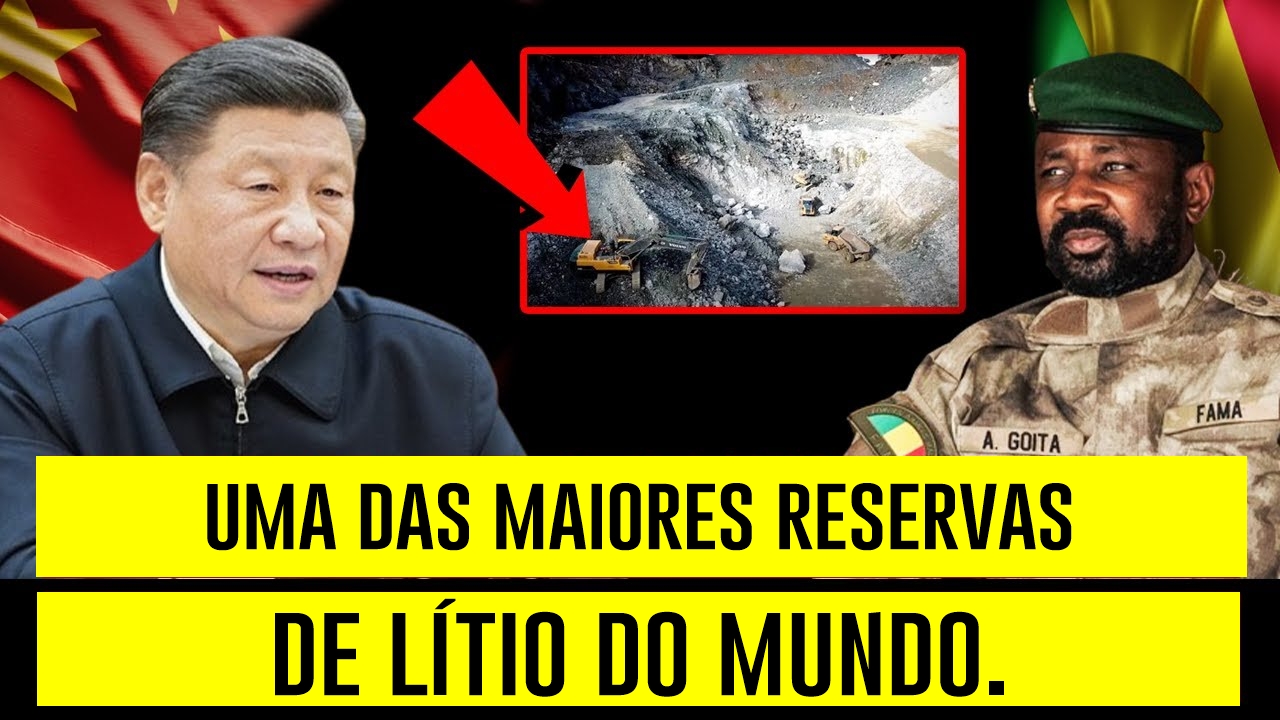


China Plans to Extract Up to 1 Million Tons of Lithium from a Small African Country, Enough to Manufacture Millions of Batteries for Electric Vehicles.
The largest lithium producer in China, Ganfeng Lithium, has launched the first phase of the Goulamina lithium mining project in Mali. Located in the Bougouni region, in the south of the country, the project was officially inaugurated in mid-December, according to Chinese media sources.
With an initial production target of 506,000 tons per year, the venture aims to double its capacity to 1 million tons in the second phase.
An electric car actually requires only a small amount of lithium to operate. A 300 kg battery, with a capacity of 50 kWh, typical of a mid-range model, contains approximately 8 kg of this lightweight metal.
-
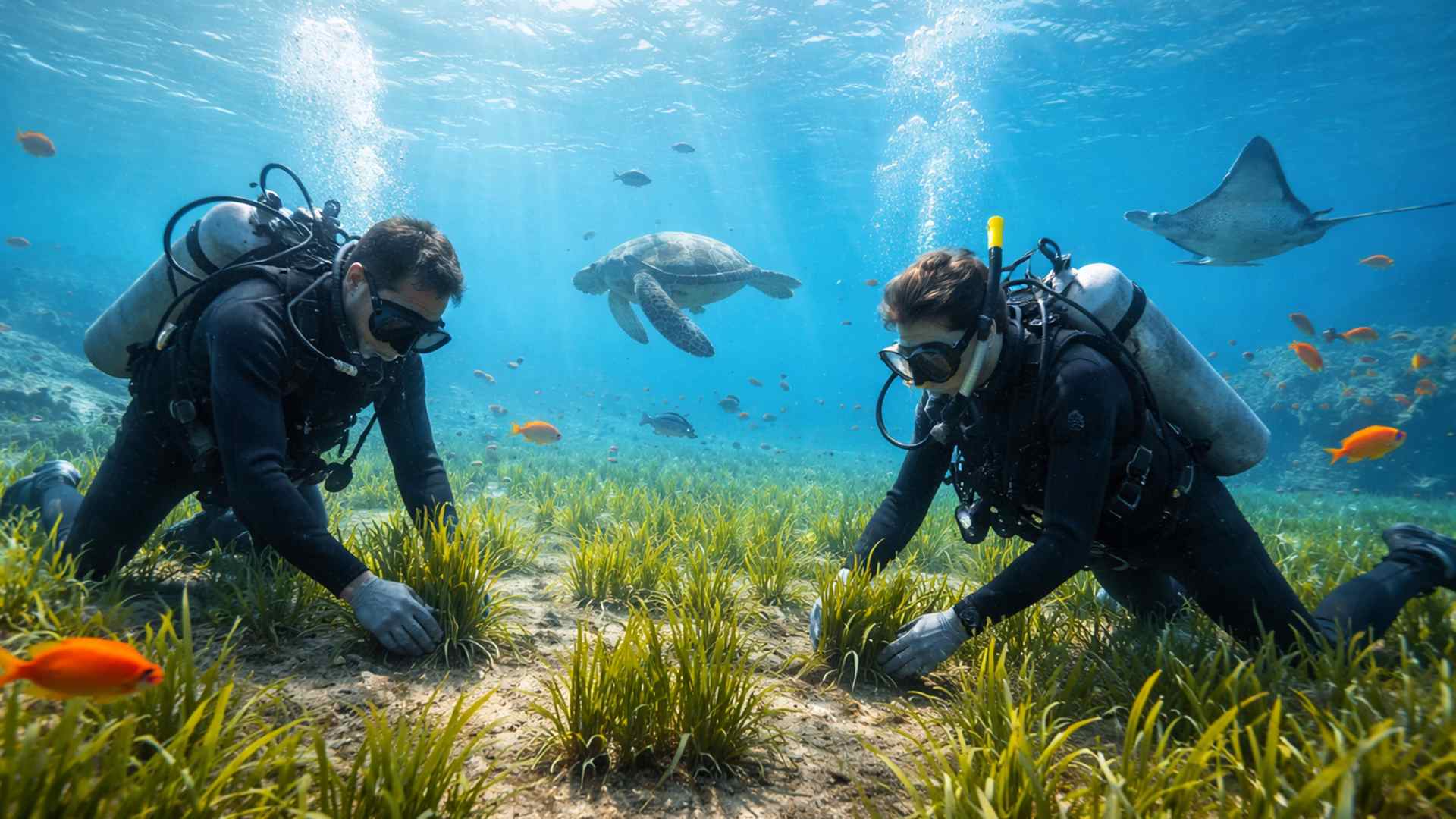
Scientists restore seagrass meadows in the open sea.
-
Scientists find about 1 million giant live eggs hatching in an active underwater volcano, discover a natural furnace on the ocean floor, and reveal one of the most unlikely nurseries ever seen in the ocean.
-
Scientists launched a bait camera to the bottom of the Pacific Ocean and saw something that no one expected.
-
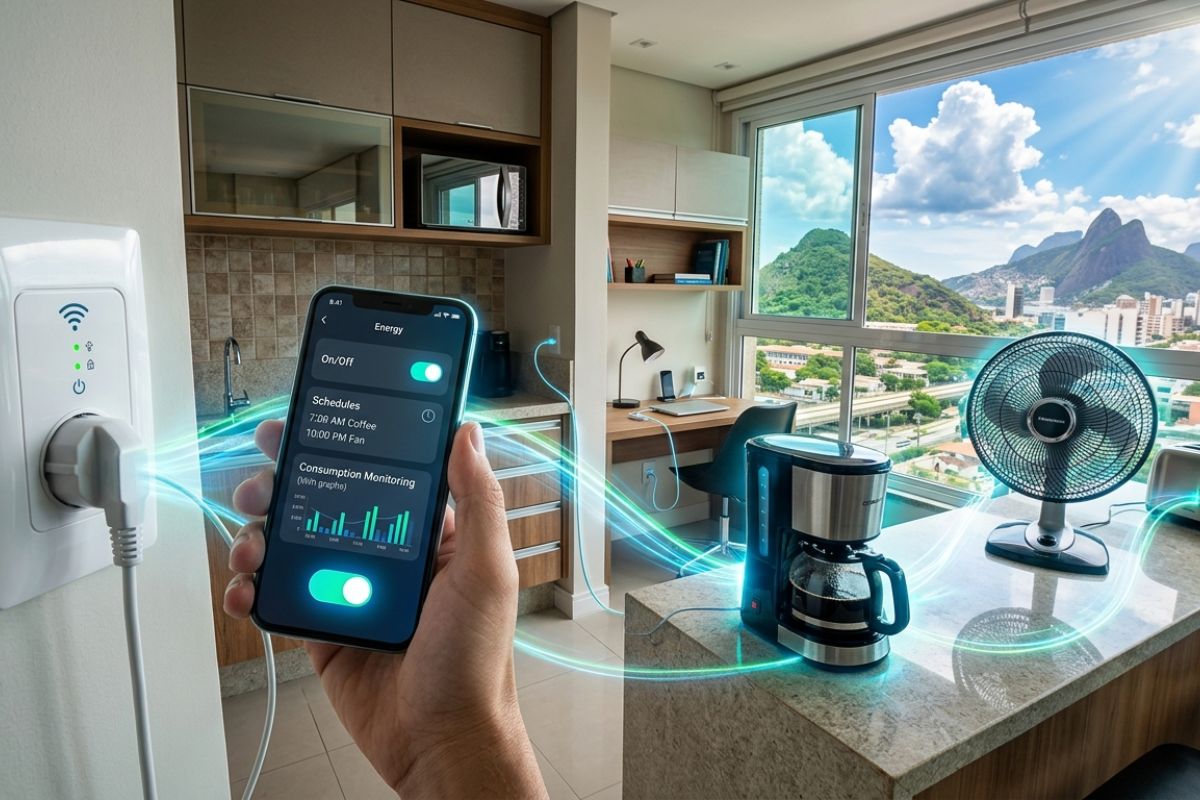
Is a smart plug worth it in a regular home? What does it offer: turns on and off via smartphone, creates routines by schedule, prevents forgotten devices, sometimes monitors consumption, and improves habits without renovation or miracles.

This mine is considered one of the largest unexplored hard rock lithium reserves in the world, according to Leo Lithium, an Australian company that initially held the project.

Overcoming Market and Security Challenges
The project’s advancement occurs in a context of significant challenges. Mali faces serious security issues due to internal and regional conflicts, in addition to dealing with a newly implemented strict mining code.
Despite this, Ganfeng’s bet on the location reflects its strategy to strengthen the supply chain amid the growing global demand for electric vehicle (EV) batteries.
In the international market, the sector is also facing a drop in lithium prices due to an oversupply.
To navigate the situation, Ganfeng entered into a US$ 342.7 million agreement in May, increasing its stake in the Goulamina project and consolidating its strategic position in the market.
Global Expansion and China’s Dominant Position
China leads the global electric vehicle market, accounting for about 60% of worldwide battery-powered car deliveries.
Additionally, the country is the largest producer of EV batteries, representing 77% of global production, with exports exceeding US$ 139 billion in 2023.
Ganfeng Lithium, based in Xinyu, Jiangxi Province, had previously acquired a 40% stake in Mali Lithium, the Australian company responsible for the project, with the possibility of total purchase.
Now, the government of Mali also plans to secure 35% of the project, with 10% obtained for free and 25% purchased. Thus, Ganfeng will hold 65%, while Mali will retain the remainder.
Technical Details and Economic Outlook
The project is located approximately 150 kilometers south of Bamako, the capital of Mali. It is estimated that the mine will operate for more than 23 years, producing around 15.6 million tons of spodumene concentrate in that period.
The new licensing covers an area of 100 km², equivalent to one-tenth the size of Hong Kong.
Experts point out that expanding the project is crucial to increasing Ganfeng’s self-sufficiency in input materials, which is expected to rise from 40% to 70%.
This could help reverse shrinking profit margins and strengthen the supply chain, ensuring greater financial stability for the company in the future.
The Future of Sustainability in Lithium
Although the project represents a significant advancement, studies warn of a potential lithium shortage in the near future.
A report from Nanjing University in China predicts that the current supply may be depleted by 2029, driven by the high demand for EVs and renewable energy technologies.
Traditional extraction methods, such as hard rock and brine mining, are energy-intensive, cause greenhouse gas emissions, and result in severe environmental impacts. As an alternative, researchers are developing technologies to explore less conventional sources, such as salt lakes, seawater, and sedimentary deposits.
Among the promising options are low-grade brines, common in salt lakes and geothermal fluids. However, extracting from these sources is challenging due to the high ratios of magnesium to lithium, as well as the low content of the mineral.
The race for sustainable solutions is vital not only to meet the growing demand but also to mitigate the environmental impacts of lithium extraction.
Ganfeng’s advancement in Mali illustrates how large companies are positioning themselves to balance the economic, technical, and environmental challenges of the sector.





Pequeno país???????
Tem ideia (fácil consultar…a dimensão em kms2 deste país “pequeno”? …e as riquezas).
Se fosse dito algo como de muita insegurança, de milhões de pessoas sem meios, de crise multiforme, de passado de exploração colonial da qual se tenta virar a página…estaríamos a falar do Mali.
Atrocidade a apelação.
Cumprimentos,
Dr JCG. Portugal/Mali.
Chamar de “pequeno país” ao Mali, que ocupa o 26º lugar na lista dos maiores países do mundo em termos de superfície territorial, é, no mínimo, uma demonstração de ingenuidade. Esta classificação, baseada em dados concretos, reflete a vasta extensão de território que o Mali possui, o que o posiciona como um dos maiores países do continente africano e, por consequência, do mundo. Reduzir essa realidade a uma expressão simplista, como “pequeno”, revela não apenas uma falta de conhecimento sobre geografia básica, mas também uma visão distorcida ou superficial do contexto global. Talvez se trate de um descuido, mas, se não for, estamos diante de um exemplo claro de ignorância que subestima a importância e a dimensão do Mali no panorama internacional.
O maior problema é que esses negócios não se reflecte no seio económico e social da população maliana.
Jura?? Pensei que fosse um problema do ocidente mauzinho e maltratador dos desfavorecidos. Os chineses é que são justos e não exploram ninguém.
Distribuir essa riqueza é uma tarefa do povo do Mali e e seu governo, a China não governa o Mali.
Praticaram trabalho escravo 9 na Bahia. Foi fechado a construção da BYD por escravidão
Se você fosse sério, procuraria informar-se primeiro, depois viria aqui comentar a respeito deste caso, que na verdade, não deve ser colocado na conta dos chineses.
Os contratados, irregularmente, são de responsabilidade de uma empresa terceirizada, contratada pela BYD para a ampliação da referida montadora chinesa, no estado da Bahia.
Esse é um problema do povo do Mali, os chineses propuseram bases negociais melhores que os australianos, cabe ao governo fazer essa riqueza gerar desenvolvimento social.
Se gastarem errado ou deixarem oligarquias locais ficarem com tudo a culpa é deles.