





 Portuguese
  English
  Spanish
  3 min of reading
  0 comments


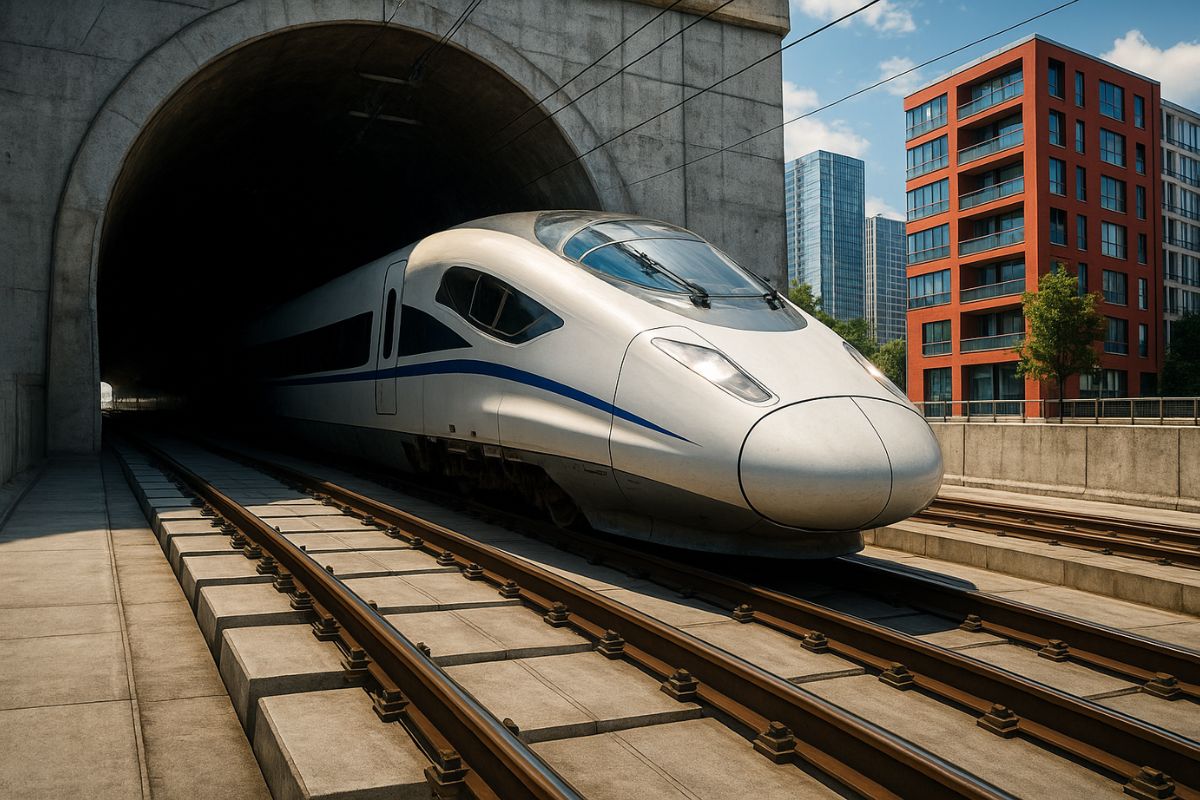
Slab Track System Consolidates As A Modern, Stable, And Durable Alternative For High-Speed Railways
The construction of ballastless tracks is transforming global railway infrastructure, with concrete slabs replacing traditional stone ballast. Known as Slab Track System, this model emerged in Japan in the 1970s and has spread to Europe, China, and other countries with high-speed networks.
The system employs reinforced concrete slabs over rigid bases, eliminating rail displacement, reducing vibration, and dramatically decreasing maintenance needs. With over 40,000 kilometers installed just in China, Slab Track has become standard in tunnels, viaducts, and urban areas.
How Does Ballastless Track Construction Work?
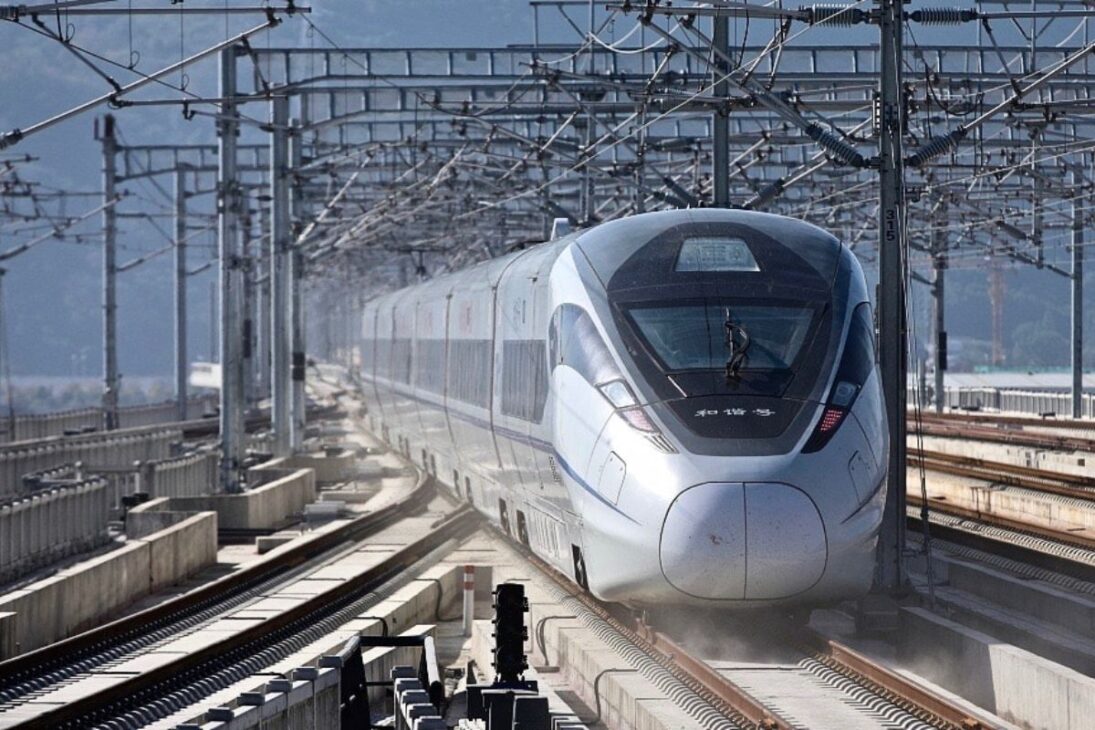
Unlike traditional ballast track, the Slab Track System uses cast-in-place or precast concrete slabs. These slabs rest on a cemented base, with an elastic layer that ensures impact absorption, thermal stability, and less wear on tracks and wheels.
-
Scientists transform sawdust into fire-resistant panels, stabilize the compound with an enzyme extracted from watermelon seeds, and turn waste into promising material for construction.

-
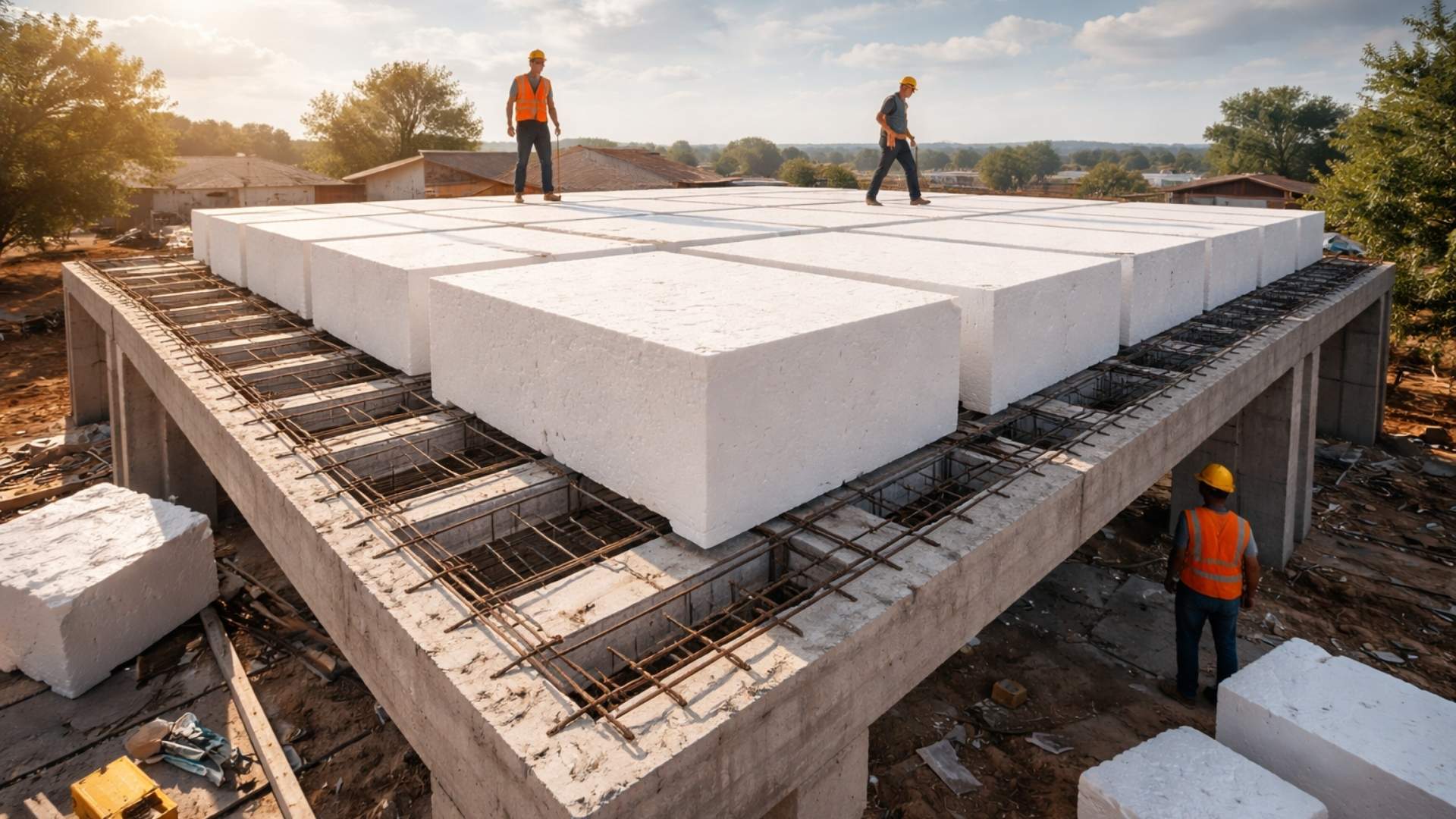
Forget concrete: architects are replacing tons of concrete with giant blocks of expanded polystyrene to build the roofs of houses and reduce structural weight by up to 50%, cut costs, improve thermal insulation, and speed up construction.
-
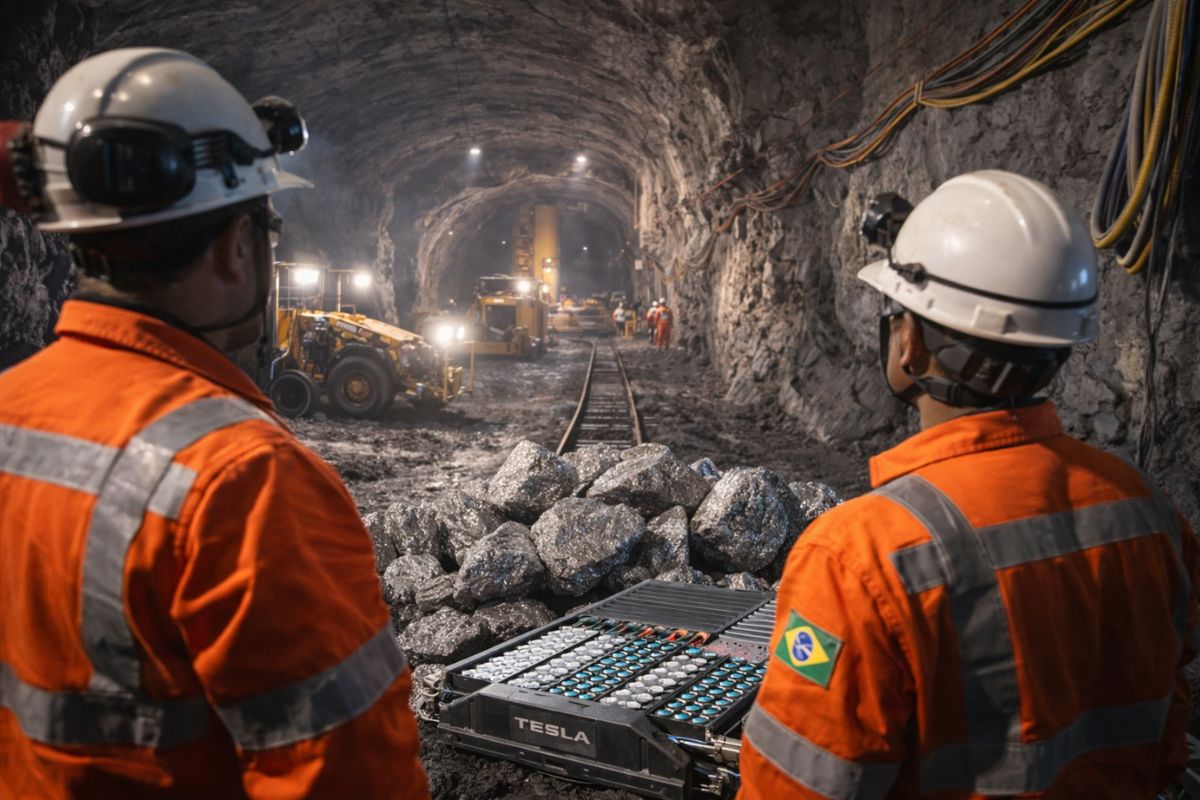
The Brazilian state enters the center of the global race for critical minerals by starting the construction of the largest underground nickel mine in Latin America, a mineral essential for electric car batteries that the entire world is competing for at this moment.
-
New CCR concrete paving technology promises roads up to 3x more durable, less maintenance, and cost reduction in Brazil.
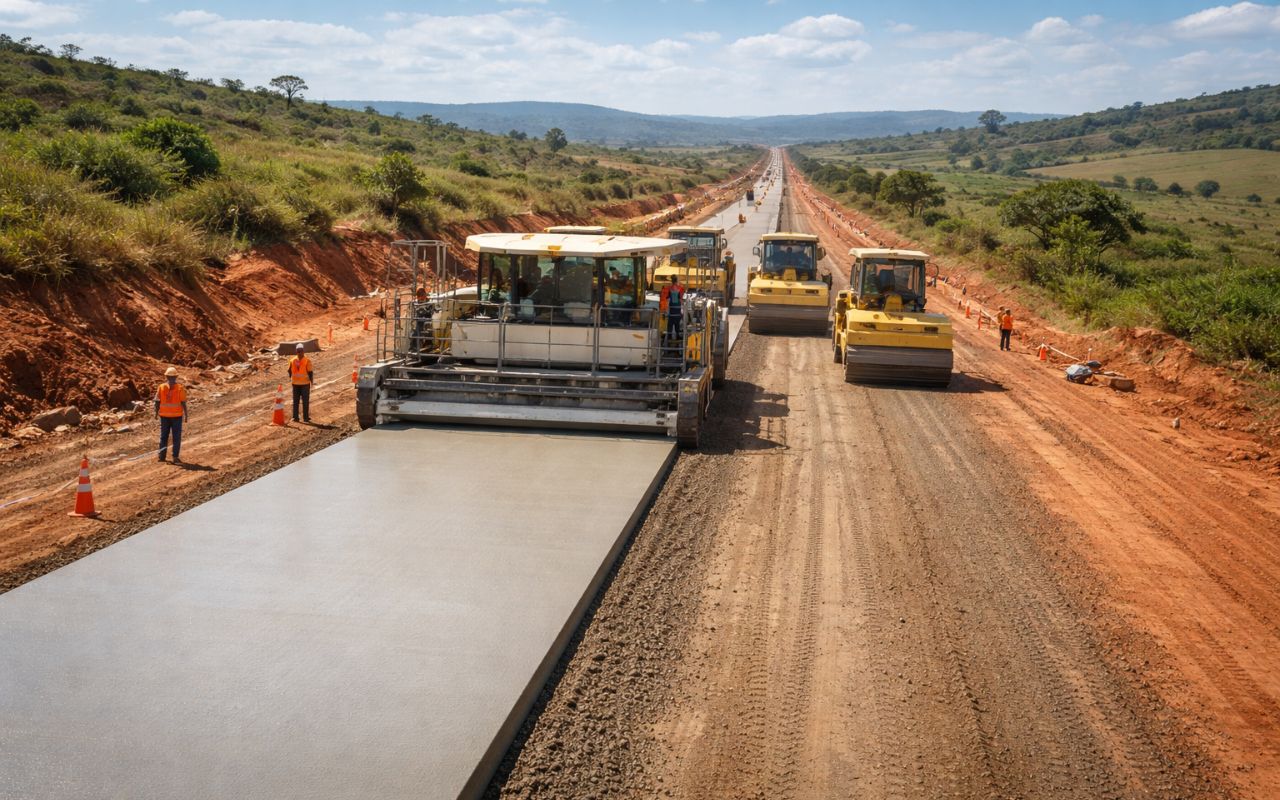

The slabs typically measure between 2.3m and 6.5m in length, with an average thickness of 160 mm. Expansion joints are applied between them for thermal variations and drainage. In many cases, the system allows the installation of cables beneath the track, optimizing space and accessibility.
What Are The Main Benefits Of Slab Track?
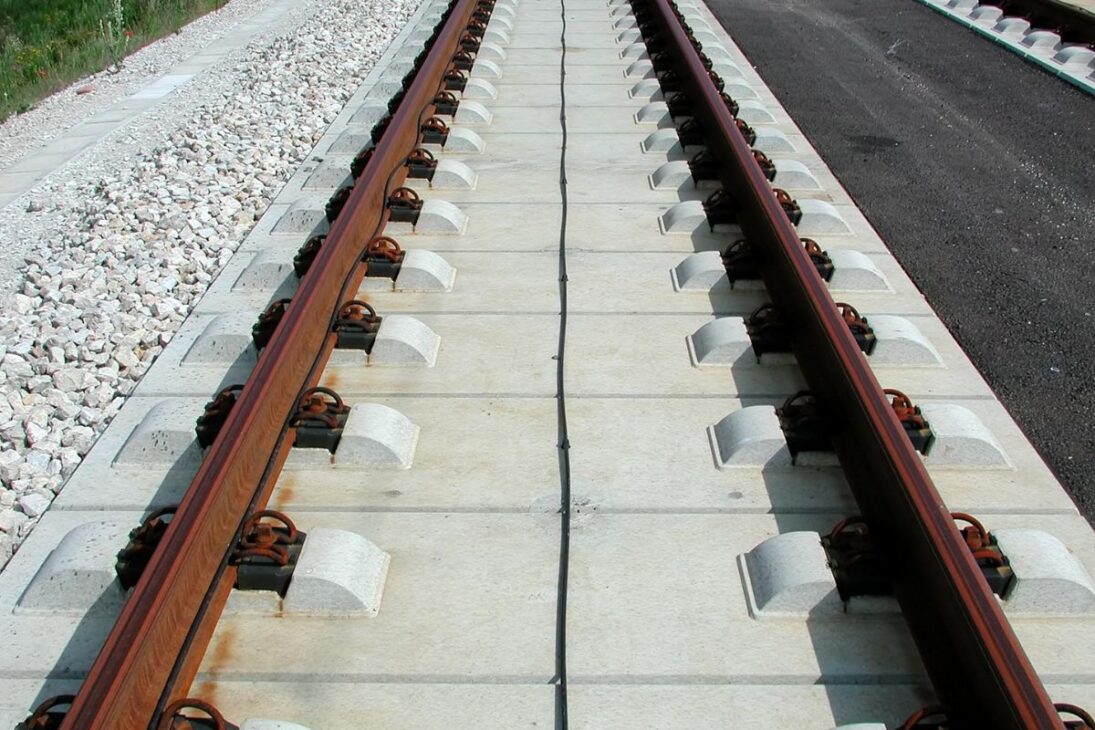
Construction of ballastless tracks offers nearly zero maintenance for decades. This reduces operational costs over a lifespan that can exceed 60 years. Another positive aspect is the high precision of rail alignment, ideal for trains reaching speeds over 300 km/h.
Furthermore, the absence of stones eliminates the risk of “ballast flight,” when stones are thrown by airflow at high-speed trains. Noise reduction, less vibration, and a more stable structure make the model especially effective in urban areas and narrow tunnels, where there is less space for excavation.
Where Is Slab Track Already Successfully Used?
The system was first implemented in Japan on the Shinkansen lines and has expanded to Germany, Austria, China, and the United Kingdom. Three major technologies stand out:
Slab Track Austria (ÖBB–PORR): precast, with 782 km installed in Europe by 2018.
FFB Bögl (Germany): larger slabs with mechanical adjustment, exported to China and used on lines such as Beijing–Shanghai.
CRTS (China): a national version with over 40,000 km of ballastless track in operation by 2025.
These solutions are applied in passenger lines as well as in urban and heavy freight networks.
What Are The Challenges And Perspectives?
Despite its long durability, the initial cost of Slab Track is high. However, the investment pays off with lower maintenance and superior stability. Issues such as thermal cracking are mitigated with expansive concrete and elastic joints.
The expectation is for accelerated expansion in Asia and Europe. By 2025, almost half of the global market for new railways will adopt ballastless tracks. Research continues to develop sustainable materials and remote monitoring systems to prevent structural failures.
Do you think Brazil should invest in the construction of ballastless tracks to improve railway infrastructure?









Seja o primeiro a reagir!