





 Portuguese
  English
  Spanish
 2 min of reading


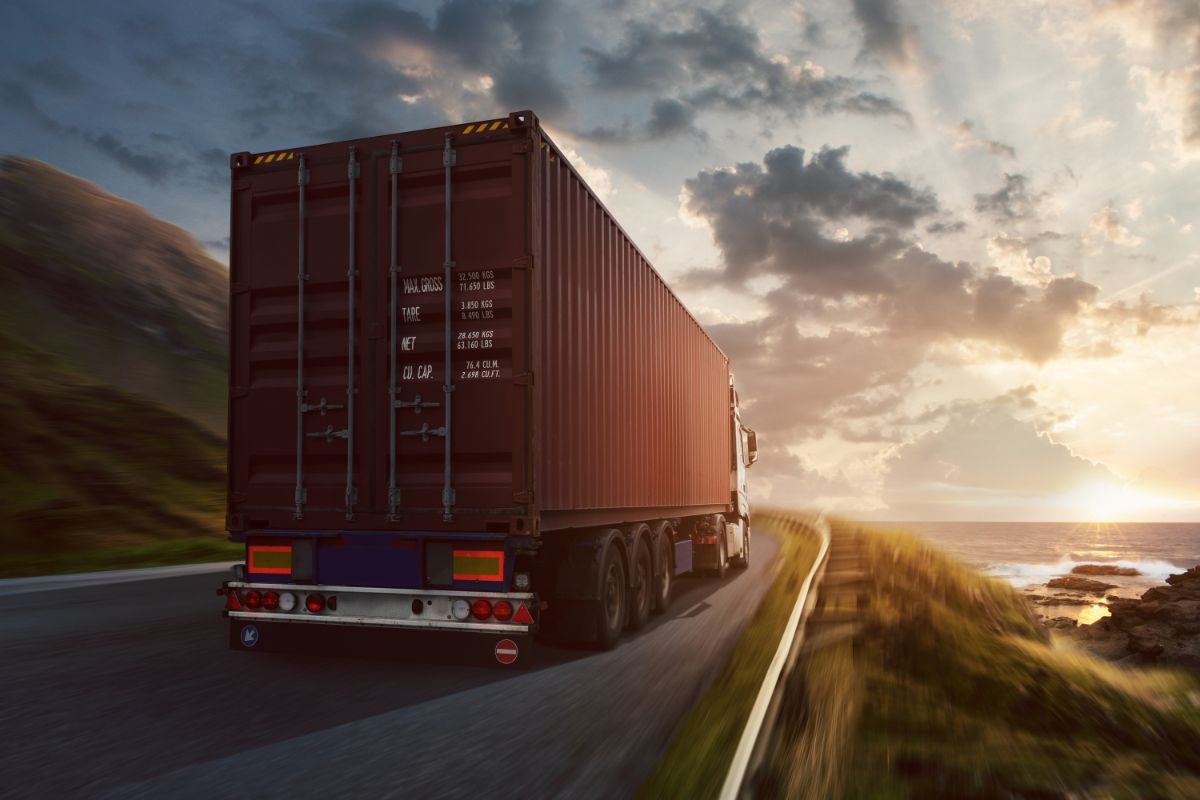
Artificial Intelligence, Replacing Human Labor, Is No Longer News to Anyone. However, Robotic Truck Drivers Have Been Keeping Many Economists Awake at Night. Until a Few Years Ago, No One Would Have Said Electric Vehicles Could Reach Such a Level.
Road transport is believed to be one of the most affected by the replacement of humans by AI, due to high turnover rates, life risks, and being considered a highly complex activity. As a result, autonomous trucks have become a tremendous object of technical innovation and investment.
Fenatran 2022 – Autonomous Truck
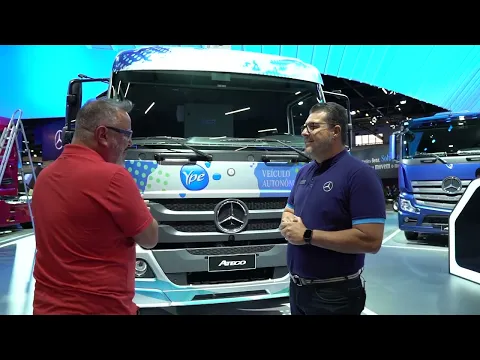

Even though insecurity is high, robotic truck drivers are still far from being a reality. Contrary to what many think, the replacement could occur gradually, as many truck driver activities are more difficult to automate, such as vehicle maintenance, load protection, etc. In an optimistic view of the future, humans and machines will work together.
-
Less than a Tera TSI, up to 710 km of range and charging in 9 minutes: the new BYD Song Ultra expands the Chinese brand’s bet on increasingly faster, more technological, and competitively priced electric SUVs.

-
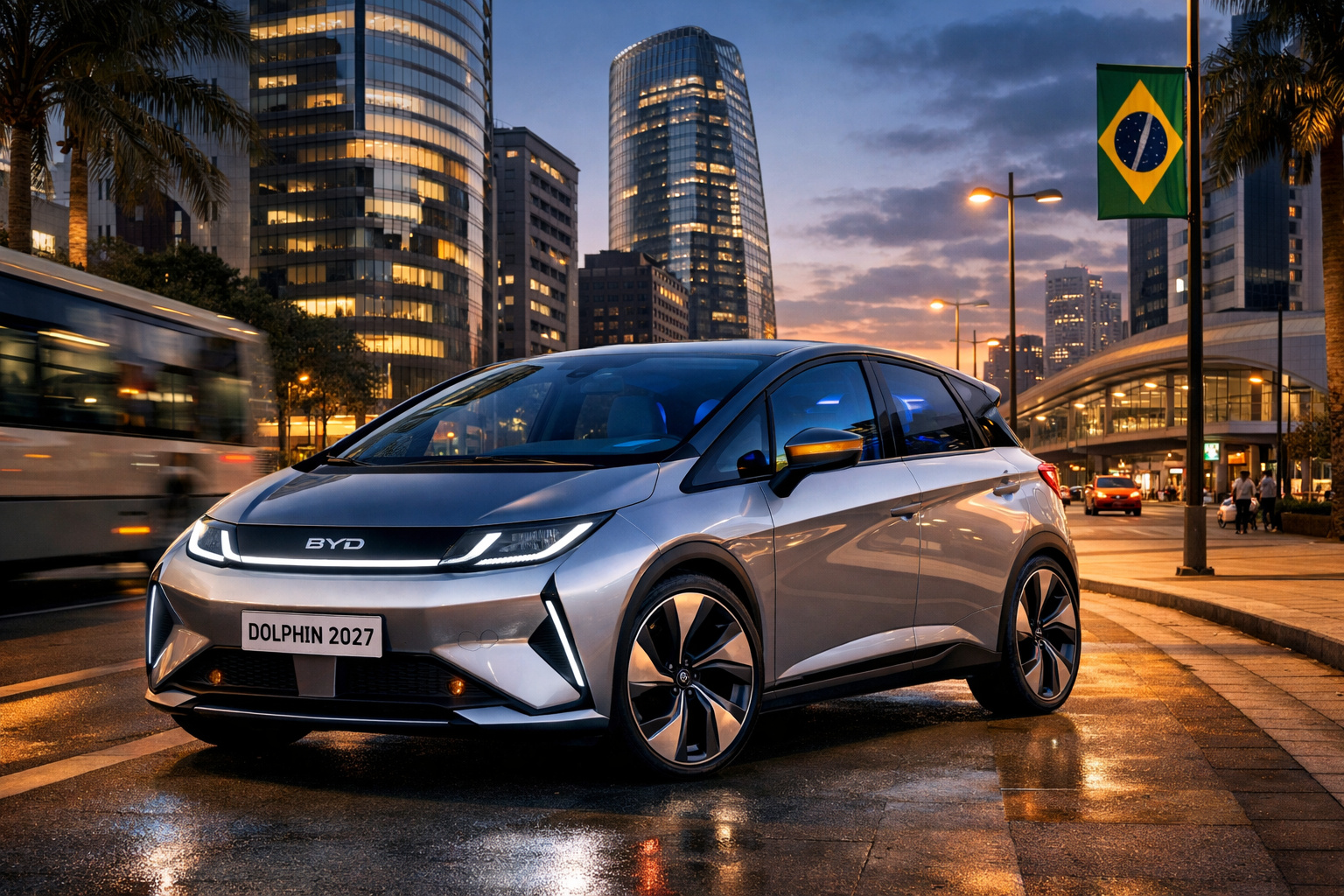
BYD Dolphin 2027 gains more power, increases in size, changes interior, and abandons controversial feature to face new competition in Brazil.
-
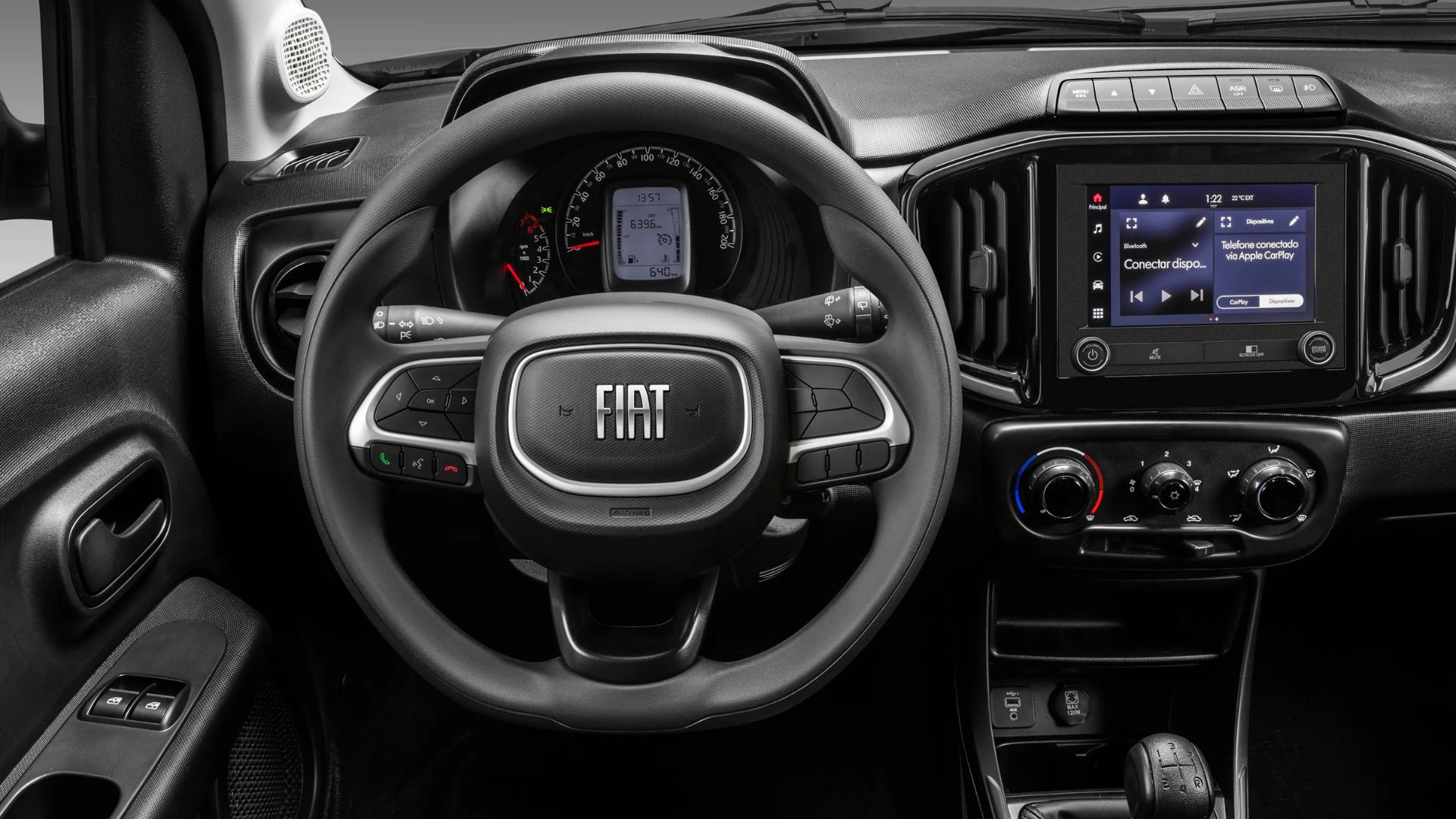
With a 1.0 engine producing 75 hp and costing less than R$ 70,000, Fiat’s car returns to the podium as the cheapest in the country; a temporary promotion for the 2026 Like version reduces the price of the Fiat Mobi.
-
With a mild hybrid system of 48 V, 176 hp and a price of R$ 175,990 in the Sahara version, the new Jeep Renegade changes mostly on the inside, improves slightly in fuel consumption, and remains almost the same car.

What would a robotic truck driver mean for the truck driver? In theory, the truck would handle most of the driving under good conditions. This is the promise of all the engineers behind autonomous vehicle technology.
But the insecurity at this point is still significant, as in moments of risk, such as collision or sudden braking, the time window is very short. There is evidence that the automation of some aspects of driving has led to a high rate of near collisions in critical events compared to manual driving.
Still considering a collaboration between humans and robotic truck drivers, it is natural to divide the work in road transport. Robotic truck drivers cover long distances on more consistent roads, while human truck drivers operate delivery trucks, for example, within cities.
It is not a viable model yet, but some autonomous vehicle technology companies understand that the challenges of human/machine coordination, at the current levels of semi-autonomy, are so difficult and intractable that they are trying to “skip” this stage, focusing their attention on developing vehicles that can navigate without human involvement.








Seja o primeiro a reagir!