





 Portuguese
  English
  Spanish
  3 min of reading
  0 comments


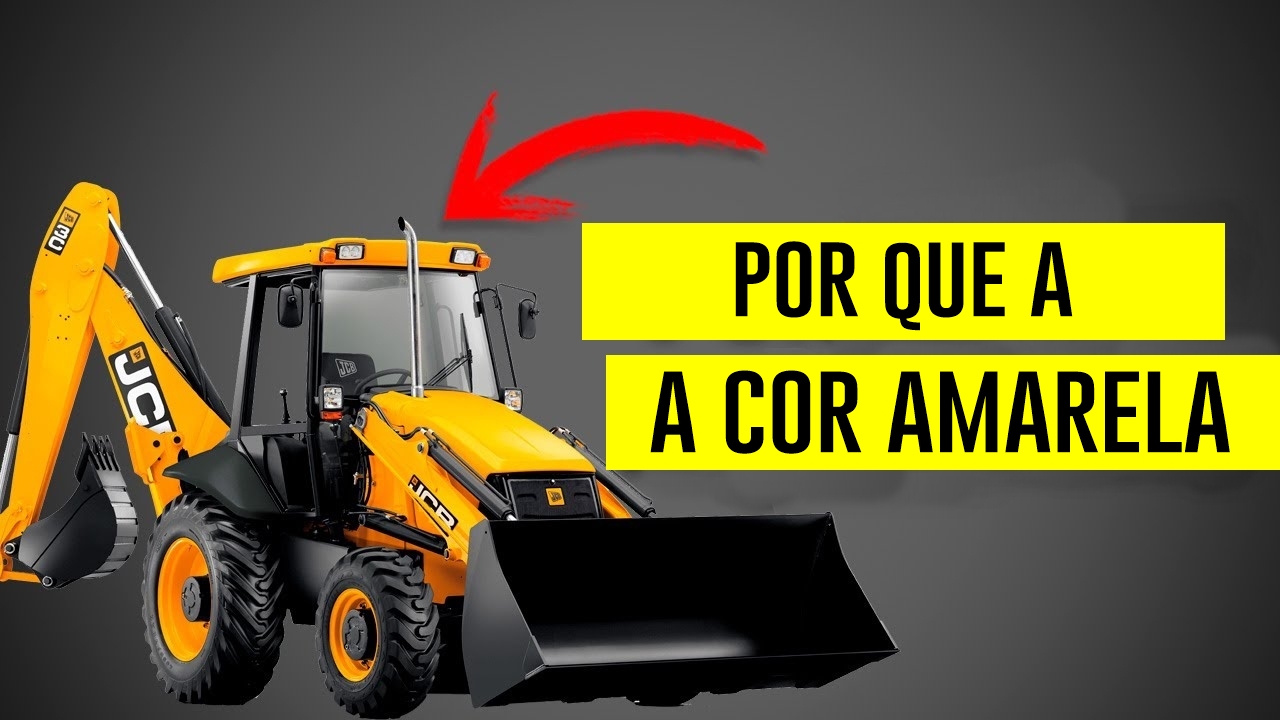
Have You Ever Wondered Why Almost All Construction Machines Are Yellow? This Color Has an Important and Strategic Reason
In the world of construction machines, one characteristic stands out immediately: the color yellow. If you’ve ever passed by a construction site or observed heavy equipment in operation, you’ve probably noticed that the vast majority of these machines follow this color scheme.
But why is this color so predominant? The answer involves issues of safety, visibility, brand identity, and even psychology.
Visibility and Safety
Safety is one of the main reasons for using the color yellow in construction machines. In work environments with low visibility, such as construction sites covered in dust or under low lighting, yellow stands out naturally.
-
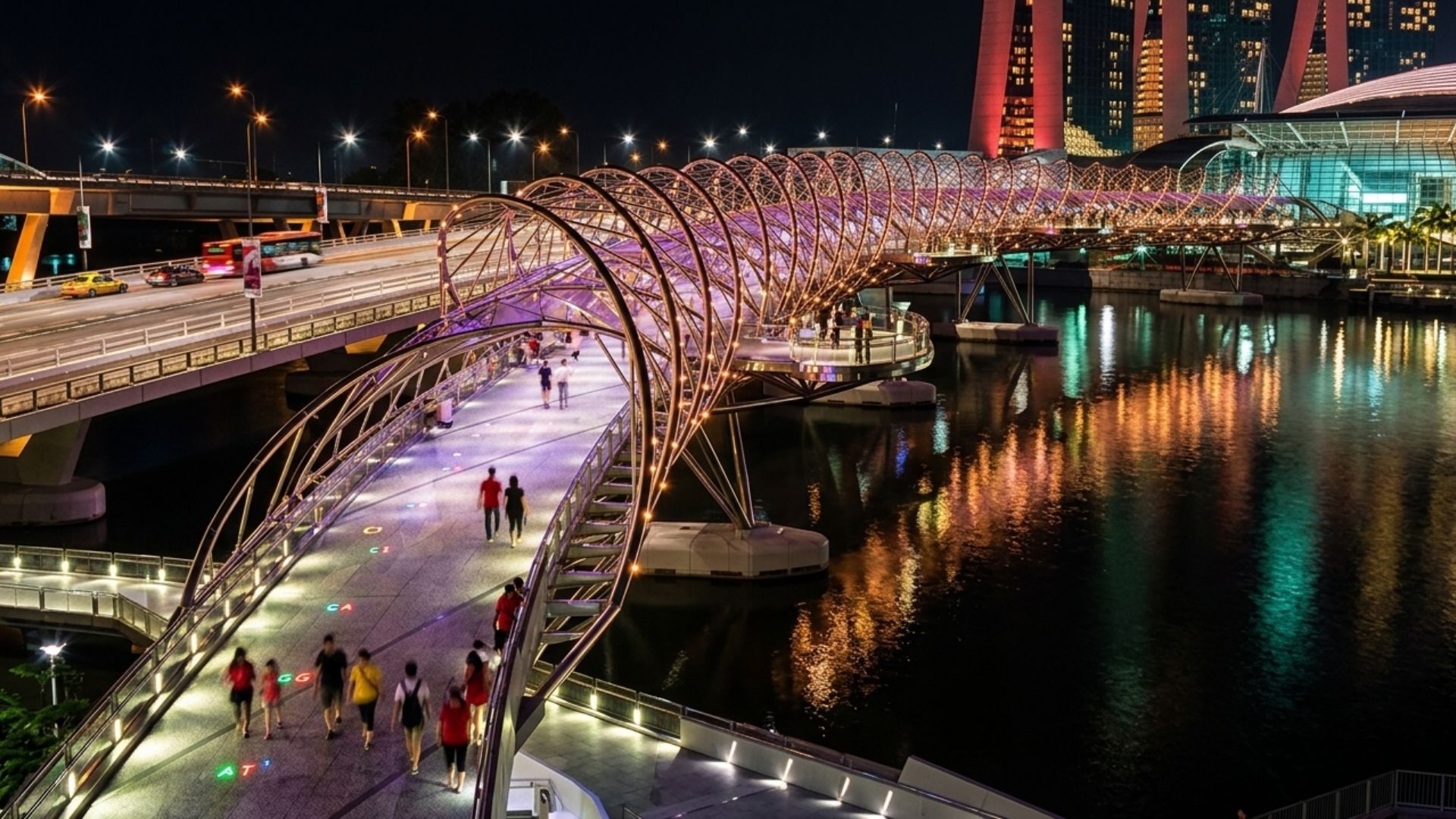
With a DNA shape, this bridge in Singapore draws attention in modern architecture and surprises tourists by transforming a simple crossing into an unforgettable visual experience in the urban heart.
-
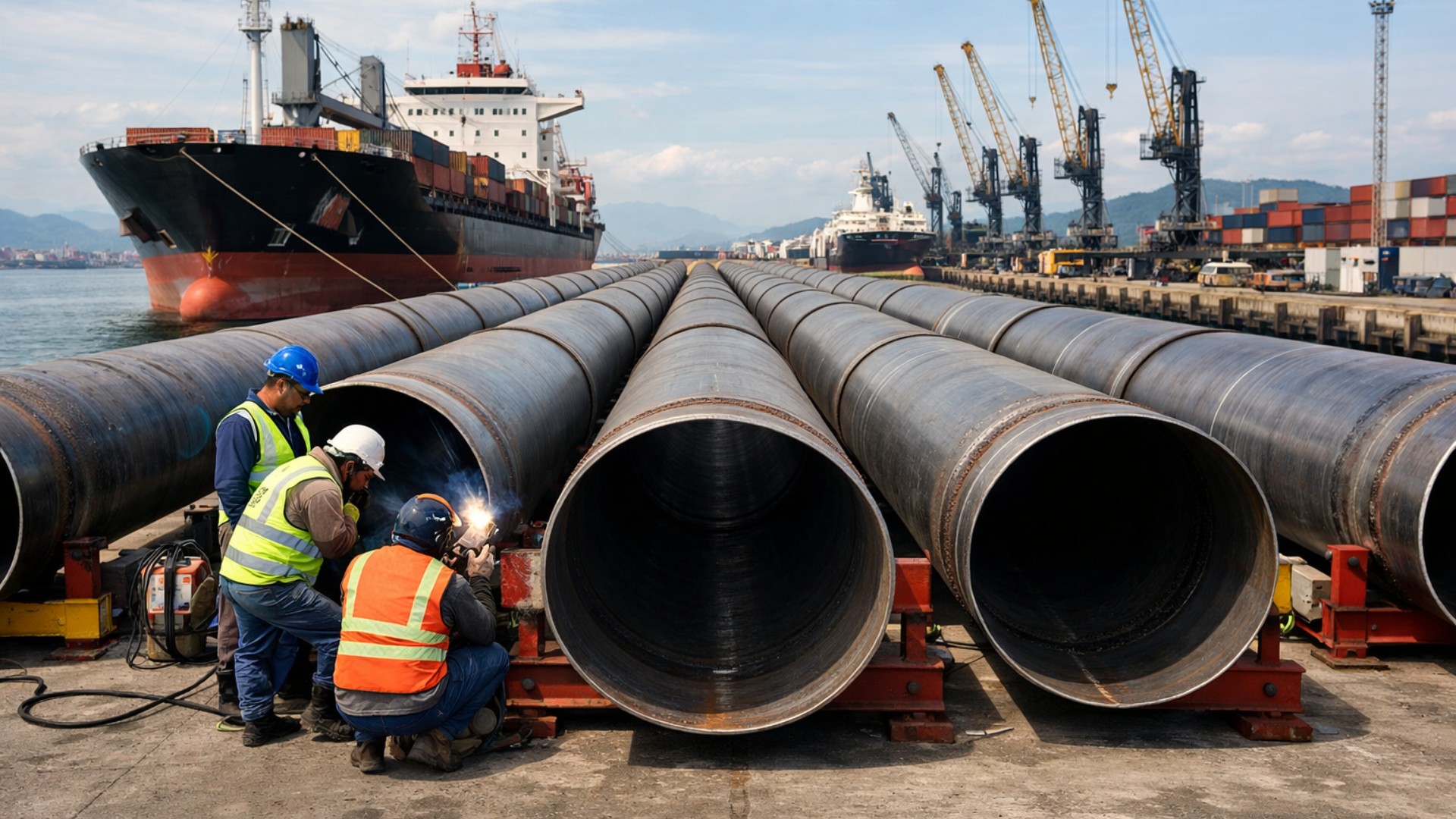
Giant underwater pipeline begins to take shape with a R$ 134.7 million project at the Port of Santos: the 1.7 km structure uses 12-meter and 700 mm pipes to supply water to 450,000 people in Guarujá.
-
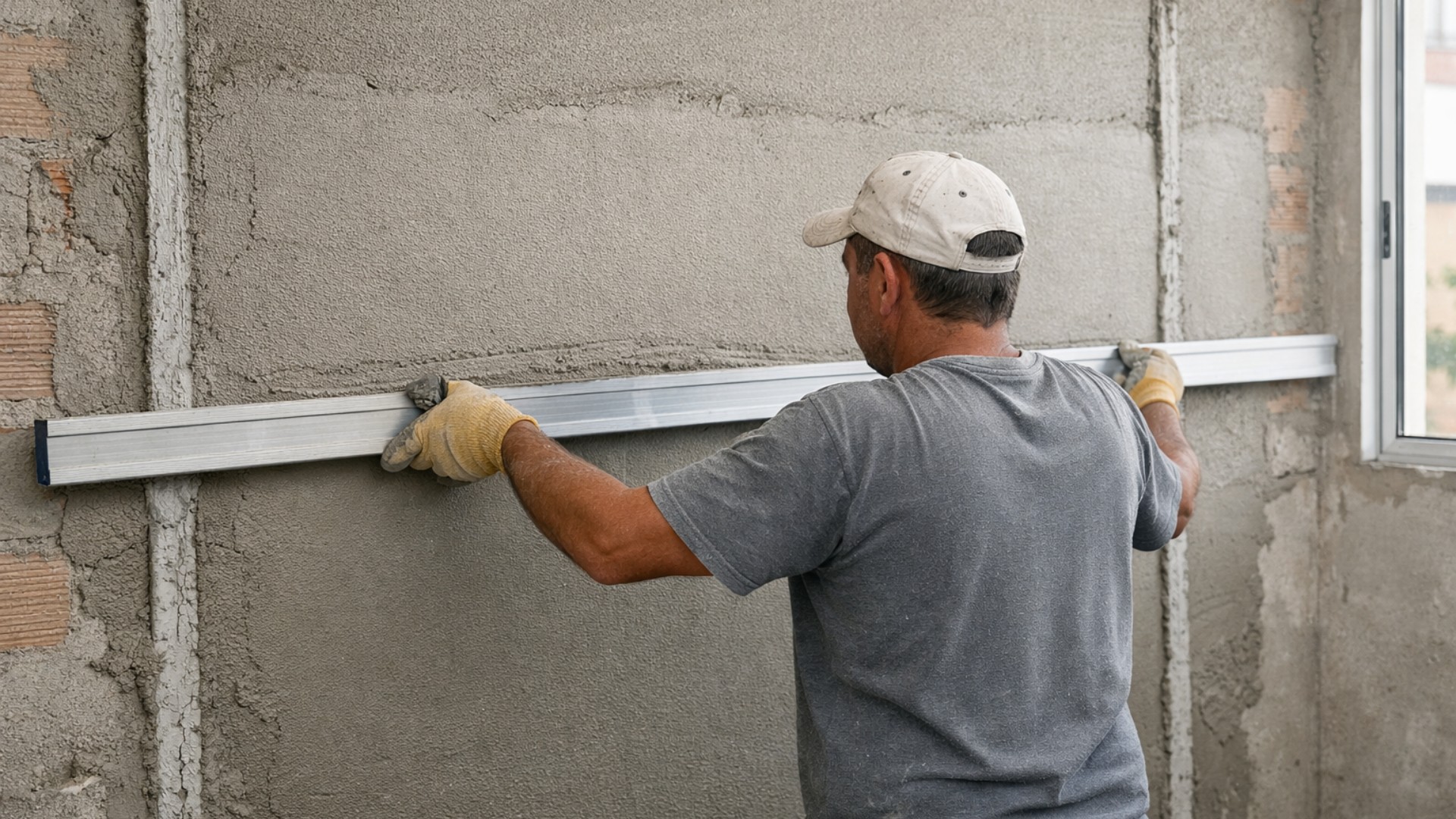
A mason reveals a professional plastering technique that uses aligned guides and a 3-meter ruler to plaster an entire wall in up to 3 hours, without visible seams, with uniform thickness, perfect plumb, and a finish ready for painting without rework.
-
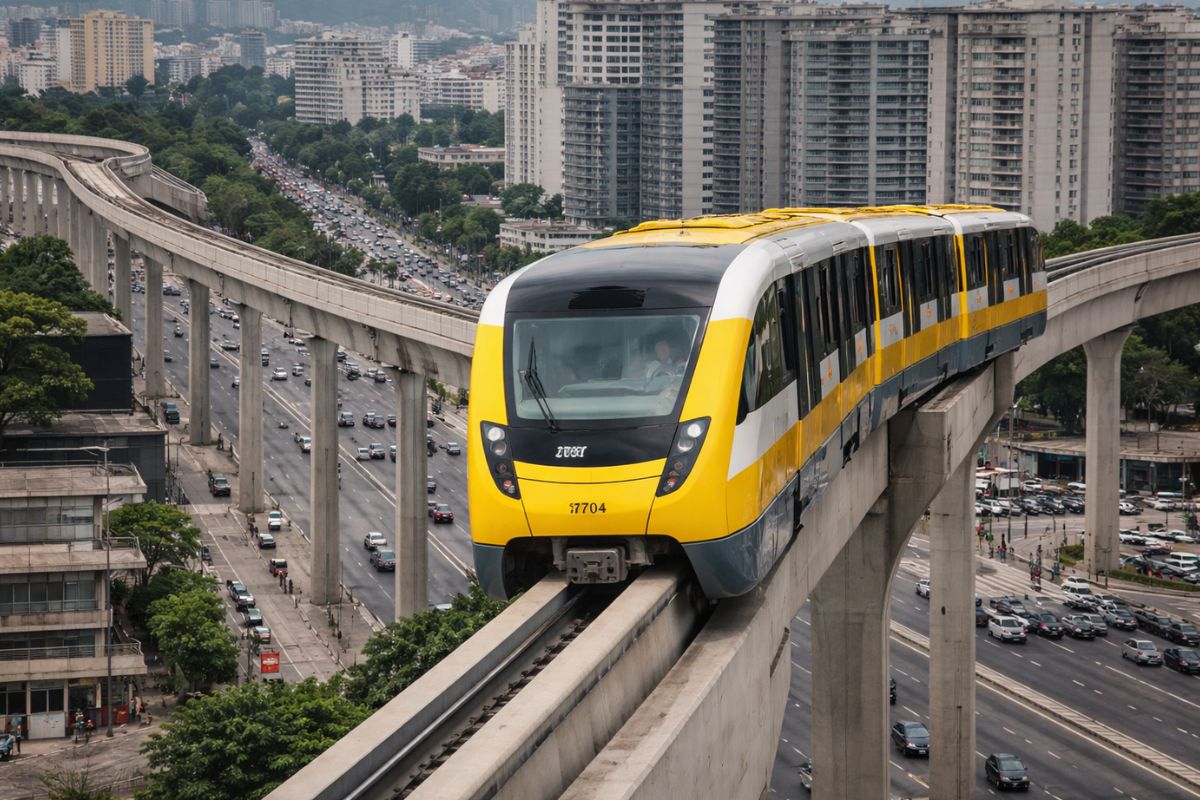
The project that was supposed to be ready for the 2014 World Cup in Brazil debuted with a 12-year delay and nearly R$ 6 billion invested: the Line 17-Gold of the São Paulo monorail opened with reduced hours and is only expected to operate fully in October.

The human eye is especially sensitive to this color, making it an ideal choice to avoid accidents. The same principle applies to Personal Protective Equipment (PPE), such as helmets and safety vests, which often follow the same color scheme.
The Role of Caterpillar and the Pioneering of the Color
The widespread adoption of yellow in construction machines is heavily influenced by Caterpillar, one of the largest manufacturers of this type of equipment in the world.
In the early 20th century, their machines were painted gray, a color commonly used for military applications. However, aiming for greater safety and visibility, the company decided in 1931 to standardize its equipment in the shade known as “Hi-Way Yellow“.

This movement not only increased safety on construction sites but also helped solidify the brand’s identity. Over time, other companies followed this pattern, making yellow synonymous with heavy machines. In 1979, Caterpillar adjusted the shade to a softer tone, called “Caterpillar Yellow”, which became a trademark of the company.
Cultural Influence and Psychological Perception
In addition to practical aspects, the color yellow has established itself in the industry due to cultural and psychological influences.
Since childhood, many children are introduced to toys that mimic construction machines, and almost all of these models are yellow.
This conditioning creates an effect of “selective perception”: we tend to notice yellow machines more easily and directly associate them with construction.
Moreover, the phenomenon of “confirmation bias” reinforces this idea. When we think of excavators, backhoes, and cranes, we automatically visualize yellow machines, ignoring other colors, even if they exist on the market.
The Diversity of Colors in the Construction Machine Industry
Despite the predominance of yellow, the color of construction machines is not a fixed rule. Some companies choose other shades to differentiate their equipment.
JCB, for example, celebrated its 75th anniversary by launching a 3CX backhoe in red, harking back to the company’s first backhoe, the MK I. Other manufacturers, such as Link-Belt and Massey Ferguson, also adopt alternative colors in their equipment.
Furthermore, some construction companies customize their machines with colors that follow their visual identity. This is an important factor, especially for corporations that want to stand out in the market.
Market Data
To better understand the predominance of yellow in the industry, it’s possible to analyze market data for construction machines. According to KHL Group, responsible for the “Yellow Table” ranking, which lists the 50 largest manufacturers of heavy equipment in the world, about 76.2% of excavators sold in 2022 were yellow.
The second most common colors were orange and red (11.9%), followed by white and gray (6.2%) and shades of green or blue (5.8%). This data shows that, despite the existence of alternatives, yellow is still dominant.
While yellow remains the predominant color, some changes may occur in the future. With the advanced digitalization of the sector and the use of technologies such as sensors and remote monitoring systems, the need for highly visible colors may decrease.
Moreover, with the growing environmental concerns, new sustainable paints and standardization of equipment may lead to greater color diversification.
However, the historical legacy and strong association of yellow with safety and industry keep this color as the preferred choice.








Seja o primeiro a reagir!