





 Portuguese
  English
  Spanish
  6 min of reading
  0 comments


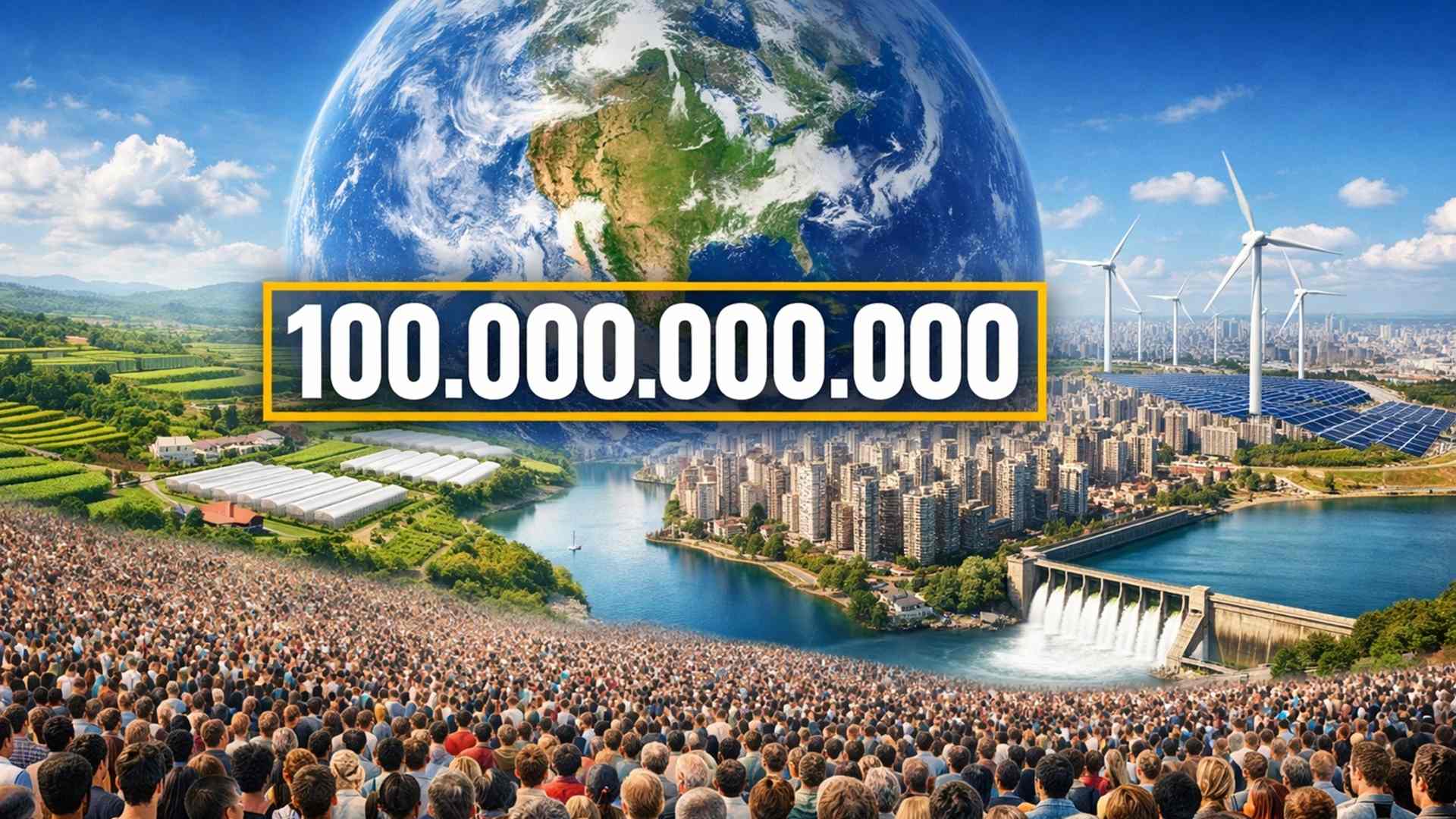
Hypothetical Scenario Analyzes Whether Earth Could Support a World Population of 100 Billion People, Evaluating Limits of Physical Space, Urban Density, Food Production, Access to Drinking Water, Energy Generation and the Role of Technology to Avoid Collapse of Natural Resources
The world population is currently around 8 billion people, but a hypothetical exercise assesses what a planet with 100 billion inhabitants would be like, a number far above the UN projections, which indicate a peak of 10.43 billion in 2086.
The analysis starts from a central question about the physical and technological limits of the planet. The discussion seeks to understand whether there would be enough space, food resources, water, and energy to sustain a world population of that size.
According to United Nations projections, the world population is expected to reach its peak around 2086. After that, the trend is for population decline, making the hypothesis of 100 billion inhabitants a scenario outside any realistic forecast.
-
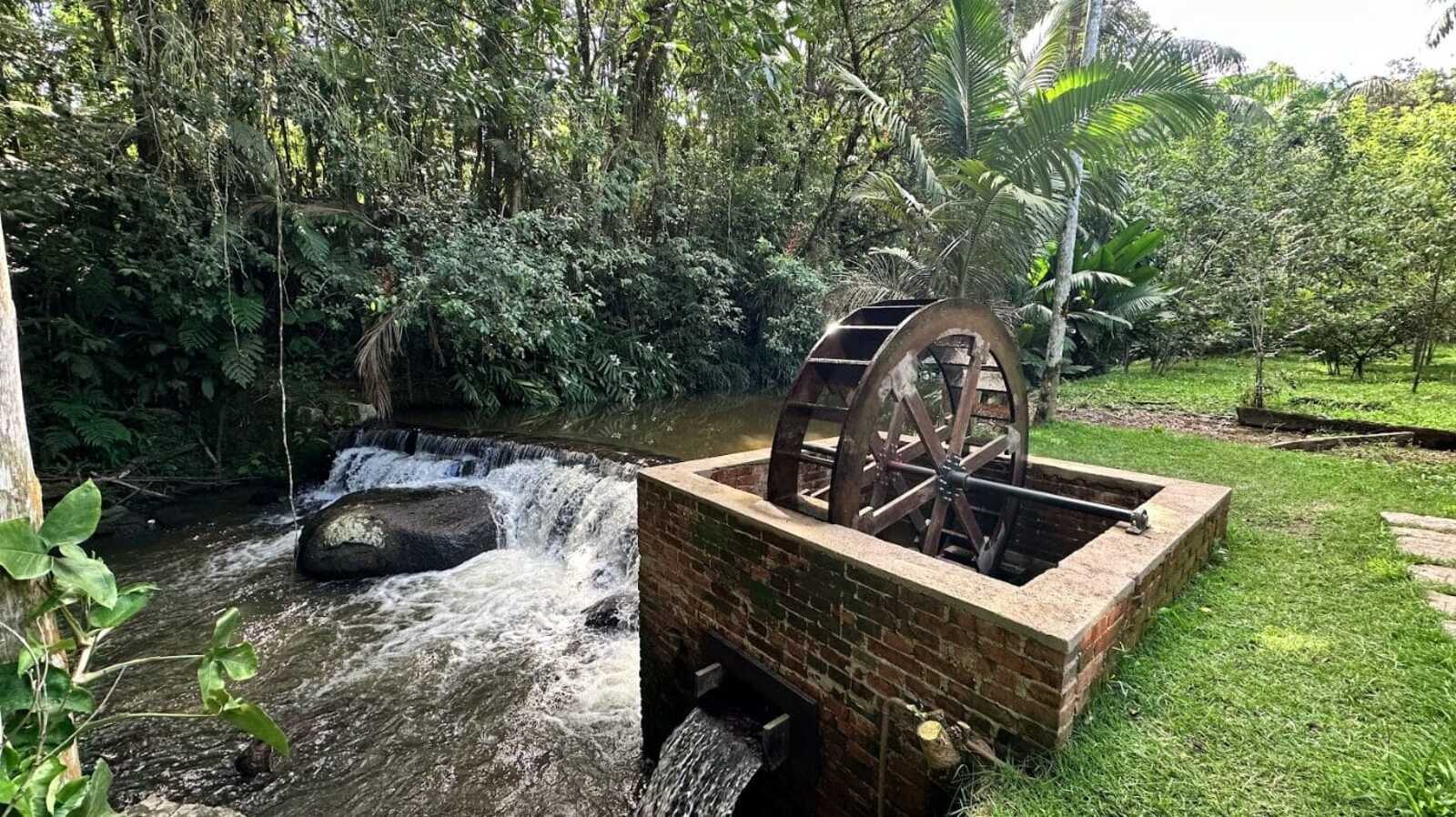
While restoring a historic mansion from 1910, a brick structure with an old turbine that generated energy from the Rio do Testo emerged, along with a hidden door and a rare floor concealed under layers of wax.
-
Italian researchers have detected what appears to be a second Sphinx buried under the sands of Egypt, and satellite scans reveal a gigantic underground megastructure hidden beneath the Giza Plateau for over 3,000 years.

-
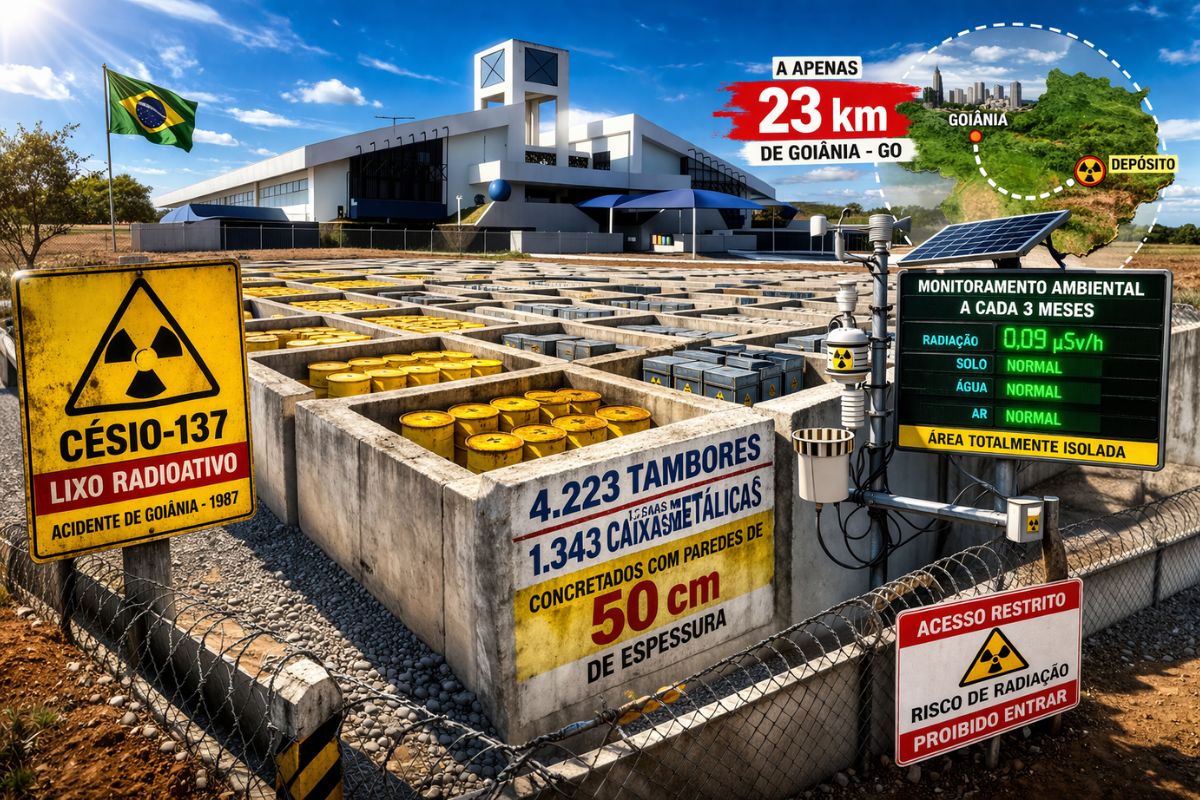
There are 4,223 drums and 1,343 metal boxes concreted with 50-centimeter walls that store the radioactive waste from Cesium-137 in the worst radiological accident in Brazil, just 23 kilometers from Goiânia, with environmental monitoring every three months.
-
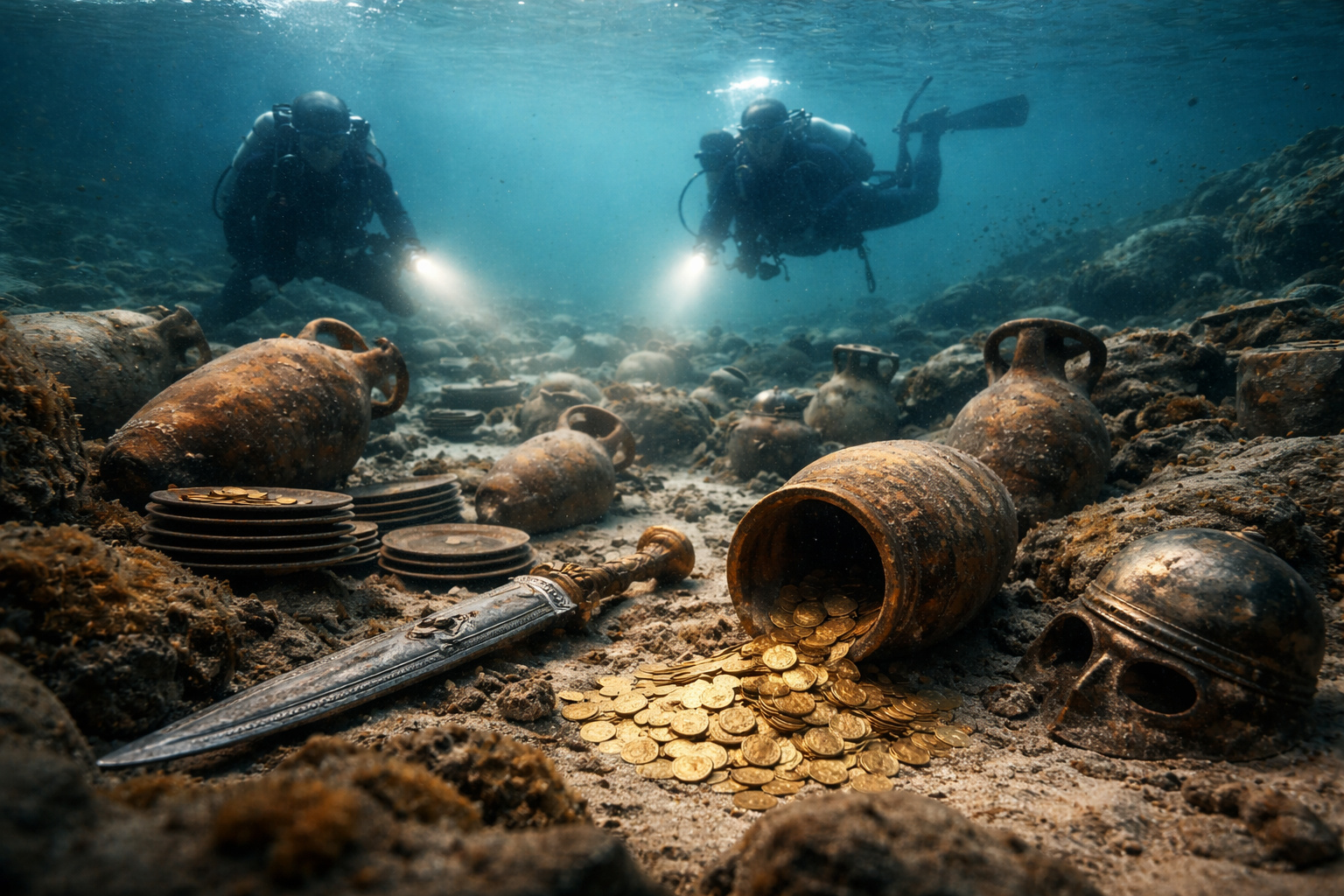
Giant Roman treasure found at the bottom of Lake Neuchâtel in Switzerland reveals an advanced trade system, circulation of goods, and armed escort in the Roman Empire about two thousand years ago.

Nevertheless, the exercise serves to examine planetary limits and assess more concretely the concerns related to overpopulation. The first point analyzed is whether all inhabitants could physically fit on Earth.
Physical Space Available for a Much Larger World Population
If the world population reached 100 billion people, the average global density would be 671 inhabitants per square kilometer. This figure represents a significant increase, but would still not exceed the population density of various existing territories.
Currently, only nine countries have a density exceeding this number. If special administrative regions such as Macau and Hong Kong, which function almost as independent countries, are included, the total rises to eleven.
The quality of life levels in these places vary greatly. Bangladesh and Palestine have high poverty rates, while Bahrain and the Maldives have intermediate levels of quality of life.
On the other hand, many of the most densely populated countries on the planet appear among the best global indicators. They rank among the top in metrics such as Human Development Index, GDP per capita, and Global Happiness Index.
Large Cities and Urban Density in the World Population
The average density of 671 people per square kilometer is not considered extremely high. Taiwan, for example, has a similar density of 676 inhabitants per square kilometer, although about two-thirds of the island remains relatively empty.
In the scenario of 100 billion inhabitants, most of the world population would live in large urban centers. Modern cities have already shown that it is possible to achieve much higher densities while maintaining quality of life.
Barcelona houses approximately 16,000 people per square kilometer, even without skyscrapers dominating the urban landscape. In Seoul, the density reaches 16,500 inhabitants per square kilometer.
Paris shows even higher numbers, with about 21,000 people per square kilometer. These examples demonstrate that high urban densities can coexist with adequate infrastructure and services.
Water and Food to Sustain the World Population
After the issue of space, the analysis moves to the essential resources for survival. Among them, water appears as one of the most sensitive points, especially in regions where the resource is already scarce.
Currently, only 3% of the planet’s water is fresh. Much of this volume is trapped in glaciers or stored underground, which limits direct access.
At the same time, about 70% of the Earth’s surface is covered by saltwater. This enormous reservoir can be utilized through desalination processes.
Today, producing one cubic meter of drinking water from seawater costs approximately $0.40. Of this amount, about $0.15 corresponds to the electricity needed for the process.
Another $0.18 is associated with the infrastructure and financing of the facilities. With the decline in renewable energy costs, there is a possibility that this process will become even more accessible.
One of the main challenges still involves the disposal of the brine generated in the process. For every liter of drinking water produced, almost another liter of saline waste needs to be properly treated.
Intensive Agriculture and Food Efficiency for Billions of People
Another fundamental point for sustaining a much larger world population is food production. The analysis notes that some of the largest agricultural exporters in the world are relatively small countries.
These include the Netherlands, Belgium, and Denmark. The first two benefit from large ports, such as Rotterdam and Antwerp, that facilitate the import, processing, and re-export of agricultural products.
Even without considering re-exported products, these countries still rank among the top exporters in the sector. The explanation for this performance lies in three main factors.
The first is the intensive use of agricultural technology. Greenhouses with artificial control of temperature, humidity, and lighting allow maximizing production in relatively small spaces.
Hydroponic cultivation systems and vertical farming techniques are also used. These methods allow producing large volumes of food while using less area.
The second factor is the efficient use of land. Even with small territories, these countries manage to optimize every square meter with crop rotation, agricultural automation, and modified seeds.
The third element is the continuous investment in research and development. Scientific centers are constantly working on new ways to increase productivity and make crops more resilient.
Currently, plant crops represent 83% of the calories consumed on the planet. Nevertheless, they occupy only 16% of the areas designated for agriculture.
Energy to Sustain a World Population of 100 Billion
After considering space, water, and food, the analysis addresses the energy challenge. Current global energy consumption is estimated at around 183,000 terawatt-hours per year.
If the world population were multiplied by 12.5 and energy consumption increased five times in a more technological world, total demand could reach approximately 11.5 million TWh.
Solar energy appears as one of the primary alternatives considered. Currently, the most common solar panels have an average efficiency of about 20%.
If this efficiency remained unchanged, it would be necessary to cover approximately 65.36 million square kilometers of the planet with solar panels. This area is equivalent to the combined total of Africa, North America, and Europe.
Even with 50% efficiency, close to the current record of 47.6%, approximately 26.14 million square kilometers of solar panels would still be required. This number roughly corresponds to the total area of North America.
A more plausible scenario predicts around 3 million square kilometers covered by solar panels. This area could produce about 2.63 million TWh per year.
This volume would correspond to approximately 23% of the energy demand of a world population of 100 billion people.
Nuclear Energy and Fuel Reserves
To cover the rest of the energy demand, the analysis points to nuclear energy as a possible solution. At the 2023 United Nations Climate Change Conference, 25 countries signed a commitment to triple nuclear capacity by 2050.
At the next conference, held in 2024, six more countries joined the commitment, raising the total to 31. Some countries with a large number of reactors under construction did not formally participate in the agreement.
Among them are Russia, India, and China, which are already among the largest builders of nuclear power plants in the world. Currently, there are about 400 nuclear reactors in operation and approximately 60 under construction.
To meet a scenario with 100 billion inhabitants, around 13,400 nuclear power plants would be needed. Each reactor occupies approximately 2.6 square kilometers of area.
This would mean a total of around 35,000 square kilometers occupied by plants, an area equivalent to the territory of Taiwan.
The known recoverable uranium reserves total about 8 million tons. This volume represents approximately 160 years of supply at current consumption levels.
In addition to these land reserves, the oceans contain about 4.5 billion tons of dissolved uranium. This volume represents approximately 560 times the known reserves on land.
Other possibilities include the use of thorium, an element three times more abundant than uranium. There are also breeder reactors capable of using more abundant materials like uranium-238 and thorium-232.
Population Growth Needed to Reach 100 Billion
Finally, the hypothetical scenario considers how long it would take for the world population to reach 100 billion inhabitants. The answer directly depends on the birth rate and the length of generations.
In a conservative estimate with an average of 2.5 children per woman and generations of 30 years, it would take about 340 years to reach that number.
In a faster scenario, with four children per woman and generations of 25 years, the mark could be reached in approximately 91 years.
According to the analysis presented, with proper planning and continuous technological advancements, it would be possible to accommodate much larger populations without compromising quality of life.









-

Uma pessoa reagiu a isso.