





 Portuguese
  English
  Spanish
  3 min of reading
  19 comments


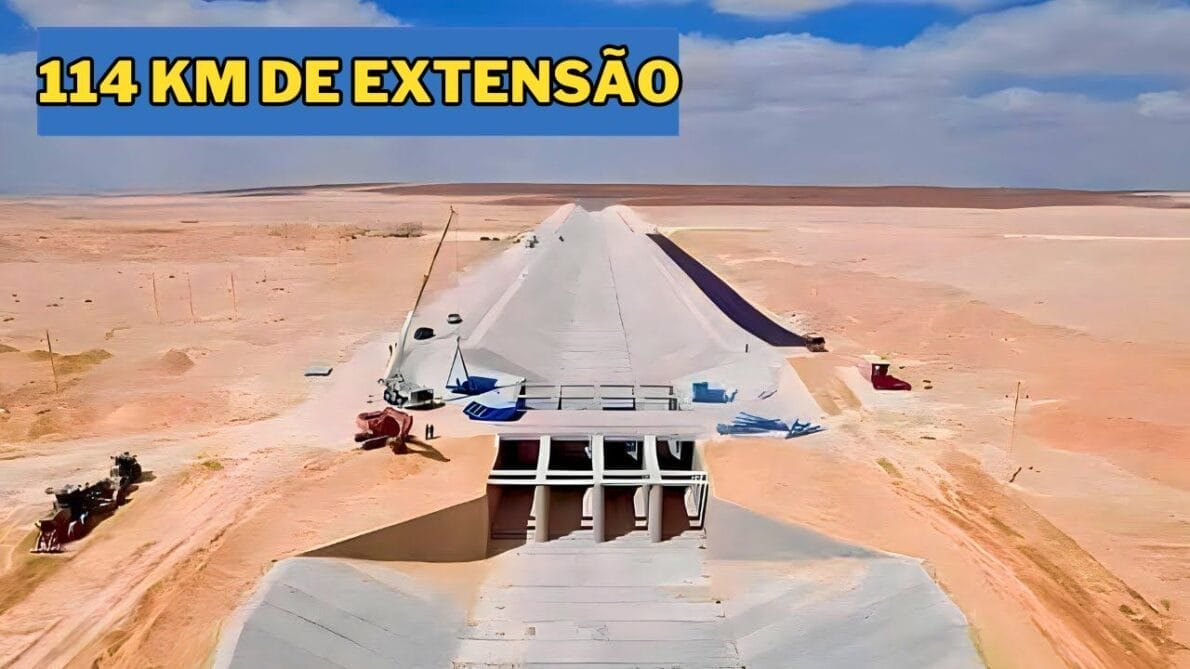

Egypt Is Transforming The Western Desert With An Unprecedented Project: The Largest Artificial River In The World. Located Southwest Of Cairo, The Construction Of This Colossal Project Aims To Convert 6,000 Sq Km Of Arid Desert Into A Vast Agricultural Area By 2025, And 12,000 Sq Km By 2030.
Imagine Being Lost In The Hot Egyptian Desert, Thirsty And On The Brink Of Death. Suddenly, You Spot Something Green On The Horizon: An Oasis The Size Of A Country. This Is The Scenario That Egypt Is Creating With The Construction Of The Largest Artificial River In The World.
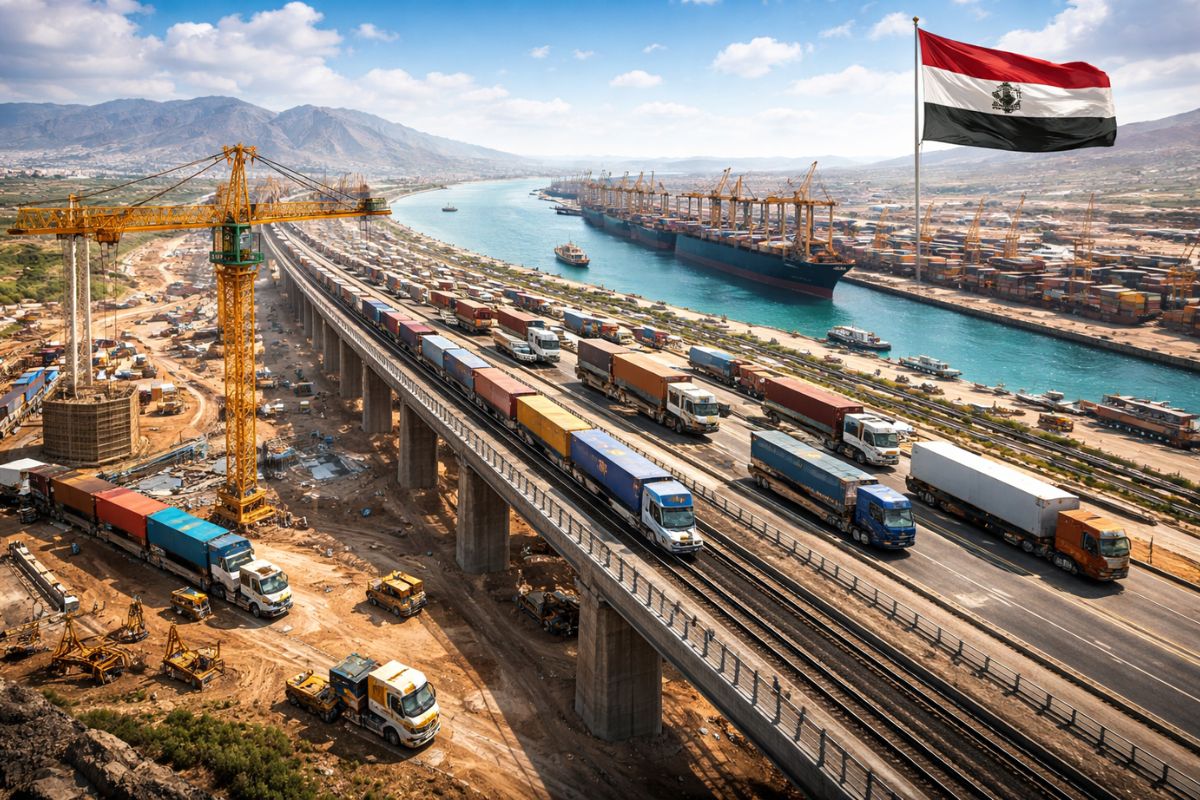
The Project, Of Epic Proportions, Will Transform Nearly 6,000 Sq Km Of Desert Into A Gigantic Farm. This Area Will Include Hundreds Of Kilometers Of New Roads, Residential Areas, Two Power Plants, The Largest Sewage Treatment Plant In The World, And The Largest Artificial River In The World. The First Phase Of Construction Is Scheduled To Be Completed By 2025, While The Second Phase, Which Will Double The Reclaimed Area To 12,000 Sq Km, Will Be Finished By 2030.
But Why Is Egypt Investing Billions Of Dollars In The Construction Of This Project While It Has The Magnificent Nile River?
The Answer Lies In The Severe Water Crisis That The Country Faces. With A Population That Will Reach 115 Million People By 2024, Egypt Simply Does Not Have Enough Water To Sustain Its Growth And Maintain Its Arable Land.
-
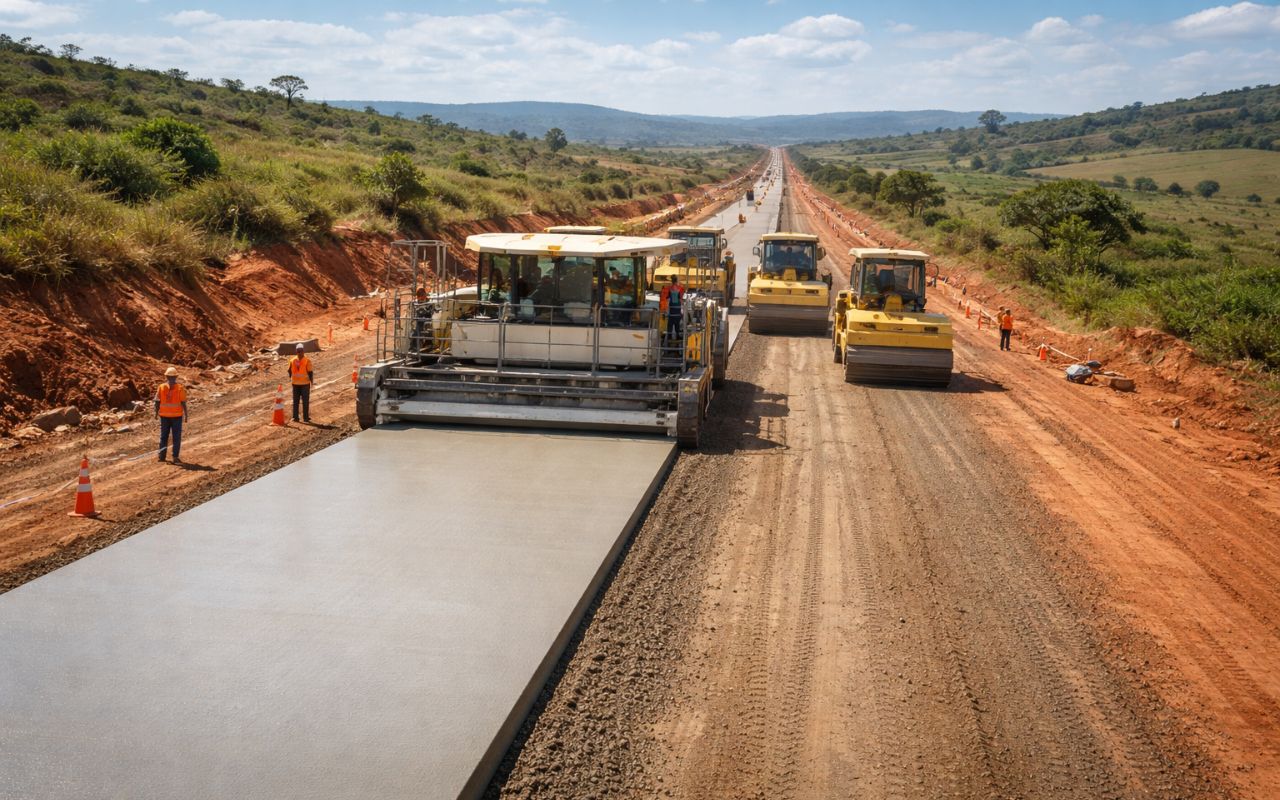
New CCR concrete paving technology promises roads up to 3x more durable, less maintenance, and cost reduction in Brazil.
-
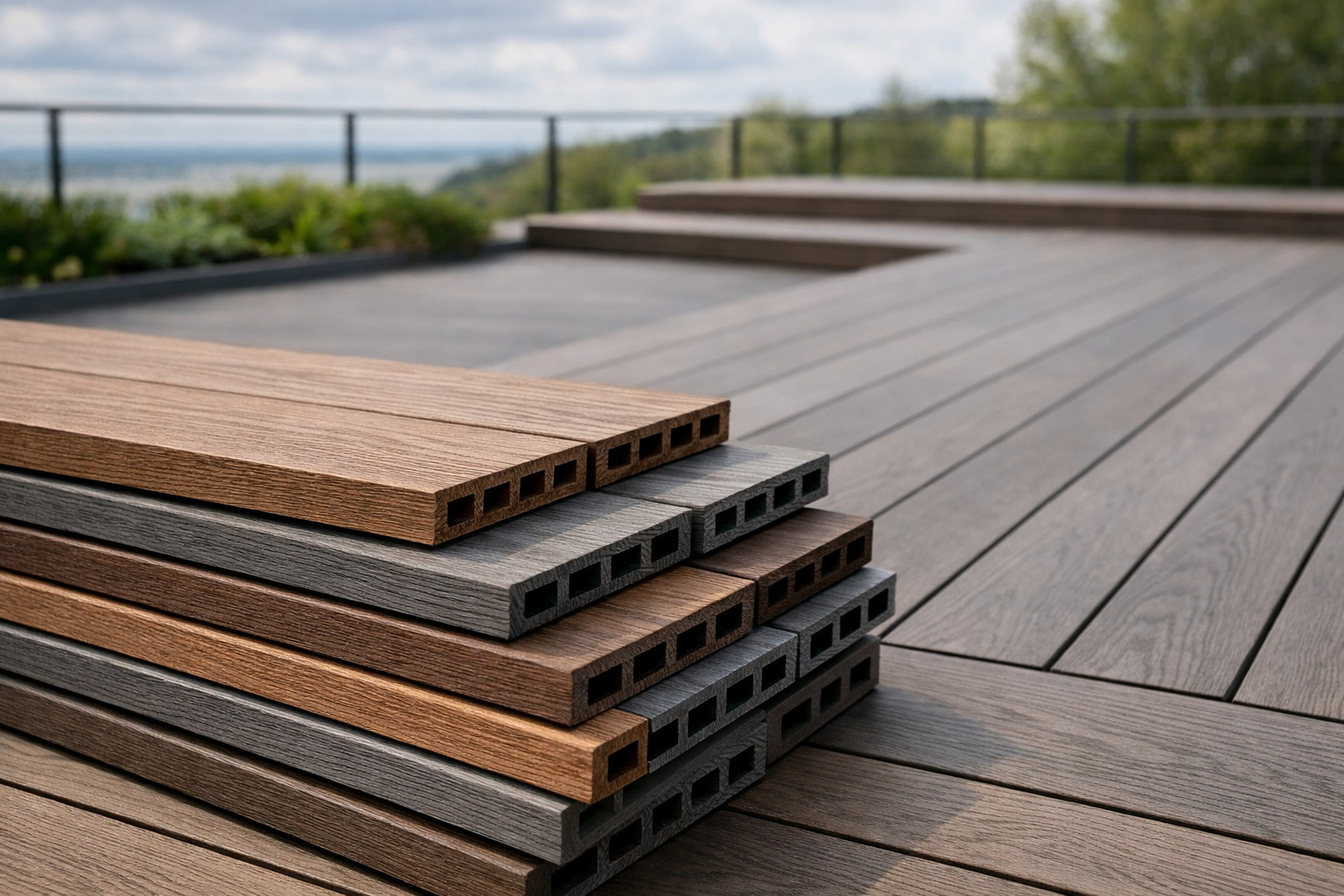
Made from recycled plastic, plastic wood is gaining space in the construction industry because it does not rot, resists moisture, and reduces maintenance costs over the years.
-
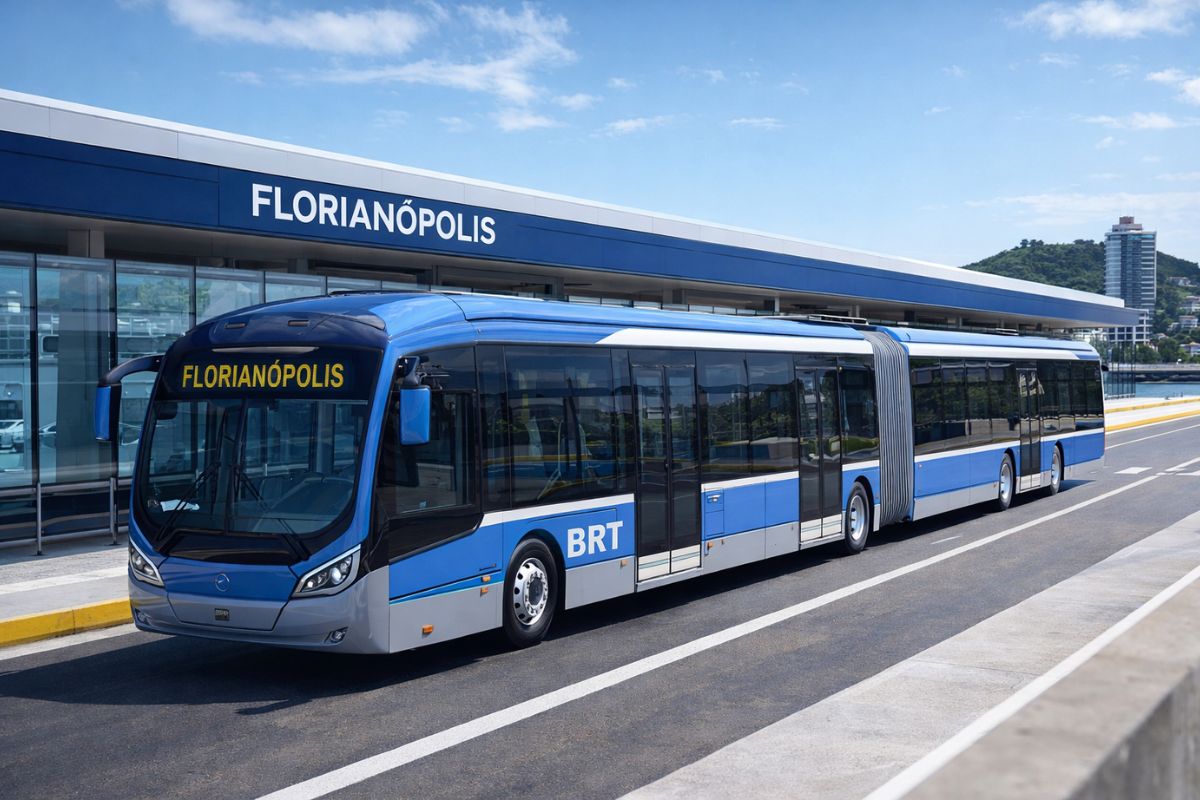
Florianópolis will receive a million-dollar BRT that will begin construction in 2026 with nearly 400 million in funding from the federal government and the Inter-American Development Bank, and the map already shows the routes for the exclusive bus corridors.
-
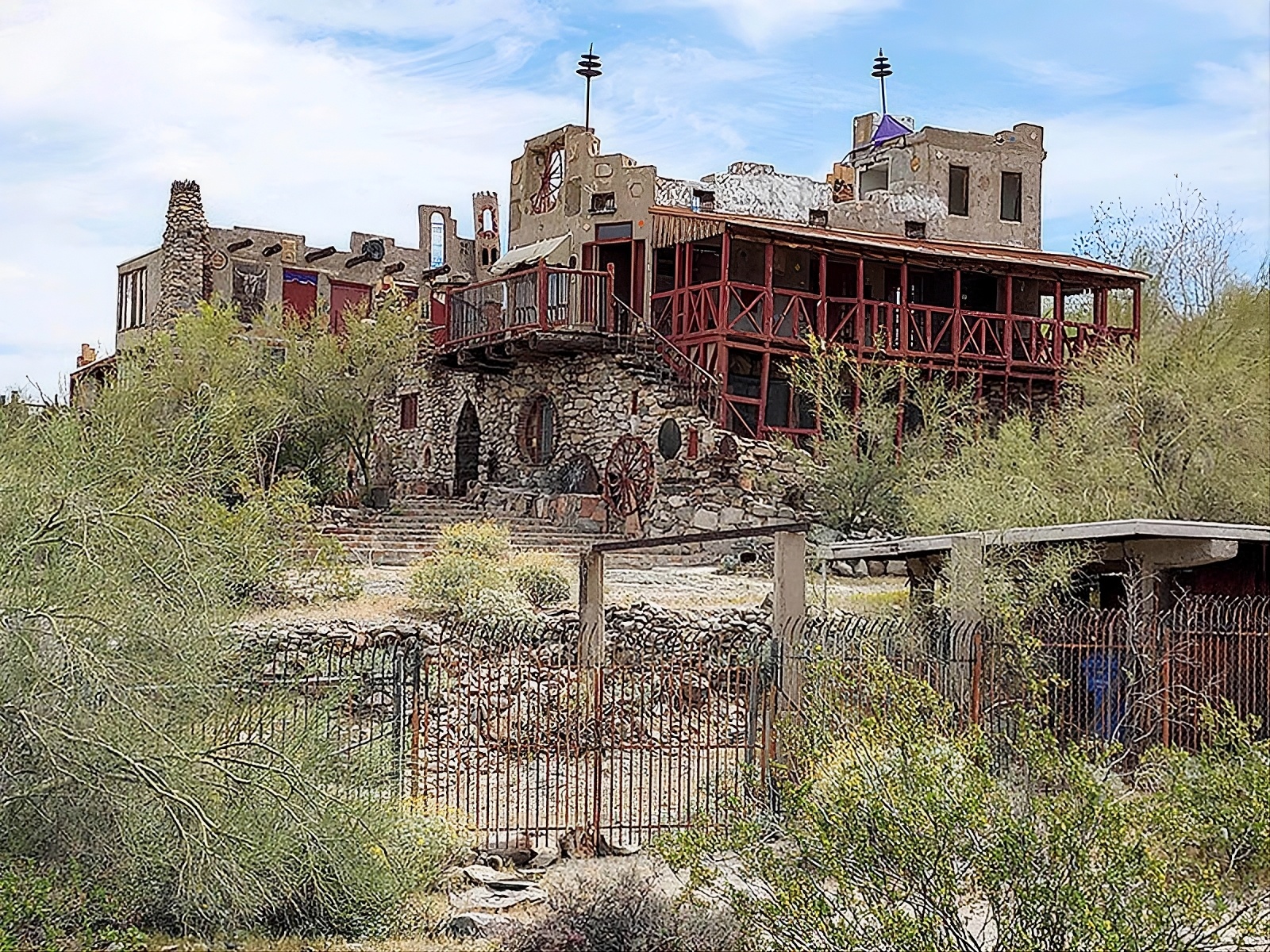
Without a blueprint, without an engineer, and using scrap from the dump, a father spends 15 years building an 18-room castle for his daughter, featuring tram tracks, 13 fireplaces, and over 700 m², which may now be demolished.

The Water Shortage Is Aggravated By The Renaissance Dam, Built By Ethiopia, Which Decreases The Flow Of The Nile River. Furthermore, Egypt Faces Climate Change And Increased Desertification, With Only 5% Of Its Arable Land Actually Used Due To The Lack Of Water.
The Agricultural Sector Is Crucial To The Egyptian Economy, Contributing 14% Of GDP And Employing 28% Of The Workforce
The Construction Of The New Delta Project Is Vital, As It Will Allow 5 Million Families To Maintain A Stable Source Of Income, In Addition To Creating Jobs For More Than 20,000 New Graduates In Various Fields Related To The Project.
Contrary To Many Expectations, The New Delta Project Will Not Use Water From The Nile River For Irrigation. Egypt Is Investing In The Recycling Of Wastewater In A New Facility Called The AL Hamam Water Treatment Plant, Which Will Provide Up To 7.5 Million Cubic Meters Of Water Per Day. The Connection To The Nile River Will Only Be Used In Emergencies, Such As A Possible Collapse Of The Renaissance Dam.
The 114 Km Long Artificial River Will Be Fed By Wastewater Treatment Plants And Underground Reservoirs
The Construction Involves Open Channels, Underground Piping, Pumping Stations, And Bridges, In Addition To Residential And Commercial Areas Along The River. The AL Hamam Wastewater Treatment Plant Will Be The Largest In The World, With A Capacity To Treat Millions Of Cubic Meters Of Water Daily. The Underground Reservoirs In The Western Desert Will Provide Additional Water For The Project.
With Completion Expected By 2030, Egypt Is Expected To Become A Major Food Exporter Again. Multinational Companies Are Already Investing In The Project, Which Is Being Carried Out At A Much Lower Cost Compared To Similar Projects In Other Countries, Due To Lower Labor And Material Costs In Egypt.
The Construction Of This Project Is In Full Swing, On Schedule, And On Budget
And Promises To Radically Transform The Landscape And Economy Of The Country, Providing A Sustainable Solution To Egypt’s Water Crisis. This Megaproject Highlights Egypt’s Ability To Innovate And Face Monumental Challenges. With Careful Planning And Efficient Use Of Resources, The Country Is Creating An Oasis In The Desert, Ensuring A Safer And More Prosperous Future For Millions Of Its Citizens.





Que bom, as nações tentando melhorar os ecossistemas em busca de produção de alimentos, minimizando a desertificação da natureza. Parabens ao Egito, China, Arábia e outras.
O canal de transposição do Rio São Francisco é maior do que este Rio que está sendo construído: 477 km.
Que o objetivo deles seja atingido em todos os aspectos.
A quadrilha também conseguiu tirar o Brasil da 12ª, para a 8ª posição no ranking das maiores economias do planeta.
Nesse ritmo de crescimento fantástico faremos chineses abrirem os olhos. E logo logo estaremos na segunda posição. Estamos confiantes e arroz é que não vai faltar, quiça possamos importar arroz, made in Egipyt sem tretas.