





 Portuguese
  English
  Spanish
  5 min of reading
  0 comments


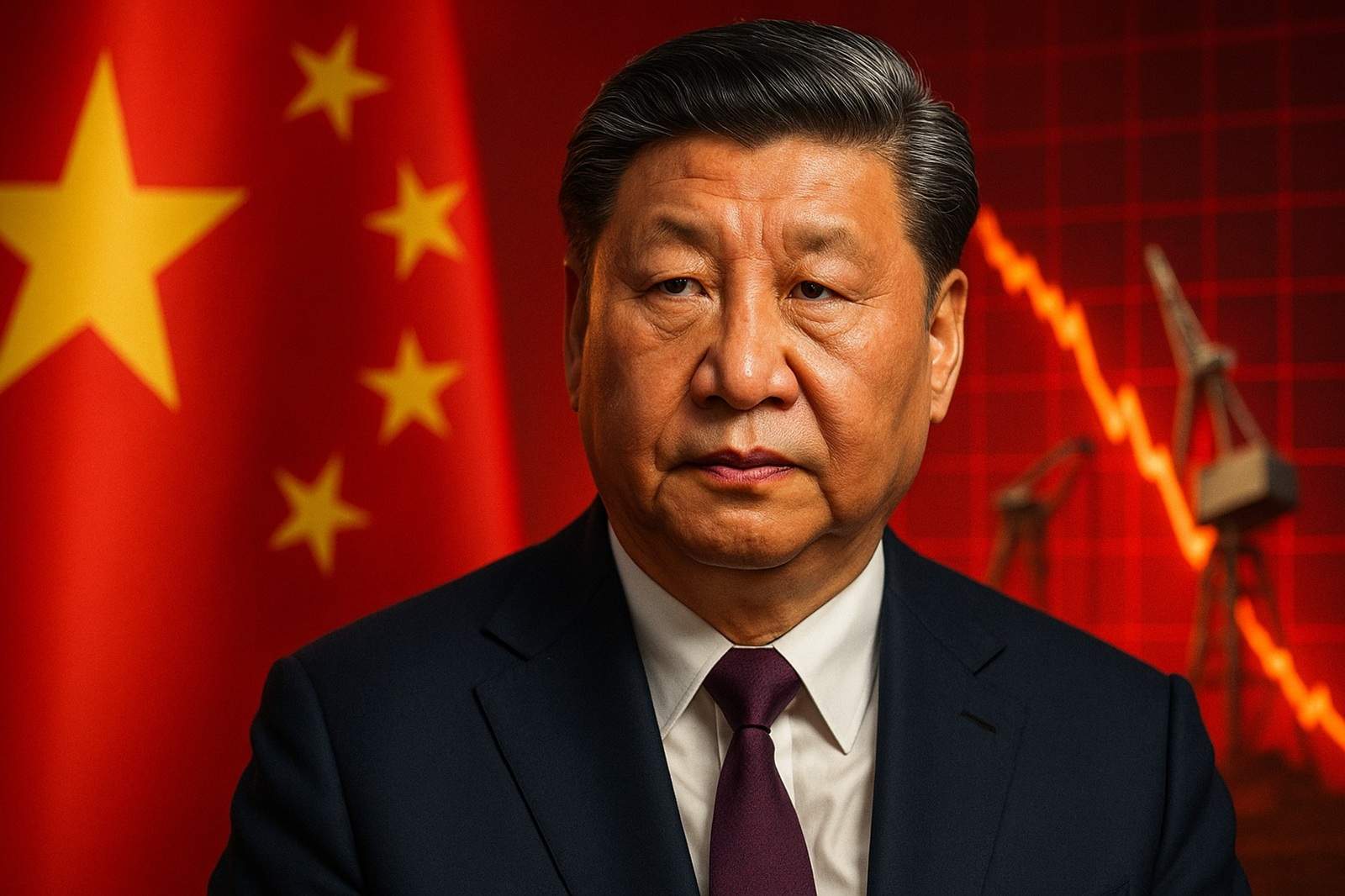
During Participation in the Podcast Os Sócios, Professor HOC Explained How the Chinese Government Manipulates the Exchange Rate, Subsidizes Industries, and Restricts Internal Consumption to Maintain Global Competitiveness.
The economist and Professor HOC participated in the podcast Os Sócios, where he discussed China’s role in the world economy and the distortions caused by its production and exchange rate model.
Throughout the conversation, he defended the importance of the free market, but emphasized that it “does not exist in a full form” due to constant government intervention.
Even powers like China maintain rigid control mechanisms that distort the natural logic of global supply and demand.
-
Mothers and daughters come together, create an ‘express’ beauty salon and turn the idea into a network with 21 units, revenue of R$ 16.7 million and 12,000 subscribers.

-
End of the 6×1 schedule: how the reduction of hours can affect service companies, industry, and agribusiness.

-
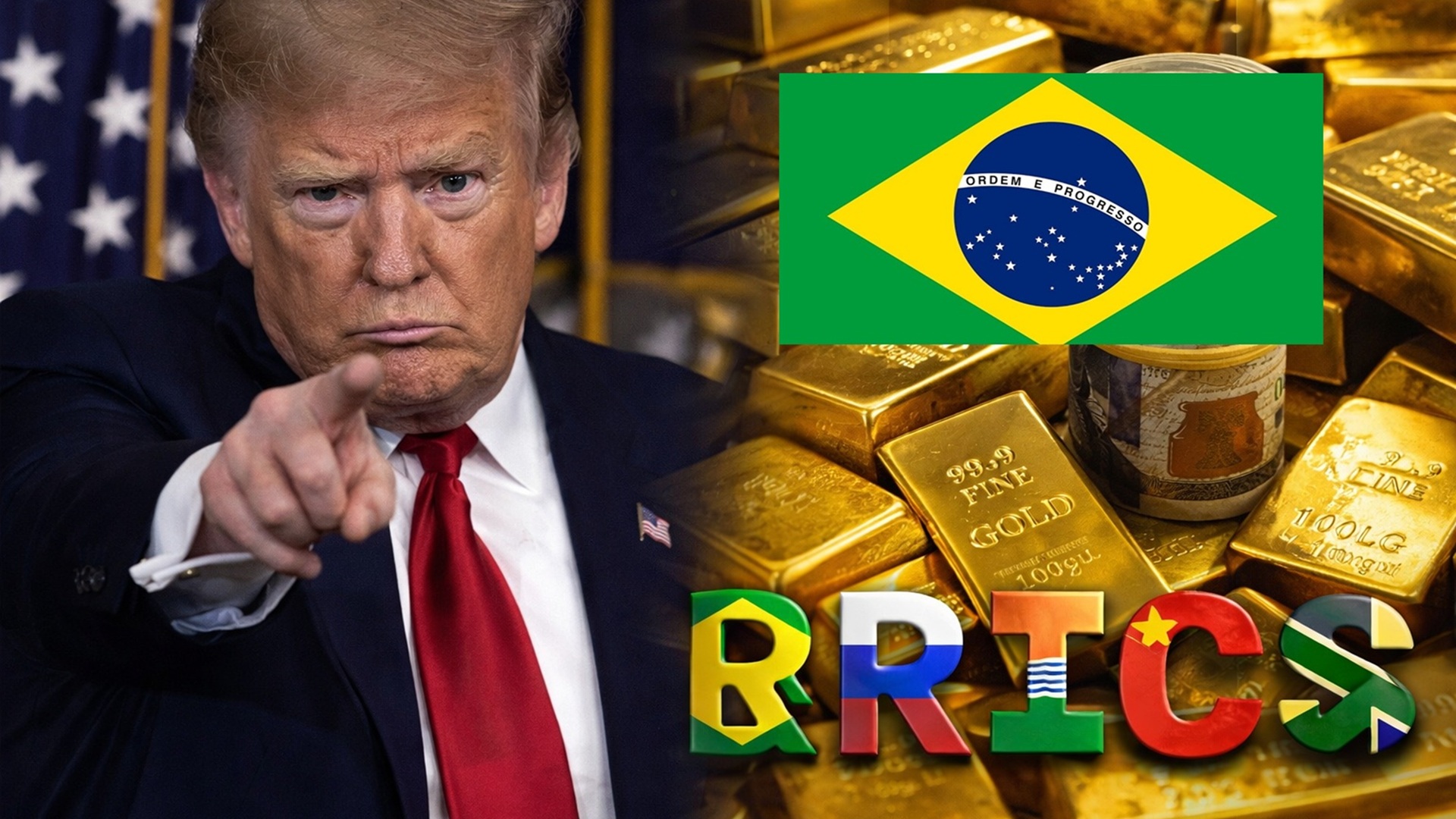
Brazil Ignores Trump’s threats to BRICS, Buys 42 tons of gold and reduces the Dollar’s share by 6.45% in international reserves.
-
Havan buys historic football land in Blumenau for a million-dollar amount protected by a confidentiality clause and is already planning to change even the layout of streets to build a megastore in half-timbered style costing 80 million reais.


Intervention and Exchange Rate Control in China
According to HOC, the Chinese exchange rate is rigidly controlled by the government, which prevents the natural appreciation of the currency. When the country exports products and receives dollars, companies are required to exchange this currency at the local bank, which passes it on to the Central Bank.
This structure, according to him, is fundamental to keeping the yuan artificially undervalued and preserving the competitiveness of Chinese exports.
For the professor, exchange rate control is part of a broader model that prioritizes the productive sector over internal consumption.
“China extracts income from consumers to subsidize industry,” he stated. This policy, which has also been used by other countries in different periods—such as the United States, Japan, Germany, and Brazil—allowed for rapid growth but created structural imbalances that are difficult to correct.
The Productive Model and Its Side Effects
HOC noted that China’s industrial success has a high internal cost. By directing resources to production rather than consumption, the country creates a chronic dependency on external buyers. “China needs someone to consume what it produces because the Chinese consumer does not have enough purchasing power,” he explained.
This scenario causes the country to “export unemployment” to nations like the United States, as the excess of subsidized products harms local industries. “When a country floods the world with cheap products, it destroys jobs elsewhere,” he stated.
To compensate for the impacts, the U.S. government resorts to public spending and family debt, which, according to the professor, masks deep imbalances in the global system.
Persistent Surpluses and Global Imbalances
While discussing the effects of these trade surpluses, HOC highlighted that China, Germany, Japan, and South Korea share the same pattern: economies with strong productive capacity but insufficient domestic consumption.
This creates imbalances that perpetuate for decades. “In a truly free economy, balance would come naturally. But when the exchange rate and flows are controlled, the imbalance becomes chronic,” he assessed.
The economist argued that tariffs, despite being controversial, can be a legitimate response to this distortion.
According to him, tariff policies targeted only at countries with persistent surpluses could help rebalance global trade. “It would be a transparent measure aimed at correcting the trade imbalance, not favoring specific sectors,” he said.
The American Response: Tariffs and Reindustrialization
HOC also analyzed the recent U.S. move to adopt tariffs as a way to stimulate domestic production.
He acknowledged that there are economists who view the measure positively, as it could reactivate American industry. “The United States has strong consumption and can sustain internal production without losing GDP,” he commented.
For the professor, the country still possesses the necessary conditions to regain industrial leadership. “The United States has always been a productive power. They have technology, a business environment, and infrastructure for that. The problem is that current incentives favor financial speculation and not production,” he asserted.
The Dominance of the Dollar and the Role of Financial Flows
Another point addressed was the dollar’s position as the international reserve currency. HOC explained that this condition attracts a continuous flow of capital to the United States, which encourages investments in financial products rather than factories.
“With so much money coming in, the incentive is to speculate, not produce. That is what causes the financial sector to grow while the productive one withers,” he analyzed.
According to him, this dynamic explains crises like that of 2008, which originated from “exotic financial products” created from the abundance of global liquidity.
Even with successive attempts at correction, the economist believes that the nature of the dollarized system keeps the United States dependent on this cycle of capital inflow.
The Difficulty of Structural Change
When discussing the possibility of change in the Chinese model, HOC was categorical: altering the structure of a planned economy is a long and politically sensitive process.
He cited Japan as an example of a country that has been trying for decades to reform its productive model without full success. “They have been doing this for 40 years, in a gradual and delicate manner, to avoid shocks. Even so, they have not managed to completely solve the problem,” he said.
In the Chinese case, the challenge is even greater due to the nature of the regime. “China is a dictatorship. Granting economic autonomy is to divide power. That is why it does not tolerate independent billionaires, arrests, persecutes, and eliminates those who threaten central control,” he stated.
For him, this characteristic makes it unlikely that the country will grant greater economic freedom to the population, as it would mean relinquishing part of political power.
The Limits of a Model That Has Reached Its Peak
The professor also emphasized that the Chinese model was extremely efficient in its initial phase, especially after decades of war and destruction.
The strategy of prioritizing investments in infrastructure and industry was essential to rebuild the country and generate rapid growth.
However, he believes that this cycle has reached its limit. “There comes a time when this model no longer works. China grew because it needed investments, but now it faces the cost of having distorted the economy too much,” he assessed.
HOC concluded that the success of the Chinese model is not sustainable in the long term, as it depends on artificial conditions and a population without real purchasing power.
The result, according to him, is a global economy that is unbalanced, in which few countries produce more than they can consume and the rest of the world absorbs the consequences.
A Debate About the Future of the Global Economy
During the episode, the professor maintained an analytical and technical tone, seeking to explain the mechanics that sustain the current global economic model.
For him, understanding the interdependencies between countries is fundamental to understanding contemporary crises, imbalances, and trade policies. “These imbalances we see between nations are, at their core, reflections of the internal imbalances of each of them,” he stated.
Throughout the conversation, HOC reinforced his defense of the free market but warned of the difficulty of achieving it in a context of interventionist policies, manipulated exchange rates, and distorted incentives. “The free market is an excellent idea, but in practice, it is constantly sabotaged by political and economic interests,” he concluded.








Seja o primeiro a reagir!