





 Portuguese
  English
  Spanish
  5 min of reading
  0 comments



Discover How the Energy Generation Partnership Between EDP and McDonald’s Drives Sustainability and Solar Energy in Brazil.
In recent years, the search for clean and sustainable energy sources has intensified. Mainly because the need to reduce greenhouse gas emissions has become urgent.
Moreover, the demand for electricity globally continues to grow.
In Brazil, therefore, this energy transition gains momentum, especially in the private sector. As major companies seek efficient and environmentally responsible solutions to meet their operations.
A recent example of this movement is the energy generation partnership established between EDP and McDonald’s. Which represents, thus, an important step in consolidating solar energy as a viable and strategic alternative in the country.
EDP, a company that operates in all segments of the Brazilian electric sector, and 38 franchisees of the McDonald’s System have signed. In turn, a contract to self-generate 7 MW of solar energy over 12 years.
Thus, the project will serve 156 units of the brand located in the Southeast and South states of Brazil. Including restaurants, cafes, and dessert kiosks in Minas Gerais, Paraná, Santa Catarina, Rio de Janeiro, Rio Grande do Sul, and São Paulo.
-
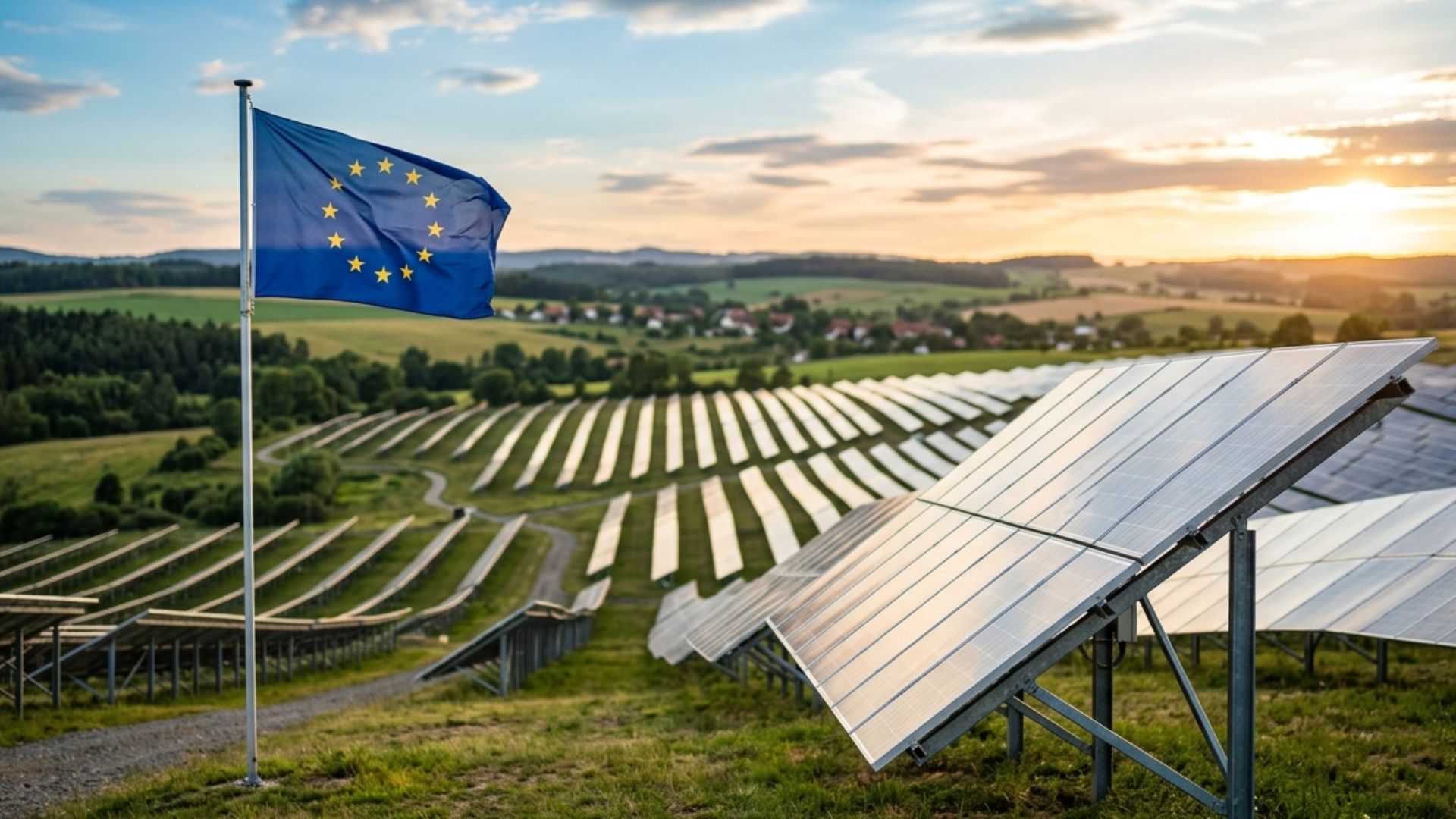
Europe records strong euro economy with solar energy in March and sparks curiosity about which country leads growth that redefines the energy market and reduces costs.
-
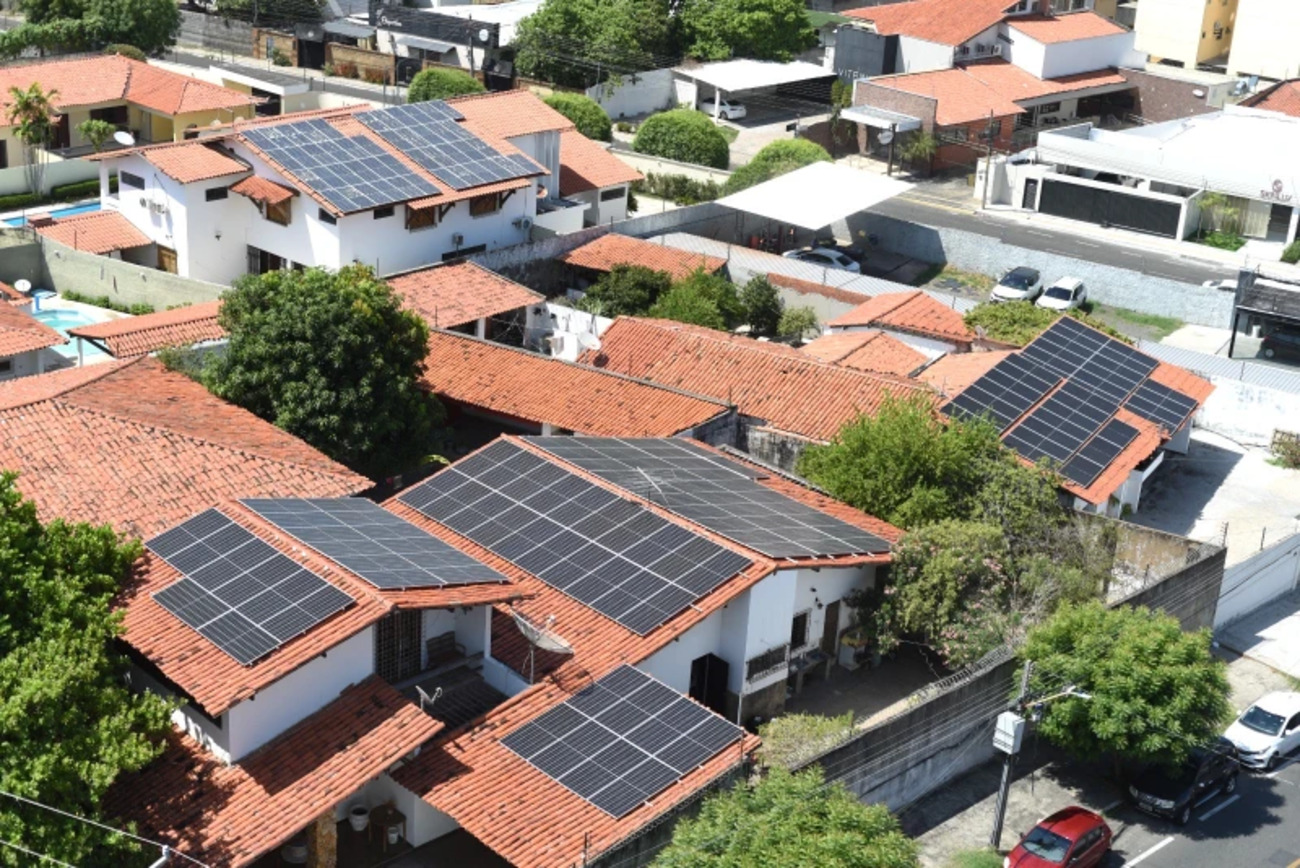
Piauí reaches a historic milestone in energy transition: State records nearly 160,000 households powered by solar energy and leads growth in the Northeast.
-
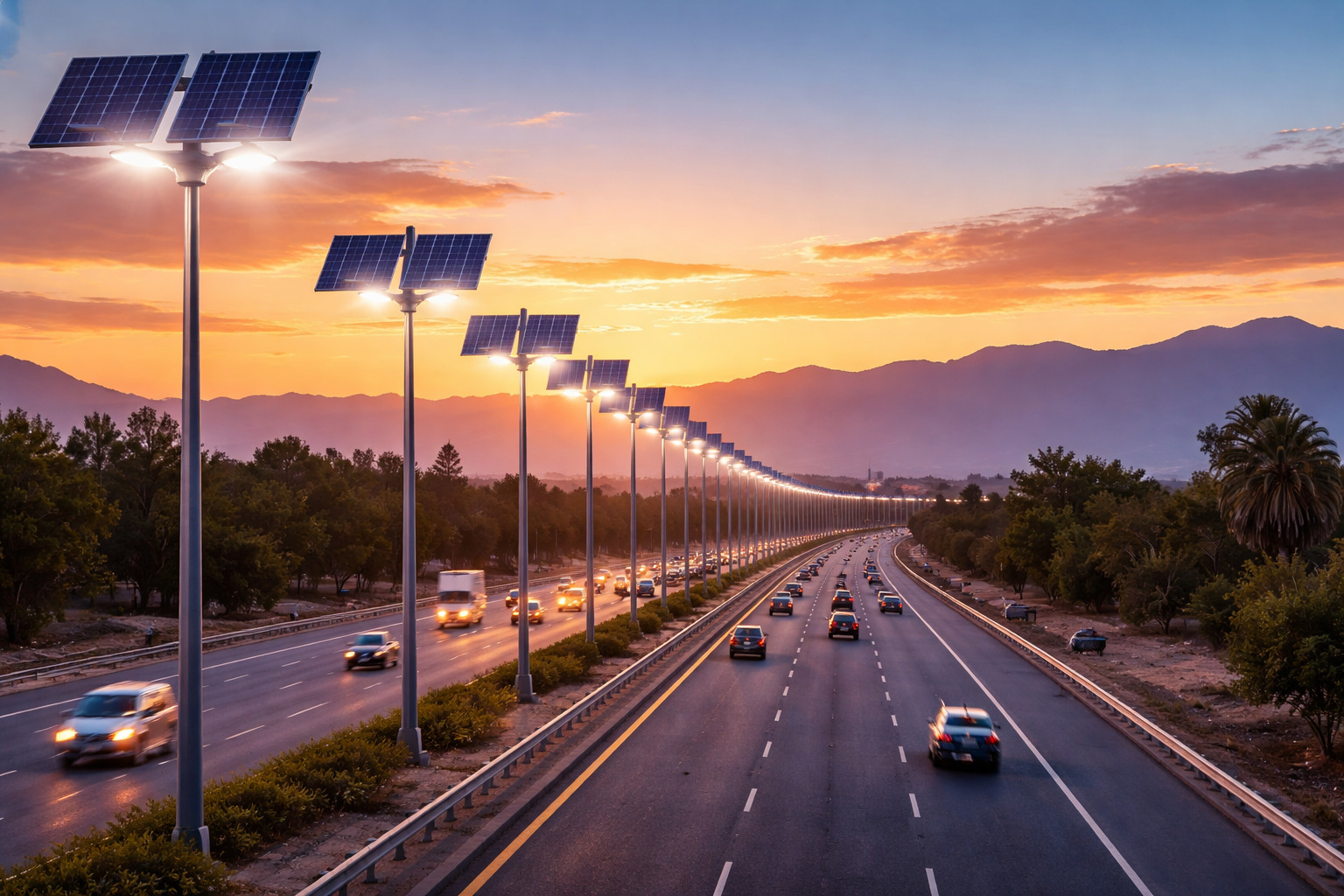
Argentina debuts its first 100% solar-powered highway and transforms an entire road into a showcase of clean energy.
-
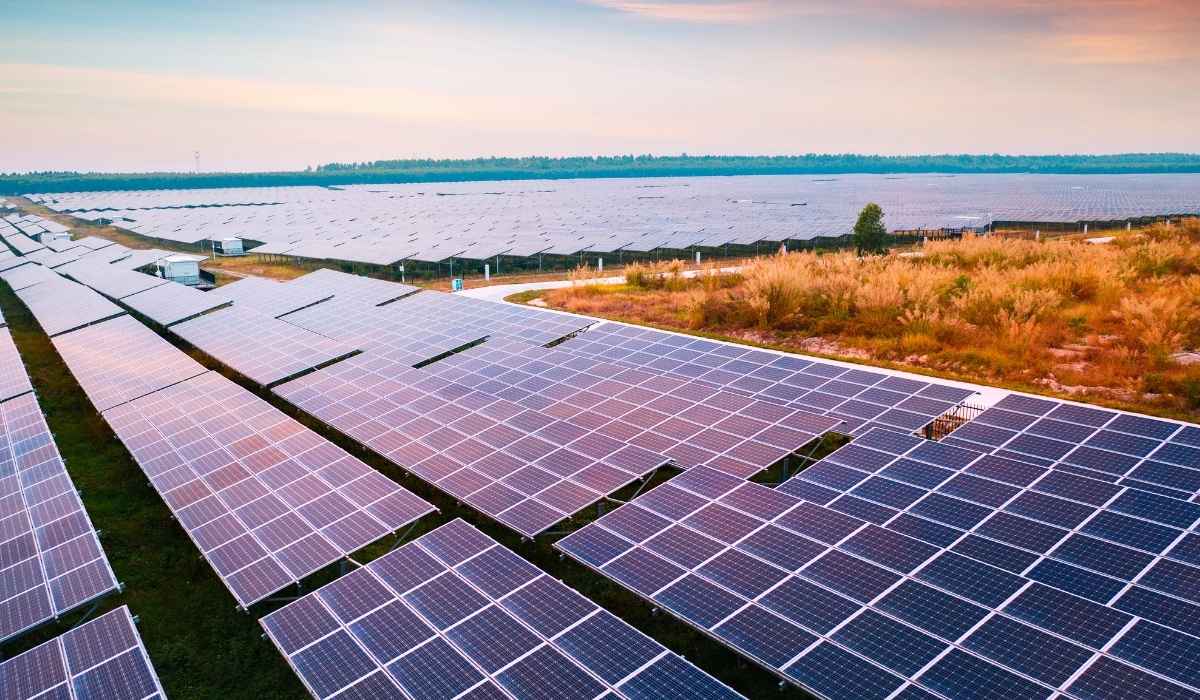
Minas Gerais reaches a historic record and surpasses the power of Itaipu, but network costs generate debate: Understand why solar energy in MG impacts the electricity bill of those without panels.

Consequently, this initiative demonstrates how large commercial networks are increasingly aligned with the energy transition. Reducing, at the same time, the dependence on non-renewable energy sources.
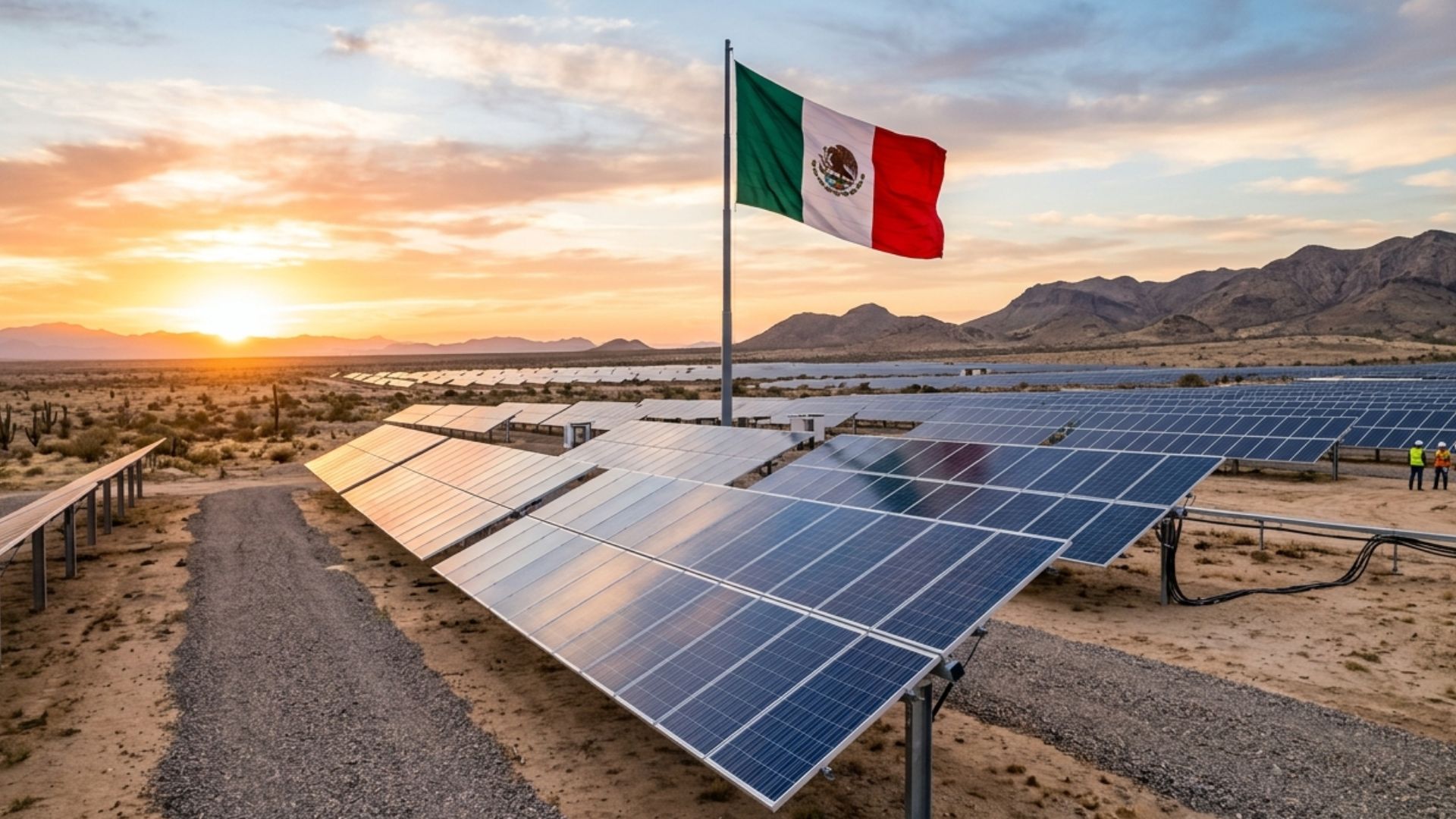
The energy supply will come from the Usina Novo Oriente, which, by the way, is the largest solar photovoltaic complex in the state of São Paulo.
Located in Ilha Solteira, the park has a installed capacity of 254 MW, with 82 inverters and over 558 thousand solar modules.
Historical Context and Diversification of the Energy Matrix
Historically, energy in Brazil has been dominated by hydroelectric plants, which, although efficient, present challenges related to environmental impacts and vulnerability to dry spells.
However, in recent years, the Brazilian energy matrix has been diversifying, incorporating renewable sources like solar and wind.
In addition, public policies, economic incentives, and the growing environmental awareness of companies and consumers drive this transformation.
Therefore, the energy generation partnership between EDP and McDonald’s clearly shows how the private sector can lead the adoption of sustainable and innovative practices.
Before this agreement, EDP had already assisted McDonald’s in the migration of franchise units to the free energy market from 2021 to 2024.
Moreover, in 2022, the company built three distributed solar generation plants, located in Cotia (SP) and Rio Paranaíba (MG), with a total installed capacity of 6.6 MWp, supplying 35 own units of the chain.
These previous projects demonstrate, therefore, that the energy transition is not just a trend. But rather a consolidated strategy to reduce costs, increase efficiency, and strengthen corporate image.
Furthermore, the advancement of solar energy in Brazil also reflects investments in research and technology.
Thus, companies like EDP have encouraged solutions that increase the efficiency of photovoltaic panels and reduce maintenance needs, making distributed generation projects increasingly viable.
In this way, the combination of technological innovation and energy generation partnership shows that the country can significantly expand its clean generation capacity.
Economic and Environmental Impacts of the Partnership
The project by EDP and McDonald’s contributes, therefore, not only to reducing the environmental impact of the restaurant chain but also strengthens the culture of innovation in the food sector.
Additionally, Arcos Dorados, the operator of the McDonald’s brand in 20 countries in Latin America, is already investing in its ESG platform called Recipe for the Future.
This initiative encompasses various actions focused on sustainability, with an emphasis on the migration to the use of renewable energy, which has reached another significant milestone with this partnership.
Today, 96% of the energy consumption of Arcos Dorados’ own restaurants in Brazil comes from renewable sources, thereby demonstrating the company’s commitment to the energy transition.
Moreover, the adoption of solar energy brings economic advantages to franchisees, reducing the dependence on the captive energy market, providing cost predictability, and enhancing the image of the units in their communities.
Rogério Barreira, President of the Brazil Division of Arcos Dorados, states that collaboration with EDP enhances the reputation of the units and inspires the sector, showing that shared responsibility and cooperation among companies can pave more innovative and efficient paths.
Thus, this type of strategy highlights that sustainability is not merely a regulatory requirement or a market trend but also an opportunity for growth and brand strengthening.
In addition to the environmental and economic benefits, the energy generation partnership between EDP and McDonald’s consolidates, therefore, Brazil as a hub of innovation in the renewable energy sector.
The photovoltaic plant Novo Oriente Solar, announced in 2022, shows how solar technology can scale efficiently, supplying large companies and participating in the construction of a cleaner and more diversified energy matrix.
Solar Energy in the Global Context and Sustainable Future
The advancement of solar energy in Brazil connects, thus, to a historical context of global energy transformation.
Since the Industrial Revolution, humanity has mostly depended on fossil fuels, which cause significant environmental impacts and contribute to climate change.
However, starting in the 21st century, environmental awareness increased and the development of more efficient technologies began to change this landscape.
Today, companies and governments focus on implementing renewable energy.
Therefore, the partnership between EDP and McDonald’s illustrates how the private sector can accelerate the energy transition, combining technological innovation with sustainable and responsible practices.
This initiative demonstrates, moreover, that large commercial networks can actively participate in building a more sustainable future.
By investing in solar energy, EDP and McDonald’s align operational efficiency, cost reduction, and environmental commitment.
Furthermore, renewable energy certificates (I-RECs) reinforce the transparency and traceability of energy, ensuring that the electricity consumed has clean origin and reducing CO2 emissions.







Seja o primeiro a reagir!