





 Portuguese
  English
  Spanish
  2 min of reading
  0 comments


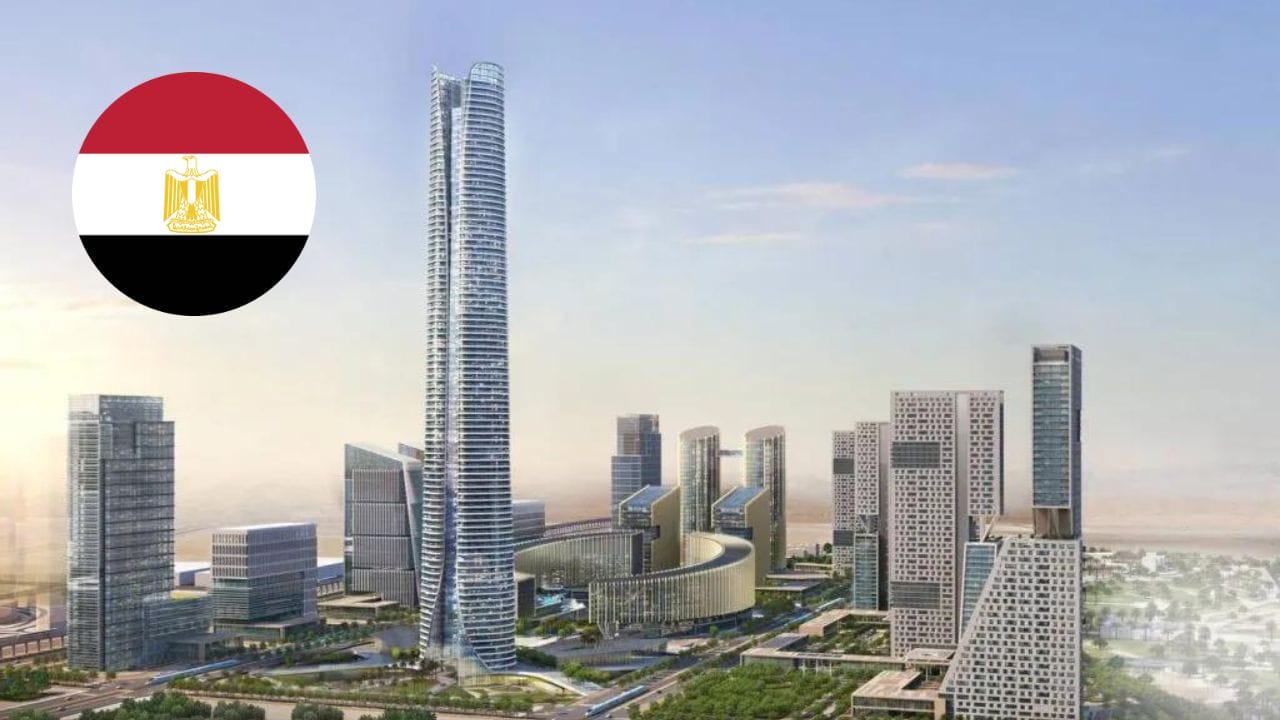
Egypt, Under The Leadership Of President Abdel Fattah Al-Sisi, Inaugurates A New Era With The Construction Of A Monumental Administrative Capital. This City, Located Only 45 Kilometers From Cairo, Is Not Just A Symbol Of Modernity And Progress, But Also A Center Of Controversies And Socioeconomic Challenges.
In the grand setting of Egypt’s new capital, over thirty heads of state and leaders of international institutions gathered for a peace summit. This event highlighted the most impressive African megaproject: the construction of the new capital, an ambitious initiative by Al-Sisi to leave his mark on the country.
The new capital is the result of a project initiated in 2016, aimed at alleviating Cairo’s congestion. The city promises to be a refuge of modernity and expansion. The project budget ranges between €52 and €60 billion, reflecting its size and ambition.
Infrastructure And Architecture

The new capital covers 700 square kilometers and includes landmarks such as the Nativity Church and the Al Fattah Al Aleem Mosque. A commercial district with skyscrapers, including the Iconic Tower at 390 meters, is just one of many planned structures. The city will also host a giant library and a marble opera house.
-
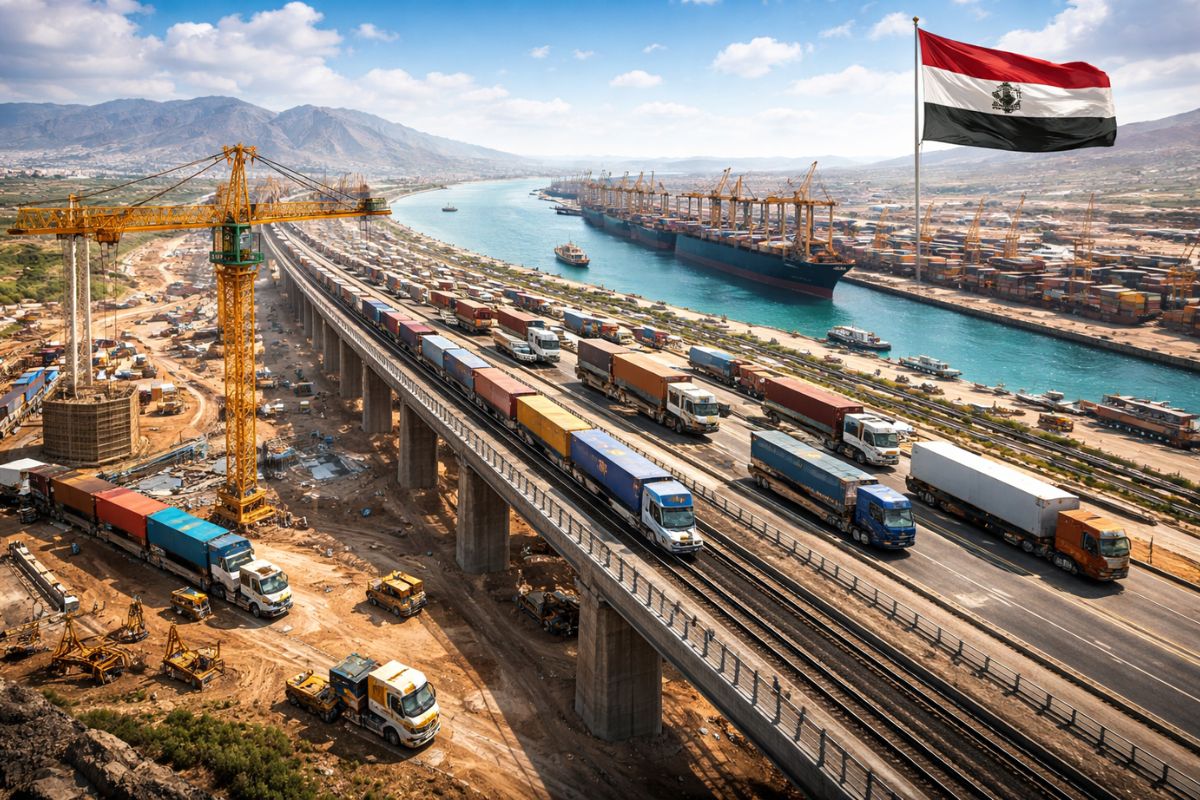
A megaproject worth R$ 89 billion is advancing in Iraq and promises to change the game in global trade by creating a new corridor between Asia and Europe, reducing traditional routes and repositioning the country as a logistics powerhouse.
-
Goodbye bedside table: floating shelves become a trend in 2026 by freeing up space in the bedroom, improving circulation, bringing visual lightness, and integrating technology without taking up floor space.

-
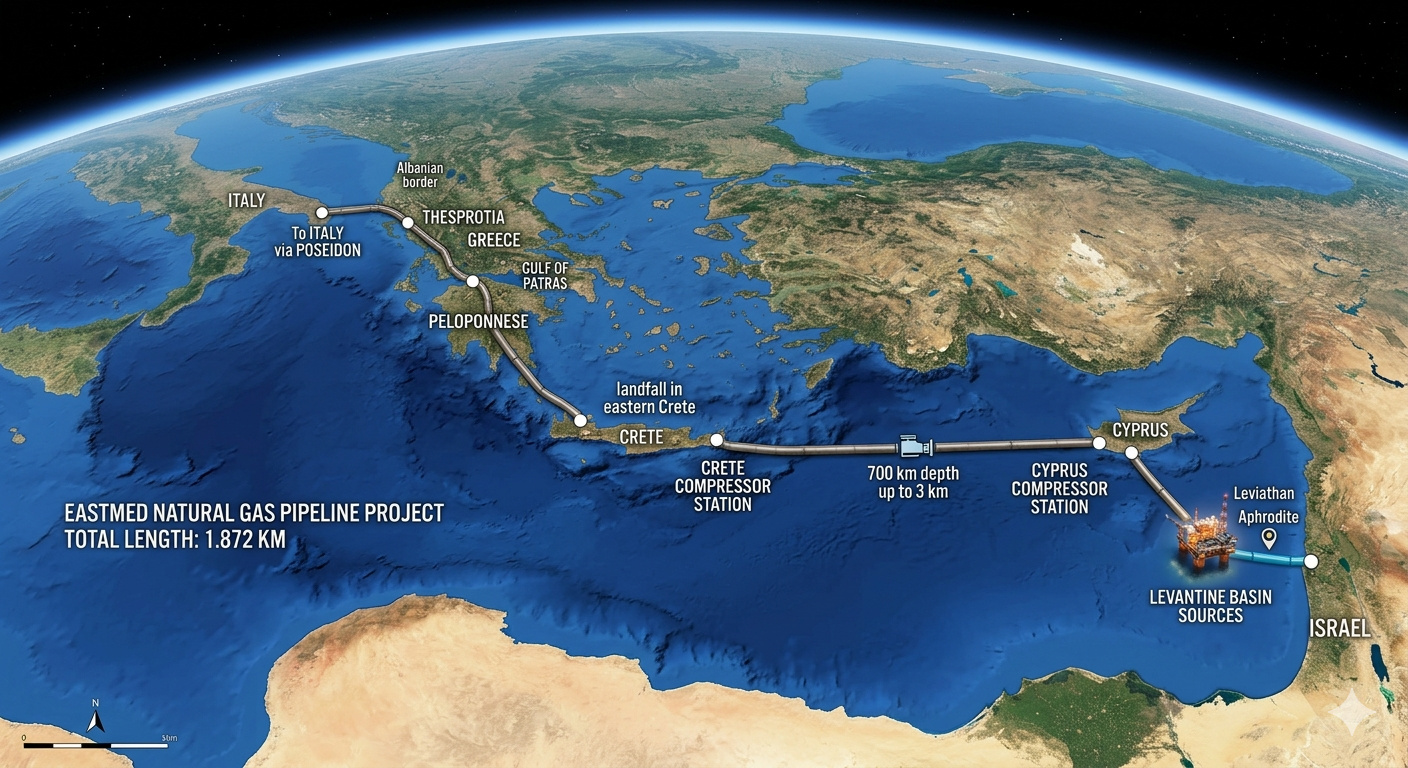
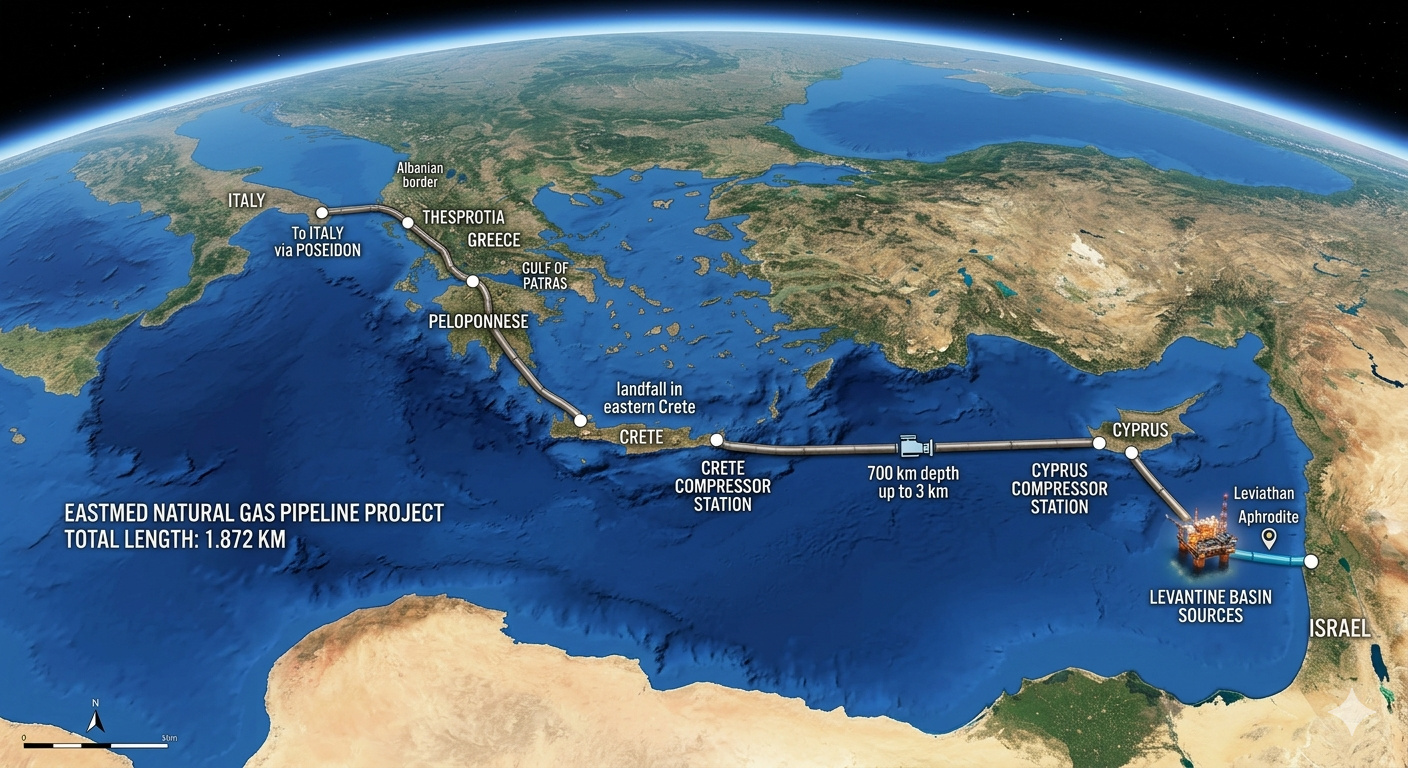
Israel, Greece, and Cyprus signed an agreement in 2020 to transport gas from the Mediterranean to Europe via a 1,872 km pipeline, but Turkey claimed sovereignty over part of the maritime route, and the project never materialized.
-
Israel, Greece, and Cyprus signed an agreement in 2020 to transport gas from the Mediterranean to Europe via a 1,872 km pipeline, but Turkey claimed sovereignty over part of the maritime route, and the project never materialized.

Despite its grandeur, the project faces criticism for potentially exacerbating economic inequality. With high housing prices, most Egyptians find themselves excluded from this new urban development. And of course, Egypt’s public debt has increased significantly, raising concerns about the project’s financial sustainability.
Future Of Uncertainties Of The Megaproject
The new capital, while intended to alleviate Cairo’s congestion, may end up exacerbating urban and social issues. Most of the properties already built have been purchased by foreigners, and international investor participation in the project has been limited. The relocation of power institutions to the new capital also reflects Al-Sisi’s desire to consolidate his control, increasing concerns about freedom and the well-being of the population.
Egypt under Al-Sisi, while advancing with his megapharaonic project, faces the challenge of balancing ambition and reality. The new capital, with all its promises of modernity and expansion, remains a question mark regarding its impact on the future of the country and its people. The project is a testament to the president’s vision, but brings with it questions about economic and social sustainability in the long term.









Seja o primeiro a reagir!