






 Portuguese
  Spanish
  2 min of reading
  0 comments


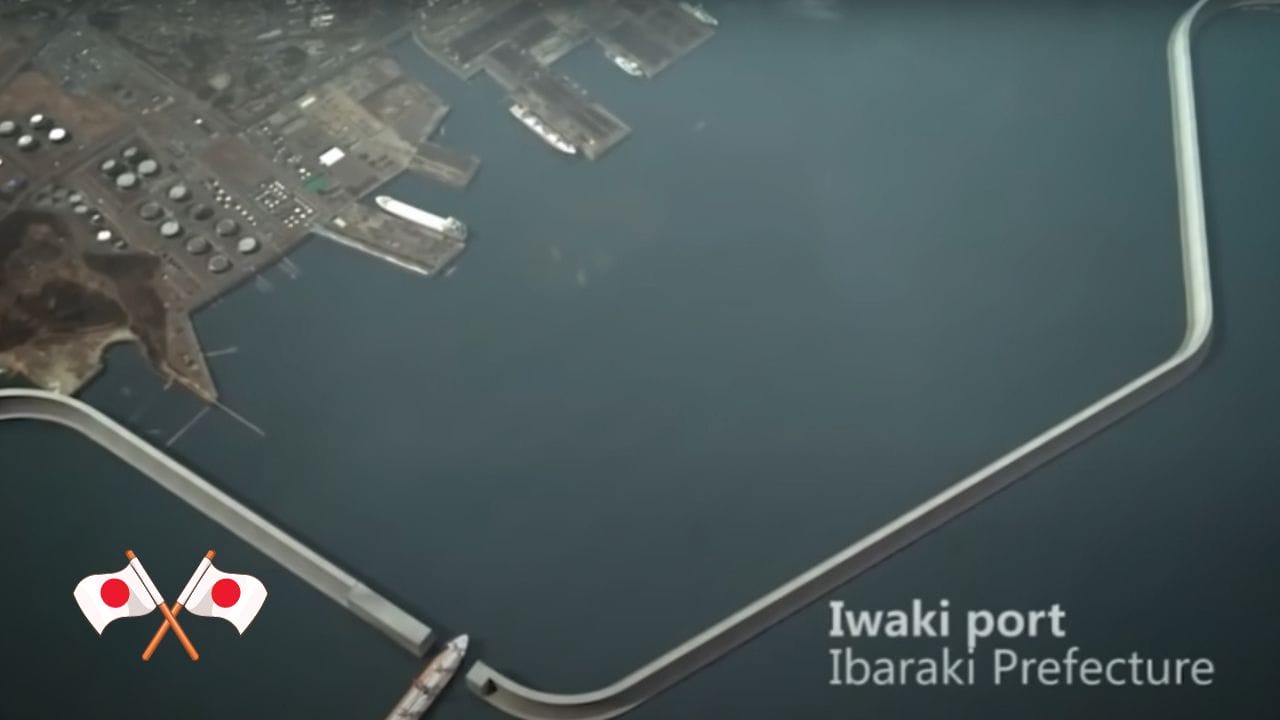

After the Devastating Earthquake and Tsunami of 2011, Japan Undertook One of the Most Ambitious Coastal Engineering Projects in the World: a 400 Km Concrete Wall Along Its East Coast. This Mega Structure, Aimed at Weakening the Waves of Future Tsunamis and Providing Vital Time for Evacuation, Raises Questions About Effectiveness and Environmental Impact.
The tragic loss of about 20,000 lives in the 2011 disaster prompted the Japanese government to invest billions of dollars in the construction of this monumental wall. It represents an effort to strengthen the country’s defenses against tsunamis, a recurring threat due to its geographical location.
Construction Features
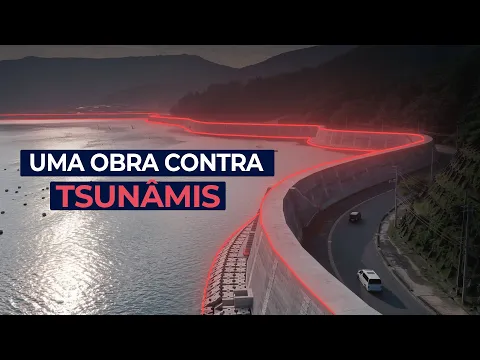

The new structures, taller and more robust than the previous ones, reach up to 14.7 meters in certain areas, with deep foundations of around 25 meters. Designed to absorb the impact of waves, these walls are an evolution of coastal defenses that already existed but proved insufficient in 2011.
Despite the innovation and technical advancement, the construction of these walls is not without criticism. There are worries that they may intensify the impact of tsunamis, acting as barriers that, when they break, release even more powerful waves. And of course, the obstruction of the sea view and the potential impact on local tourism and the culture of coastal communities are negative aspects highlighted by some residents.
-
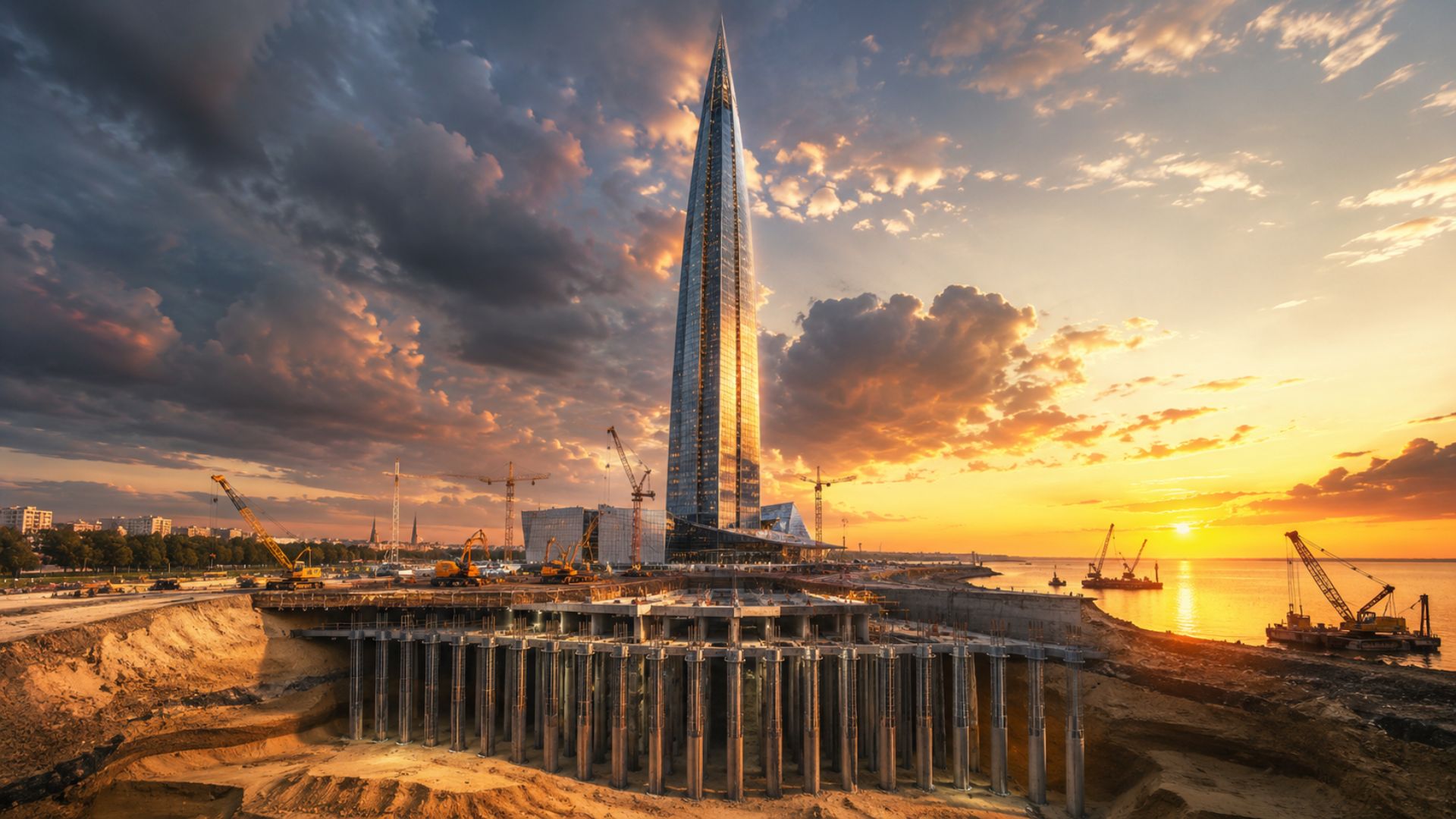
Russia erected the tallest building in Europe on ground as soft as quicksand, on the edge of the Gulf of Finland, with 264 piles of 25 meters, 30 thousand tons of steel, and 16,500 glass panels curved one by one in Saint Petersburg.

-
A mother of four sought a safer family environment, watched tutorials on the internet, built a 325 m² house with her family, and learned foundation, walls, plumbing, and electrical work without any professional experience.

-
Brazilians build modern houses 10 minutes from Disney, with luxury finishes, 3 bedrooms, 3 bathrooms, a $227 condo fee, and potential for Airbnb, targeting investors who want to use the property in Orlando and rent it out when they are not in the United States.

-
A city with fewer than 2,000 residents believed that 3D-printed houses would solve its housing crisis, but the project stalled, walls cracked, the printer disappeared from the site, and the FBI got involved in the case.


Alternatives and Complements
In response to these concerns, proposals have emerged to integrate natural elements, such as tsunami mitigation parks, combining vegetation with concrete structures. Additionally, technological advancements in civil engineering, such as electronic dampers in buildings, complement safety measures.
Japan continues to develop strategies to deal with tsunamis of varying intensities. Public education, evacuation routes, and effective warning systems are essential. Many municipalities are already adapting, moving public facilities to higher ground and restricting construction in risk zones.
Japan’s sea walls are a testament to the relentless pursuit of safety in a country often beset by natural disasters. While they provide protection, they also raise important questions about coexistence with nature and adaptation to uncertainties of the future. This imposing concrete wall remains a symbol of Japanese resilience and a constant reminder of the challenges faced.





TENHO UM PROJETO, MUITO MELHOR QUE ESTE, QUE FAZ QUE CAIR O PREÇO DA OBRA PELA METADE E AINDA DA VISTAS PARA O MAR, NAO SÓ VISTAS COMO UTILIZAÇAO NORMAL, A UNICA COISA QUE ME FALTA É DINHEIRO PARA PATENTEAR O PROJETO. SE ALGUEM QUISER APOIAR GANHANREMOS UMA GRANA JUNTO