





 Portuguese
  English
  Spanish
  6 min of reading
  10 comments


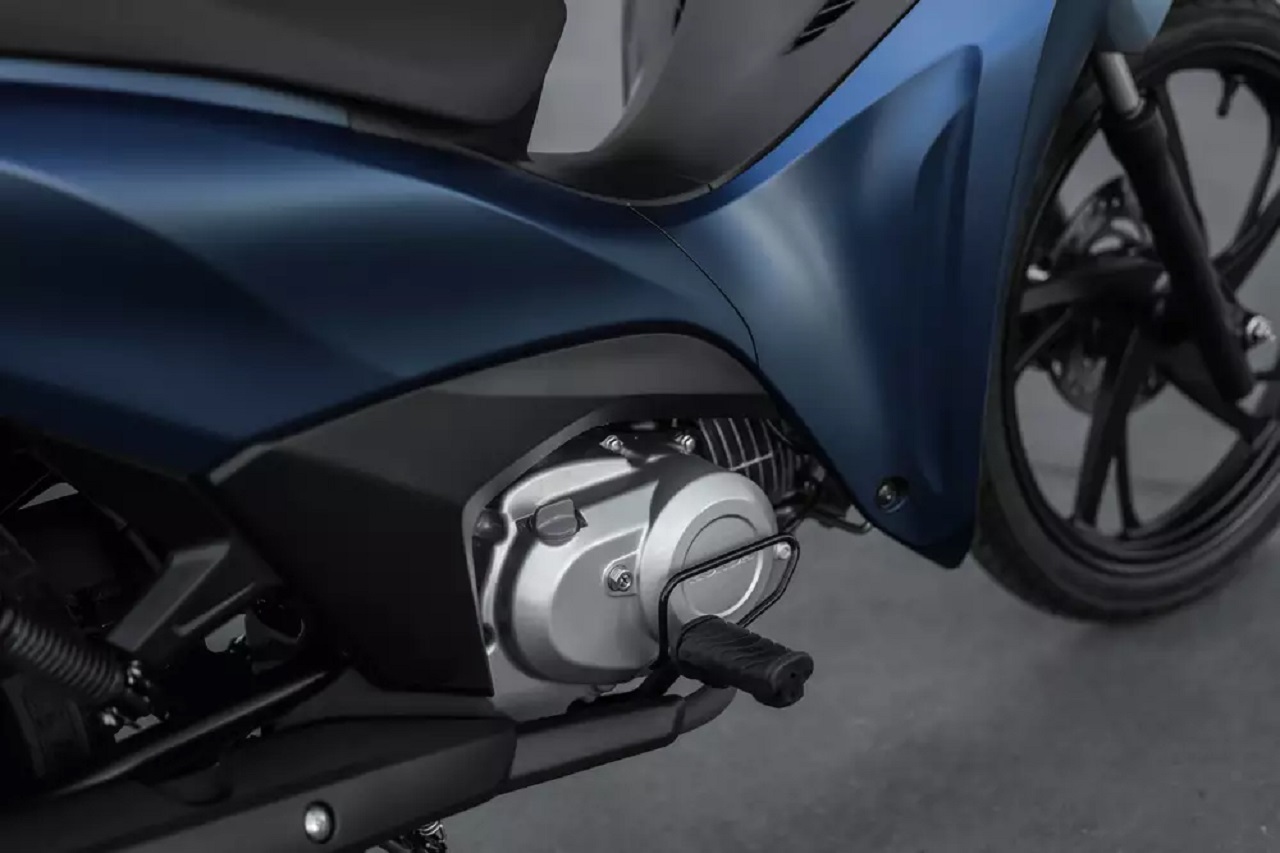


Honda Biz Is The Best-Selling Motorcycle in Brazil For Years And Continues To Be The Favorite Of Delivery Riders. Understand Why This Model Surpassed CG 125, Bros, And Pop, And Still Conquers The Market In 2025.
For decades, the competition for the title of the best-selling motorcycle in Brazil was concentrated among models like the CG 125, Bros 160, and Honda Pop 110i. But there was a time when none of them could hold back the advance of a scooter that combined practicality, economy, and urban design: the Honda Biz.
Created to be an entry-level model with urban appeal, the Honda Biz quickly became the favorite of delivery riders, motorcycle taxi drivers, and even young people looking for their first vehicle. Its main differentiator was the clutchless transmission, fuel economy, extremely low maintenance costs, and a more modern look than its rivals.
In just a few years, it surpassed the sales champions of the time and became a symbol of practical mobility in the country.
-
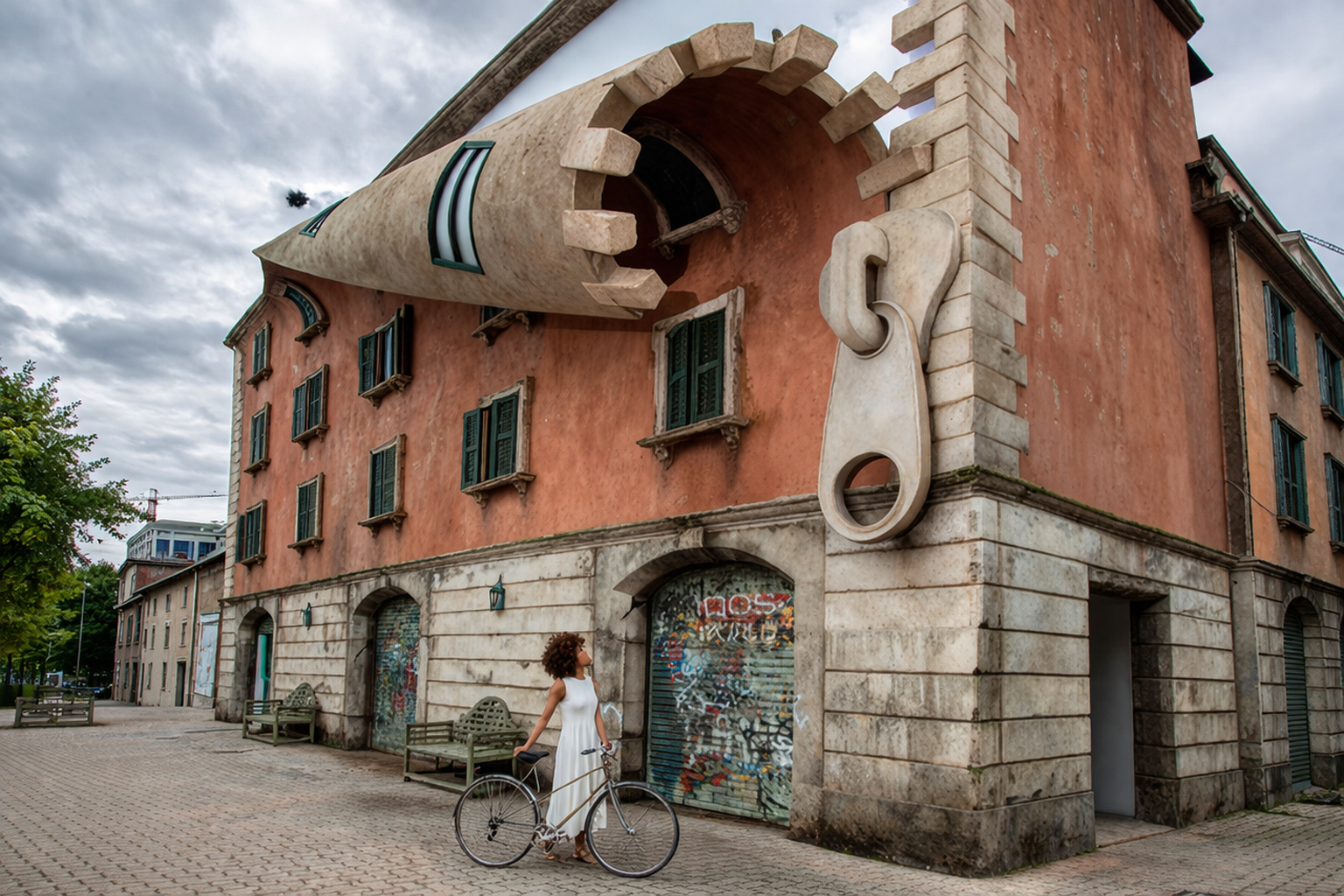
With a façade that resembles a giant zipper, the building in Milan creates a sense of strangeness, featuring lighting that transforms engineering and attracts the attention of residents and tourists.
-
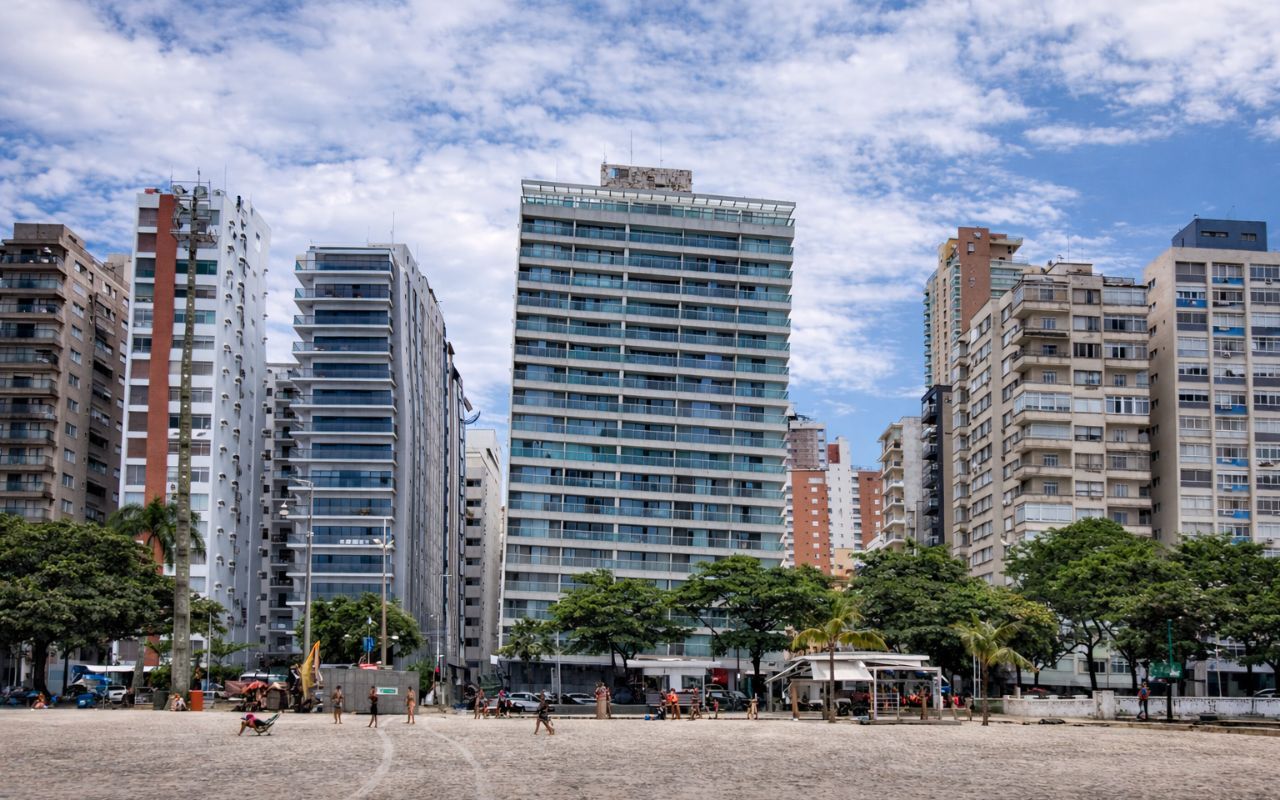
The Brazilian city has 319 crooked buildings built on sandy soil without proper deep foundations, houses the largest beach garden in the world, with over 5 km, and is still considered the birthplace of surfing — meet Santos, in São Paulo.
-
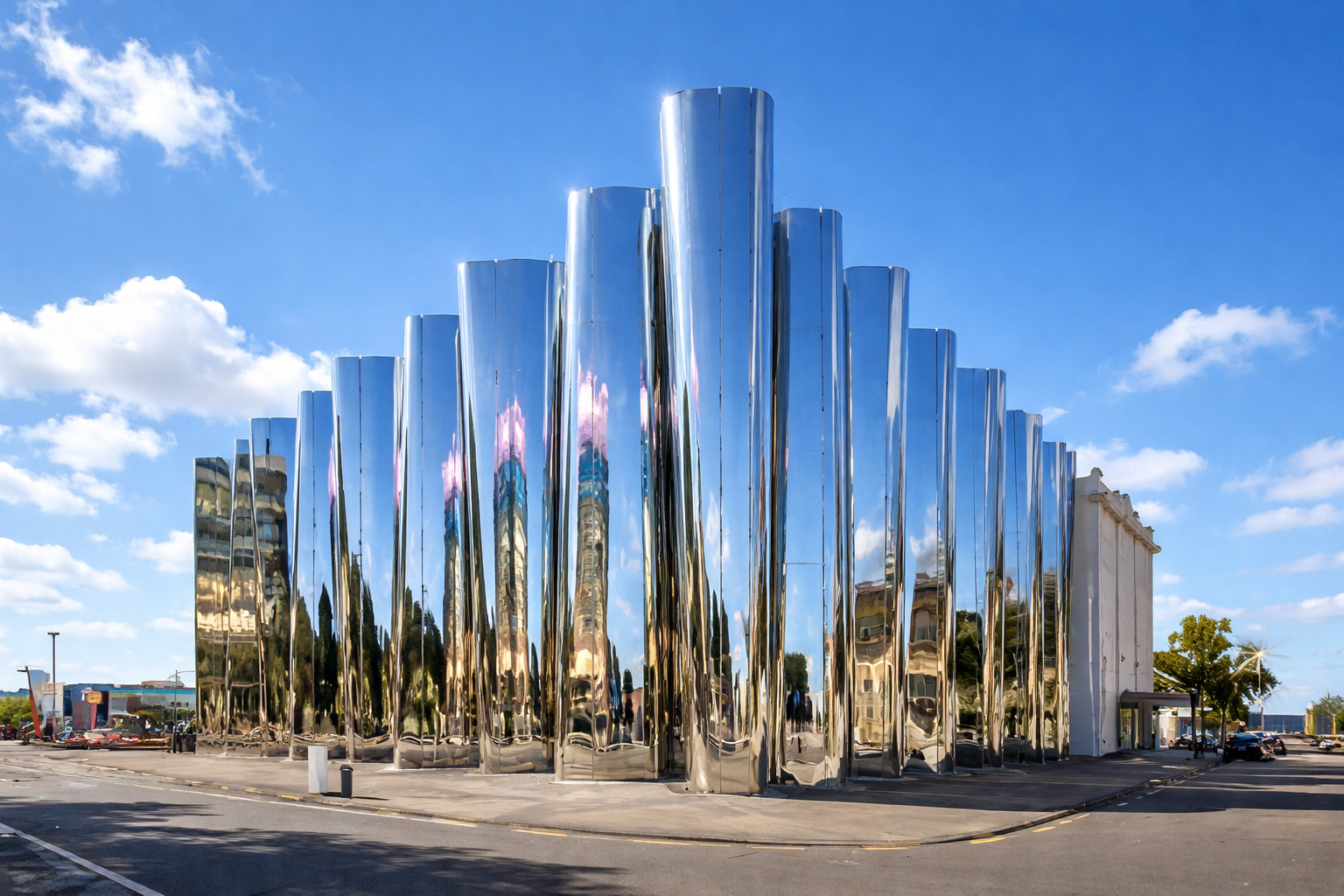
New Zealand builds a shimmering building that vibrates, featuring a 62-seat cinema, moving sculptures, and an environment where sound, light, and energy are felt in the body.
-
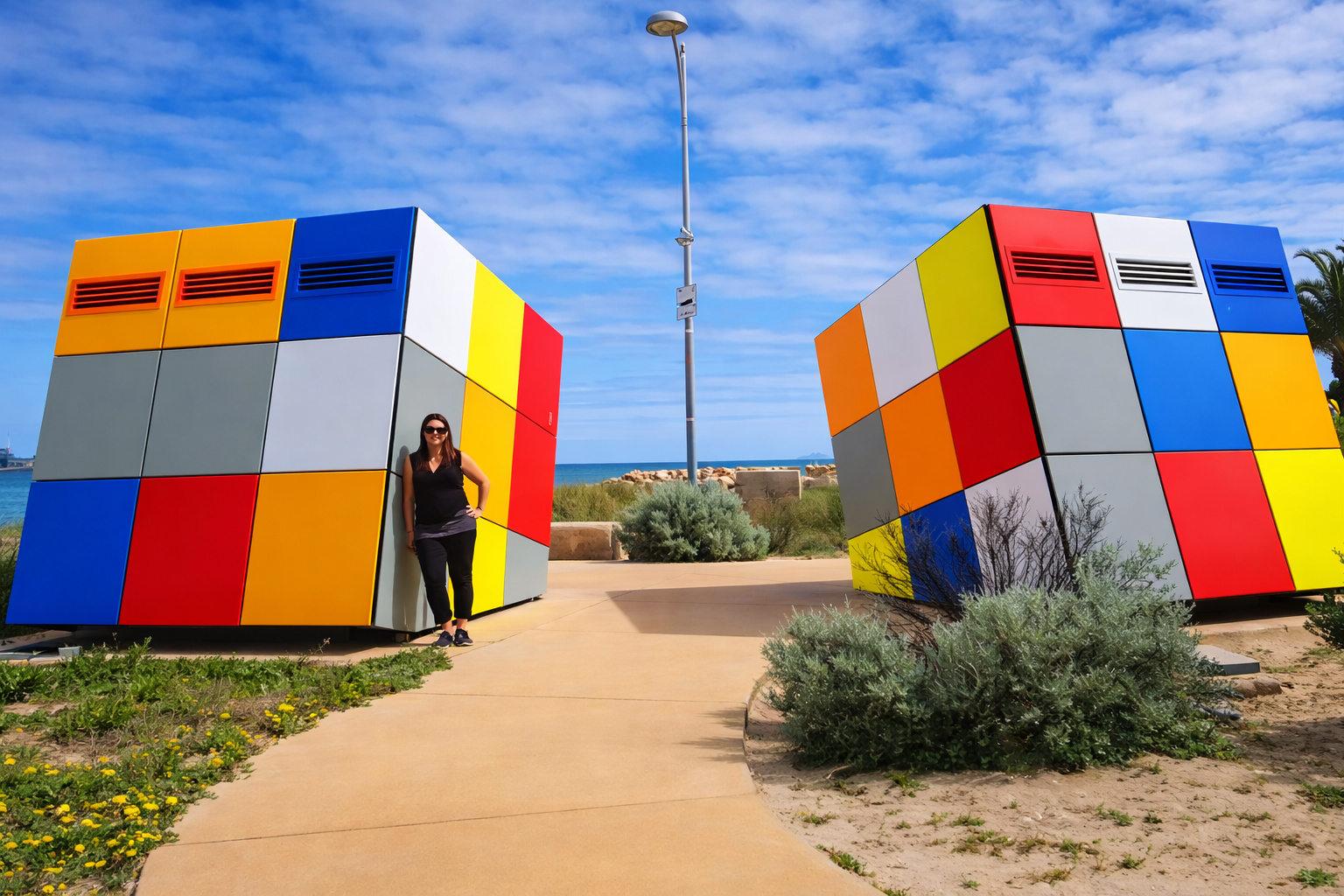
Two colored cubes of 2.5 m transform a public bathroom into a selfie spot in Western Australia, costing up to 75% less than traditional construction and helping to reduce vandalism in public spaces.

Honda Biz: A Silent Revolution On Two Wheels
The Honda Biz arrived in Brazil in the 1990s as an urban alternative to the CG 125, which was larger, heavier, and designed for varied routes. The purpose of the Biz was different: to transport people practically, cheaply, and simply through urban environments.


It featured a semi-automatic transmission (with pedal, but without a manual clutch), storage under the seat, a lightweight frame, excellent handling, and sufficient performance for everyday use in the cities. The result was immediate: public acceptance was massive, especially among women, youth, and freelance workers.
The success was so great that, during the 2000s, the Biz was the best-selling motorcycle in Brazil during various periods, even surpassing the traditional CG.
Favorite Motorcycle of Delivery Riders: Why The Honda Biz Dominated The Job Market
If there is one audience that directly contributed to the success of the Biz, it is that of delivery riders and motoboys. The model won over this segment for several very clear reasons:
- Fuel Economy: Easily achieving between 40 and 50 km/l, the Honda Biz became one of the most fuel-efficient motorcycles in Brazil’s history.
- Low Maintenance Cost: Cheap parts, simple service, and an easy-to-repair mechanical structure.
- Ease of Riding: The clutchless transmission reduced fatigue in heavy urban traffic.
- Urban Agility: Lightweight, easy to maneuver, with small wheels and low seat height.
- Storage Under The Seat: A useful feature for storing work tools, small deliveries, and even documents.
The favorite motorcycle of delivery riders did not earn this title by chance. It was shaped by the real needs of the streets, rather than by luxury or status. That is why it maintained a loyal base even after losing the sales leader position to motorcycles like the Pop 110i or Bros.
Biz X CG 125 X Bros X Pop: The Comparison That Explains Everything
While the CG 125 was the traditional choice of workers in urban and rural areas, the Bros 160 dominated in regions with rugged terrain, and the Pop 110i won over customers with its simplicity and low price, the Biz occupied a very smart intermediate space.
It was more comfortable than the Pop, lighter and easier than the CG, and more urban than the Bros. This made it the rational and functional choice for those who needed the motorcycle as a work tool.
Even with the arrival of delivery apps and an increasing demand for motorcycles with greater cargo capacity, the Biz remained firm among the favorites — precisely for balancing lightness, economy, and practicality with a more modern look than the competition.
The Strength of Honda Behind The Success Of The Biz
One point that cannot be ignored is the weight of the Honda brand in Brazil. The Japanese automaker has consumer trust like few others. This helped solidify the image of the Biz as a reliable motorcycle, easy to resell, and with a vast service network.
The mechanics of the Biz were based on already established engines, such as the 100cc from the old C100 Dream and, later, the 125cc derived from the CG. Over time, it received improvements like electronic fuel injection, versions with electric start, and even a digital panel.
The continuous investment from Honda in the model ensured that it did not become outdated, even in a segment where technological innovation is slow.
Comparative Technical Sheet: Honda Biz 1998 Vs Honda Biz 125 2025
Honda C100 Biz (1998 – First Generation)
| Specification | Details |
|---|---|
| Engine | 4 strokes, single cylinder, air-cooled |
| Displacement | 97.1 cc |
| Max Power | 6.3 hp at 7,500 rpm |
| Max Torque | 0.71 kgf.m at 6,000 rpm |
| Fuel System | Carburetor |
| Transmission | 4 gears, rotary without a manual clutch |
| Starting | Kick |
| Brakes | Drum on both wheels |
| Front Suspension | Telescopic fork |
| Rear Suspension | Swingarm with two shock absorbers |
| Dry Weight | 95 kg |
| Seat Height | 742 mm |
| Tank Capacity | 3.5 liters |
| Average Consumption | ~45 km/l |
| Top Speed | ~90 km/h |
| Tires | 17-inch (front) and 17-inch (rear) |
| Features of The Time | Storage under the seat, economy, ease of riding |
Honda Biz 125 (2025 – Current Generation)
| Specification | Details |
|---|---|
| Engine | 4 strokes, single cylinder, OHC, air-cooled |
| Displacement | 124.9 cc |
| Max Power | 9.2 hp at 7,500 rpm |
| Max Torque | 1.04 kgf.m at 3,500 rpm |
| Fuel System | PGM-FI electronic injection |
| Transmission | 4 gears, rotary without a manual clutch |
| Starting | Electric and kick |
| Brakes | Drum front / Drum rear (basic version) |
| Front Suspension | Telescopic fork |
| Rear Suspension | Two shock absorbers with coil spring |
| Dry Weight | 100 kg |
| Seat Height | 753 mm |
| Tank Capacity | 5.1 liters |
| Average Consumption | ~50 km/l (urban cycle) |
| Top Speed | ~100 km/h |
| Tires | 17-inch (front) and 14-inch (rear) |
| Current Features | Digital panel, larger storage under the seat, electronic injection, modern look |
The Biz In 2025: Still Alive, Still Competitive
Currently, the Honda Biz is available in the 110i and 125i versions. Even though it is no longer the sales leader as it once was, it remains among the best-selling motorcycles in Brazil, especially in metropolitan areas like São Paulo, Recife, Salvador, and Belo Horizonte.
Its price ranges from R$ 13,000 to R$ 14,000 (125i version), which places it among the most competitive entry-level motorcycles — below scooters like the Honda Elite and Yamaha NEO 125.
Even in a more fragmented market, with electric options emerging and competition from Chinese brands, the Biz still survives with dignity and respect, supported by the reputation it has built over decades.
Testimonials From Those Who Depend On It: “It’s A Warrior!”
We talked to delivery riders and long-time Biz users, and the response is unanimous: it can take the beating.
“I had a Biz for almost 10 years. I did deliveries, worked as a motoboy, and it never let me down. It’s a warrior,” says Roberto Matos, delivery rider in Rio de Janeiro.
“I’ve had CG, Pop, and Bros. But the Biz has always been my favorite. Lightweight, economical, and very easy to ride,” says Fernanda Silva, freelancer in Recife.
It is stories like these that reinforce the status of the Biz as the most beloved motorcycle in Brazil, even if it does not always appear at the top of the rankings today.
What To Expect In The Future? An Electric Biz?
Given the increasing electrification of urban transport, it would not be strange to see an electric version of the Honda Biz in the coming years. Honda has already presented the EM1: an electric scooter focused on the young urban audience, but it has not yet confirmed its arrival in Brazil.
If the automaker chooses to electrify the Biz, maintaining its lightness, design, and practicality, it is possible that the motorcycle could have a new golden era in large cities, especially with government incentives for clean mobility.
The loyalty of the audience is guaranteed. Now it’s up to Honda to take the next step.
Few vehicles in Brazil have the legacy of the Honda Biz. It was the best-selling motorcycle in Brazil for years, earning a loyal base among delivery riders and motorcycle taxi drivers, and is still remembered as a symbol of economy, resilience, and practicality.
Even with rivals such as CG 125, Bros, and Pop competing for the top, the Biz carved out its own space — that of the motorcycle that is reliable, fairly priced, and delivers what it promises.
Whether in the past as a sales champion or in the present as the favorite of those who understand the streets, the Biz is more than just a motorcycle: it is a Brazilian urban icon.







A biz foi lançada em 2000 e não em 1990 antes da biz era a Dream
Foi lançada em 1998!
Biz para entrega? Mas não vejo usarem a Biz, até pq não faz muito sentido, uma vez que ela custa muito mais cara. O público alvo dela é voltado mais para as mulheres, tanto que é quem mais vemos em cima de uma Biz.
Vcs viram o que a Honda fez tiro o freio do pé pq era varal e nunca ouvi fala que alguém troco o varal do freio pq estragou tive uma Titan 98 o varal era de fábrica nunca foi trocado vão ver só quando essa **** de cabo arrebenta e vai ser direto valor pra troca 50 reais e no outro ano outro cabo de freio já basta ter tirado o pedal de partida quem compra essa biz nova vai se lasca ainda do mas e muito cara
Já troquei menos de dois as anos , percebi que ao passar em lombada perto de casa sempre raspava, pensei que não ia dar em nada até o pedal quebrar em uma freada kkkkk