





 Portuguese
  English
  Spanish
  5 min of reading
  4 comments


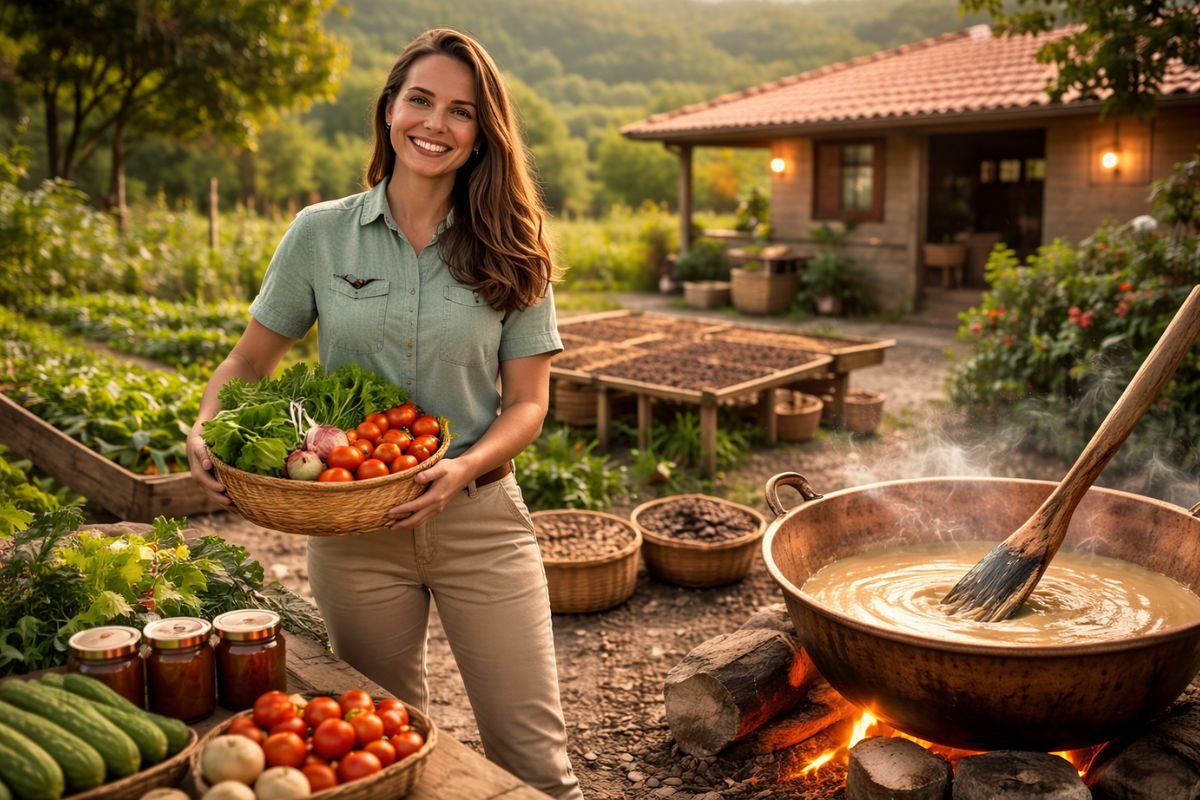


Yasmin left a 45 m² apartment in Ribeirão Preto and, during the pandemic, went to Fortaleza de Minas, on the border with Pratápolis, to “just spend a few days” at her parents’ house; she turned it into a life in the countryside, with a weekly market in Itaú de Minas, homemade caramel sauce, and roasted coffee.
The countryside came into Yasmin’s life almost by accident: isolation, a small child, and the feeling that the 45 m² apartment in Ribeirão Preto could no longer accommodate the routine. What was meant to be a short visit to her parents in Fortaleza de Minas, on the border with Pratápolis, turned into a stay.
Over time, the countryside went from being a refuge to becoming work. A weekly market, caramel sauce in a copper pot, coffee produced there and roasted at home, along with an organic garden and livestock, started to organize the days and income, in a rhythm that doesn’t seem to fit the logic of “going back soon.”
From “Just a Few Days” to a Point of No Return

The change started without announcement and without a script.
-
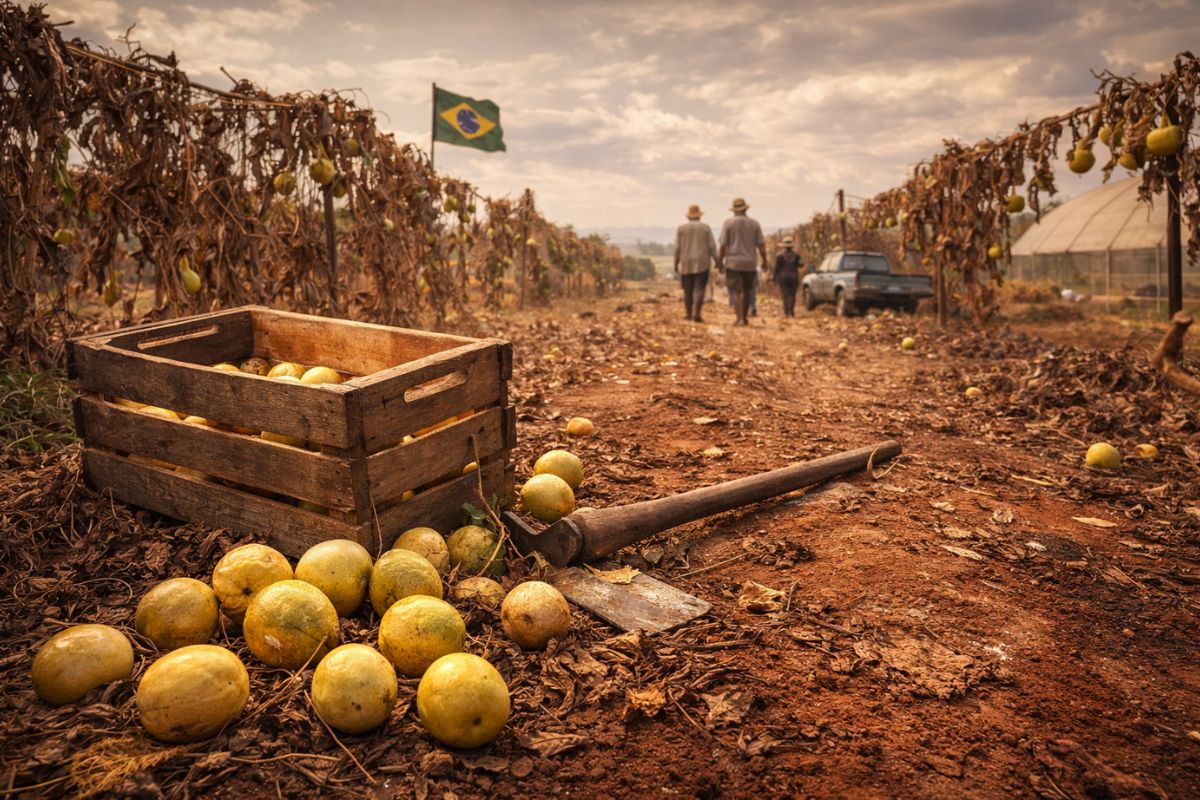
From 130 producers in the year 2000 to just 15 today: the dramatic decline of passion fruit in Araguari shows how the lack of labor in the Brazilian countryside is killing a decades-old agricultural tradition, even with Brazil being the largest producer in the world.
-
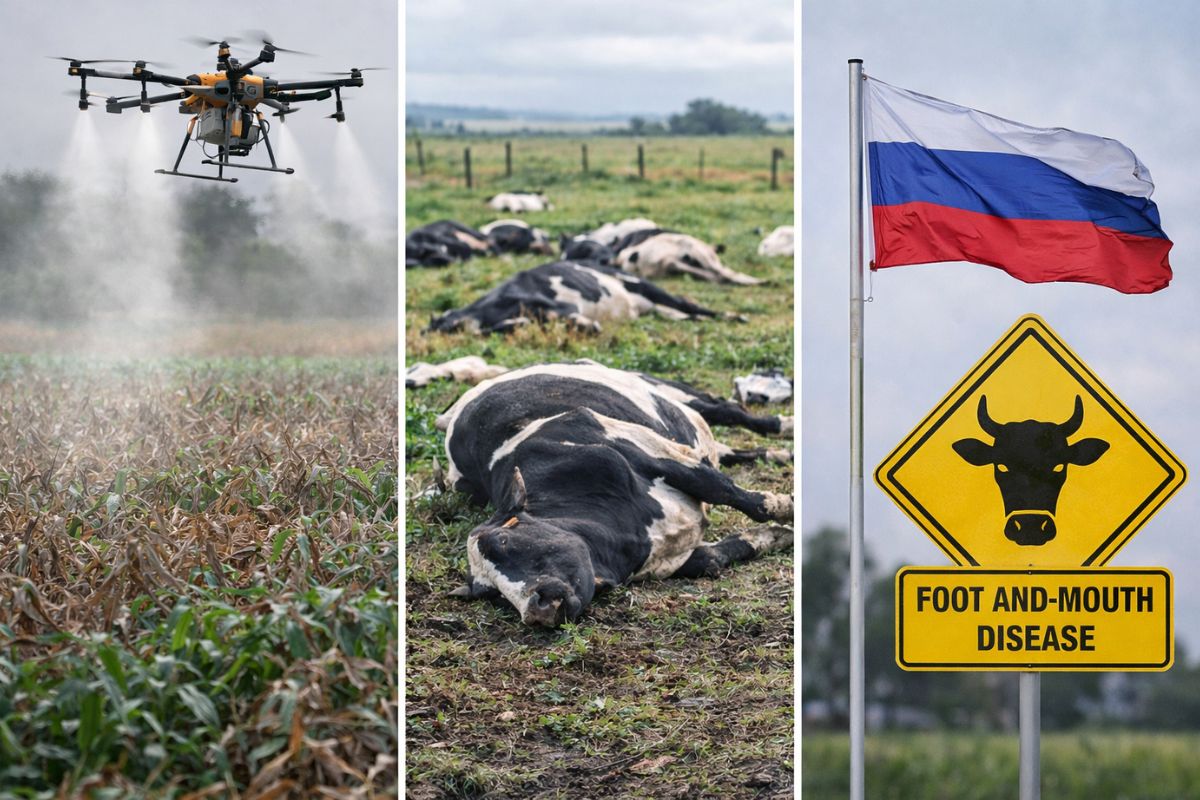
Agricultural drone sprayed poison into the air and destroyed the neighbor’s crops, causing 1 million in damages; 48 cows died from nitrite poisoning in the pasture, and Russia is hiding a possible outbreak of foot-and-mouth disease: the week was brutal for the rural sector.
-
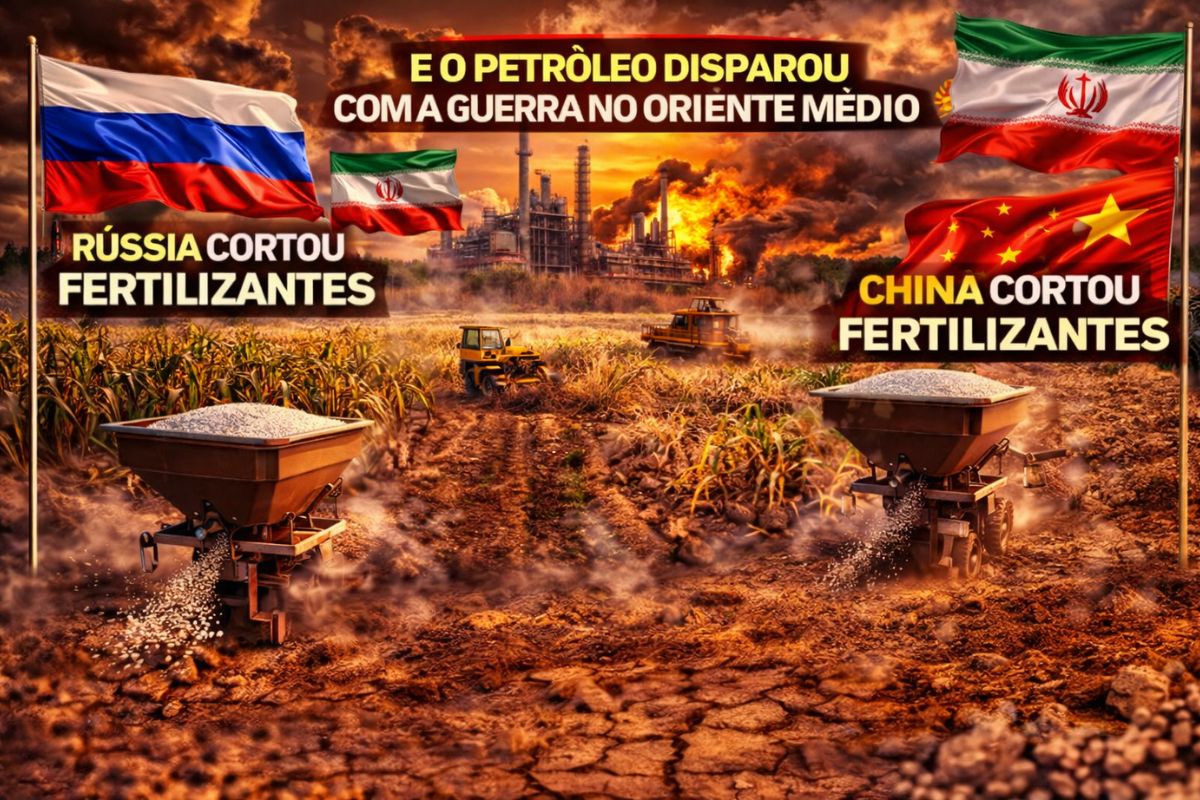
Russia cut fertilizers, China cut fertilizers, and oil prices soared with the war in the Middle East: sugarcane producers in the interior of São Paulo are seeing costs explode from all sides and warn that the effects will take months to be absorbed.
-
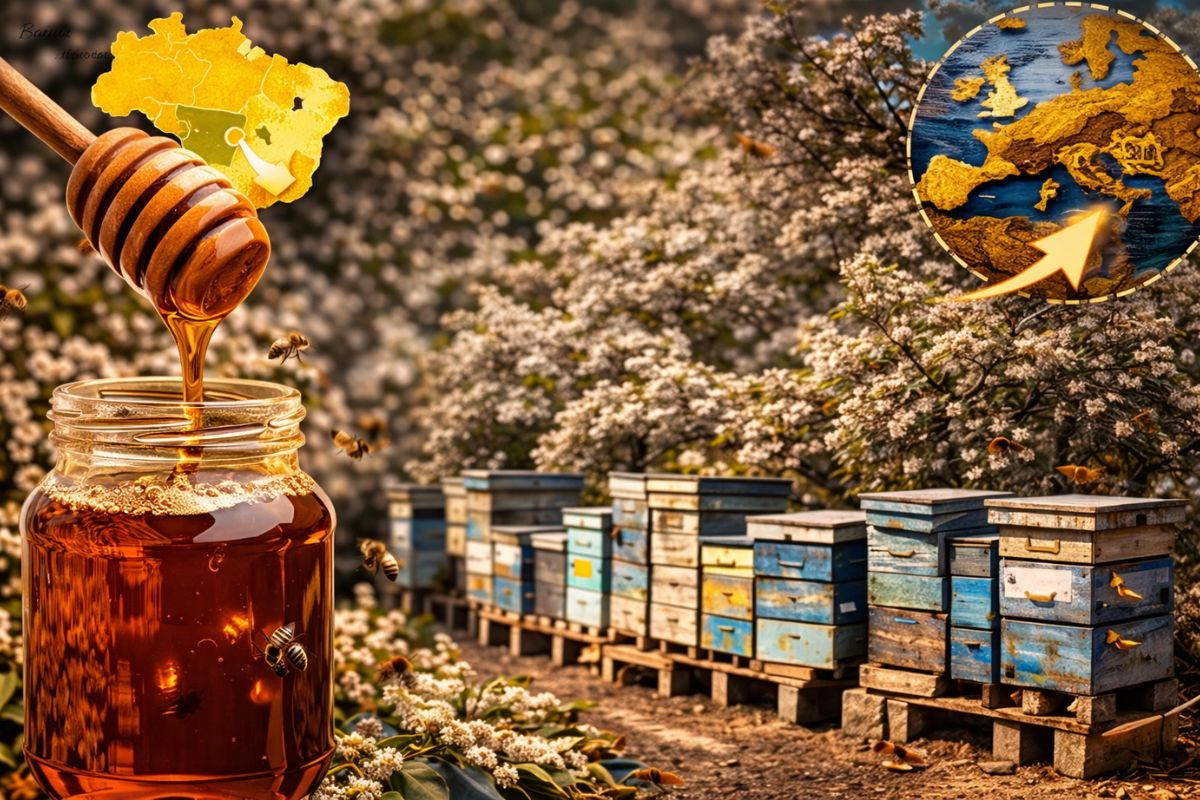
It does not come from flowers, is produced only every two years, and more than 90% goes straight to Europe: meet the bracatinga honeydew honey from Santa Catarina, considered one of the rarest in the world and overlooked by Brazil itself.

Yasmin says she went to her parents’ house during the pandemic to “spend a few days,” escaping the tightness of the apartment and the isolation, and ended up staying for 15 days, then 20, until she decided to remain in Fortaleza de Minas.
What was a pause became a choice, and the countryside began to take the place that was once just for rest.
Her parents were already in the region, retired, and the adaptation happened through small tasks: taking care of the chickens, adjusting the routine, observing the time of the land.
She herself summarizes the transition as something “light,” without forcing a sudden change, until she realized that she was, in fact, living off the land and structuring life around it.
Weekly Market as a Clock for Income

The countryside, for Yasmin, has a clear marker: the market. She sells once a week, on Fridays, in Itaú de Minas, the neighboring town.
It is there that an important part of the money comes in and where planning needs to fit production, storage, packaging, and transportation.
When the sale is weekly, a mistake costs a whole week.
The caramel sauce appears as one of the main items at this stall.
It starts early on the stove and “goes all day” in the copper pot. Yasmin says she works with four types of caramel sauce, including versions like paçoquinha, creamy, and variations with peanut.
The countryside, in this format, is not just about planting: it’s about maintaining a production cycle that can withstand repetition and quality, week after week.
Coffee Roasted at Home and the Logic of What Goes to the Stall
Besides the caramel, Yasmin describes that she takes seasonal fruits and some vegetables to the market.
Avocado appears as an example of a product that sells well, alongside other seasonal fruits, while part of what is cultivated also becomes food for the animals.
The countryside becomes a closed system when what you plant feeds what you raise.
Coffee also enters this cycle.
She affirms that she still maintains coffee on the property, although the area has been reduced to prioritize more pasture for the cows.
The coffee she consumes and sells is produced there and roasted by her and her mother.
In practice, it is a short chain: plant, harvest, roast, and offer, with the control of the process concentrated within the countryside.
Water from the Tanks, Solar Energy, and Organic Garden in the Rhythm of the Weather
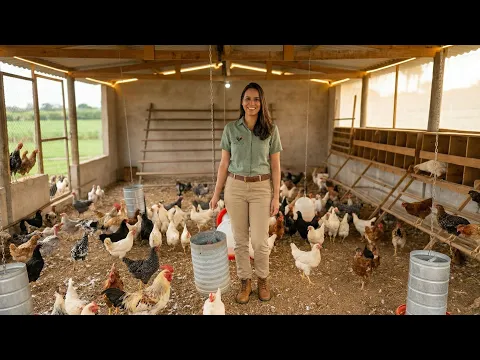

The organization of the countryside also shows in the water. Yasmin maintains tanks with tilapia, still for personal consumption, and describes that they function as water storage.
The distribution is supported by a solar panel: water from the first tank, without fish, is used for the poultry house, horses, cows, and other needs; while the water from the tank with fish goes directly to the garden, enriched by what she calls “fertilized.”
It’s reuse with a practical function, not just words.
In the garden, she insists on the term: organic garden, “everything organic.” She says she avoids overplanting during the rainy season and prefers to respect the timing, recovering beds when the weather allows.
She mentions drip irrigation and states that she does not use chemical fertilizers, working with manure and natural inputs.
The countryside, here, becomes a calendar discipline: planting slowly, harvesting at the right time, and not clashing with the season.
Animals, Little Labor, and Work That Requires Presence
The countryside described by Yasmin depends on daily vigilance.
She takes care of her own animals to notice illness, feeding, and behavior, and acknowledges that she has help from Gilberto, especially with the cattle, but that labor is scarce.
In the countryside, lacking people means multiplying tasks, and this appears in how she limits growth to avoid losing control.
The raising is diverse: layers, ornamental birds, along with structures and enclosures under construction. She talks about gradual adjustments, building the space first and increasing the number later, to avoid disorganized growth. Between the garden, animals, and production for the market, the countryside becomes a management job: choosing what she can handle today, without promising what she can’t maintain tomorrow.
What began with a 45 m² apartment in Ribeirão Preto and a visit “just for a few days” during the pandemic turned into a whole life reorganized in the countryside, between Fortaleza de Minas and the border with Pratápolis.
Weekly market in Itaú de Minas, caramel sauce in the copper pot, coffee roasted at home, organic garden, fish tanks, and raising animals outline a daily life where time is measured by production, climate, and presence.
If you were in her place, what would weigh more in trading the city for the countryside: space, cost, mental health, or autonomy over your own work? And in a weekly market, what would you bet on to sustain your income: caramel, coffee, vegetables, or animal products?





👏👏👏❤️. Sucesso 🙏. Que Deus abençoe.
Maravilha:a paz não tem preço!
Eu gostaria de ir tá lá com ela. Gostei dela, da disposição e inteligência.
São tarefas que não causam cansaço mental. Eu amo essa vida. Passem meu contato pra ela. Obrigado Yasmin! Izolino.