





 Portuguese
  English
  Spanish
  4 min of reading
  0 comments


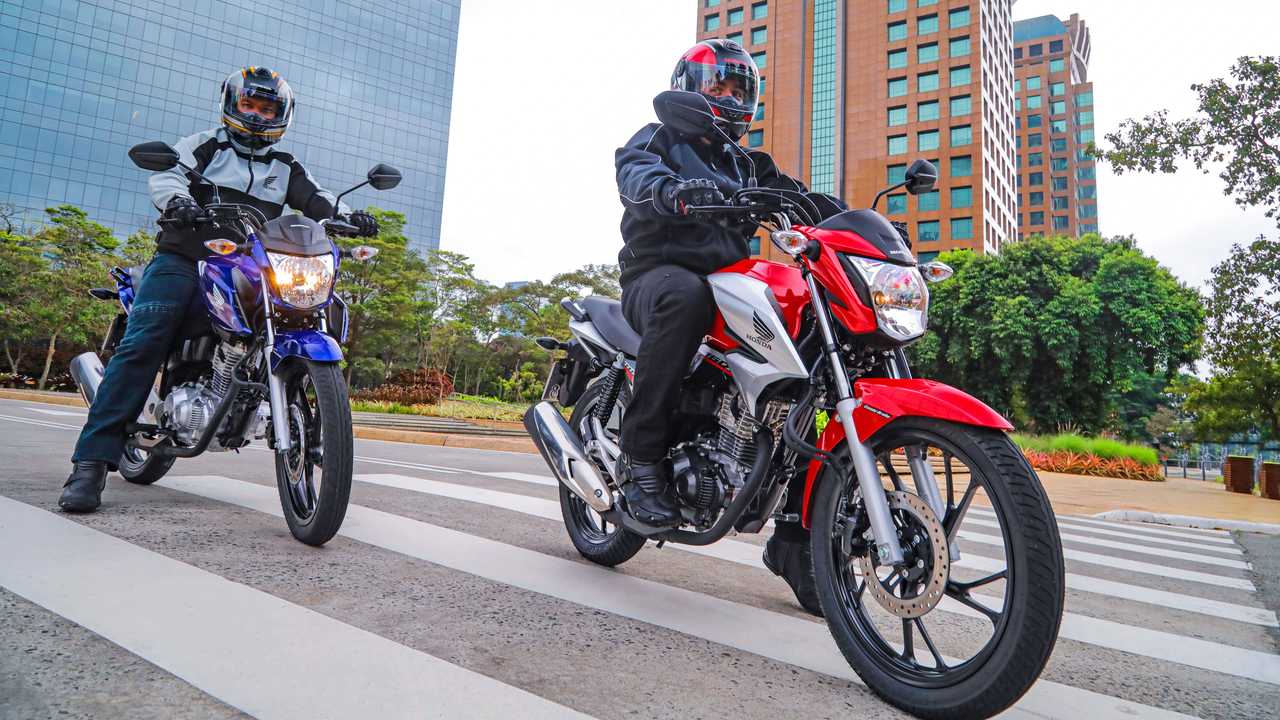
Honda CG Has Sold More Than 14 Million Units in Brazil, Surpassing Historical Rivals and Remains the Absolute Leader as the Most Popular Motorcycle in the Country.
Since the launch of its first version in 1976, the Honda CG has become one of the biggest phenomena in the Brazilian market. Designed to be simple, robust, and affordable, the motorcycle quickly gained popularity. Almost five decades later, the CG surpassed the mark of 14 million units sold, establishing itself as the most popular motorcycle in Brazil’s history.
The trajectory of the CG is marked by technological evolution, adaptation to consumer demands, and absolute leadership in sales — surpassing historic rivals such as the Yamaha Factor, the classic YBR 125, as well as scooters that tried to occupy its space in large cities.
The CG and Its Strength in the Current Market
Even in 2025, the CG remains unbeatable. Just between January and July, the CG 160 accounted for 22% of all motorcycles sold in the country, with 267,973 units registered, even surpassing the Fiat Strada, the absolute leader in the national car ranking. This performance reinforces the motorcycle’s role as one of the primary means of transportation in Brazil, especially in a scenario with high fuel costs and limited public transport in various regions.
-
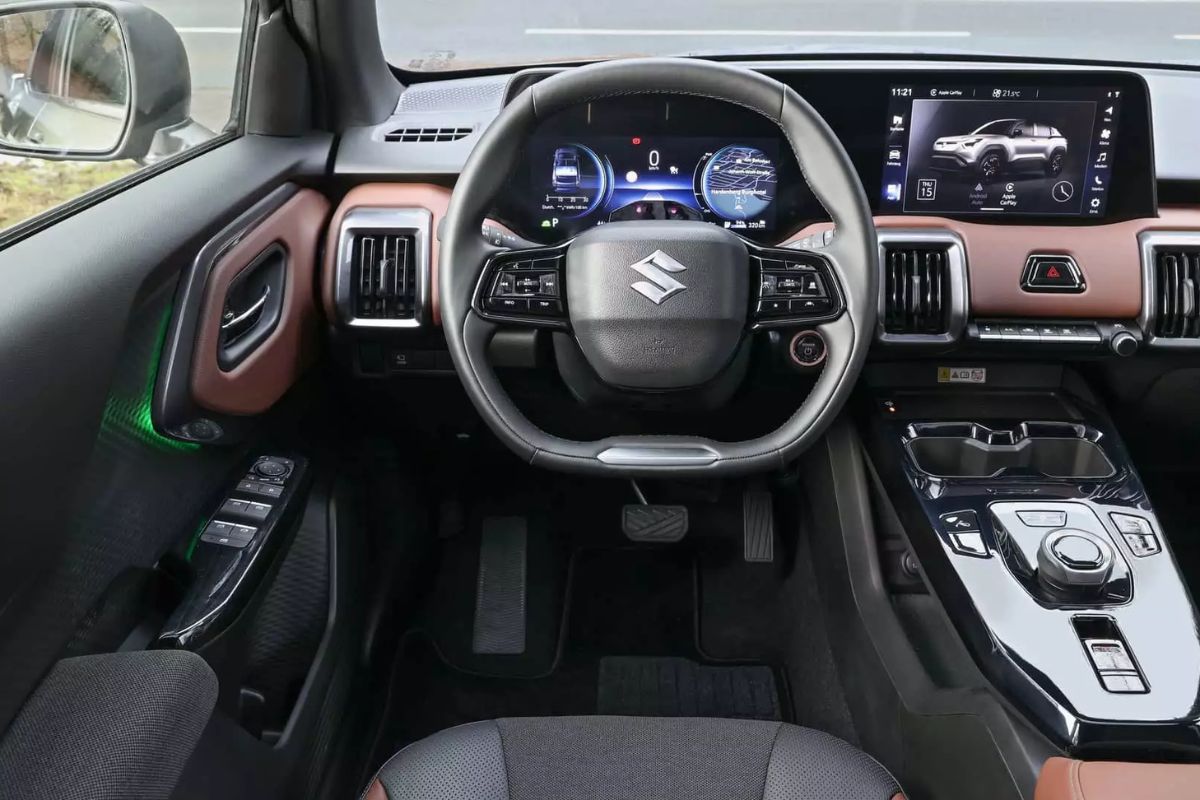
The 2026 electric Vitara arrives in Brazil and proves that Suzuki is not leaving: 4×4 traction, 184 hp, 61 kWh LFP battery, 293 km range, R$ 259,000, and a trunk capacity of 224 L.
-
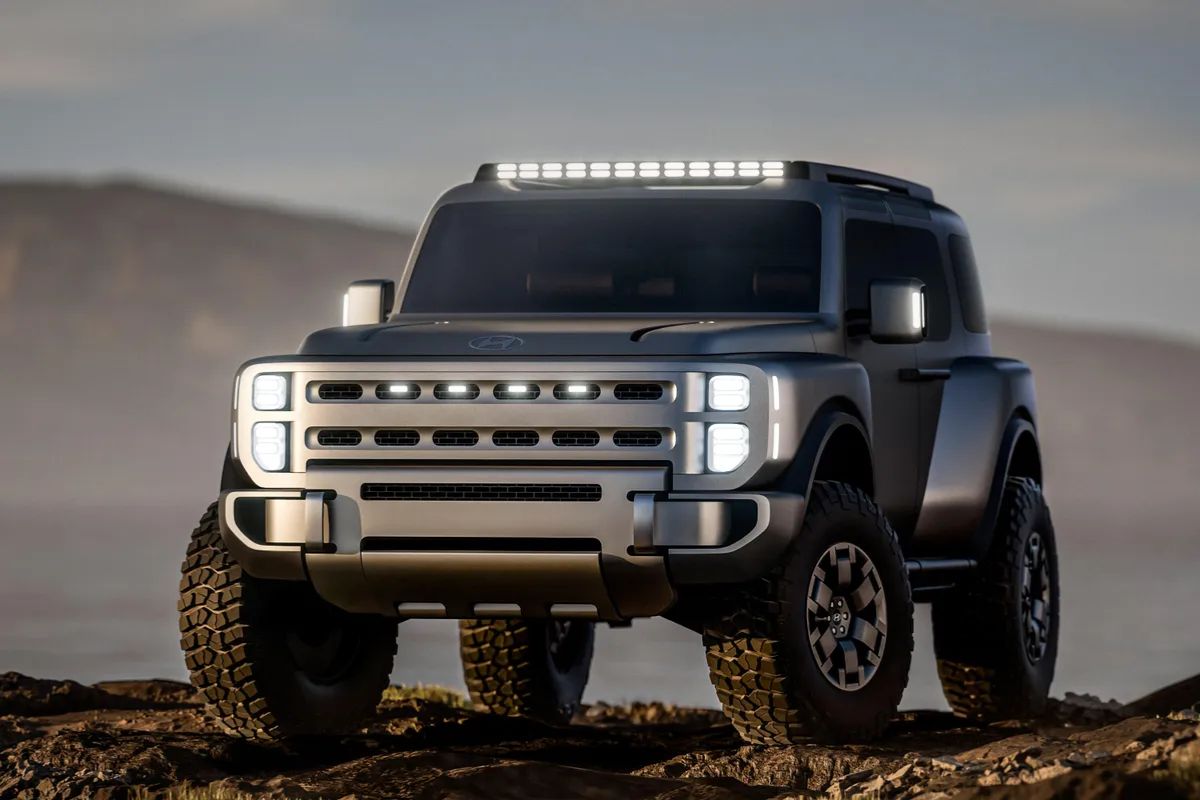
Hyundai has unveiled the Boulder, a square SUV with a body-on-frame design, 37-inch mud tires, and carriage-style doors that seems to be made to take on the Ford Bronco and the Scout Traveller in the United States.
-
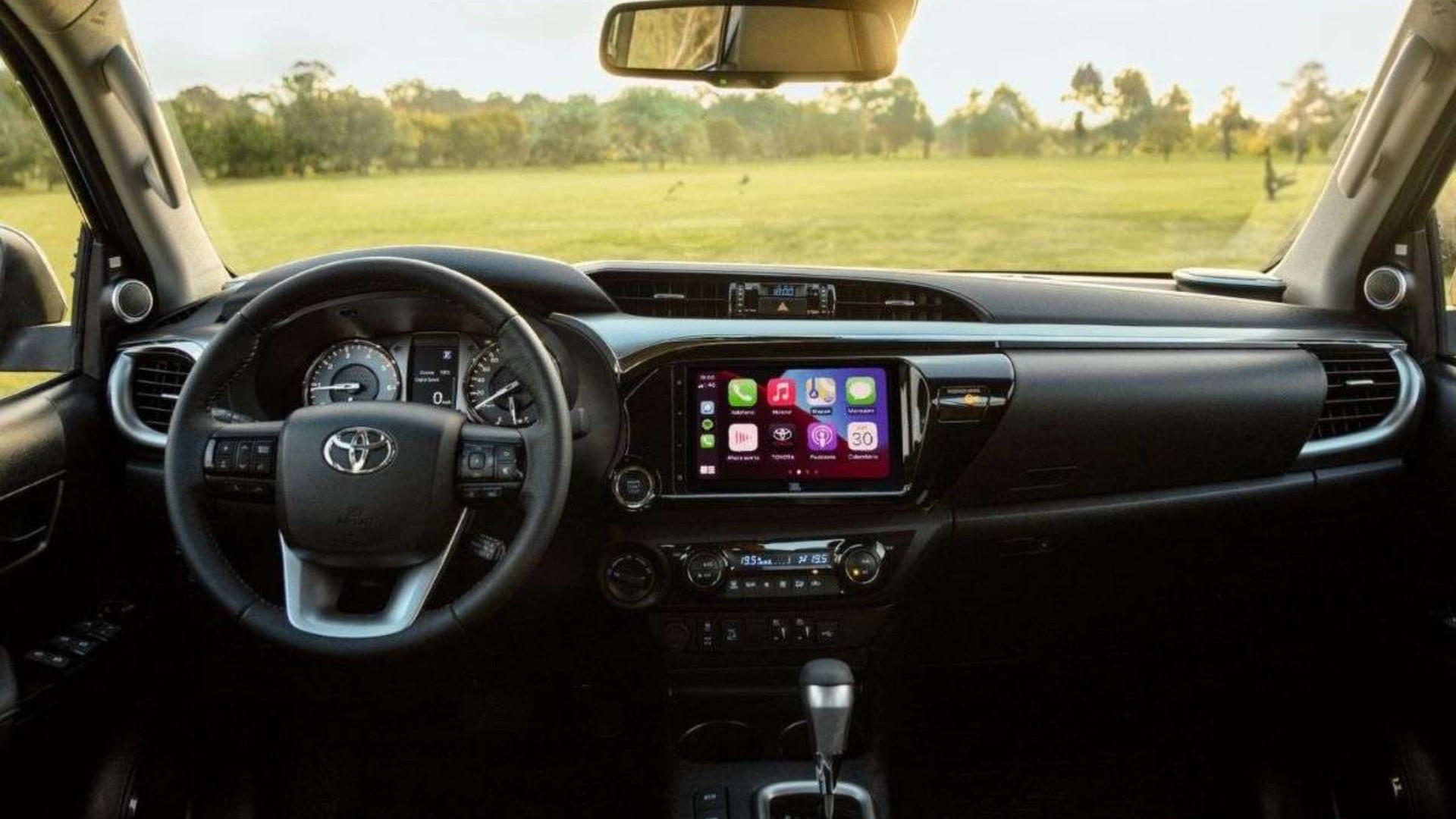
The Toyota Hilux is R$ 75.5 thousand cheaper and bets on the 2.8 turbodiesel engine with up to 204 hp and 50.9 kgfm to catch up with the VW Saveiro, which leads with 4,472 sales.
-
The new Renault Koleos has a screen exclusively for the passenger that is invisible to the driver, heated rear seats, and 29 assistance systems, but its Chinese competitors cost R$ 40,000 less and deliver more power.

While other models experience fluctuations in the market, the CG maintains an impressive consistency year after year.
Why Is the CG So Unbeatable?
The secret to the Honda CG’s longevity lies in a combination of factors that have made it a true national treasure:
- Fuel Economy: average consumption above 40 km/l, ideal for daily use.
- Cheap and Simple Maintenance: parts available throughout the country and workshops prepared to handle the model.
- Robustness: designed to withstand bumpy roads, intense work use, and even transport in rural areas.
- Variety of Versions: from the most basic to fully equipped versions with CBS brakes and fuel injection.
- Brand Trust: Honda has created an image of reliability and durability around the CG that transcends generations.
These points have helped the motorcycle win over both urban motorcyclists and professionals who rely on it for their livelihood, such as delivery workers and couriers.
Rivals That Fell by the Wayside
The CG hasn’t had an easy life. Throughout its journey, it faced heavyweight rivals, especially from Yamaha, like the YBR 125 and Factor 150. There were times when these competitors threatened Honda’s dominance, but none managed to stay at the top for as long.
Scooters, such as the Yamaha Neo, Dafra Citycom, and even imports like the Honda SH 150i, also tried to find space among urban dwellers seeking practicality, but they could not surpass the versatility of the CG, which combines low cost with unmatched robustness.
The Cultural Impact of the CG in Brazil
More than just a motorcycle, the CG has become part of Brazilian popular culture. Present in soap operas, songs, and even in the collective imagination, it symbolizes freedom, practicality, and mobility. In many rural towns, the CG is the most common vehicle on the streets, transporting workers, students, and families.
It has also become synonymous with work: motorcycle taxis and delivery workers have made the CG an essential tool for their livelihood. It’s hard to think of another vehicle that has played such a transformative role in the daily life of the country.
The Technological Evolution
Throughout the generations, Honda has never allowed the CG to stagnate. The motorcycle has received fuel injection, combined brake systems (CBS), flex engines, and constant improvements in design and comfort. This modernization has ensured that the CG remains relevant even in a competitive market.
While many models have appeared and disappeared, the CG has reinvented itself while maintaining its essence: being reliable, economical, and accessible.
With the arrival of electric scooters and the advancement of electrification in the automotive sector, many wonder: what will be the future of the CG? Experts believe that Honda will keep the model alive, perhaps with hybrid or electric versions, but without giving up the essence that has made it a leader for nearly 50 years.
The challenge will be to balance modernization and affordable pricing, but history shows that the CG has always found a way to adapt.
From 1976 to 2025: A Legend on Two Wheels
The Honda CG is not just the best-selling motorcycle in Brazil. It is a national mobility icon, responsible for mass motorization, social inclusion, and even income generation. From 1976 until today, its constant presence on the streets is proof of a success that no other rival has managed to match.
With more than 14 million units sold, the CG has ceased to be just a Honda product: it has become part of the Brazilian identity on two wheels.








Seja o primeiro a reagir!