





 Portuguese
  English
  Spanish
  5 min of reading
  0 comments



The Continuous Cash Benefit (BPC), managed by the INSS, guarantees a minimum wage of R$ 1,621 per month for elderly individuals aged 65 or older who have never contributed to social security, provided they prove a family income per capita of up to R$ 405.25 and are registered in the CadÚnico. Estimates from the Ministry of Social Development indicate that around 6.7 million people already depend on this benefit.
There is a benefit managed by the INSS that pays R$ 1,621 per month to elderly individuals aged 65 or older, even if the person has never contributed a single cent to social security in their entire life. The Continuous Cash Benefit (BPC), provided for in the Organic Law of Social Assistance (LOAS), is funded by the National Treasury and operated by the INSS. Unlike retirement, the BPC does not require a contribution period or waiting time: it is enough to prove a minimum age of 65 and low family income to be entitled to the monthly payment from the INSS.
Estimates from the Ministry of Social Development indicate that around 6.7 million people already depend on this benefit to live with dignity. Many elderly individuals who would be entitled to the INSS payment do not know that it exists or do not understand how it works. The BPC is a constitutional right provided for in Article 203 of the Federal Constitution and in Law 8,742/1993, and the amount paid in 2026 follows the current minimum wage of R$ 1,621.
What is the BPC and why does the INSS pay without requiring contributions?
The BPC is a social assistance benefit, not a retirement pension. This difference is fundamental to understand why the INSS pays without requiring prior contributions. INSS retirements function like insurance: the person contributes for years and, upon meeting the requirements, receives back.
-
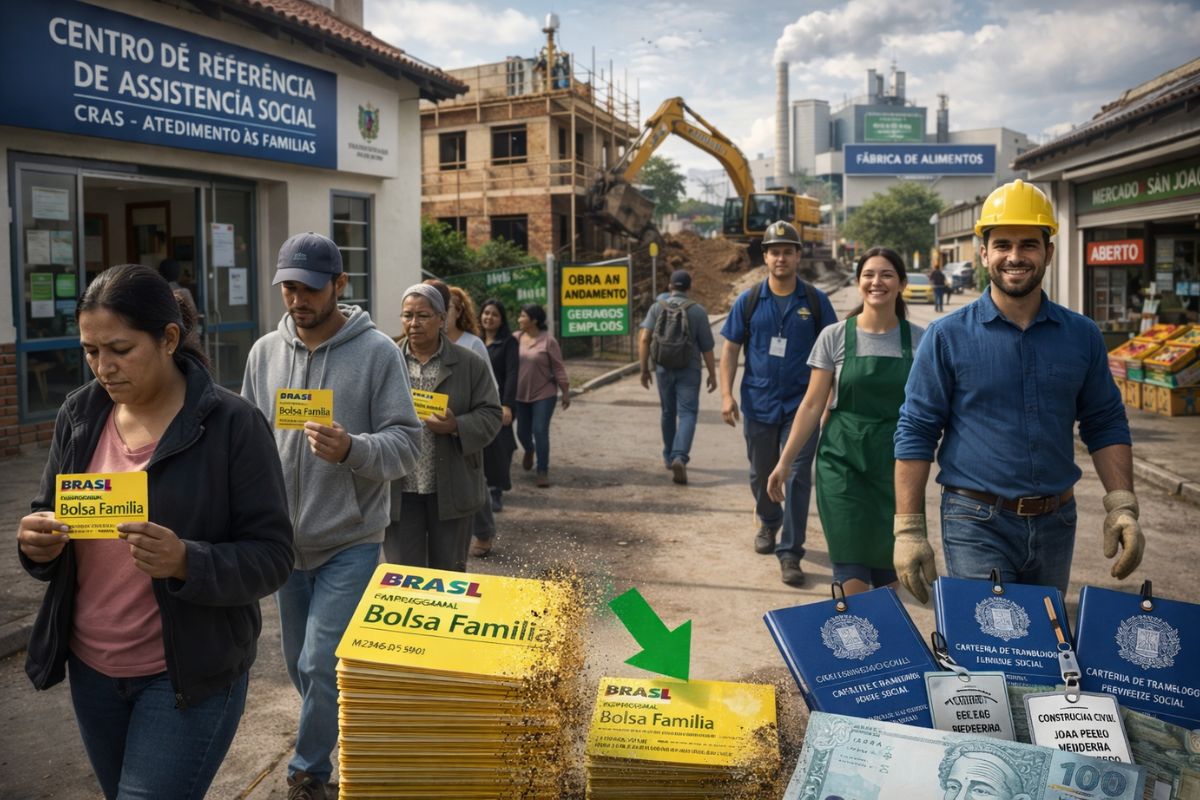
The gaucho city reduced the number of Bolsa Família beneficiaries by almost 40% in just a year and a half with active outreach that connects each registered person directly to job vacancies in Bento Gonçalves in Rio Grande do Sul.
-
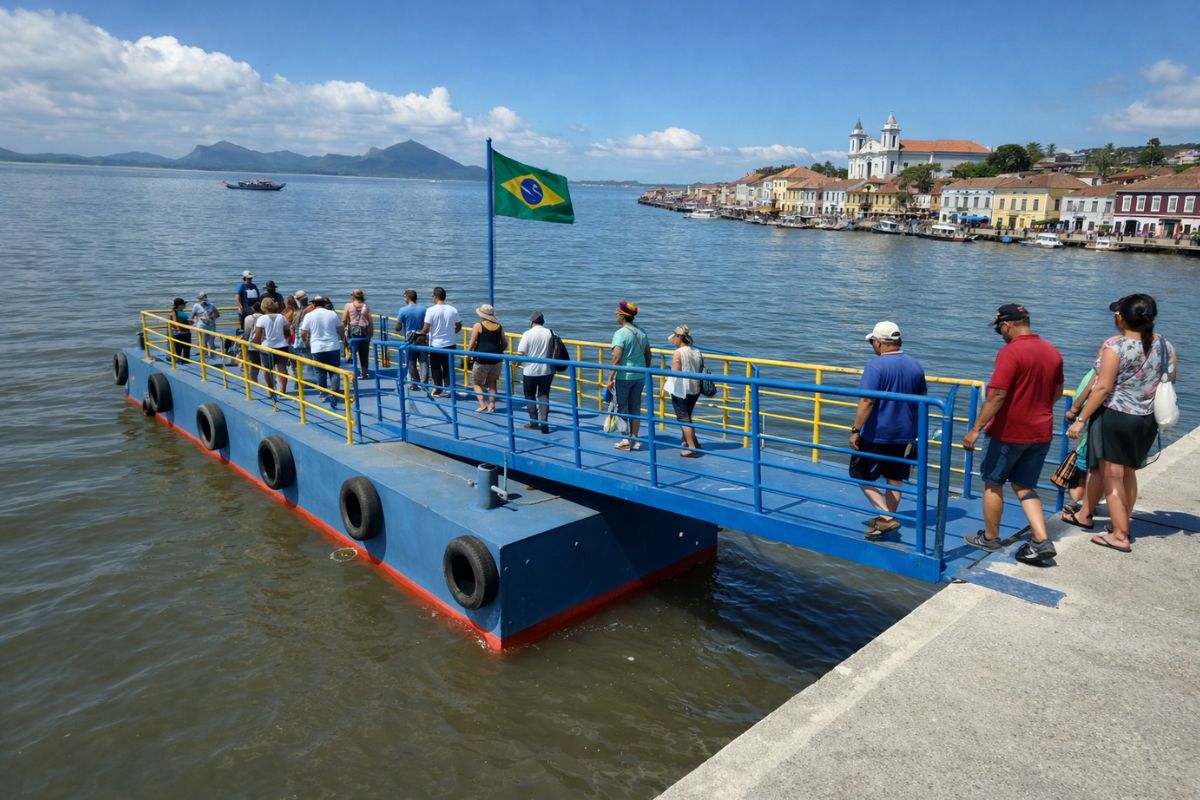
The bluest city in Brazil has just gained a new floating bridge for the free crossing between the island and the mainland, connecting residents and visitors to the historic center of São Francisco do Sul every day of the week.
-
In a silent race, Shopee signs a mega contract in Guarulhos and accelerates the e-commerce war with faster deliveries, pressured shipping, and a new threat to rivals in Brazil.

-
Oil surged to $115 a barrel due to the war in the Middle East, and diesel in Brazil has already risen to R$ 7.45 per liter, while the United States…


The BPC works differently: it is funded by the National Treasury as a safety net for those who have reached old age without the means to support themselves, and the INSS only operates the payment and the analysis of requests.
As it is assistance-based, the BPC has its own rules that differentiate it from the regular retirement pension of the INSS. The beneficiary does not receive a 13th salary. There is no right to a death pension for heirs. And the benefit cannot be accumulated with other pensions from the INSS.
The focus is exclusively to ensure the sustenance of the elderly while alive, functioning as a direct income transfer for those who have no other source of support.
What are the income requirements that the INSS requires to approve the BPC in 2026?
The central criterion for the approval of the request by the INSS is the per capita income of the family. To be entitled to the BPC in 2026, the income per person in the family must be a maximum of 1/4 of the minimum wage, which amounts to R$ 405.25.
The INSS adds up all the earnings of the household members, including salaries, pensions, income from informal work, and rents, to calculate if the family falls within the limit.
There are important exceptions. Since 2025, pension benefits of up to one minimum wage received by another elderly person in the same family no longer count in the INSS calculation for the new request. Resources from the Bolsa Família and supervised internships are also excluded.
This change allows two elderly individuals in the same household to receive the BPC simultaneously, provided each meets the individual requirements with the INSS. In cases of high health expenses, the Justice may relax the income limit to up to half a minimum wage.
How to apply for the BPC through the INSS digitally or in person
The BPC request can be made from home through the Meu INSS portal or app, where the applicant attaches photos of the documents required by the system. Another option is telephone assistance via the number 135, where the citizen schedules the service and receives guidance on the nearest INSS unit.
The necessary documents include RG or National Identity Card (CIN), CPF, updated proof of residence, and proof of registration in the CadÚnico issued by the CRAS.
The analysis process by the INSS usually takes a few months, but the payment is retroactive to the date of the first request. It is essential to keep the address and phone number updated to avoid missing social assessment summons.
The federal government expanded video conference assessments in 2026 to expedite services in rural areas, reducing the waiting lines that prevented many elderly individuals from accessing the benefit through the INSS.
The biometric registration in the new National Identity Card (CIN) has also become a requirement in security checks.
What changes in the INSS in 2026 and who can benefit from the new rules
Proposals currently in Congress seek to permanently raise the income limit to half a minimum wage, which would expand the number of Brazilians protected by the INSS benefit. If approved, this change would include families that currently earn just above the current limit but still live in vulnerable situations.
The expansion of the income limit is the most significant change under discussion and could benefit millions of elderly individuals who are currently excluded from the BPC by a narrow margin.
According to estimates from the Ministry of Social Development, the annual investment in the BPC reflects the State’s commitment to reducing extreme poverty among the elderly and people with disabilities throughout the national territory.
For those who do not know if they are entitled to the INSS benefit, the first step is to check if they are registered in the CadÚnico at the CRAS in their city and if the family income per person is within the limit of R$ 405.25. If both criteria are met and the elderly individual is 65 years or older, the right to the BPC exists regardless of having never contributed.
A right that exists, that pays R$ 1,621 and that many people do not know they have
The BPC is a benefit operated by the INSS that pays R$ 1,621 per month to elderly individuals aged 65 or older who have never contributed to social security. It does not require a contribution period, does not require waiting time, and is not retirement: it is social assistance guaranteed by the Constitution.
About 6.7 million Brazilians already receive this payment from the INSS, and many others would be entitled but do not know that the benefit exists or do not understand the rules for applying.
If you know someone over 65 years old, without income and without retirement, the BPC could be the difference between dignity and helplessness.
Did you know about the BPC from the INSS? Does someone in your family have the right and has not yet applied? Do you think the income limit should be raised to half a minimum wage? Leave your comments and share this article with those who need to know that it is possible to receive R$ 1,621 per month from the INSS without ever having contributed.








Seja o primeiro a reagir!