





 Portuguese
  English
  Spanish
  3 min of reading
  0 comments


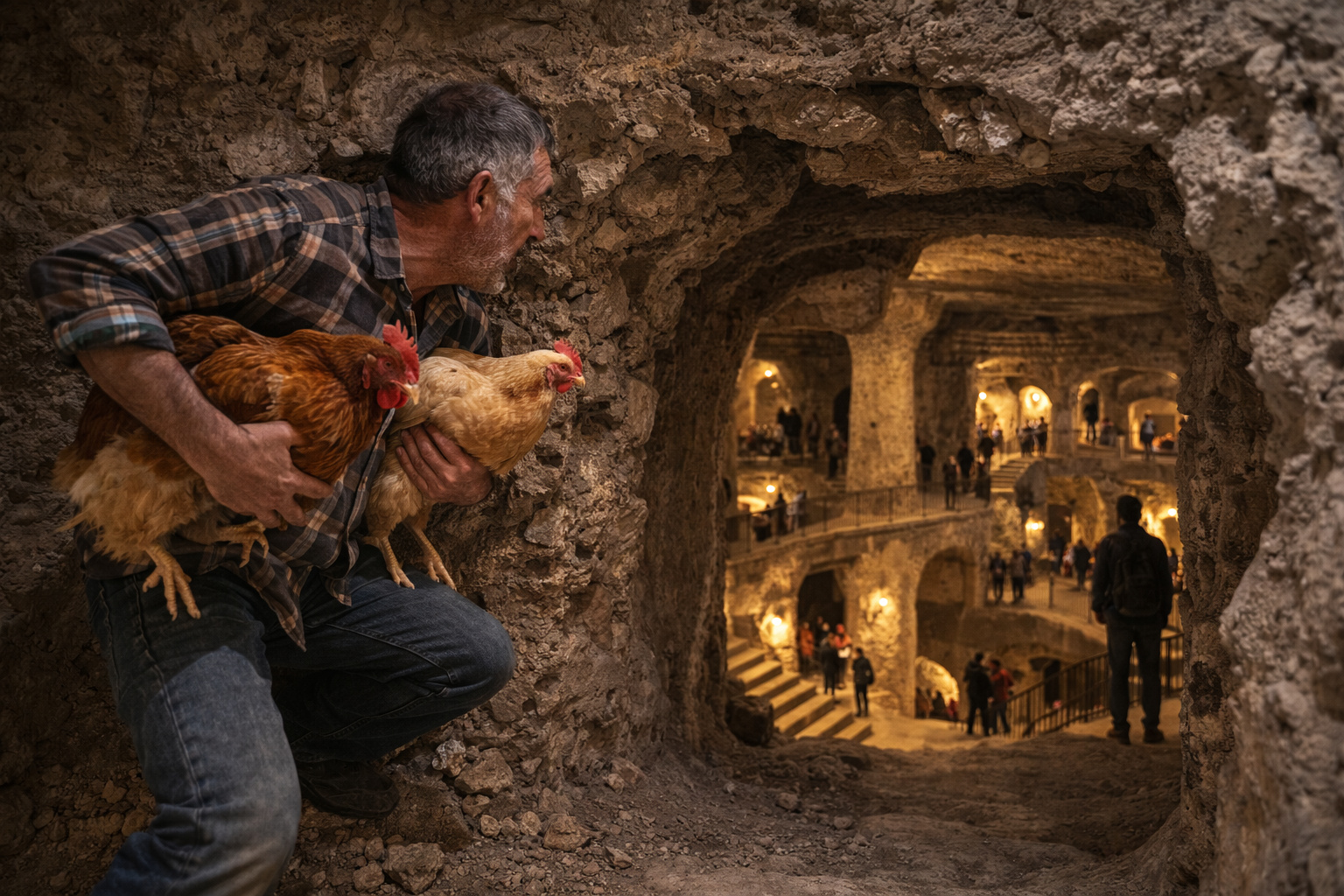
Accidental Discovery Made In The 1960s Revealed Derinkuyu, A Huge Underground City With 18 Levels, Tunnels And Structures Capable Of Supporting Entire Communities
An Impressive Archaeological Discovery Emerged Unexpectedly In The Cappadocia, Turkey.
In The 1960s, A Local Resident Decided To Tear Down A Wall In The Basement Of His House While Trying To Retrieve Chickens That Had Escaped Through A Hole.
Upon Removing Part Of The Structure, A Dark Tunnel Was Revealed.
-
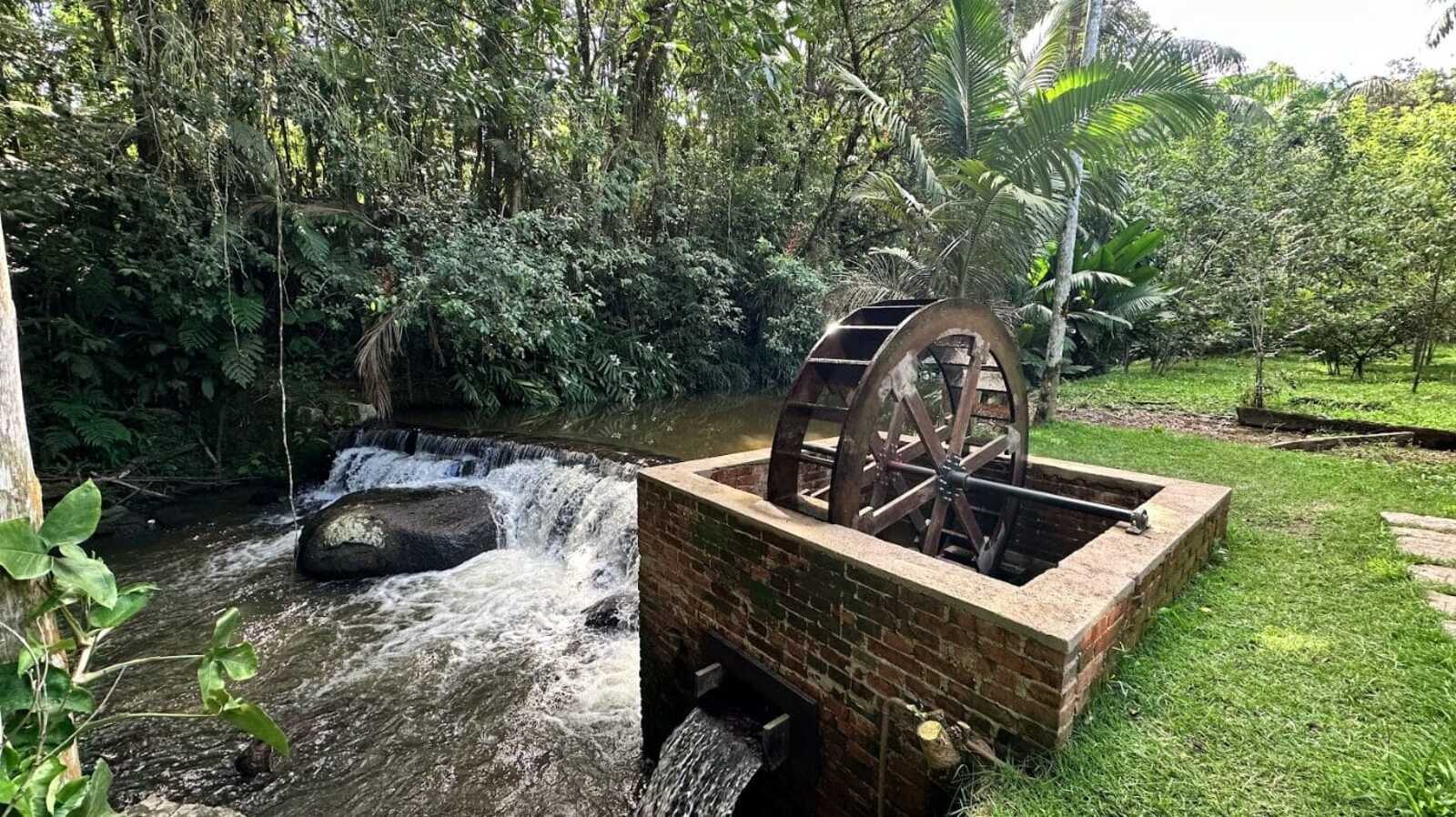
While restoring a historic mansion from 1910, a brick structure with an old turbine that generated energy from the Rio do Testo emerged, along with a hidden door and a rare floor concealed under layers of wax.
-
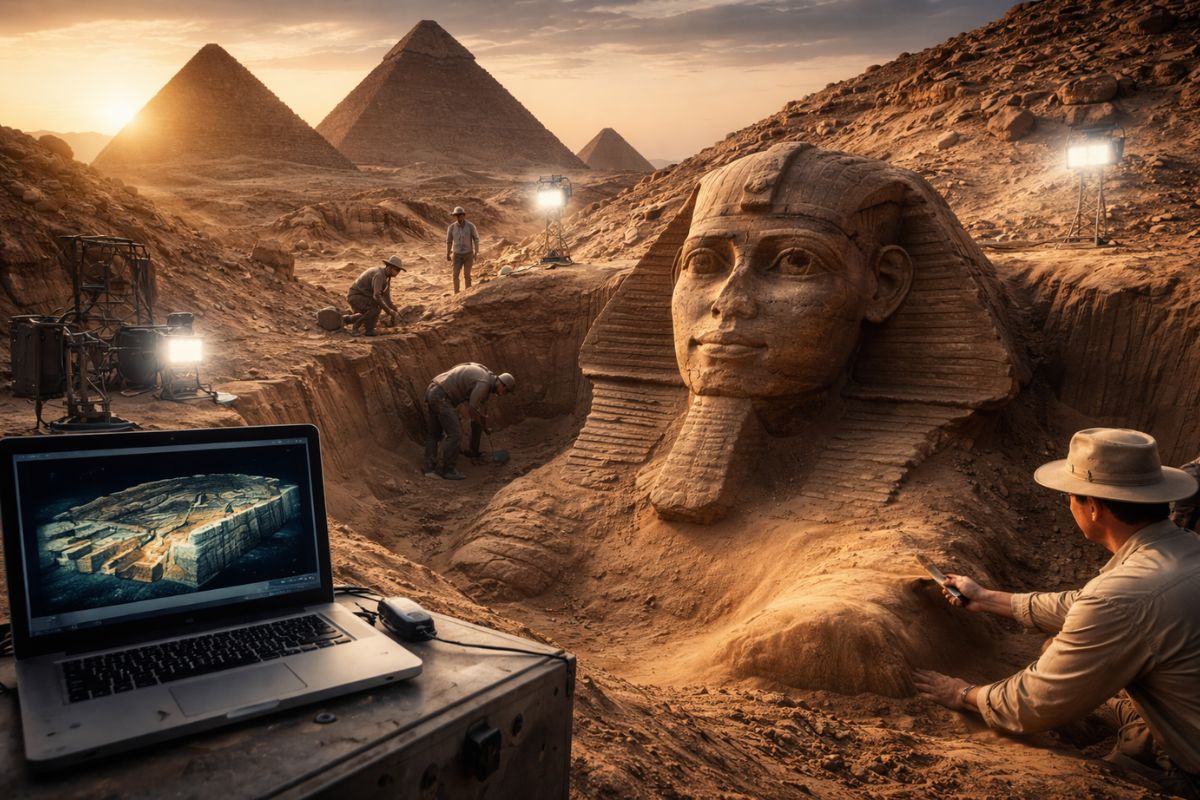
Italian researchers have detected what appears to be a second Sphinx buried under the sands of Egypt, and satellite scans reveal a gigantic underground megastructure hidden beneath the Giza Plateau for over 3,000 years.
-
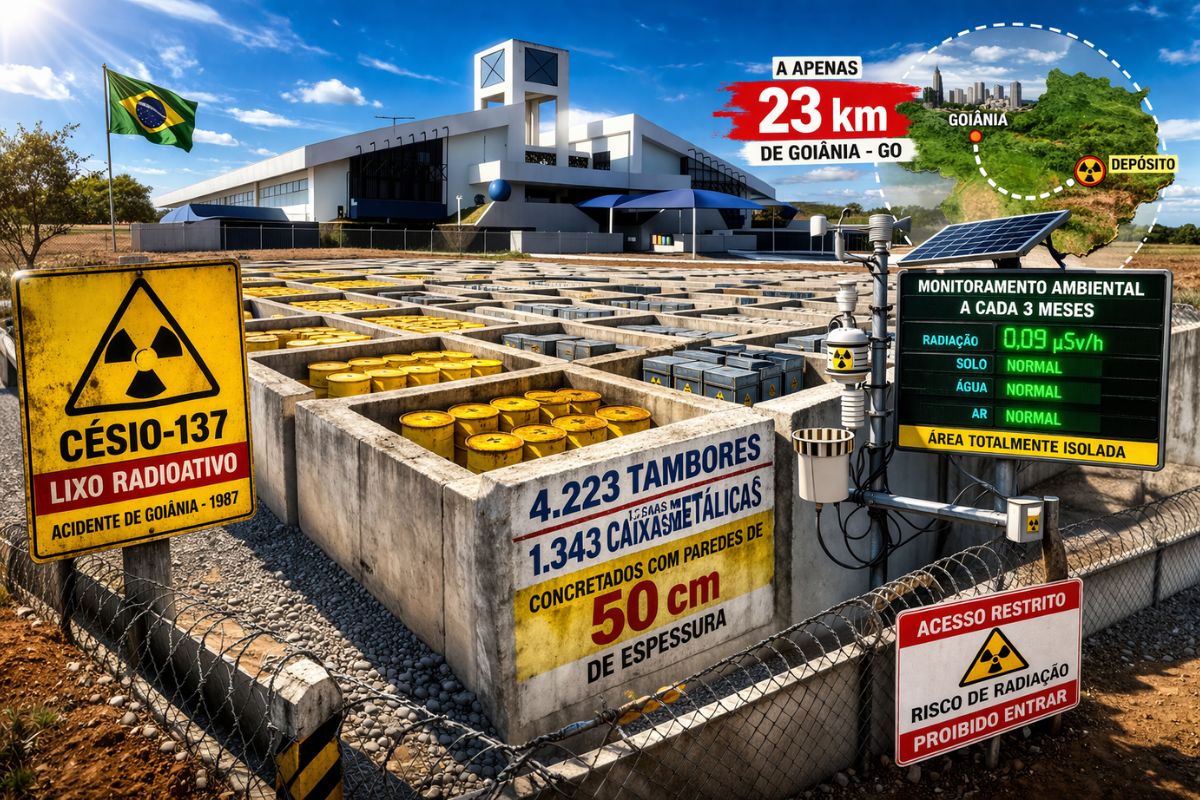
There are 4,223 drums and 1,343 metal boxes concreted with 50-centimeter walls that store the radioactive waste from Cesium-137 in the worst radiological accident in Brazil, just 23 kilometers from Goiânia, with environmental monitoring every three months.
-
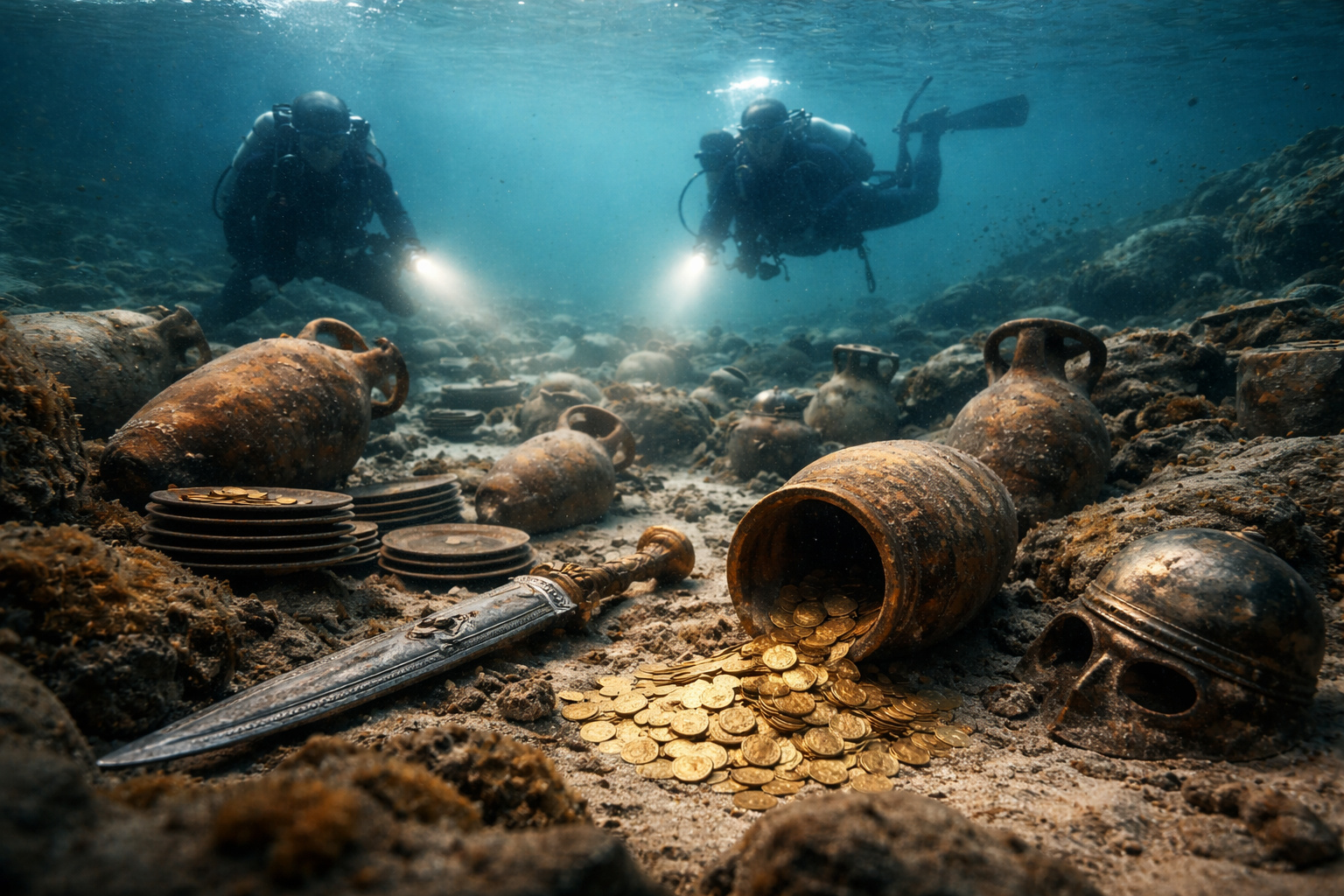
Giant Roman treasure found at the bottom of Lake Neuchâtel in Switzerland reveals an advanced trade system, circulation of goods, and armed escort in the Roman Empire about two thousand years ago.

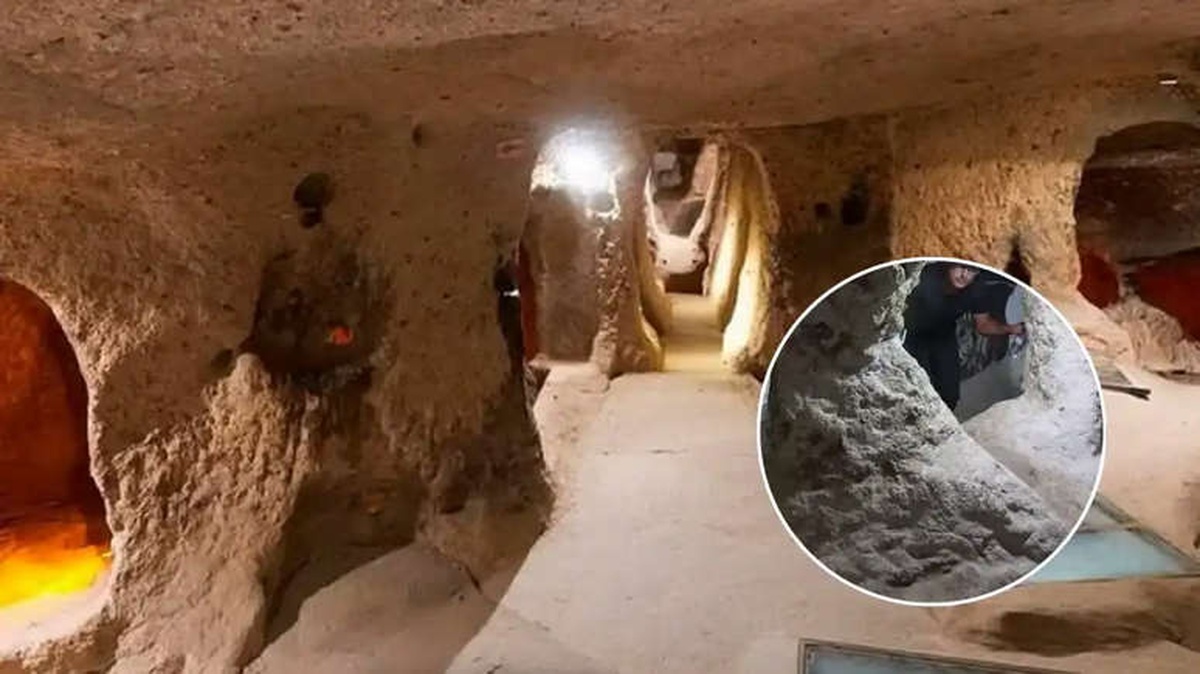
Soon After, This Corridor Led To A Gigantic Underground Complex.
This Led To The Rediscovery Of Derinkuyu, Known In Antiquity As Elengubu, Currently Considered The Largest Known Underground City In The World.
Located In The Central Anatolia Region, Derinkuyu Extends To About 85 Meters Deep.
Moreover, Archaeological Research Indicates That The City Is Connected To Over 200 Other Smaller Underground Villages Discovered Over The Last Few Decades In The Same Region.
Underground Structure Reveals Impressive Engineering
Inside The Complex, Archaeologists Identified 18 Different Levels Of Interconnected Tunnels.
These Spaces Were Organized To Support Entire Communities During Long Periods.
Among The Structures Found Are Residential Areas, Dry Food Storage, Stables For Animals, Schools, Wineries, And A Chapel.
Thus, The Underground City Demonstrates An Advanced Planning For Life In Underground Environments.
Additionally, Studies Indicate That The Site Was Initially Used To Store Goods.
Over Time, However, The Structure Became A Refuge For The Population During Periods Of Invasions.
Defense And Survival System Were Planned Underground
To Ensure The Survival Of The Residents, Internal Systems Were Carefully Developed.
Among Them Were Ventilation And Water Supply Structures, Essential To Maintain Life Underground.
Moreover, The Corridors Were Built Narrow And Low.
This Way, Intruders Would Be Forced To Advance Bent And In Single File.
Another Important Defense Element Was Huge Circular Stones.
These Stones Weighed About Half A Ton.
They Could Be Positioned To Block Passages Between The Levels Of The City.
Additionally, These Structures Were Moved Only From The Inside.
This Allowed The Residents To Protect The Complex From Invaders.
The City’s Origin Dates Back Over Two Thousand Years
Despite Archaeological Research, The Exact Date Of Derinkuyu’s Construction Is Still Unknown.
However, Historical Records Indicate That The City Already Existed Around 370 BC.
On The Other Hand, Researchers Believe That The First Underground Levels May Have Been Excavated Around 1200 BC.
Therefore, The City Has A History That Spans Over Two Thousand Years.
Various Peoples Occupied The Site Over Time.
Among Them Were Persians, Greeks, And Christian Communities That Lived In The Cappadocia Region.
According To Information Cited By The BBC, Derinkuyu May Have Served As A Refuge During Conflicts.
During The Islamic Attacks Against The Byzantine Empire In The 7th Century, For Example, The Complex May Have Sheltered About 20 Thousand People.
Abandonment Of The City Occurred After The Greco-Turkish War
After Approximately Two Thousand Years Of Use, The Underground City Was Eventually Abandoned.
This Happened In 1923, After The Greco-Turkish War.
At That Time, Greeks Living In Cappadocia Migrated To Greece.
Thus, Derinkuyu Remained Decades Without Occupation.
Later, The Complex Was Rediscovered And Studied By Archaeologists.
Over Time, The Site Became A Tourist Attraction.
In 1985, The Historical Region Of Cappadocia Was Included In The UNESCO World Heritage List.
Since Then, Derinkuyu Has Become One Of The Most Impressive Examples Of Underground Engineering From Antiquity.
An Entire City Hidden Beneath A Common House Was Unveiled By Chance.
In Light Of This Extraordinary Discovery, An Inevitable Question Arises: How Many Other Ancient Cities May Still Be Hidden Beneath The Soil Awaiting Discovery?






-

Uma pessoa reagiu a isso.