





 Portuguese
  English
  Spanish
 7 min of reading
  16 comments


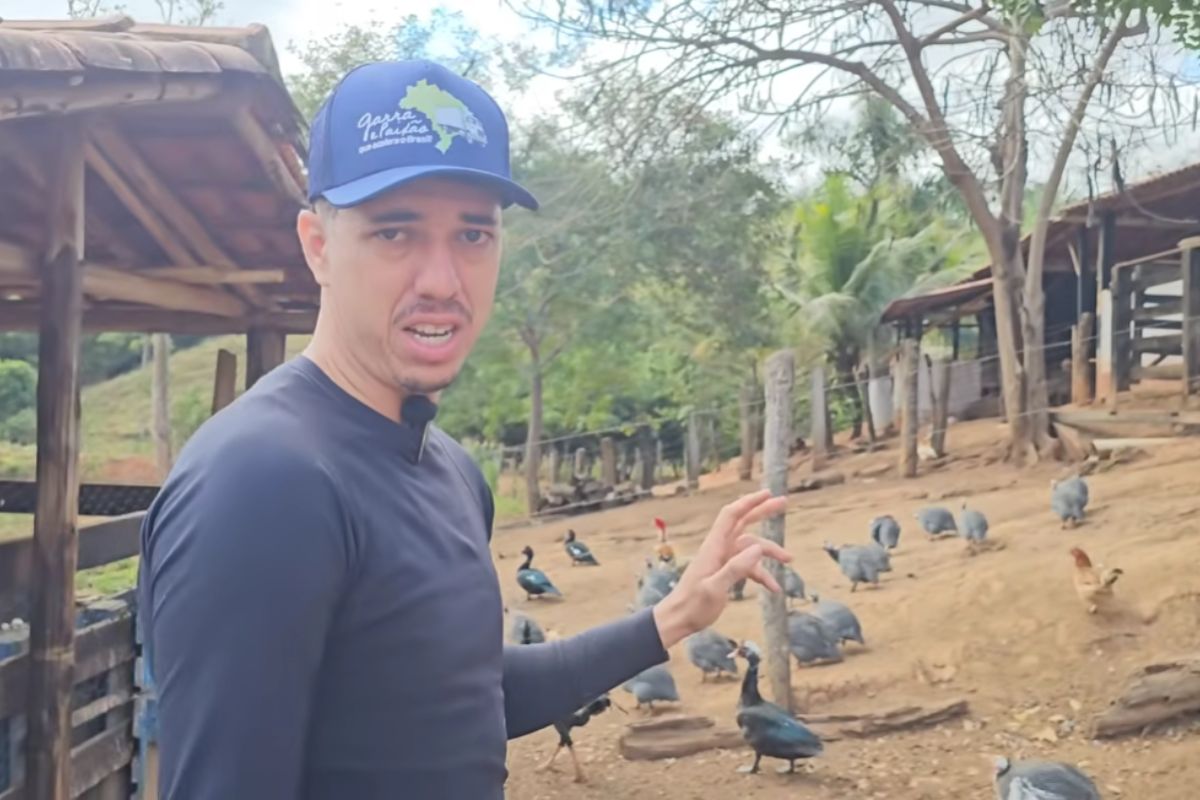


In The Inherited Farm, Juninho Organizes The Water From The Creek In Tank, Raises Chickens, Takes Care Of Every Cow And Shows How A Young Person Can, With Little Investment And A Lot Of Daily Management, Live From Their Own Production Without Returning To The Rush Of The City, Searching For Peace, Discipline, Learning For The Son.
What today seems like a small organized farm was once just a plot of land with weeds and silence. When Juninho arrived, there were no chickens, cows, tanks, or waterwheels: just the certainty that farming would be the way to build a more stable life and family. From there, he began to piece together the basic structure to produce food, generate income, and occupy the entire area with some type of farming or planting.
Around the house, in the interior of Minas, the logic is simple and harsh: if the farm has water, chickens, cows, and tanks working well, the family eats, sells something, and keeps the farm afloat. Without this, the cost of the city calls again.
From Nothing To More Than 100 Chickens In The Backyard

The beginning was modest. Juninho received a pair of birds, a rooster and a hen, from a neighbor and started to raise the first chicks.
-
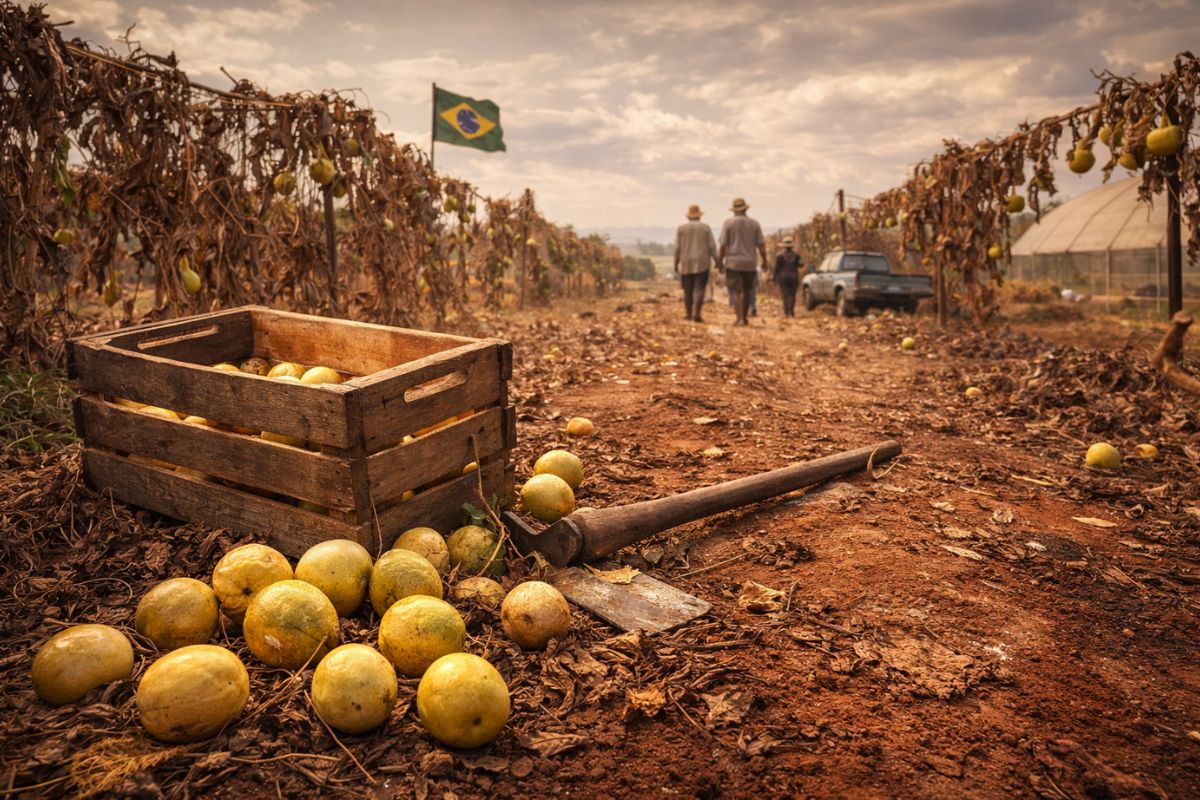
From 130 producers in the year 2000 to just 15 today: the dramatic decline of passion fruit in Araguari shows how the lack of labor in the Brazilian countryside is killing a decades-old agricultural tradition, even with Brazil being the largest producer in the world.
-
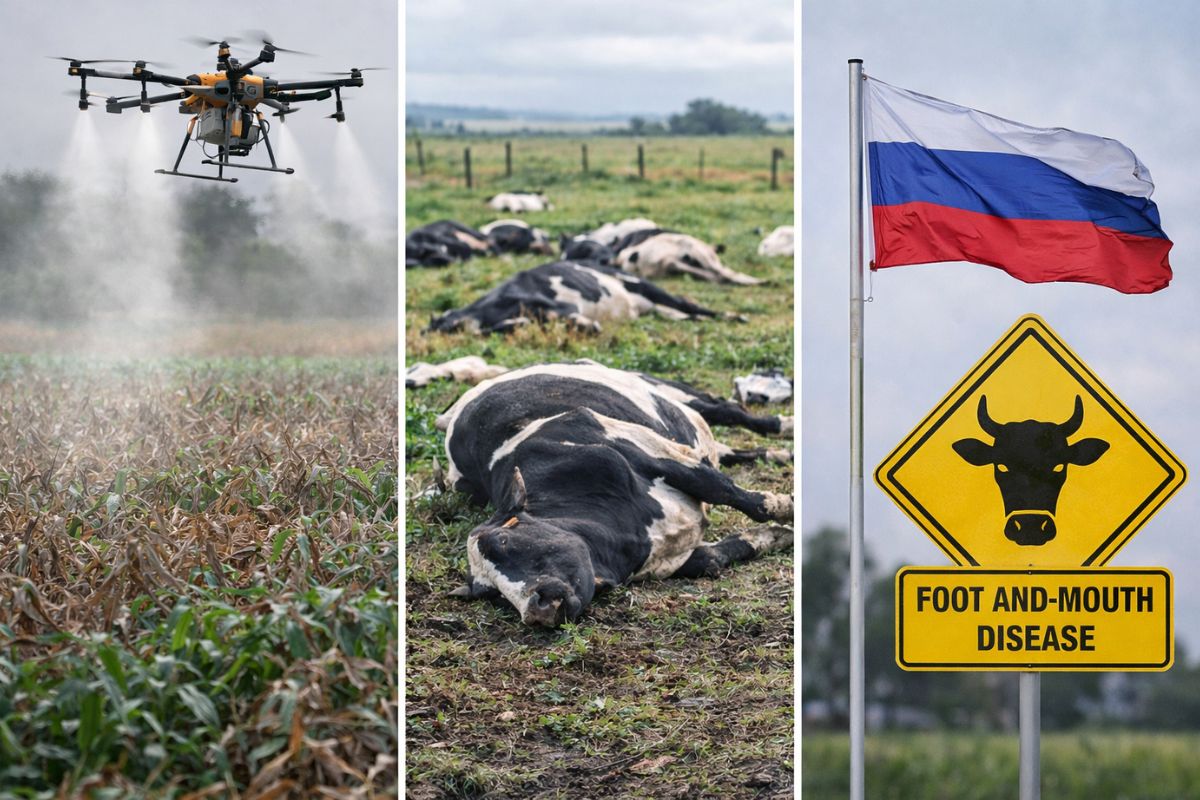
Agricultural drone sprayed poison into the air and destroyed the neighbor’s crops, causing 1 million in damages; 48 cows died from nitrite poisoning in the pasture, and Russia is hiding a possible outbreak of foot-and-mouth disease: the week was brutal for the rural sector.
-
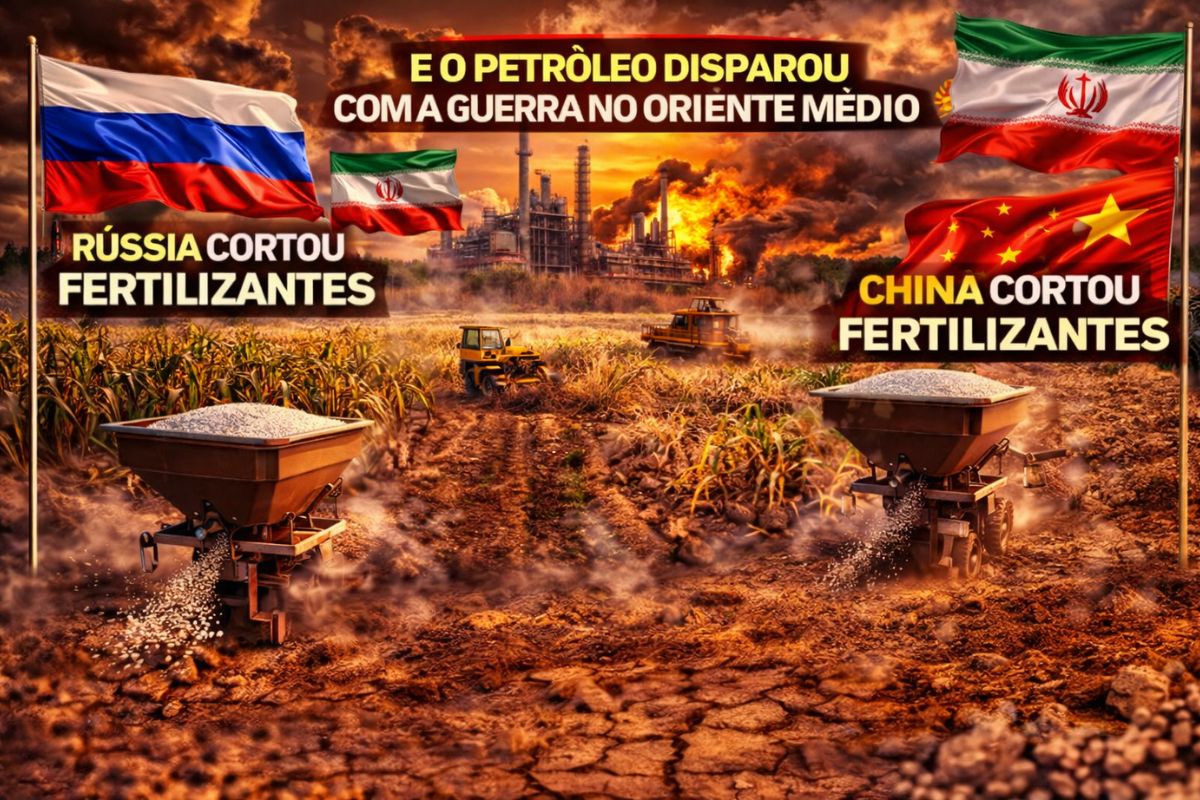
Russia cut fertilizers, China cut fertilizers, and oil prices soared with the war in the Middle East: sugarcane producers in the interior of São Paulo are seeing costs explode from all sides and warn that the effects will take months to be absorbed.
-
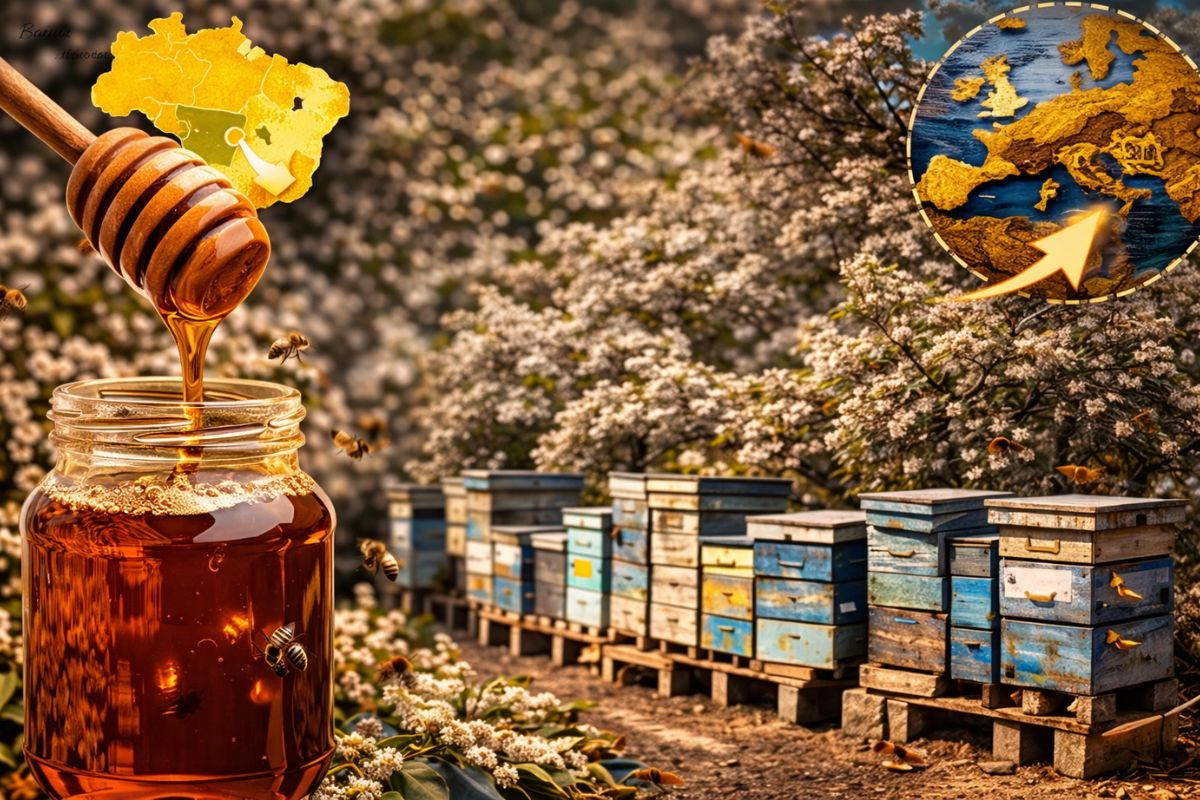
It does not come from flowers, is produced only every two years, and more than 90% goes straight to Europe: meet the bracatinga honeydew honey from Santa Catarina, considered one of the rarest in the world and overlooked by Brazil itself.

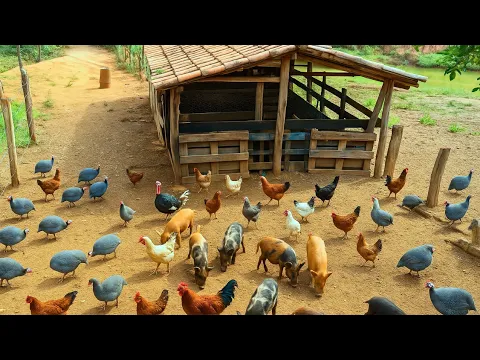
Today, he estimates having around 70 chickens roaming the backyard and approximately 30 chickens kept in specific facilities for egg production.
These chickens are not just a symbol of the farm, but a central part of the income and food. He learned through practice that management directly influences the health of the birds.
Overfeeding caused some to grow too heavy, reaching near 5 kg, which increases leg problems and mortality.
Gradually, he understood that the ideal is to work with the amount of feed per head, around 250 g to 400 g per chicken, distributed properly in the trough.
In addition to chickens, the backyard gained life with ducks that flew in from the woods, adapted to the tank, and became domesticated.
There are also guineafowl, turkeys, and pigs, all organized in different areas.
The result is a living system, where the diversity of farming protects the family from relying on a single farm product.
Cow, Pasture, And Streamlined Milking Routine

If chickens provide eggs and meat, cows are the foundation of milk and the continuity of family tradition. Juninho works with few cows, focusing more on the quality of management than on large-scale production.
The cow that produces the most today delivers about 10 liters of milk per day with just one daily milking, which reduces the wear on the animal and labor demand.
The pasture is mostly brachiaria, planted in a hilly area.
He organizes the herd in a simple rotation system: every seven days, he moves the cows to a new pasture.
The goal is to prevent the pasture from being overgrazed, keeping the height around 30 centimeters, which favors regrowth and soil conservation.
The sight of a cow on the farm goes beyond milk.
There is a goose that practically adopted a specific cow, follows the animal everywhere, and has become a character on the farm, reinforcing the family’s emotional bond with their own livestock.
For Juninho, each cow represents a combination of memory, work, and responsibility for what has been built over three generations.
Fish Tank, Moving Water And A Much Lower Electric Bill

On a rural plot, water is the most strategic asset.
In Juninho’s case, it comes from a creek known in the region, originating in the highlands with several contributions from other springs along its course.
Before the pandemic, the site only had the creek bed; there was no tank to store or work with the water.
He decided to invest in infrastructure.
He dug the first tank at the top, then expanded it to other points.
Today, the system has three main tanks, interconnected by buried pipes of 100 mm and 200 mm.
In the tanks, he raises tilapia, tambaqui, and traíra, using the farm not only for livestock and chickens but also for fish, another source of food and potential income.
The technical breakthrough came with the installation of a waterwheel.
Previously, all distribution depended on an electric pump, which greatly increased the electricity bill.
The waterwheel, installed with an investment of around R$ 7,000 at the time (machine, labor, and piping), would probably cost about R$ 9,000 today.
It harnesses the water’s fall from the creek to power the system and send water to the orchard, corral, chicken coop, and garden, with no electrical consumption.
In practice, each tank and each meter of pipe reduces the farm’s vulnerability to drought and the electricity bill, showing how simple rural engineering solutions can transform the daily life of small producers.
Child’s Education Inside The Farm And The Work Routine
Juninho’s life on the farm is not just about production: it’s also about shaping a new generation.
His son, affectionately called Netinho, participates in the daily management whenever he is not at school.
He helps collect eggs, goes with his father to the corral, and learns to deal with chickens, cows, tanks, and the entire rural setup.
Juninho pays his son R$ 2 for each day of help, connecting work on the farm with the idea of discipline, responsibility, and reward.
Instead of toys bought at any moment, significant dates, such as birthdays and Christmas, are used to reinforce the notion of achievement: the wooden corral that the boy wanted so much arrived as a “expected gift,” not as impulsive consumption.
The message is clear: things cost effort and time.
The farm becomes a practical classroom where the child learns to handle animals, manage water, respect the land’s limitations, and understand that work, even simple, rewards in the form of food, basic comfort, and small joys.
Selling What The Farm Produces Is Still One Of The Biggest Challenges
Even with guaranteed water, a fish tank full of fish, chickens producing, and cows providing daily milk, marketing remains a sensitive point.
Juninho mentions the difficulty of selling oranges, tangerines, and other products from the orchard to grocery stores that already have a structured logistics chain, often buying from other states, like Ceará.
The same goes for milk and eggs: the farm produces, but fitting this production into a competitive market demands relationships, transportation, and volume.
Often, he resorts to direct sales to acquaintances from the nearest town, workshops where he takes his car, or small local commerce points.
This scenario reinforces a classic dilemma for small producers: the farm has the potential to generate much more, but without a marketing network, growth is limited.
For this reason, the encouragement for Juninho to create an online channel, a social media profile showcasing life on the farm, is not just entertainment.
It is a feasible strategy to bridge the gap between urban consumers and rural producers, give visibility to the routine with chickens, cows, tanks, and show where food comes from.
Peace, Continuity And The Future At The Farm
Despite having lived in the capital, Juninho no longer sees himself returning to the rush of the city.
He values the sound of peace on the farm, where any car noise stands out from a distance.
For him, what weighs is the feeling of continuity: he is the third generation in charge of the land, and his son, the fourth, has already been raised among chickens, cows, tanks, running water, and green pastures.
The vision of the future is not one of quick enrichment but of simple comfort: an organized house, sufficient production to sustain the family, some surplus to sell, and the freedom to raise his son in contact with nature.
Satisfaction comes from small achievements, like seeing the pasture recovering, the water returning clean to the creek after setting the waterwheel in motion, or the son happy to help and earn his own money.
For those living in the city and flirting with the idea of moving to the farm, Juninho’s story shows that starting from scratch is possible, as long as there is well-used water, a planned tank, chickens, cows, and a willingness to learn a bit of everything.
The next step, both for him and for other small producers, may be precisely to make this routine more visible, whether at local fairs or on social media, connecting consumers and the countryside and strengthening those who insist on producing food on a family scale.
If you are interested in this type of rural life, a concrete attitude is to seek small producers in your region, prioritize buying eggs, milk, fruits, and meat from those who work in this model, and follow content that shows, unfiltered, how the farm works that truly puts food on the country’s table.





Bonita história, grande exemplo e retrato de determinação. Faltou mostrar o pomar.
Parabéns pela informação e pela história séria.
Tomara que o Juninho persevere na sua empreitada e que o nosso bom Deus ilumine toda a sua família.
Apoio completamente toda iniciativa. Acredito que a vida rural é importantíssima na **** humana . Produtores rurais tem meu total respeito e, principalmente a agricultura familiar.
Parabéns a roça !