





 Portuguese
  English
  Spanish
  5 min of reading
  1 comment


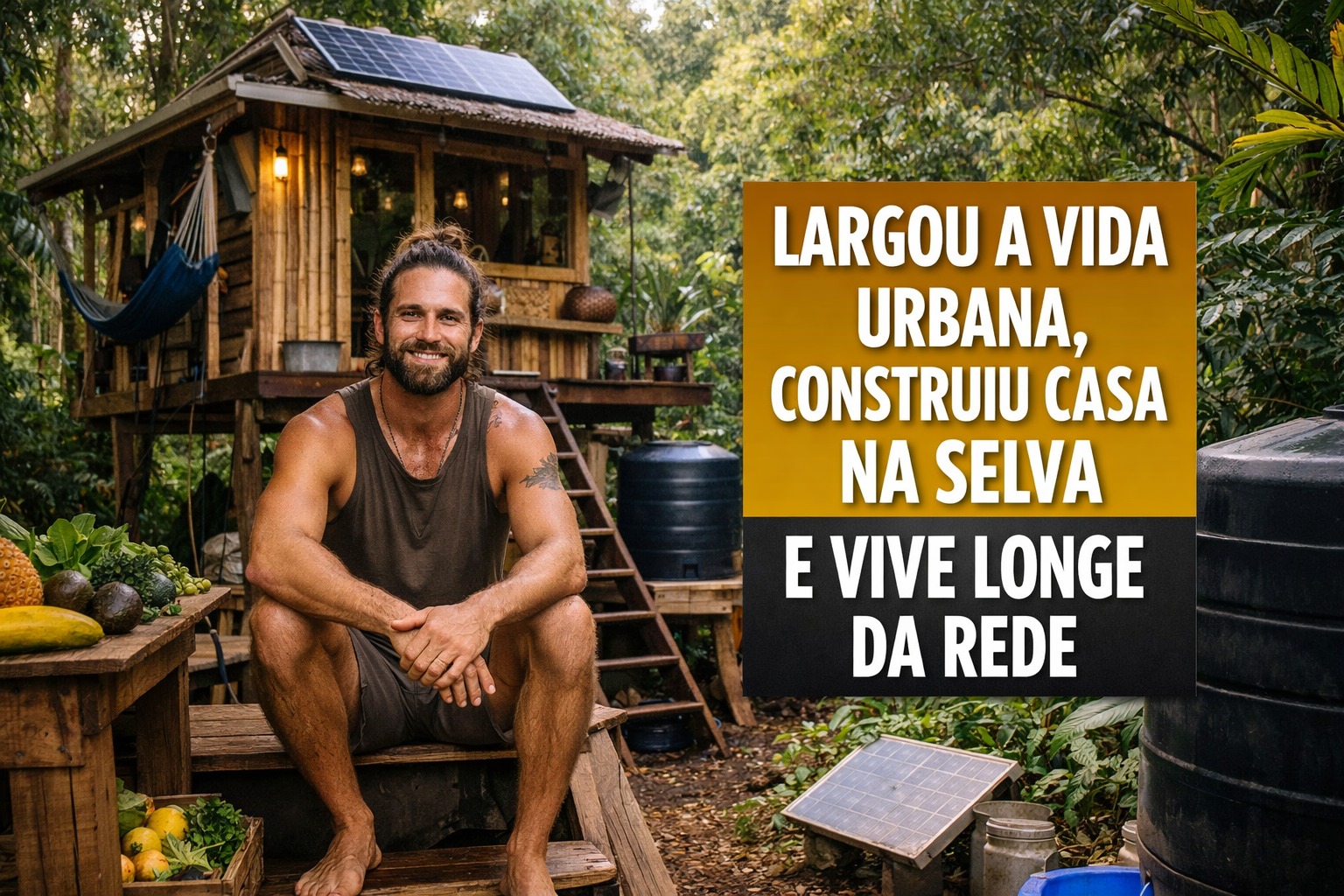


In 2020, Robert Breton Moved to Big Island, Hawaii, Built His Own 18.5 Square Meter Elevated House and Adopted Self-Sufficient Living Off the Grid
In 2020, Robert Breton left Northern California, moved to Hawaii, built a 18.5 square meter house by himself, and began living in isolation, off the grid, attracting attention for his self-sufficient model.

Planned Move and Self-Built House
Breton decided to leave urban life after planning the move for 10 years, choosing Big Island and acquiring a plot of land where he built an elevated house with his own hands.
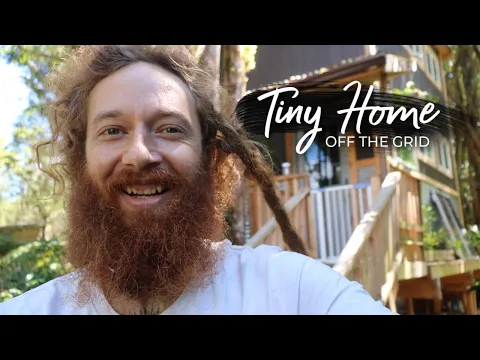
The residence has 18.5 square meters and was designed to maximize space, with a high structure, inspiration from treehouse designs, and a layout focused on daily functionality.
-
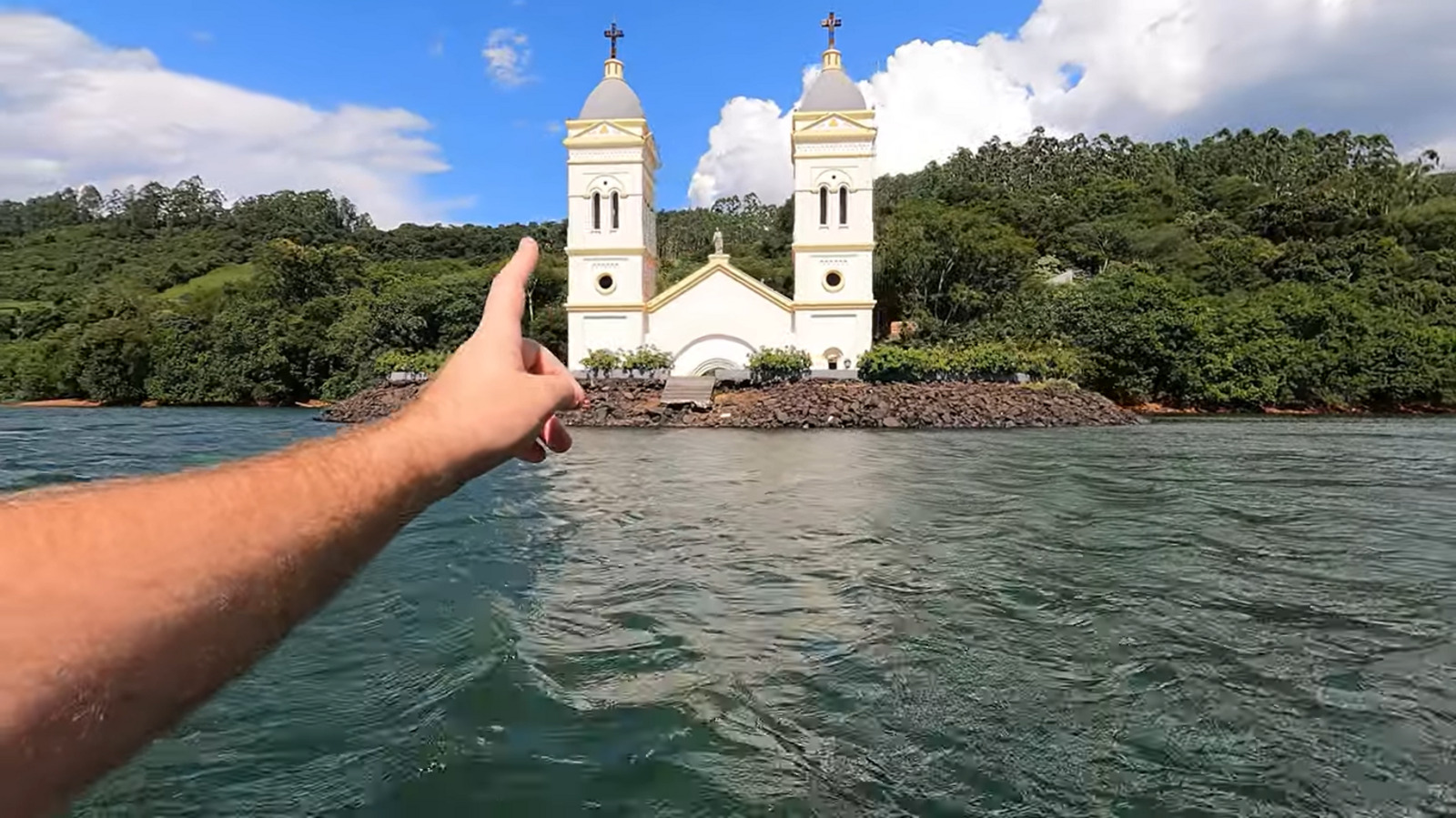
An entire city sank in the Uruguai River, and about 15,000 residents had to leave, but the towers of the old church in Itá still rise from the waters in western Santa Catarina as a symbol of memory and rebirth.
-
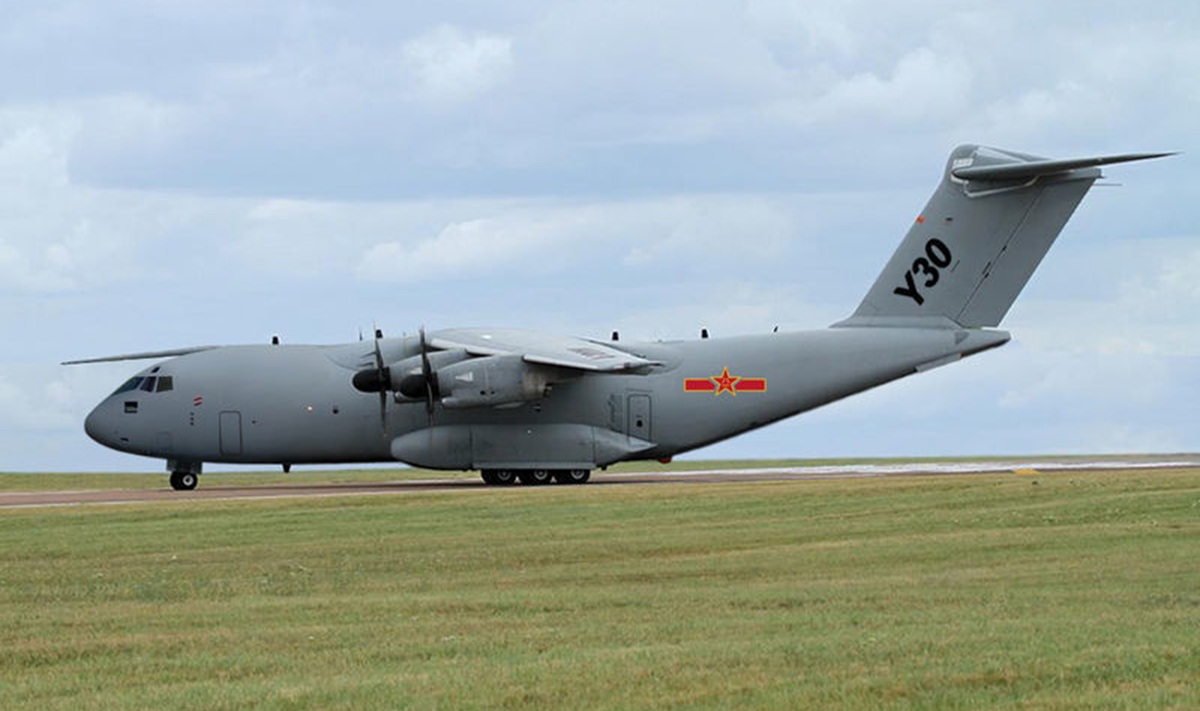
China launches the Y-30, an aircraft with four turboprop engines, a spacious cabin, and a capacity of 30 tons, while local analyses suggest that it surpasses the famous C-130J and could change military transport in remote islands and mountains.
-
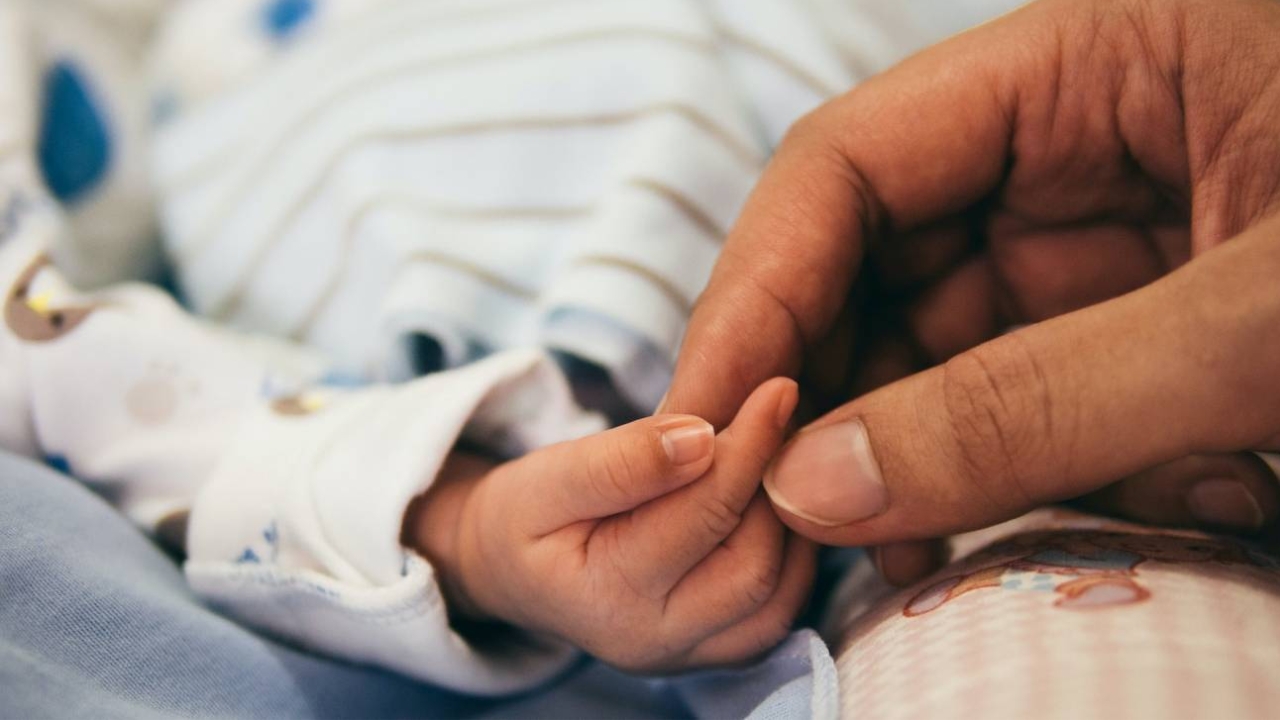
Mothers stop paying taxes forever, government creates a package with 7 measures, expands benefits, releases credit, and tries to reverse the population decline that threatens the future of Europe.
-
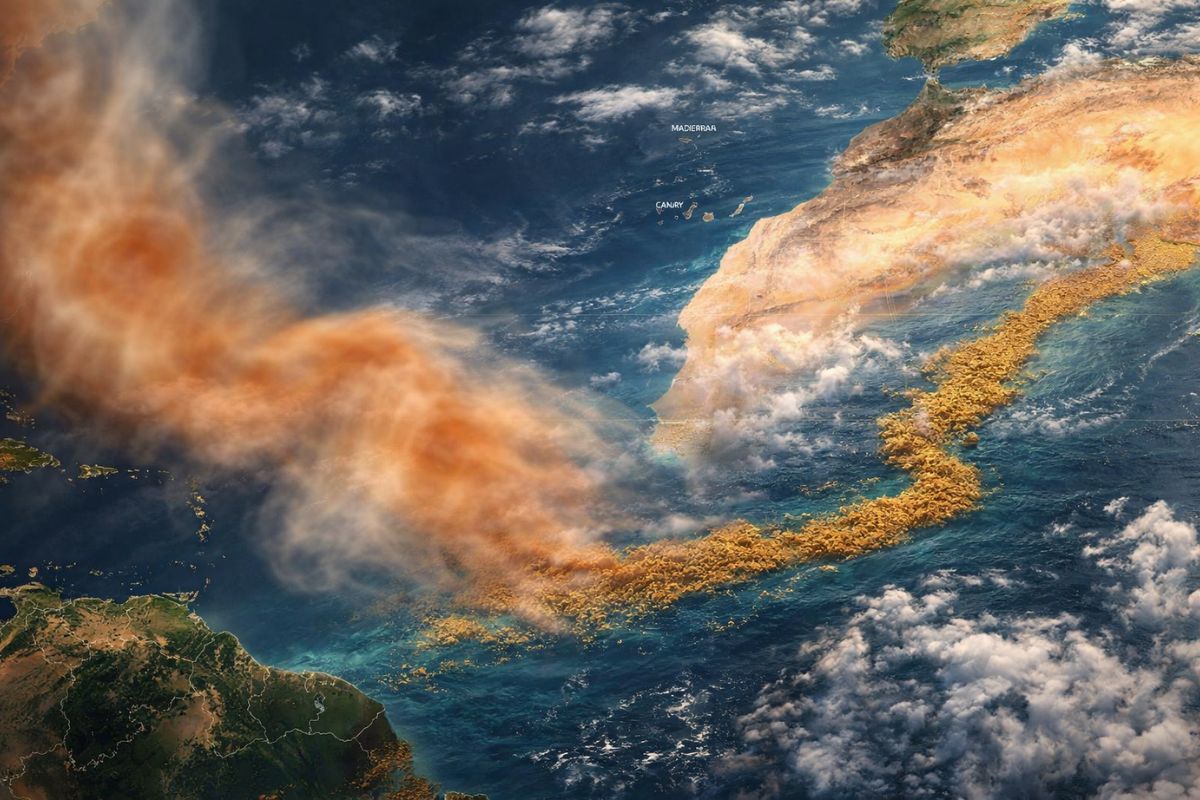
Sahara dust crosses the Atlantic as a band of 37 million tons of algae spreads from Africa to the Caribbean: what is happening in the ocean and in the air can be seen from space and affects the health of millions of people.
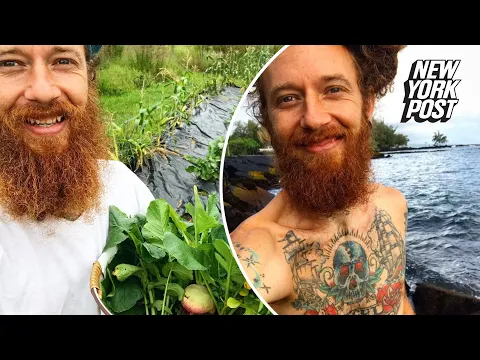
According to him, the goal was to integrate nature and comfort, keeping exposed beams, living trees, and moss in the bathroom, without sacrificing a refrigerator, Wi-Fi, and hot showers.

Life Off the Grid and Routine in the Jungle House
In the living space, solar panels power lights and appliances, while a large tank collects rainwater, which is filtered and pumped to the sink and shower.
Breton grows fruits, vegetables, and tropical herbs in a garden and greenhouse, seeking food autonomy and a daily work relationship with the jungle.
He describes the routine as intense, stating that tasks accumulate and that the jungle itself demands full dedication for maintenance and balance of the comfortable environment.
Social Media and Financial Sustainability
The isolated routine gained visibility through videos on TikTok, Instagram, and YouTube, where Breton documents his daily life and shares content about yoga, meditation, and lifestyle.
The income comes from a dietary supplement company he founded and from social media, which attract hundreds of thousands of recurring viewers.
The largest reported monthly expense is 25 dollars, a cost dedicated exclusively to the payment of the Wi-Fi router used in the house.
Now 37 years old, Breton claims he is building a personal legacy by living with less, after visiting other places, choosing Big Island, and starting a planned and connected isolated life.
You May Also Like: He Arrived by Plane in One of the Most Remote Areas of the Planet, Felled Logs by Hand, Built a Cabin Without Machines, and Lived Decades Isolated Only From What Nature Had to Offer

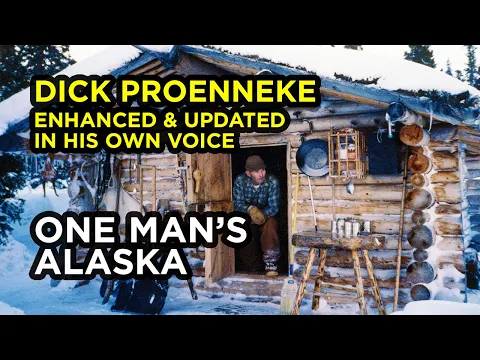
In the summer of 1968, Richard Proenneke arrived by plane at Upper Twin Lake, in southwestern Alaska, to live alone, build a cabin, and document a self-sufficient experience that would become a reference.
The small monoplane landed on the shore shaped by ancient glaciers, carrying hand tools, canvas bags, and basic provisions to begin his solitary stay.
When the airplane disappeared behind the Neacola Mountains, in the Aleutian Range, Proenneke remained alone, aware of the distance from the road and any human neighbor.
Education and Motivations
Born in Iowa, he lived through the Great Depression in his childhood, developing a strict relationship with resources, rigorous economy, and rejection of daily waste.
During World War II, he served in the United States Navy as a carpenter and mechanic, learning essential woodworking and metalworking techniques.
After the conflict, he worked as a diesel engine mechanic in Kodiak, during which time he matured the plan to live self-sufficiently.
Location Choice and Preparation
In 1967, he visited Twin Lakes to study the land, wind, snow, and sunlight, cutting spruces and preparing materials for the planned construction.
Upon returning definitively in 1968, he intended to stay for only a year, bringing a 16 mm camera, tripod, and dozens of notebooks for systematic notes.
The cabin measured about 3.6 by 4.8 meters, built only with hand-hewn logs, without the use of machines.
He used saddle notch joints, carved with an axe and chisel, ensuring structural stability and thermal insulation during the winters.
The roof received thin logs, vegetation cover, and grass, creating natural protection against cold, wind, and constant moisture.
He built a firewood storage elevated approximately 2.7 meters off the ground, keeping the wood dry and protected from animals.
He also erected an annex for firewood and an external bathroom, following functional, durable, and spatial organization criteria.
The tools used had handles carved by Proenneke himself, adapted to daily tasks and the conditions of the environment.
Routine and Subsistence
In the summer, he took advantage of the constant light to chop firewood, fish for salmon, gather wild fruits, and record environmental observations.
In winter, he faced extreme temperatures, continuously feeding the fire, repairing tools, and writing reflections by the light of lamps.
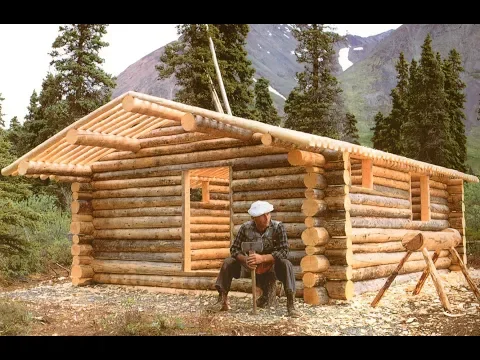
The food came from fishing, gathering, and, during part of his life, from subsistence hunting, always with complete utilization.
With the creation of the Lake Clark National Park and Preserve in 1980, he stopped hunting, maintaining practices compatible with the new regulations.
His journals describe the landscape’s responses to human presence, indicating how simple decisions could preserve local balances.
Occasional Human Contact of the Solitary Man from Alaska
Despite living alone, he received pilots, forest rangers, and occasional visitors, keeping the cabin unlocked and maps up to date.
He offered tea, engaged in long conversations, and pointed out trails, demonstrating hospitality even in isolation hard to access.
The story gained prominence with the book One Man’s Wilderness, published in 1973 from his personal journals.
His footage led to the documentary Alone in the Wilderness, released after his death in 2003.
More than 250 written notebooks have been published since 2005, forming a detailed record of self-sufficient life in Alaska.
While observing the sunrise over Twin Lakes, Proenneke claimed not to want to miss anything around him, summarizing an existence shaped by manual labor, continuous attention, and direct coexistence with nature.
With information from Filson.






Eu acho uma decisão incrivel e corajosa das pessoas que decidem morar sozinhas, isoladas na natureza selvagem. 👏🏻👏🏻👏🏻👏🏻👏🏻👏🏻👏🏻👏🏻👏🏻