





 Portuguese
  English
  Spanish
  5 min of reading
  8 comments


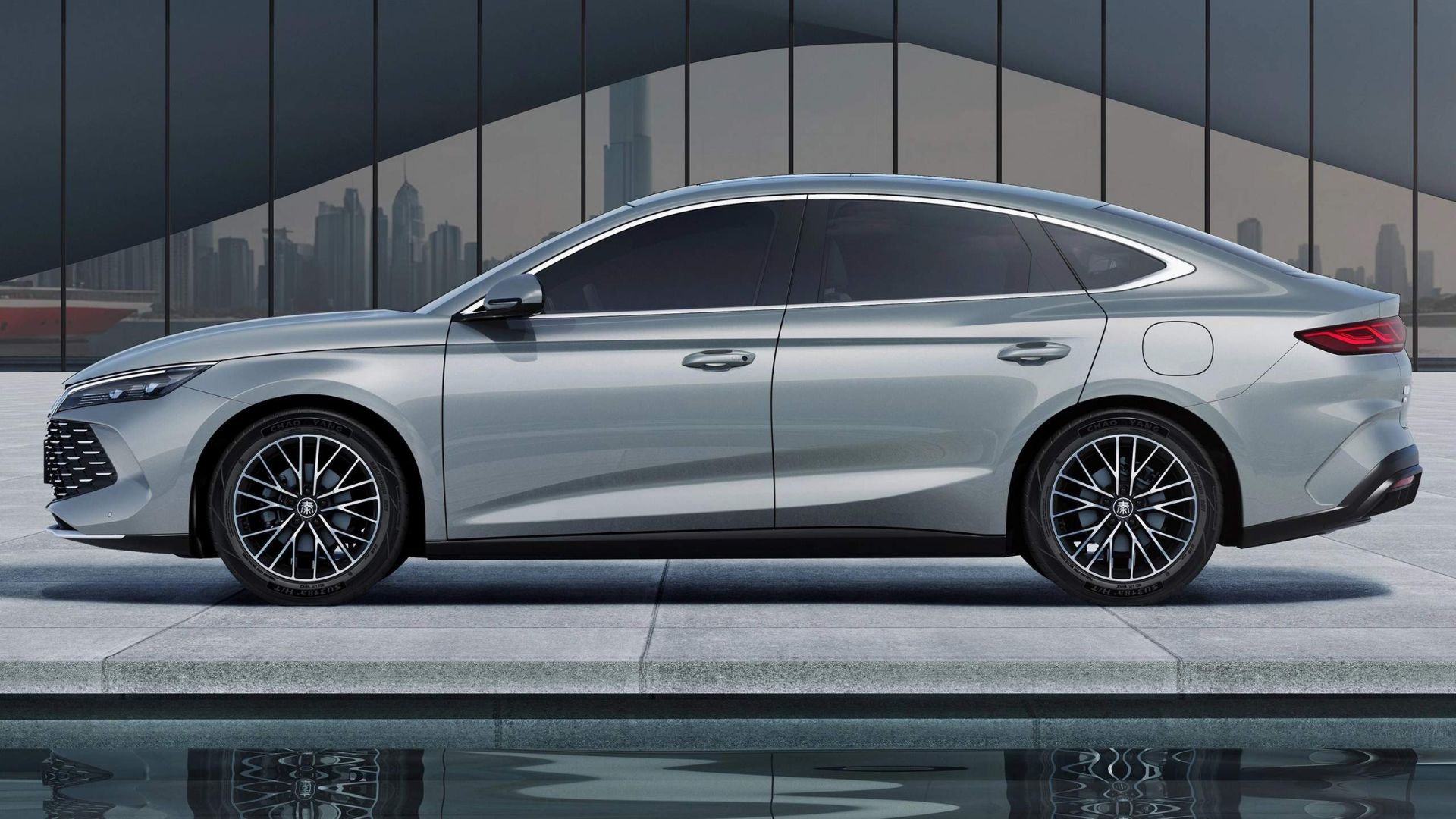


With Expressive Global Sales And Presence In Various Countries, The BYD Qin Sedan Remains Absent From The Brazilian Market, Despite Being The Most Popular Model Of The Chinese Brand And Target Of Expectation Among Consumers In The Electrified Car Segment.
Despite the rapid advancement of the BYD in the Brazilian market, the automaker chose to leave out of its national portfolio precisely its best-selling car in the world, the BYD Qin.
Recognized for its expressive performance and for selling over half a million units in 2024, the Chinese sedan has never officially arrived at Brazilian dealerships, even after testing conducted in the national territory and expectations created among consumers.
According to a recent survey by Car Industry Analysis, the BYD Qin is currently the best-selling sedan in China and leads the global sales ranking of the manufacturer.
-
OMODA & JAECOO grows in Europe in 2026 with an integrated strategy of sales, innovation, local production, and technological advancement in the United Kingdom, Italy, and Spain.
-
OMODA & JAECOO expands after-sales service in Brazil with competitive maintenance, a 7-year warranty, and high availability of parts for technological SUVs.
-
OMODA & JAECOO appoints Alessandra Souza as executive marketing director in Brazil and accelerates brand expansion with a focus on innovation, networking, and hybrid portfolio.

-
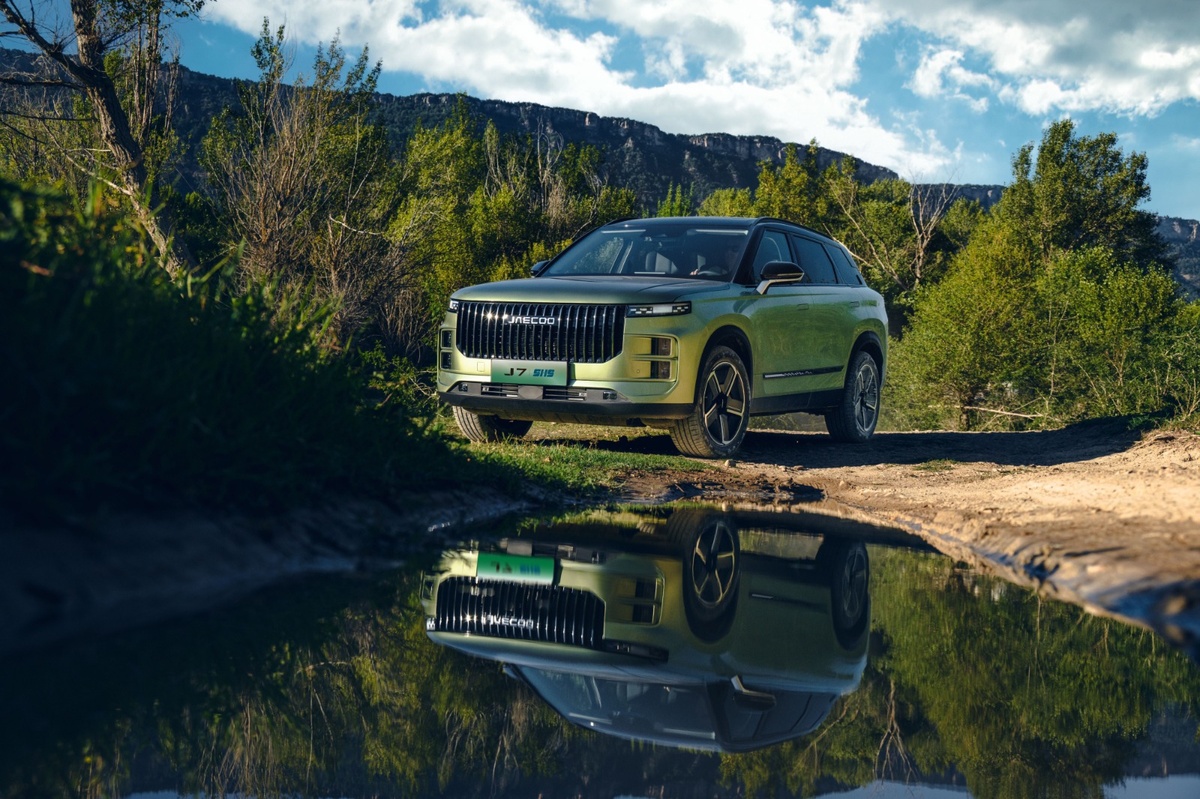
Jaecoo 7 with super hybrid SHS system exceeds 1,200 km of combined range with a 1.5 turbo engine, high-density battery, and intelligent energy management.

The model stands out for offering 100% electric and plug-in hybrid versions, in addition to delivering performance of up to 220 horsepower and autonomy that can reach 1,200 kilometers in certain hybrid configurations.
For comparison, the BYD Qin surpasses the also well-known King in size and refinement, positioning itself as a superior category product within the automaker’s sedan line.
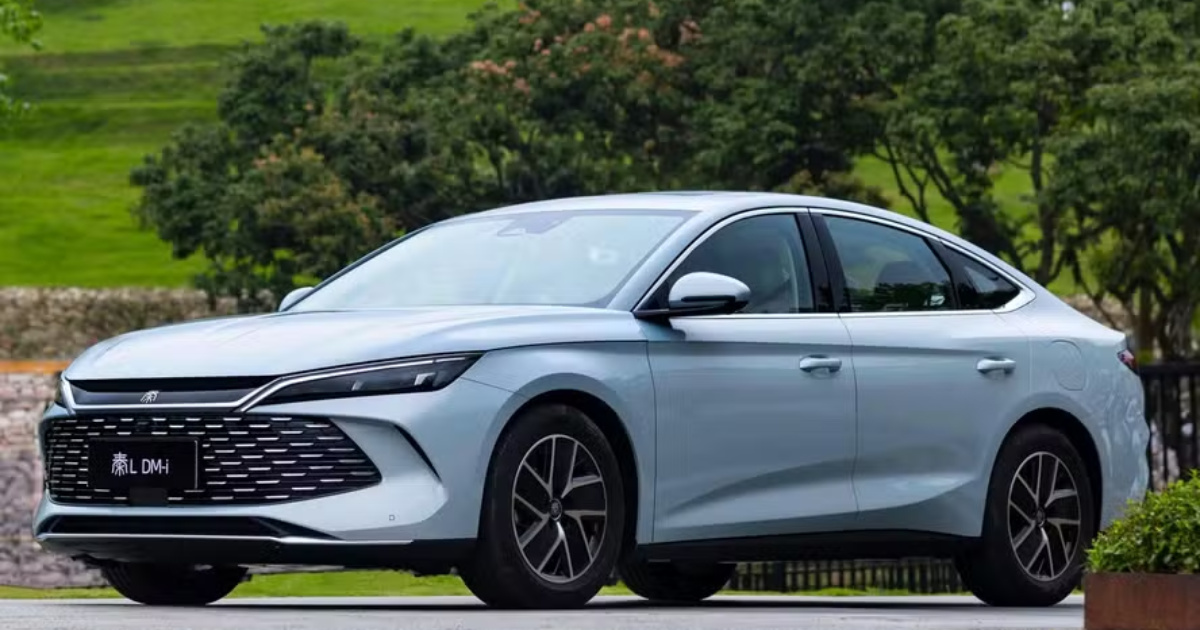
Platform, Global Numbers And Versions Of The BYD Electric Sedan
The architecture of the Qin is based on the same platform as the Song Plus, the second most sold vehicle of BYD on the planet, which contributes to its robustness and embedded technology.
Still according to 2024 data, 501,800 units of the Qin were registered worldwide, a number that makes it a reference not only in China but also in the international automotive scenario.
However, BYD’s global strategy influenced the sedan’s destiny in Brazil.
By prioritizing the expansion of other models, such as the Dolphin Mini — a subcompact electric hatchback that occupies the third position among the company’s best-selling vehicles, with 474,200 units sold — and the Song Pro, the brand’s entry-level SUV, which reached 256,400 units, the Chinese automaker chose not to officially launch the Qin in the country.
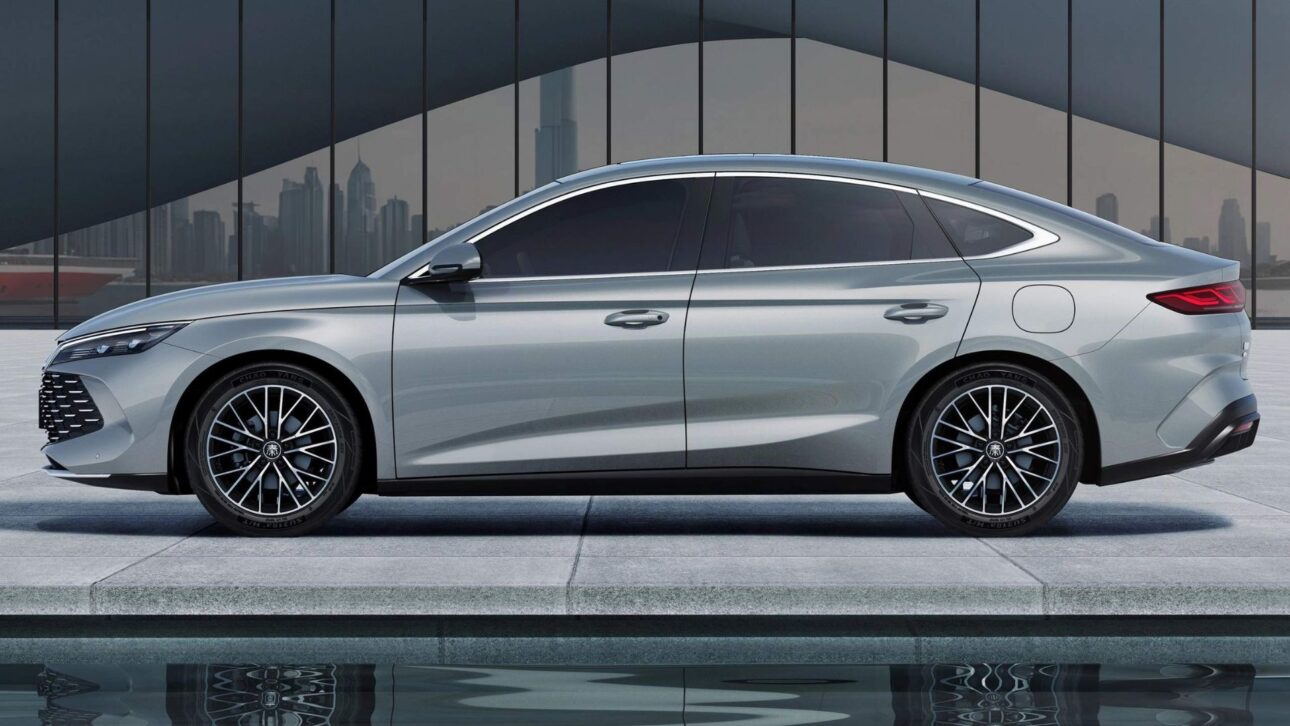
According to industry specialists, this decision is related to the analysis of the Brazilian market profile and the consolidated presence of competitors such as Toyota Corolla and Honda Civic, which still lead preference in the medium sedan segment.
BYD Strategy And Absence Of The Qin In Brazil
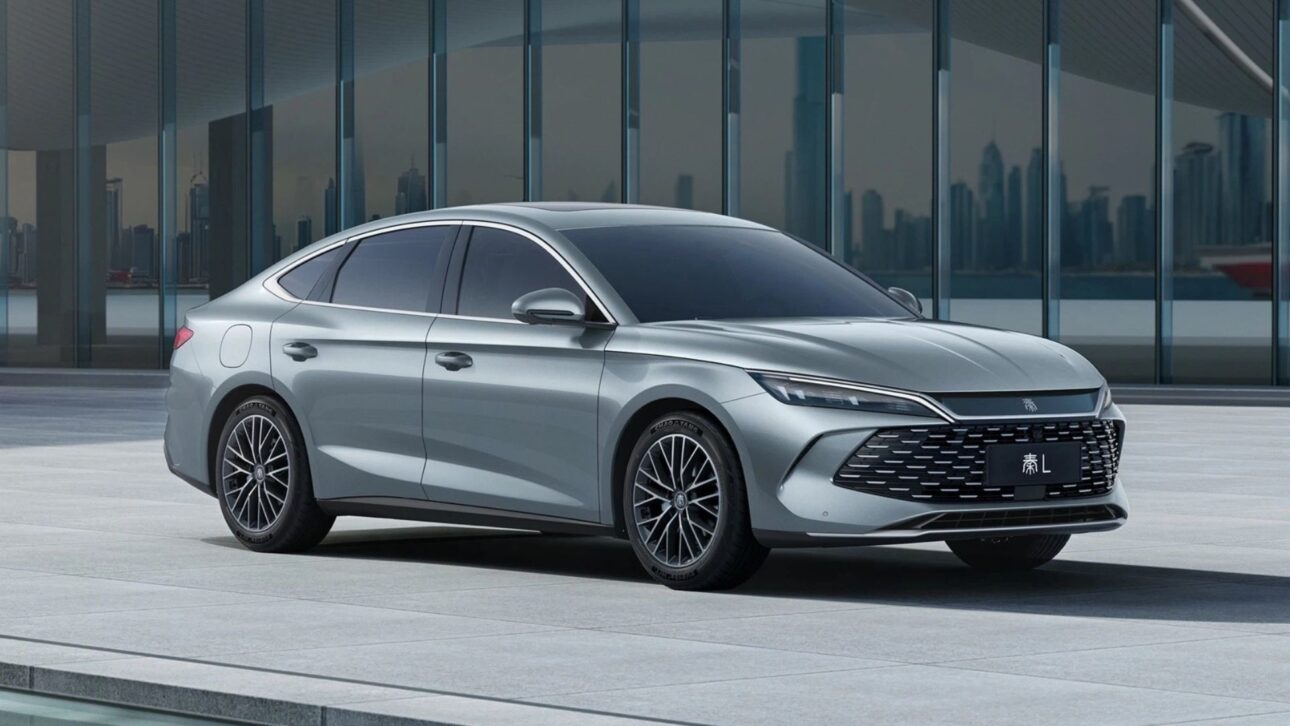
In addition, BYD developed a larger and even more sophisticated version of the model, named Qin L.
This variant began to be marketed in Asian and European markets, totaling 229,600 units sold just in 2024.
With this volume, the Qin L reached the eighth position in BYD’s global sales ranking.
Thus, even while expanding its international sedan offerings, the brand kept Brazil out of its plans for the Qin.
Market Dispute: Dolphin Mini, Song Pro And Other Highlights
In the national scenario, BYD directed efforts to promote the Song Pro and the Dolphin Mini, both with a strong appeal for technology, energy efficiency, and competitive pricing.
The medium SUV Song Pro, for example, ranked fifth globally for the automaker, while the Dolphin Mini solidified its reputation as a practical option for urban centers.
The Yuan Plus, another globally successful SUV — with 336,400 units sold — however, did not achieve significant results in the Brazilian market, highlighting the particularities of local demand.
BYD’s lineup also includes models like Han, King, and Seal 06.
The latter, curiously, sells more in the electric hatchback configuration compared to the sedan body style, an option offered in Brazil.
The Dolphin, considered the “darling” of the electric lineup, registered a drop in sales, with 214,500 units sold globally, but expectations are for recovery with the arrival of the hybrid version and a new design.
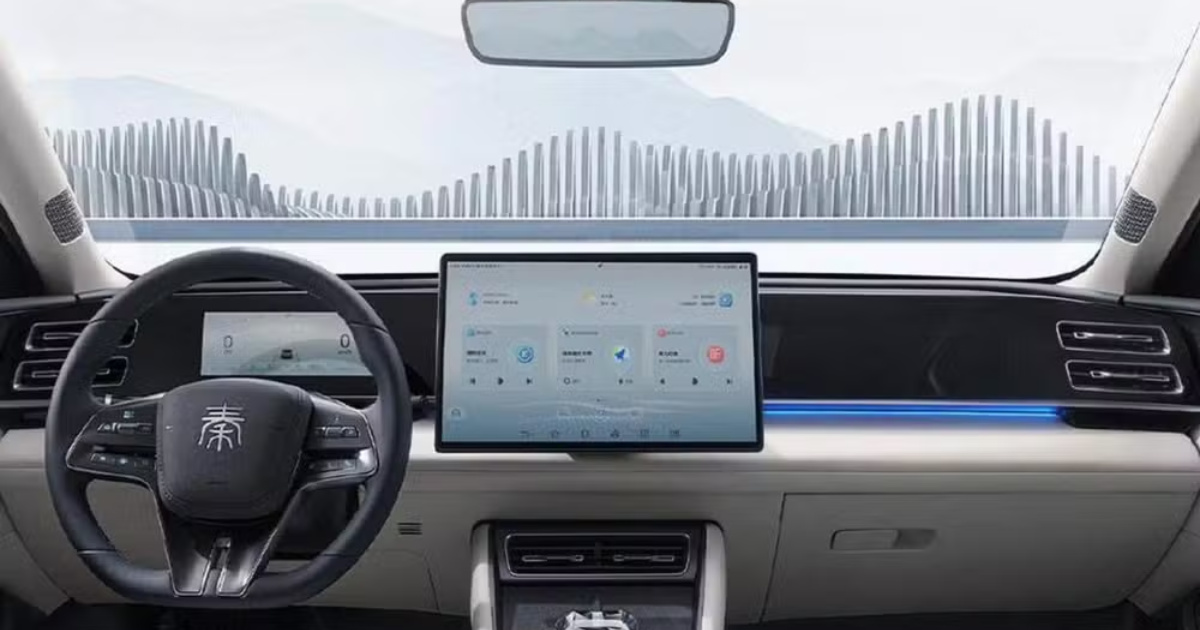
Numbers And Reasons For The Global Leadership Of The BYD Qin
According to data from July 2025, BYD’s leadership in the Chinese market was consolidated thanks to the bet on electrification, advanced design, and integration of innovative technologies in vehicles like the Qin.
“The Qin symbolizes the evolution of hybrid and electric sedans, combining performance and efficiency in a product with global reach”, highlights a report from Car Industry Analysis.
While the BYD Qin remains absent from Brazilian dealerships, consumer interest in electrified vehicles continues to rise.
In Brazil, data from the Brazilian Association of Electric Vehicles (ABVE) shows a growth of 45% in the sales of hybrid and electric cars in the first half of 2025, totaling 87,000 units.
Nevertheless, BYD’s decision to prioritize SUVs and hatches may be related to the growing preference trend for these segments in the country.


What Prevents The BYD Electric Sedan From Reaching The Brazilian Market?
The absence of the BYD Qin in Brazil raises questions among consumers and experts, especially in light of the model’s strong acceptance in markets such as Europe and Latin America.
Among the factors analyzed by automotive industry executives are the tax incentive policy, logistical costs of importing, product compliance with Brazilian safety standards, and the brand’s differentiation strategy, which opted to strengthen the presence of SUVs and compact cars before launching a medium sedan.
BYD’s international portfolio proves the strength of the Qin alongside models like Song Plus, Han, and Yuan Plus, in addition to the Qin L itself.
The sedan, known for its balance between technology, performance, and autonomy, has become a symbol of the advancement of hybrid and electric cars worldwide.








Carro elétrico só vai saber se presta, daqui uns 8 a 12 anos de uso, dando problema de eletrica, sem peças reposição e profissionais qualificado para arrumar, bateria fraca, Fipe menos de 50%, ai senta e chora, vai ser pior que resto de Rico 🤑
Tá bom kakakak, a BYD tem peça, tem fábrica e profissionais treinados para resolver os problemas, tu que é pobre e não tem nem um celta em casa kkkk
Eu acho que eles querem vender aqui no Brasil, esses modelos que não vendem tanto lá fora! Talvez lá fora, eles não compram esses modelos por os preços que pagamos aqui, ou seja, pagamos caro por modelos mais simplistas!
por preços**
Mano… a matéria diz exatamente o contrário! O modelo vendeu mais de meio milhão de unidades. Como assim não vende lá fora? A realidade é que o Brasil possui um perfil de consumo diferente do europeu: mais voltado aos SUV médios, hatchs e sedans médios (e que só existem dois modelos que fazem diferença em nosso mercado, o Corolla e o City).
A pior situação que existe é você resistir à mudanças, à evolução.