





 Portuguese
  English
  Spanish
  3 min of reading
  2 comments


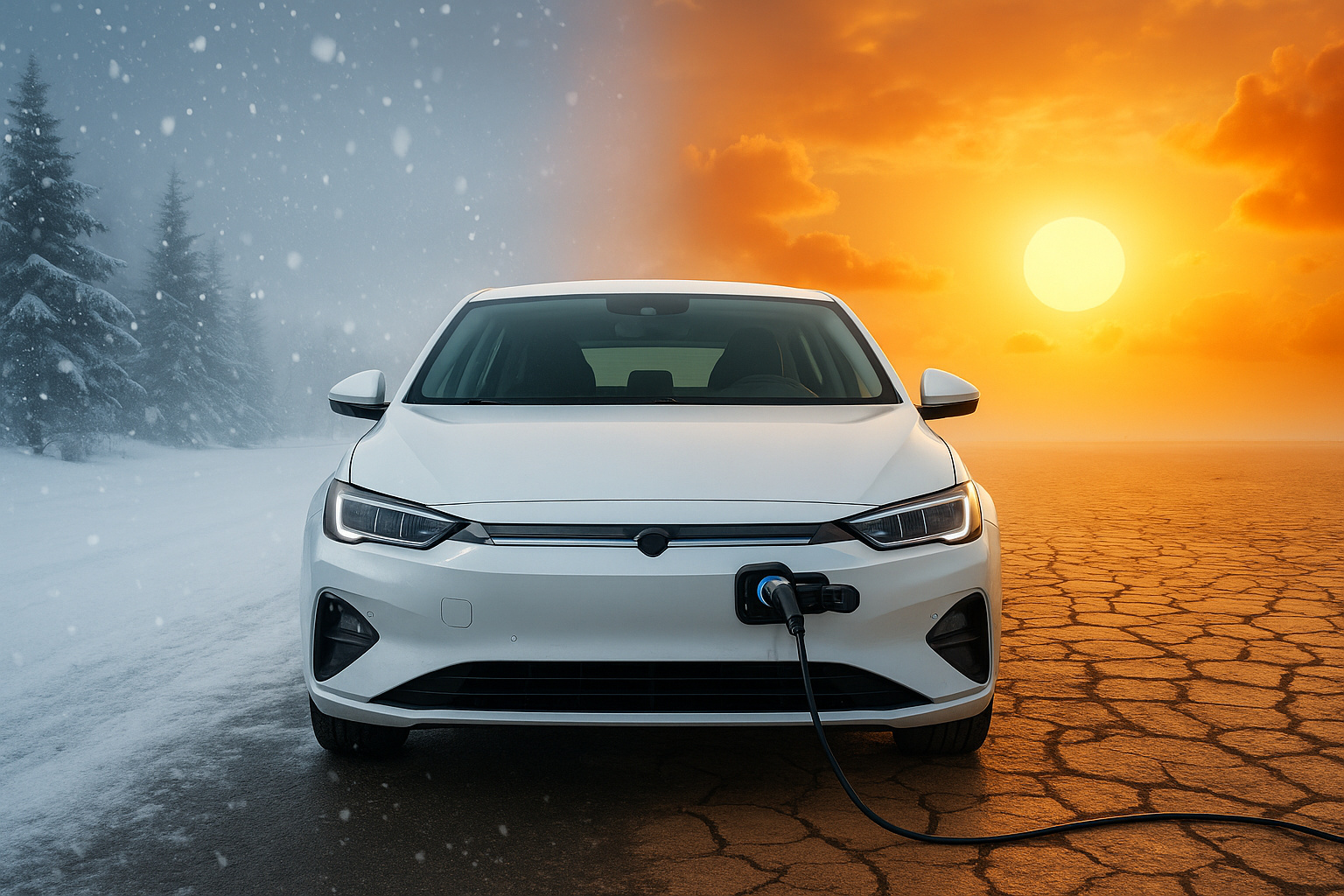

Learn How Electrified Vehicles React to Heat and Cold and Discover Practical Strategies to Maintain High Performance
In 2025, experts from the Brazilian Electric Vehicle Association (ABVE) emphasize that extreme temperatures directly influence the range of electric and hybrid cars.
Still, modern thermal management systems keep the batteries operating with efficiency and safety, even under adverse weather conditions.
Range and Climate: What Changes First?!
First of all, it is important to highlight that very low or high temperatures alter the consumption and performance of vehicles.
Combustion engines, when operating in the cold, consume more fuel and experience greater wear.
Moreover, constant use of the air conditioning or heater increases consumption and reduces range.
On the other hand, electric cars handle these conditions better, as intelligent thermal management systems keep the batteries within the ideal temperature range.
This ensures greater energy efficiency and operational stability.
Heat Above 40°C: The Impact on Batteries
In very hot regions, such as the Northeast and Midwest, lithium-ion batteries can suffer from accelerated chemical reactions above 40 °C.
This process causes electrolyte degradation and reduces the durability of the system.
However, thanks to active thermal management, current vehicles can control internal temperature and reduce wear.
According to Carlos Roma, technology director of ABVE, “even consuming energy for cooling, electric vehicles are more efficient and offer stable performance.”
-
The German economist Wolf-Peter Schill has no doubts: “Electric cars are already far superior to cars with internal combustion engines.”

-
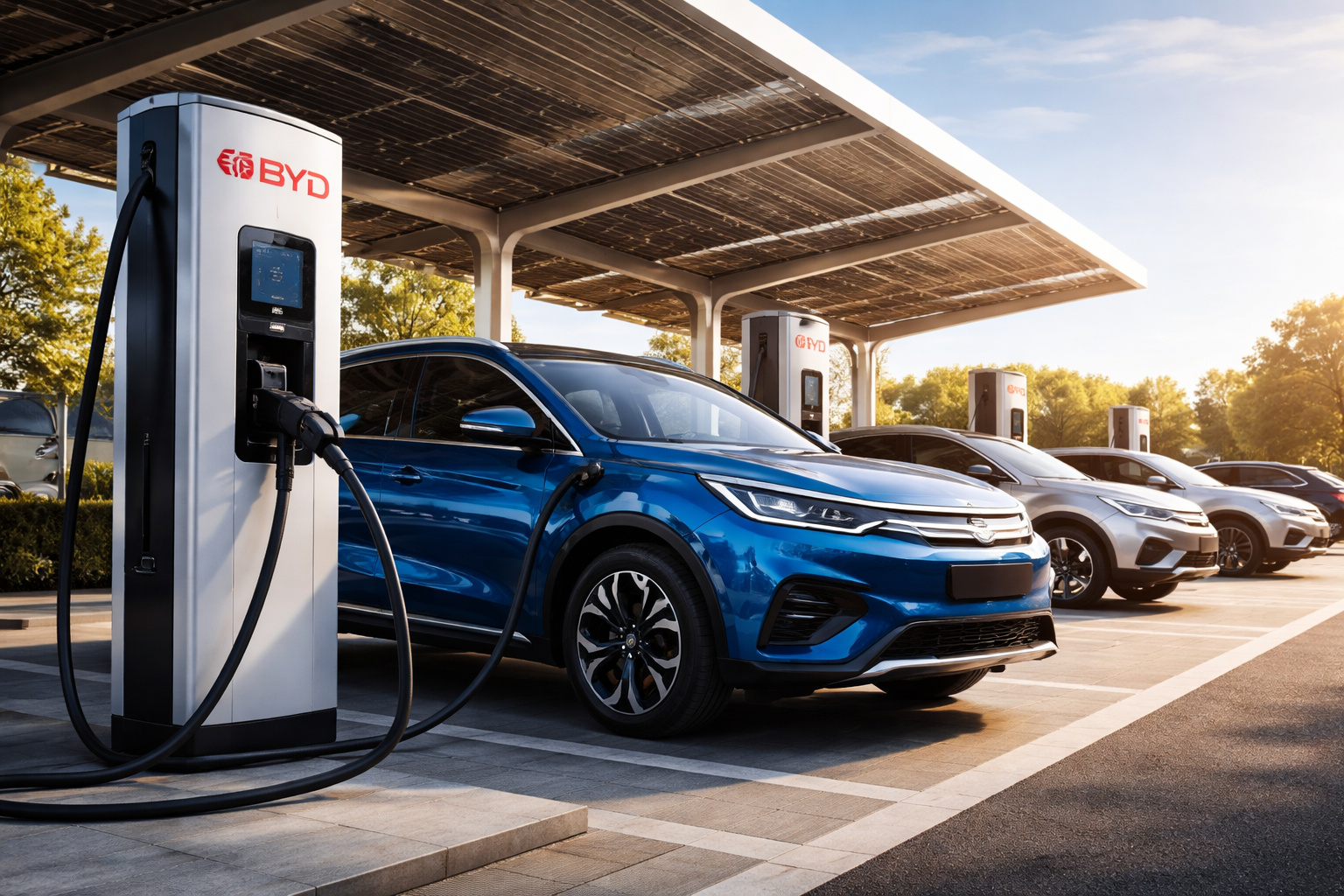
Largest public charging network in Brazil: BYD reaches 125 fast chargers and accelerates national expansion of electric mobility.
-
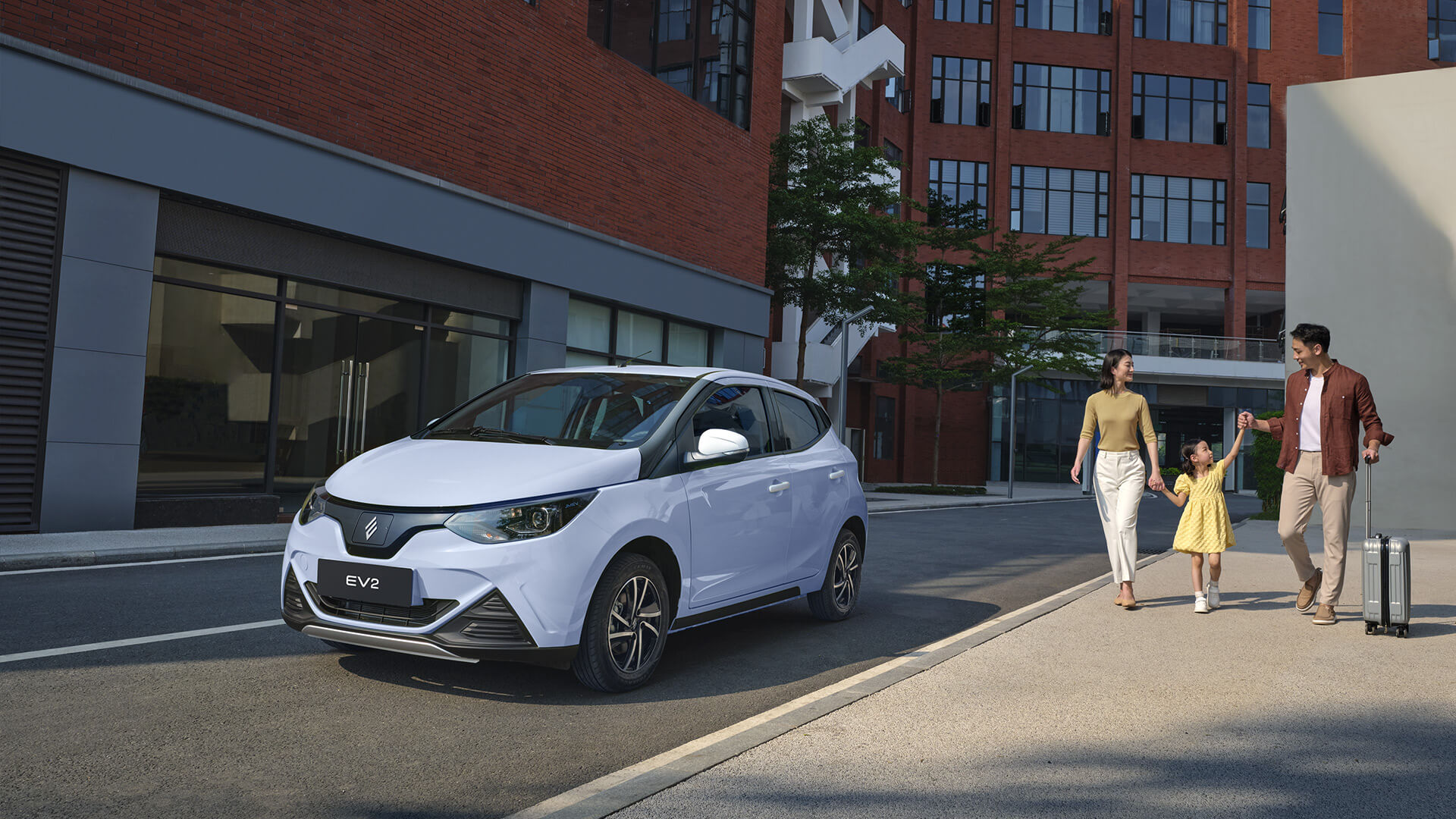
Goodbye expensive popular car: electric vehicle for less than R$ 70,000 starts being sold in Brazil with a range of 200 km and targets those looking to escape gasoline.
-
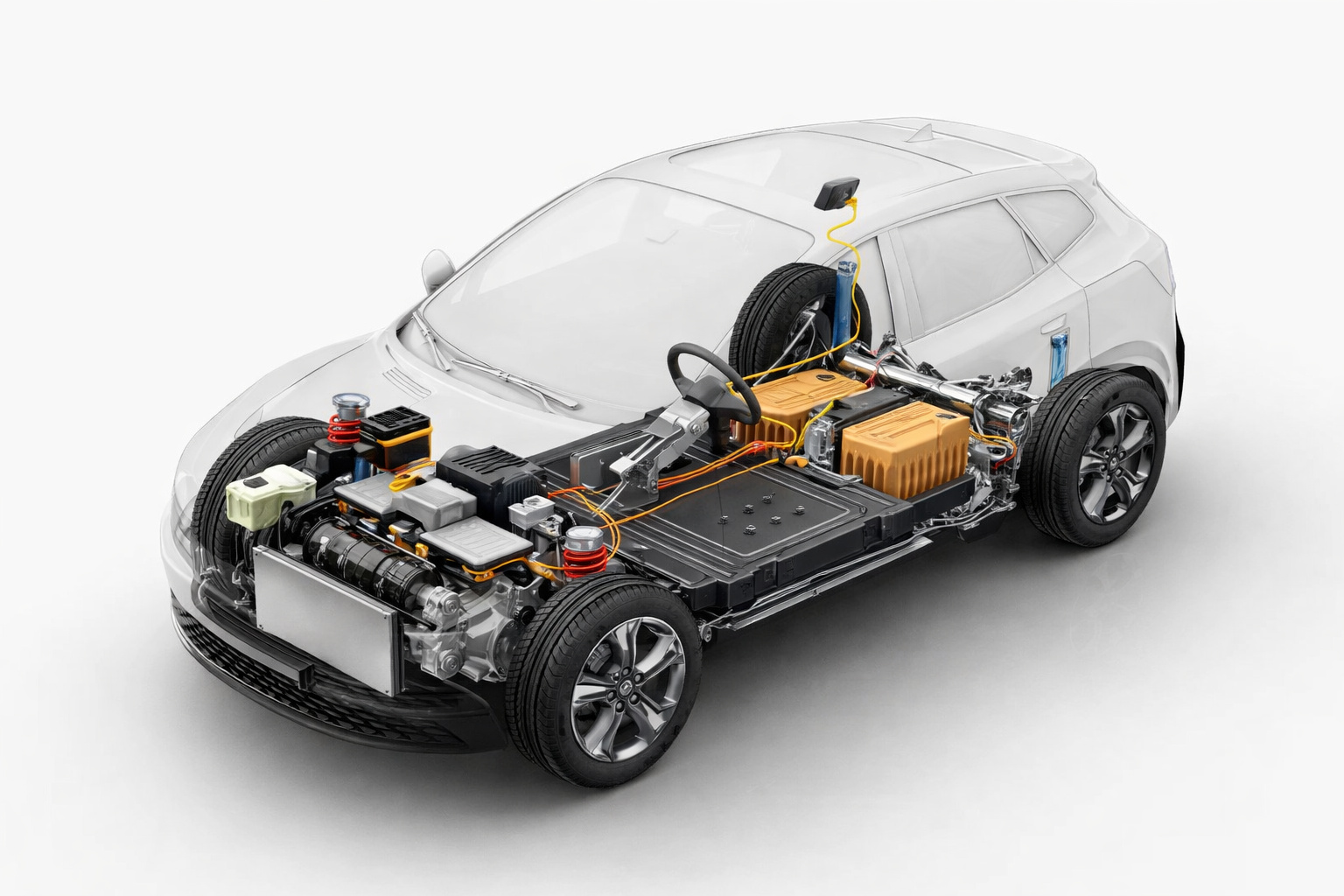
China Surprises Automotive Industry With Battery That Promises Electric Car Able to Run Up to 1,000 km Without Recharge

Extreme Cold: How the Weather Reduces Efficiency
In cold places, such as the South Region, temperatures close to 0 °C reduce the mobility of lithium ions, which temporarily decreases the efficiency of the batteries.
Even so, the integrated heating system keeps the battery within the ideal range and compensates for the negative effects of the cold.
The expert explains that, although there is a loss of range, no permanent damage to the battery occurs.
What happens is just a temporary increase in energy consumption.
Average Range Losses
According to data from ABVE (2025), the estimated losses of range vary according to the climate and vehicle use.
On hot days, the reduction ranges from 10% to 20%, especially when the air conditioning is used frequently.
On cold days, particularly in cities in the South, the loss can reach 20–30%, especially with the use of heaters.
Still, Roma emphasizes that these variations are normal and do not compromise the lifespan of the batteries.
This occurs as long as the thermal system functions properly.
Ideal Temperature Range
The ideal operating range for lithium-ion batteries is between 20 °C and 30 °C.
Within this range, electric cars achieve maximum efficiency and durability.
Regions like Southeast and South remain, for a good part of the year, within this interval.
This favors stable performance and prolonged range, in addition to reducing the risk of premature degradation.
Practical Tips to Preserve Range
To minimize the effects of weather and avoid sharp drops in range, follow some simple and effective guidelines.
Activate the battery’s climate control system while the car is plugged in.
This keeps the ideal temperature without consuming additional charge.
Park in shaded or covered areas, reducing the load on the cooling system and consequently energy consumption.
Avoid leaving the vehicle exposed to the sun for long periods on very hot days.
Plan routes with nearby charging points, especially in extreme weather regions.
This way, it is possible to preserve efficiency and maintain range at ideal levels.








Great article! I really appreciate the clear insights you shared – it shows true expertise. As someone working in this field, I see the importance of strong web presence every day. That’s exactly what I do at https://webdesignfreelancerhamburg.de/ where I help businesses in Hamburg with modern, conversion-focused web design. Thanks for the valuable content!
Great article! I really appreciate the clear insights you shared – it shows true expertise. As someone working in this field, I see the importance of strong web presence every day. That’s exactly what I do at https://webdesignfreelancerhamburg.de/ where I help businesses in Hamburg with modern, conversion-focused web design. Thanks for the valuable content!