





 Portuguese
  English
  Spanish
  4 min of reading
  0 comments


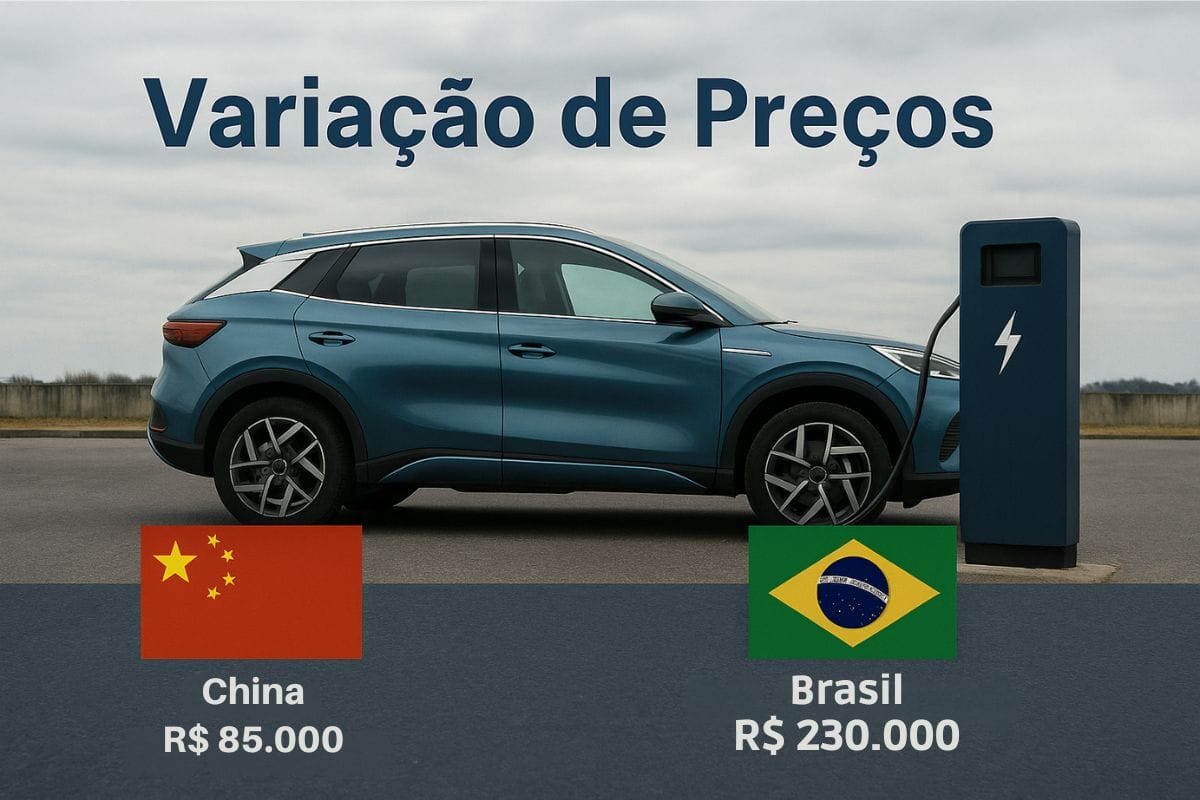
Price Difference Between China and Brazil in Electric Cars Exposes Structural Problems. Know What Makes It So Expensive and How This Can Be Solved
BYD has become a giant in electric cars in China. The brand dominates the market there and exports its models worldwide. But those who compare the prices of models sold in China with those arriving here in Brazil are shocked: the difference is huge.
After all, why does the same car cost less than R$ 100,000 in China and over R$ 230,000 in Brazil? Let’s understand what’s behind this — with current data and without fluff.
The Case of BYD Atto 3
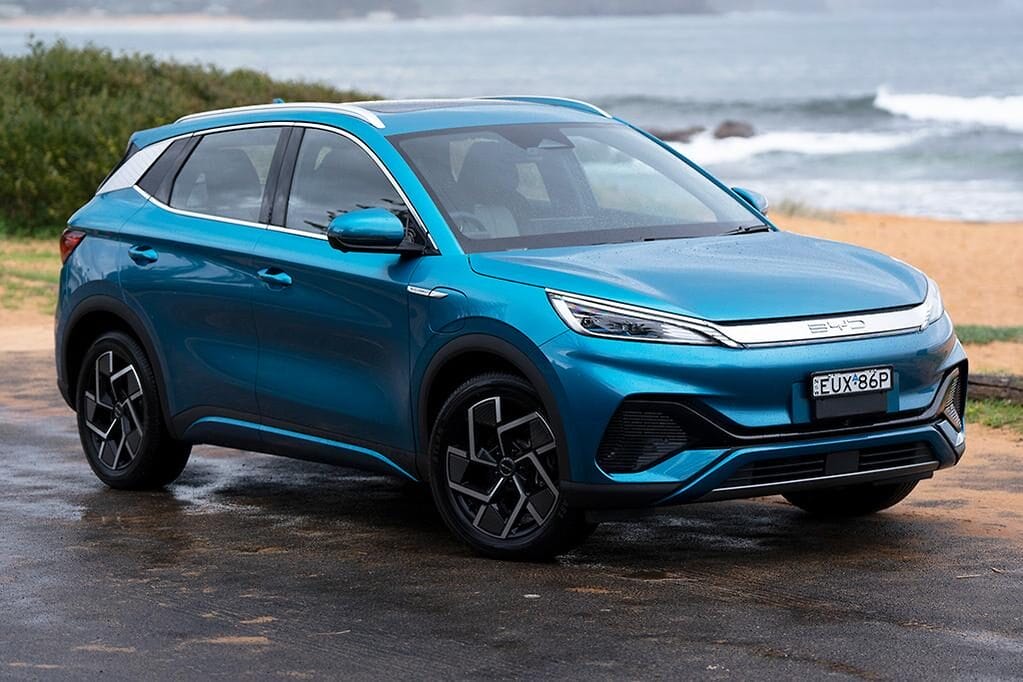
Let’s start with a practical example. The BYD Atto 3, called Yuan Plus in China, costs between US$ 15,940 and US$ 20,070 in the Asian country, which translates to about R$ 85,000 to R$ 106,000 in direct conversion, depending on the version (source: Car News China).
-
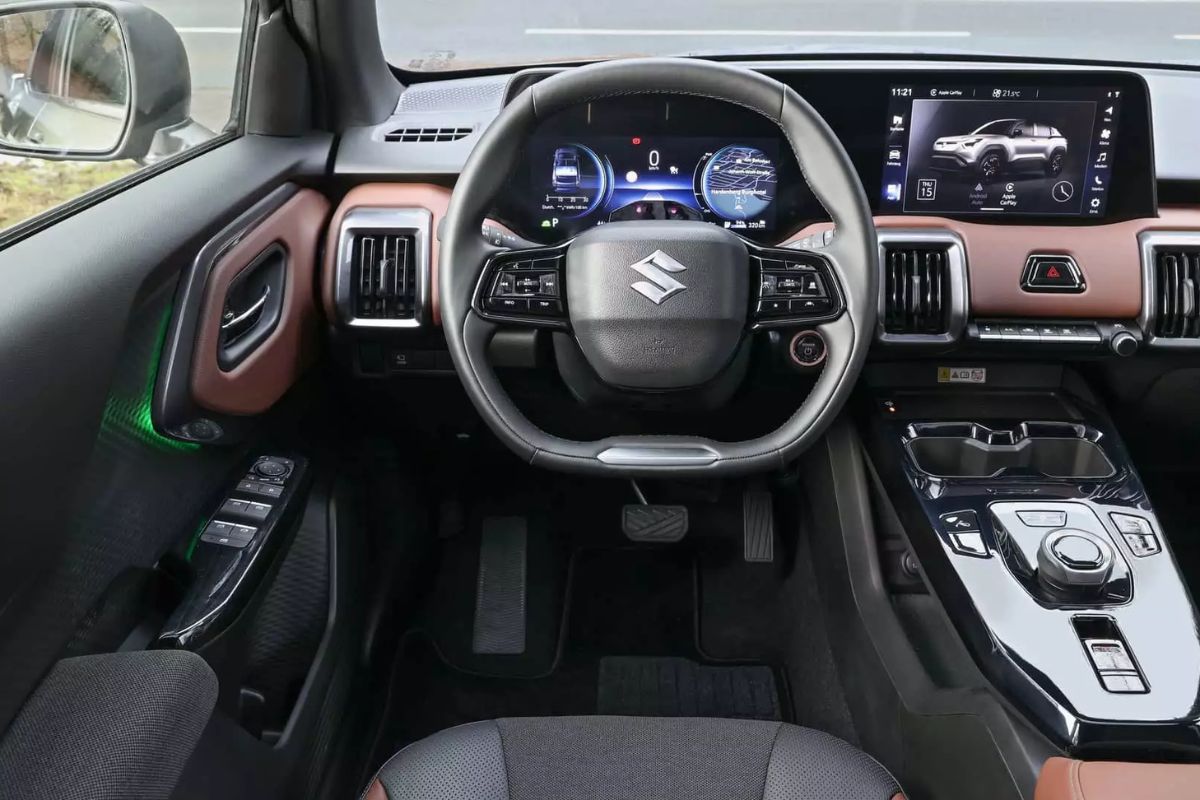
The 2026 electric Vitara arrives in Brazil and proves that Suzuki is not leaving: 4×4 traction, 184 hp, 61 kWh LFP battery, 293 km range, R$ 259,000, and a trunk capacity of 224 L.
-
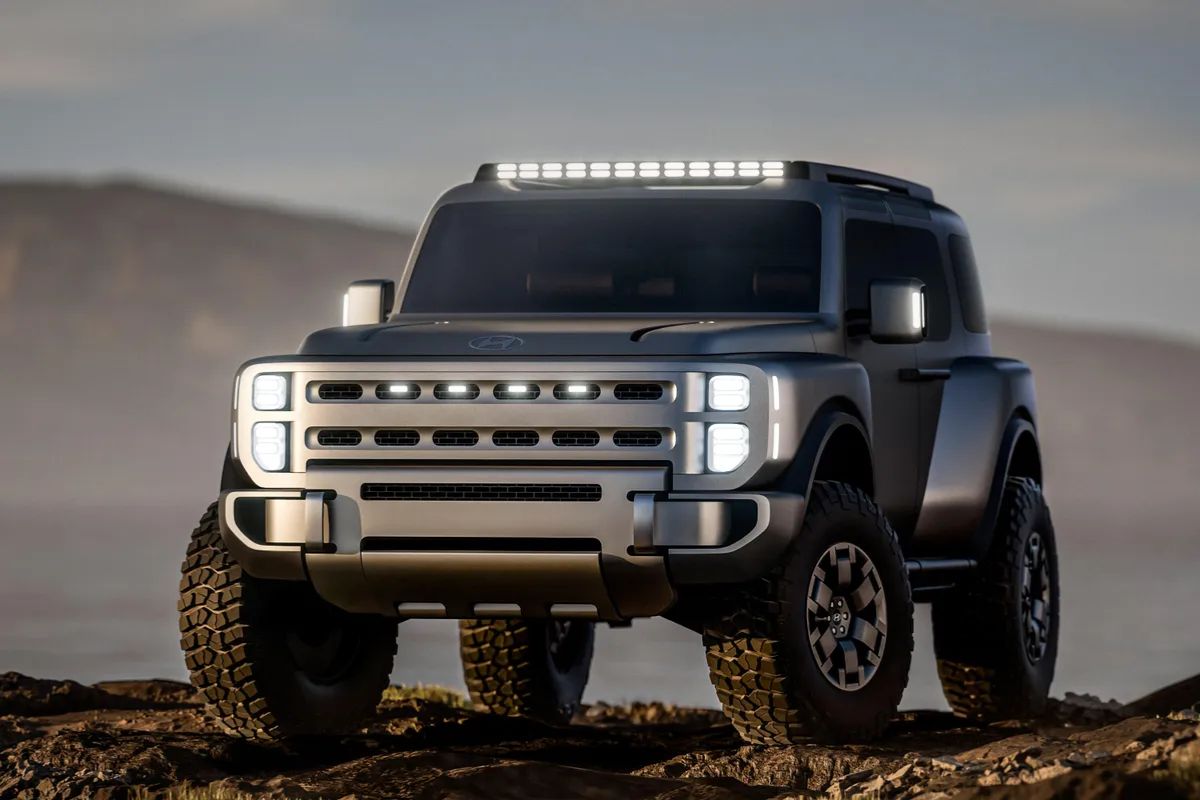
Hyundai has unveiled the Boulder, a square SUV with a body-on-frame design, 37-inch mud tires, and carriage-style doors that seems to be made to take on the Ford Bronco and the Scout Traveller in the United States.
-
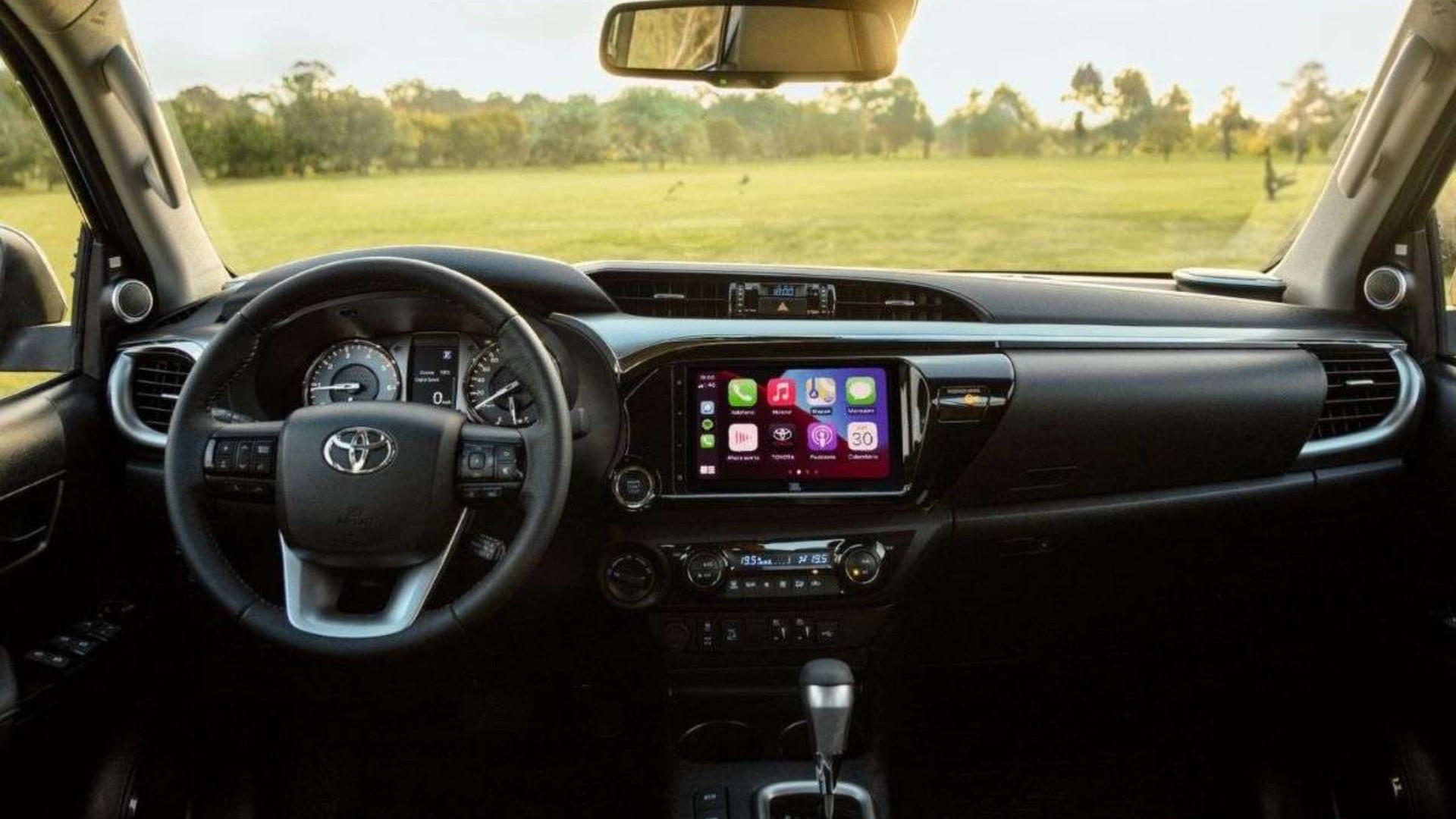
The Toyota Hilux is R$ 75.5 thousand cheaper and bets on the 2.8 turbodiesel engine with up to 204 hp and 50.9 kgfm to catch up with the VW Saveiro, which leads with 4,472 sales.
-
The new Renault Koleos has a screen exclusively for the passenger that is invisible to the driver, heated rear seats, and 29 assistance systems, but its Chinese competitors cost R$ 40,000 less and deliver more power.
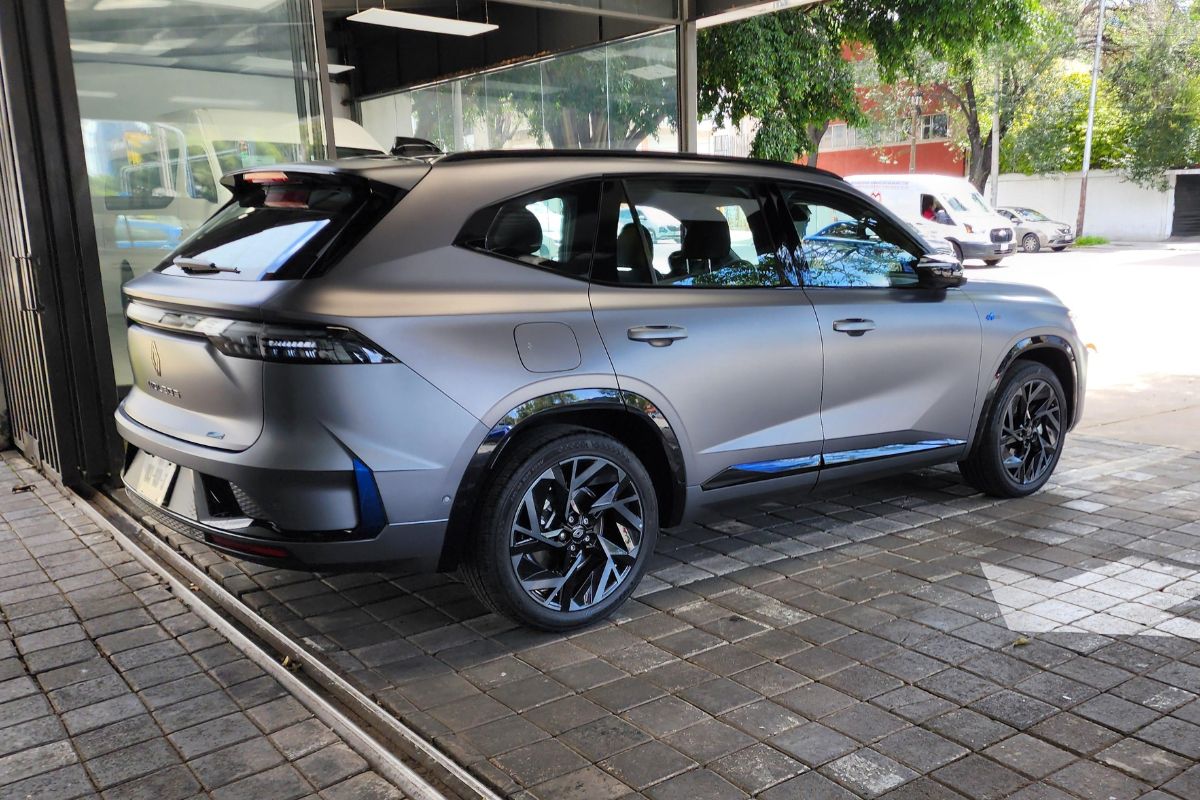

Now hold on: in Brazil, this same car is sold for around R$ 230,000.
It’s the same model, with the same batteries, the same body, and the same safety system. So… why this brutal difference?
Why Does the Price Double (or Triple) in Brazil?
The answer lies in a combination of factors that make practically any imported car that arrives in our country more expensive. Here are the main ones:
- Taxes: here you have IPI, ICMS, PIS, Cofins and, in the case of cars coming from abroad, there’s also the import tax. This can represent almost 100% markup on the price.
- Freight and Logistics: bringing vehicles from Asia to Brazil has a high cost. And this cost goes directly into the final price.
- Few Tax Incentives: countries like China, Norway, and even the USA have strong policies to encourage the sale of electric vehicles. In Brazil, this is still in its infancy.
- Small Market: with fewer people buying, the operational cost per unit is higher. In other words, the car ends up being more expensive due to lack of scale.
And This Isn’t Just Happening Here…
This phenomenon does not happen only in Brazil. In Germany, for example, the same BYD Atto 3 costs around € 38,000 (R$ 220,000), showing that this pricing strategy of the company is global — the difference is that, in these markets, there is more purchasing power and public policies that help consumers afford the car.
BYD’s Factory in Brazil: A Promise of Price Relief?
To try to take care of this, BYD announced the construction of a factory in Camaçari, Bahia, where Ford’s plant used to operate. The promise is to start assembling vehicles here from semi-finished kits by 2025, with 100% national production by the end of 2026. The total capacity will be 150,000 cars per year.
With this, the expectation is that prices will start to drop, as local production reduces taxes and logistics costs.
A Controversy Along the Way
However, not everything is rosy. In December 2024, the factory’s construction faced a serious scandal: Brazilian authorities found 163 Chinese workers in conditions analogous to slavery, living in precarious conditions and working exhaustively. After the complaint, BYD canceled the contract with the responsible contractor and transferred the workers to hotels while promising to review the entire process (source: The Guardian).
Betting on More Accessible Models
Even with the high prices of SUVs, BYD decided to invest in popular models. A good example is the Dolphin Mini, which recently arrived with prices between R$ 115,800 and R$ 119,800 — already much more accessible. The model, known as Seagull in other countries, has a range of over 300 km and directly targets the urban Brazilian consumer (source: SUVCar Brasil).
The Future of BYD’s Electric Cars Here
With local production about to begin, new cheaper models arriving, and the gradual growth of the market, it is likely that BYD will adjust its prices over time. But meanwhile, Brazilian consumers are still paying a high price to drive a car that, in other countries, is almost half the price.
The good news is that the game may change. And if governments help with real incentives, perhaps the electric car will stop being a niche product to become a real option on the streets of Brazil.










Seja o primeiro a reagir!