





 Portuguese
  English
  Spanish
  2 min of reading
  0 comments


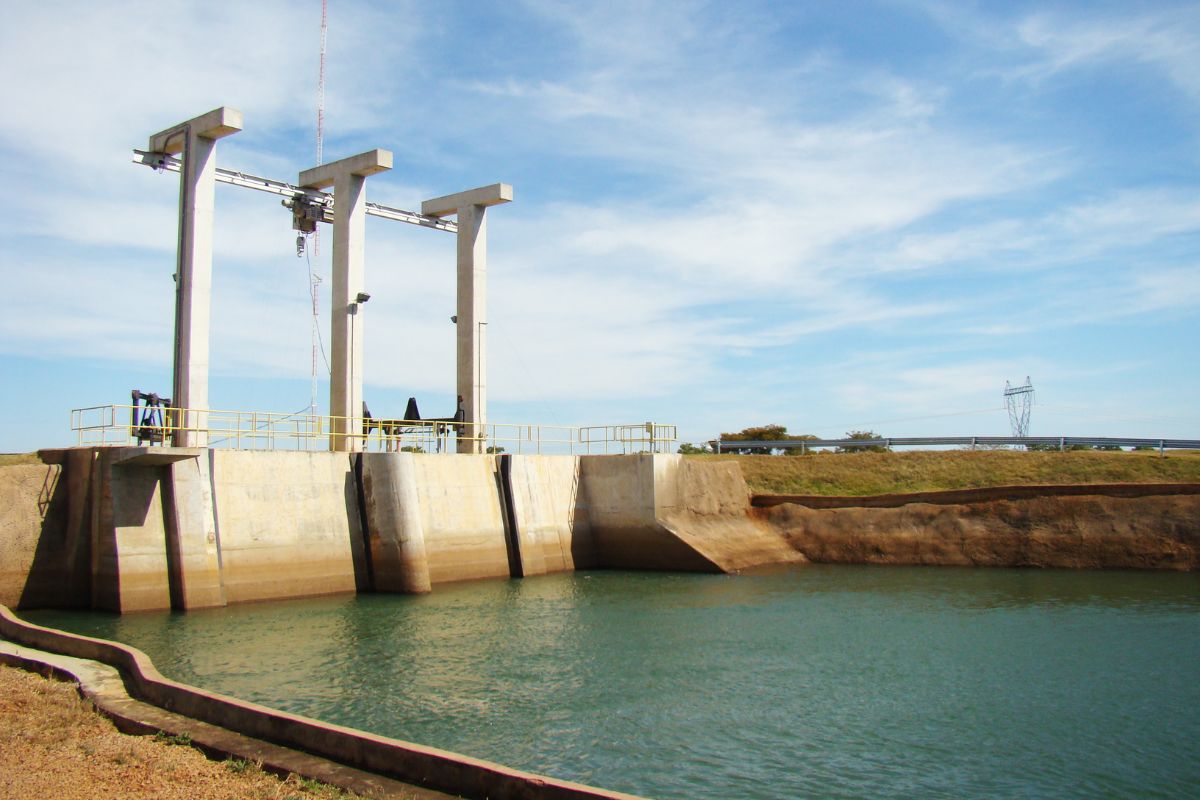
Brazil Faces Strong Pressure on Energy Rates: Below-Average Rainfall and Billion-Dollar Subsidies Raise Electricity Bills, Already Weighing on Family Budgets This Second Half of the Year
The pocket of the Brazilian consumer is feeling the weight of electricity again this September.
Projections indicate that, by 2025, electricity bills will rise by approximately 7%, an increase that exceeds the average inflation rate expected for the same period.
The main factors behind this escalation are the billion-dollar subsidies in the sector and the low volume of rainfall, which has compromised reservoirs and hydroelectric generation.
-
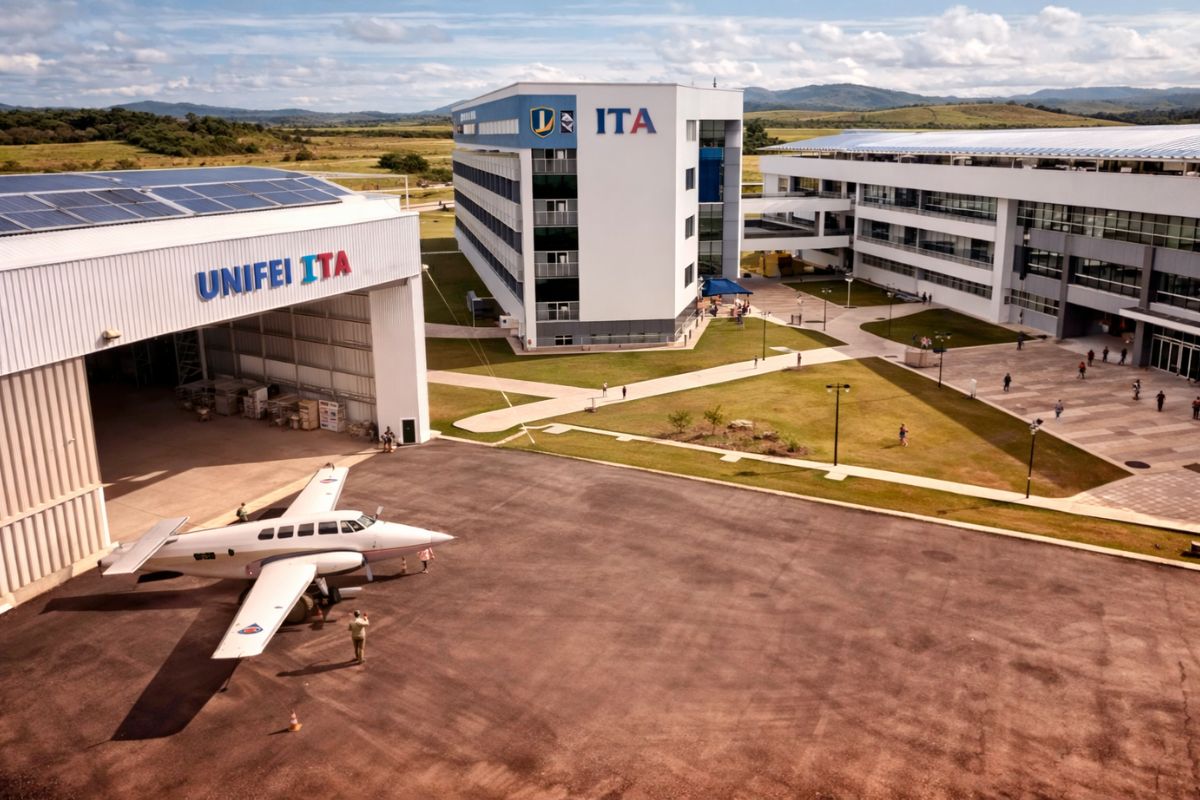
The institute that trained the greatest aerospace engineers in Brazil has just opened its first campus outside São Paulo after 75 years: ITA Ceará will have R$ 445 million, new courses in energy and systems, and classes are expected to start in 2027.
-
Luciano Hang, owner of Havan, goes to Juiz de Fora after the tragedy in February, brings R$ 1 million, hands out R$ 2,000 cards, and donates up to R$ 15,000 to victims in the region.

-
The Brazilian passport allows legal residence in dozens of countries without the need for a prior visa, and most Brazilians are unaware that they can apply for residency directly upon arriving in nations in South America, Africa, and even Europe.

-
Petrobras sends a message to Brazilian truck drivers after fuel collapse and reveals plan to have 100% domestic diesel.


According to the Focus Bulletin from the Central Bank, inflation measured by the Broad Consumer Price Index (IPCA) is expected to close the year at 4.85%.
This scenario confirms that electricity is set to increase almost double the general cost of living for the population, becoming one of the villains of the family budget.
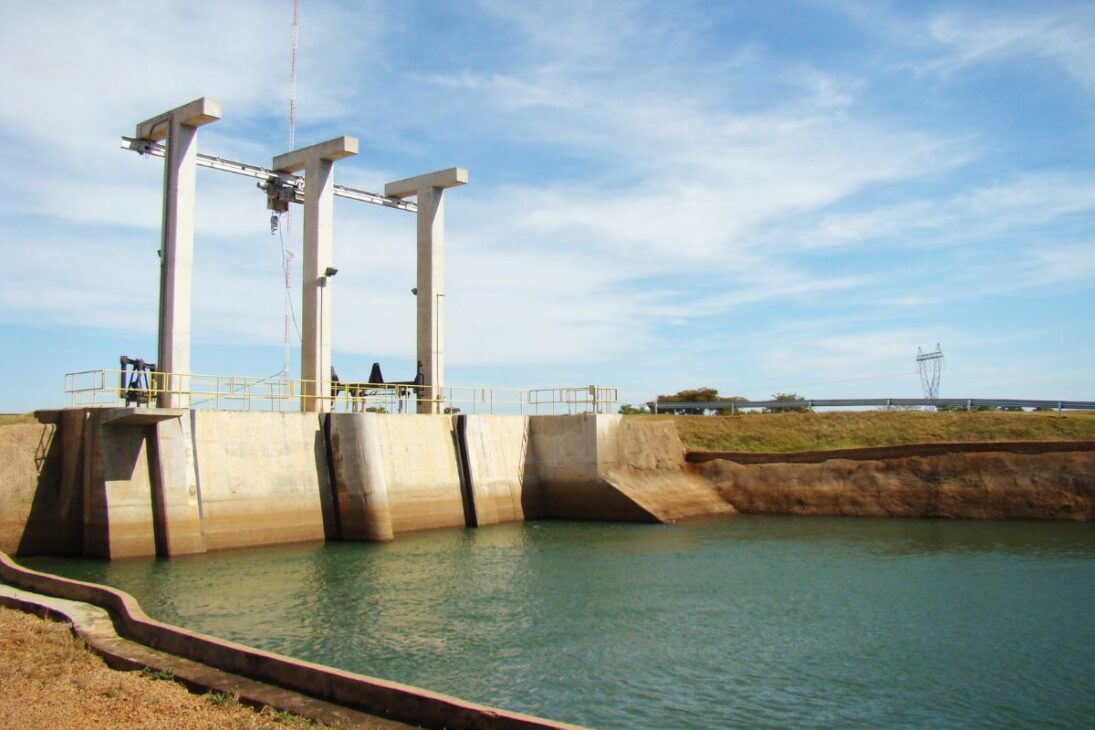
More Expensive Tariff Flags Weigh on the Budget
Since May, Brazilian consumers have been paying more due to the tariff flag system activated by the National Electric Energy Agency (Aneel).
First, the yellow flag was applied, which already represented an additional cost.
In the following months, the situation worsened: in June and July, the red flag level 1 came into effect, and as of August, the red flag level 2 was activated, the most expensive in the system, which remains in effect in September.
The impact was immediate on the inflation index: data from the Brazilian Institute of Geography and Statistics (IBGE) shows that residential electricity increased 10.2% up to July, and the forecast is for an accumulated increase of 16% by September.
Historic Rise in Energy Tariffs
This is not a recent problem. According to the Brazilian Association of Electricity Traders (Abraceel), the increase in tariffs has been observed for over a decade.
Between 2010 and 2025, electricity bills have accumulated a rise of 177%, an increase about 45% above the inflation of the period, which has surged by 122%.
This disparity reinforces the feeling of injustice for the consumer, who pays increasingly more for a service considered essential.
The combination of high costs with the economic scenario pressures the household budget and raises debates about the need for a review of Brazilian energy policy.










-

-

-

3 pessoas reagiram a isso.