





 Portuguese
  English
  Spanish
  6 min of reading
  0 comments


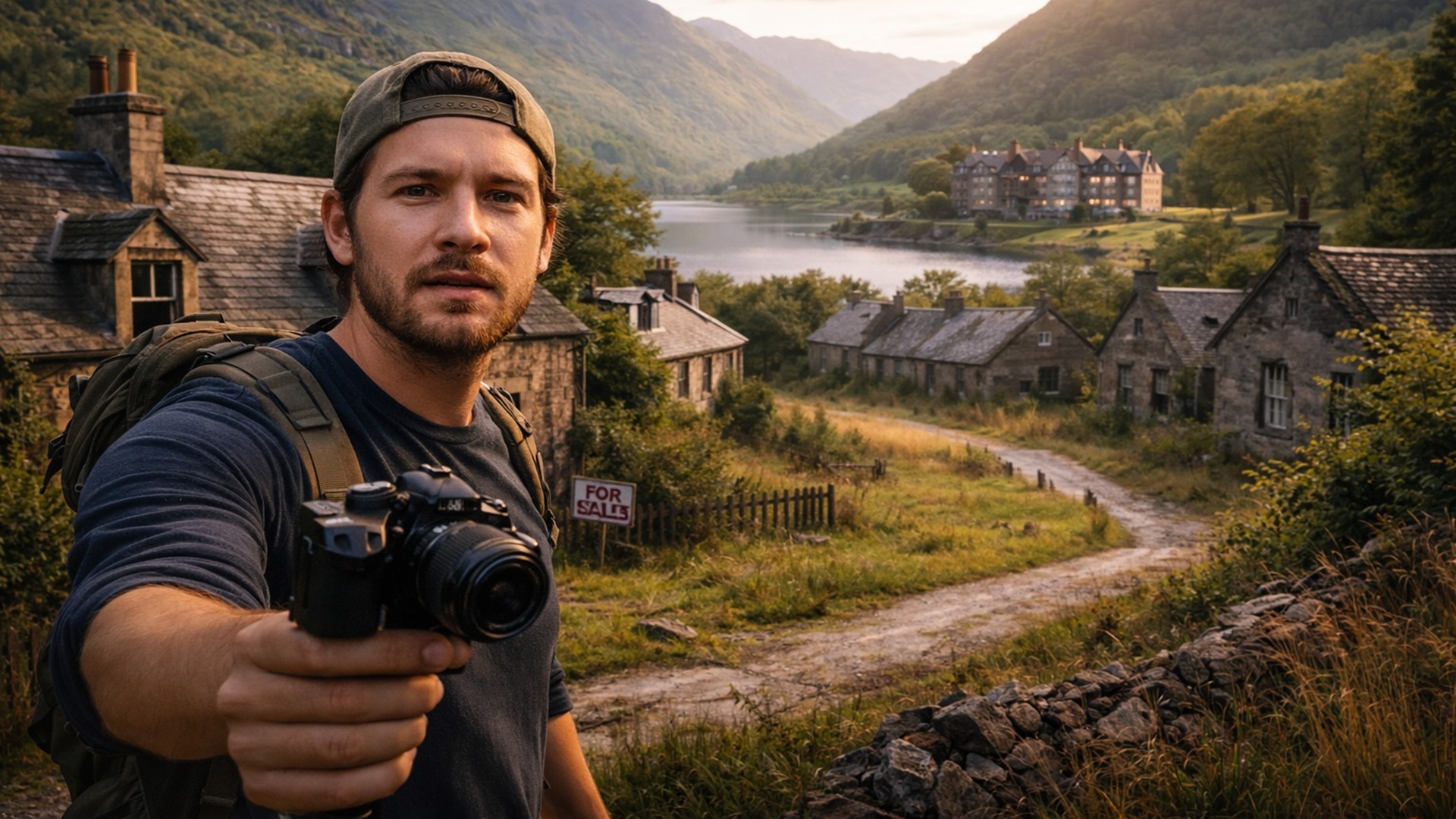
Traveling Through Remote Villages of the Scottish Highlands, Report Reveals Accelerated Population Decline, School Closures, Youth Exodus Due to Lack of Jobs, and the Rise of Holiday Homes Purchased by Foreigners, Structurally Altering Community Life and Cultural Identity in the Region
The landscapes of the Scottish Highlands are among the most recognizable on the planet. Rugged mountains, green valleys, deep lakes, and an aura of tradition associated with clans, music, and community life have shaped the region’s identity for centuries. However, behind the globally disseminated image, what remains of this traditional culture today is a growing concern among local residents.
A journey through the most remote areas of the Highlands reveals a paradoxical territory: visually preserved but socially emptied. Entire villages showcase well-kept homes but lack permanent residents.
In many cases, the lights turn on only for a few weeks a year, when outside owners – especially from major British cities – occupy properties used as holiday homes or temporary retreats.
-
He started running at 66 years old, broke records at 82, and is now a subject of study for having a metabolic age comparable to that of a 20-year-old, in a case that is intriguing scientists and inspiring the world.

-
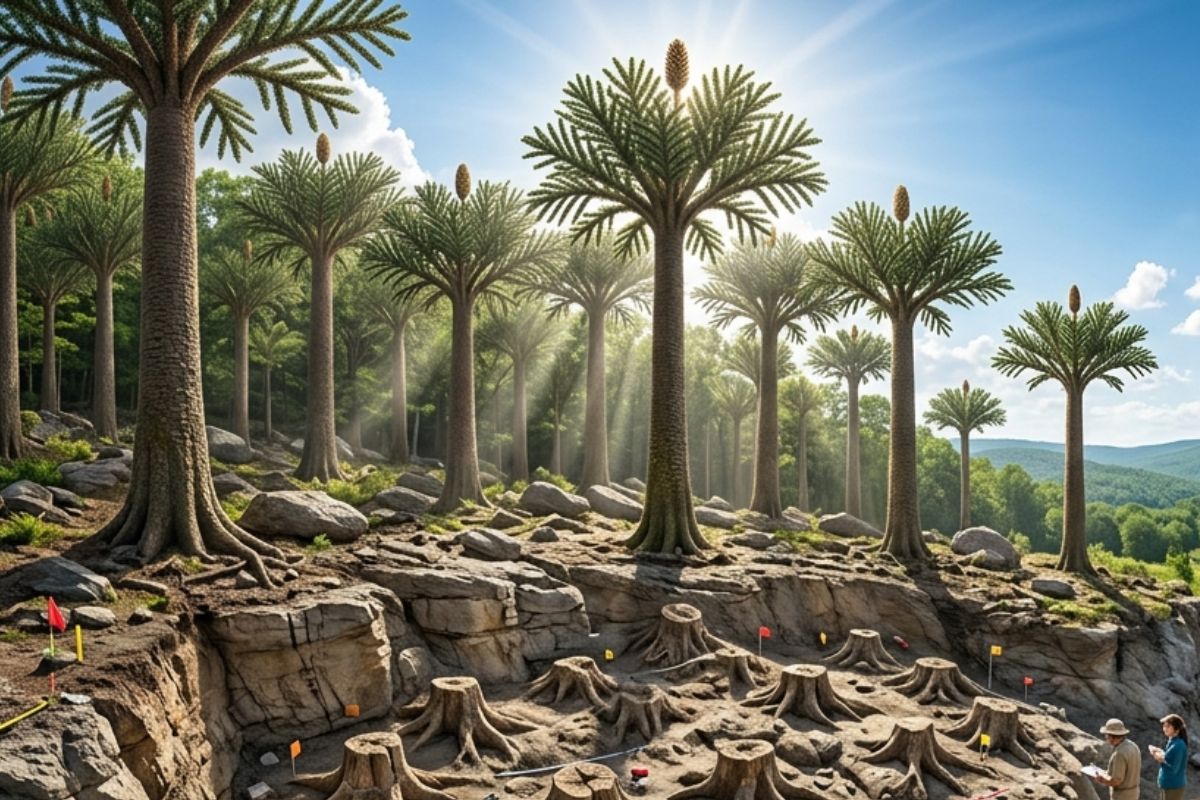
Oldest tree on the planet reappears after 130 years of searches: Wattieza, 385 million years old, was 10 meters tall and had no leaves or seeds; Gilboa fossils in New York solved the mystery in 2007.
-
A 48-square-meter house assembled in hours with 4,000 bricks made of recycled plastic that does not absorb moisture, has natural thermal insulation, and costs less than 90,000 reais in a complete kit.

-
Luciano Hang revealed that Havan’s air fleet has already accumulated more than 20,000 landings, 10,000 flight hours, and 6 million kilometers traveled, and he says that without the planes, the company would never have grown so quickly.


The Silence of the Villages and the Disappearance of Families
Crossing dozens of small rural communities, the absence of people is the first warning sign. Empty streets, closed schools, and the nearly non-existent presence of children indicate a profound transformation in the local social fabric.
Older residents report that, just a few decades ago, the villages were vibrant, with large families, constant community activities, and schools operating regularly.
The closure of schools has become a symbolic landmark of population decline. With insufficient students, local institutions ceased to operate, forcing young families to move to urban centers in search of education, jobs and basic services. The result has been a cycle of depopulation that is hard to reverse.
Lack of Work and Youth Migration
The scarcity of economic opportunities is cited as one of the main causes of the exodus. Traditional activities, such as sheep farming and subsistence agriculture, have lost financial viability. Many young people leave the Highlands while still teenagers, seeking universities and jobs in cities like Edinburgh or Glasgow – and rarely return.
Local accounts indicate that, in the past, even with little money, families had access to housing, food, and basic resources through community work.
The economy operated more on barter and mutual support than through formal income. This model, however, has collapsed under contemporary economic demands.
Empty Houses That Are Not Abandoned
Despite the population decline, most houses are not in ruins. On the contrary: many are well-maintained, renovated, and appreciated.
The explanation lies in the transformation of the local real estate market. Properties once occupied by permanent residents have been purchased by external buyers with greater purchasing power, interested in seasonal residences.
In some villages, only one or two native residents remain. The rest of the houses belong to people who live outside Scotland and spend only part of the year in the region. In practice, the villages do not physically disappear, but they lose their original social function.
The Loss of Community Life
Older residents describe a radical shift in the way of life. Where doors used to be open and neighbors freely entered each other’s homes, today distance prevails.
Spontaneous trust and a sense of community have given way to sporadic interactions between strangers.
This rupture is not just symbolic. The absence of permanent residents affects everything from the maintenance of local services to the organization of community events.
Everyday culture – the one lived daily and not just during festivals or celebrations – has become rare.
The Impact of Urban Money on the Highlands
A decisive factor in this transformation is the economic inequality between rural areas and large urban centers.
Residents report that the value of a small property in London can be enough to buy an entire house in the Highlands.
This creates uneven competition in the local market, making it almost impossible for young people in the region to acquire properties.
There are also reports of strategies used by external buyers to gain advantages, such as registering secondary homes to secure educational benefits, including free access to Scottish higher education. These practices deepen the feeling of exclusion among local inhabitants.
Growing Tourism and Limited Infrastructure
In addition to house purchases, tourism is another element of pressure. The increase in the number of motorhomes and itinerant visitors is noticeable even on the most remote roads.
Although tourism brings visibility to the region, many residents assert that it contributes little to the local economy since visitors often bring supplies from outside and do not utilize hotels, guesthouses, or local services.
The infrastructure, designed for small communities, struggles to cope with the growing flow of tourists, generating additional tensions.
Crofting: A Tradition in Decline
Crofting – a traditional system of communal land use based on smallholdings and common grazing areas – has been the foundation of life in the Highlands for centuries. This model shaped not only the economy but also the cultural identity of the region.
Today, although it still exists formally, crofting is practiced by an ever-decreasing number of people. Many lands remain registered as crofts, but are occupied by residents who do not maintain the traditional practice.
The loss of this activity also represents the loss of knowledge, rituals, and forms of social organization passed down through generations.
Culture Preserved Only on Formal Occasions
Elements associated with Scottish identity – such as kilts, traditional music, and community gatherings – still exist, but in an occasional and ceremonial manner.
What was once part of the routine has become restricted to organized events, often held in rented halls, and no longer within family homes.
These expressions, though important, do not replace the living culture of everyday life, based on continuous coexistence, shared work, and close relationships.
The Most Remote Point and the Presence of Foreigners
Even in the most isolated areas of the Highlands, the presence of foreigners is evident. Lighthouses, historical houses, and extreme points of Scottish territory are today owned by outsiders and, in some cases, serve as accommodations for international tourists.
This finding reinforces the perception that there is no longer a completely “preserved” refuge from external influence, not even within the geographical boundaries of the country.
Young People Who Stay and Resist
Despite the concerning scenario, there are exceptions. In some of the most remote villages, young Scots have decided to stay or return after studying away.
They describe a simple, peaceful life distant from urban tensions, valuing security, closeness to nature, and a slower pace.
These residents recognize the difficulties but see value in maintaining local presence and raising children in a rural environment, even with fewer economic opportunities.
Disappearance or Transformation?
The reality of the Highlands raises a central question: are the villages disappearing or merely transforming? Physically, the houses remain.
Economically, money circulates. Culturally, however, the replacement of local communities with temporary residents profoundly alters the region’s identity.
The process observed in the Highlands reflects a global phenomenon: rural areas emptied due to a lack of opportunities, replaced by higher-income populations drawn by the landscape and tranquility.
The difference is that in Scotland, this process affects one of the country’s most recognized cultural symbols.
Without effective policies to ensure affordable housing, local jobs, and basic services, the traditional culture of the Highlands risks surviving only as an image – admired from afar but disconnected from the real life that once sustained it.








-

-

-

-

-

-

20 pessoas reagiram a isso.