





 Portuguese
  English
  Spanish
  6 min of reading
  0 comments


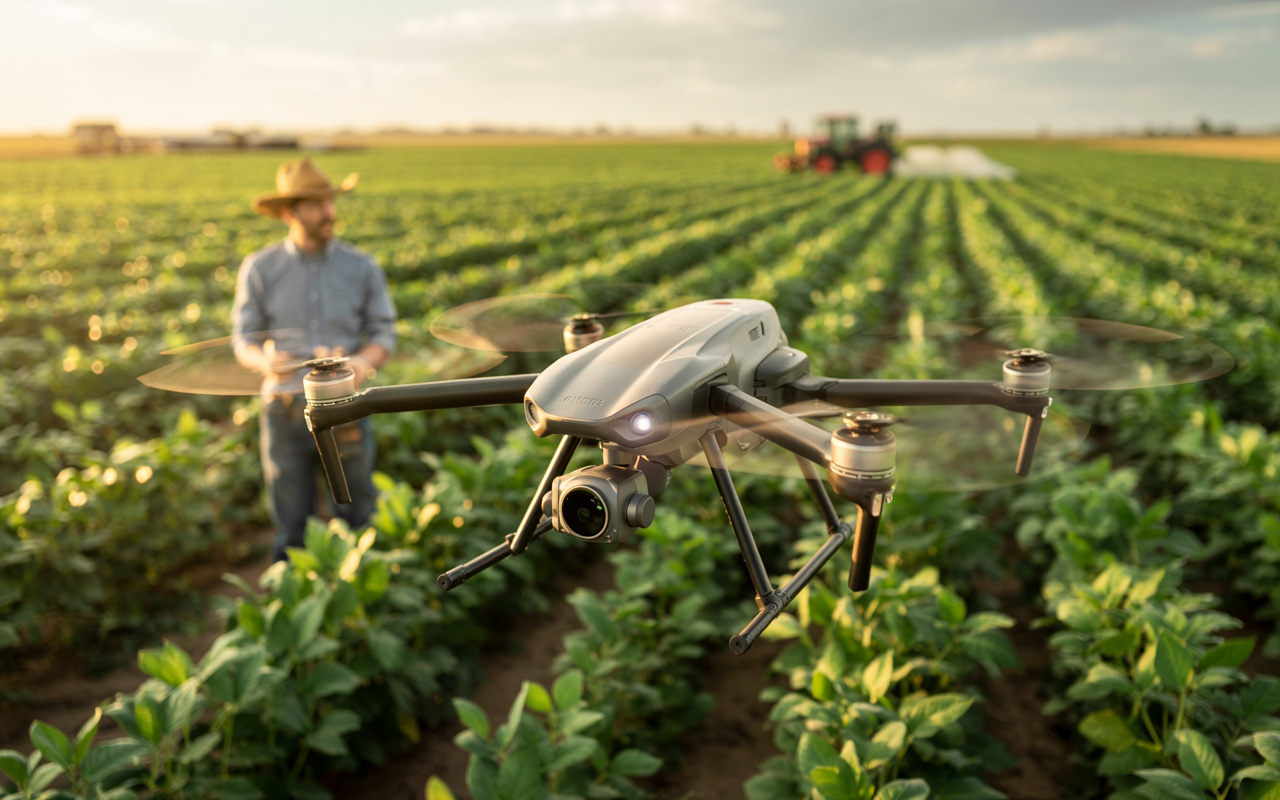
Understand How The Use Of Agricultural Drones Is Revolutionizing The Brazilian Country. Learn How The Profession With Drones Generates Extra Income In Rural Service, With High Demand In Precision Agriculture And Expressive Earnings For Those Who Work With Technology In Agro
The use of agricultural drones has already established itself as one of the biggest trends in the Brazilian agribusiness. The technology has created new job opportunities with drones, especially for professionals who work as service providers in rural areas. According to information from Embrapa, the popularization of agricultural drones has driven the adoption of technology by farmers and service providers in the interior of Brazil, with spraying and mapping services being charged between R$ 100 and R$ 400 per hectare, depending on the crop and region.
In a sector where productivity is a priority, drones are being used for spraying, monitoring crops, and mapping, bringing savings, efficiency, and more sustainability to agricultural production.
Significant Growth Of Agricultural Drones In Brazil
According to data from the National Union of Agricultural Aviation Companies (Sindag), the market for agricultural drones in Brazil has shown rapid growth, with an estimated annual expansion between 20% and 30%. It is estimated that more than 100,000 drones are in operation in the country, with approximately 30% of them exclusively intended for use in agriculture.
-
The sugar-energy sector advances with agricultural technology, but agricultural productivity still raises concerns.

-
The eggshell that almost everyone throws away is made up of about 95% calcium carbonate and can help enrich the soil when crushed, slowly releasing nutrients and being reused in home gardens and vegetable patches.

-
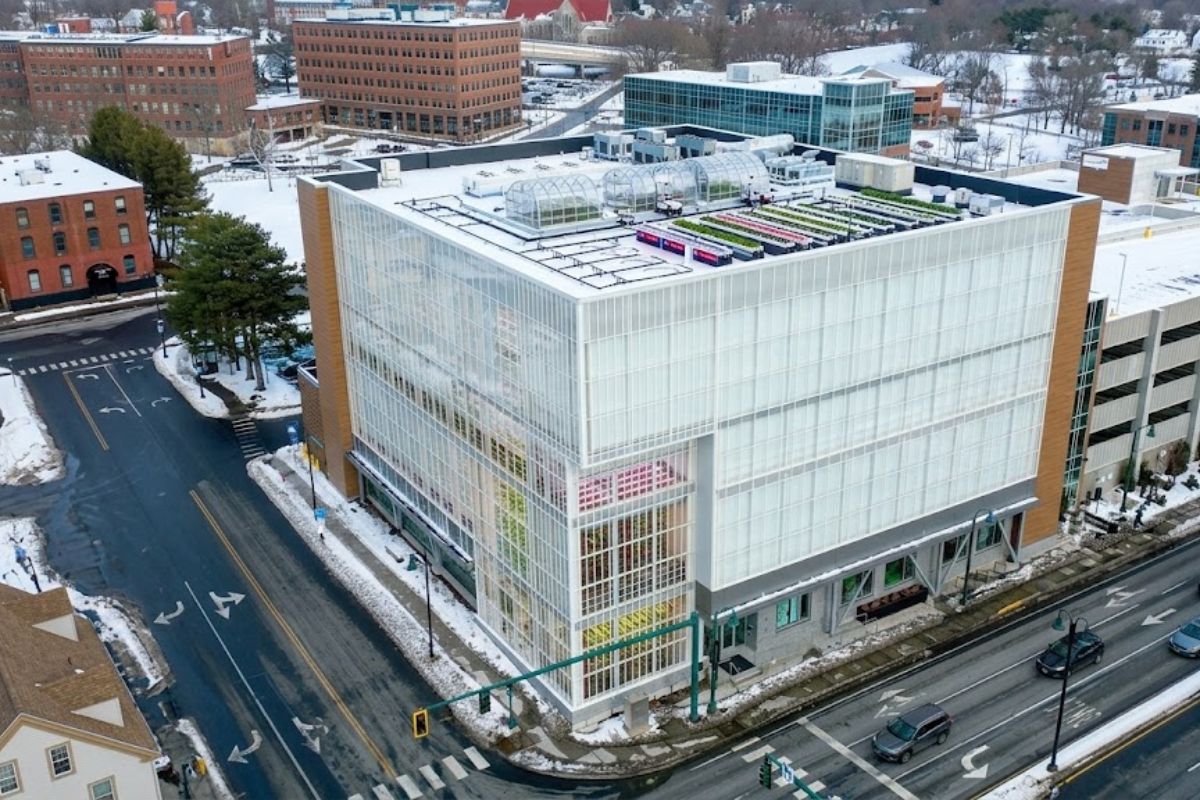
This farm in the United States does not use sunlight, does not use soil, and produces 500 times more food per square meter than traditional agriculture: the secret lies in 42,000 LEDs, hydroponics, and a system that recycles even the heat from the lamps.
-
The water that almost everyone throws away after cooking potatoes carries nutrients released during the preparation and can be reused to help in the development of plants when used correctly at the base of gardens and pots, at no additional cost and without changing the routine.


The growing interest can be explained by the cost-benefit of the technology. With average investments starting at R$ 25,000, rural service providers can achieve financial returns in just a few months. The most common applications include pesticide spraying, seed distribution, and analysis of areas with nutritional deficiencies.
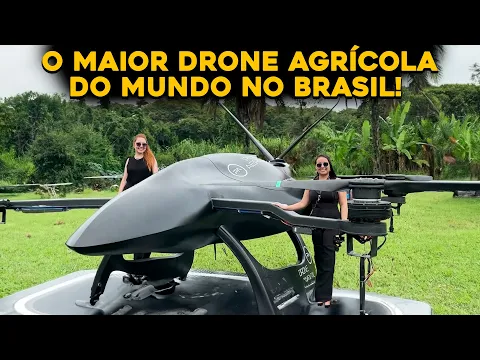

According to Embrapa, in some regions of the country, especially in the South and Midwest, the average monthly income of professionals working with precision agriculture using drones has already exceeded R$ 10,000, reaching R$ 15,000 during peak demand periods.
How Work With Drones In The Field Works
Working with drones in agriculture involves various activities beyond simple piloting. Professionals are engaged in flight planning, map analysis, equipment maintenance, and interpretation of georeferenced images.
Agricultural drones are equipped with multispectral cameras and advanced sensors capable of identifying pests, planting failures, water stress, and other issues that directly impact productivity. Based on this data, it is possible to direct corrective actions, reducing costs with inputs and increasing efficiency in crop management.
The service has become an accessible solution for medium and small producers, who often lack the structure to invest in their own equipment but hire specialized providers.
Rural Service Provision Becomes More Professional With The Use Of Drones
With the rapid growth of demand, rural service provision has undergone a professionalization process in recent years. Today, it is common to find companies dedicated exclusively to drone services in rural areas, serving farms of different sizes.
The advancement of technology has also driven the need for training. According to the National Rural Learning Service (Senar), the demand for drone operation courses has grown by about 190% in some states, such as Mato Grosso do Sul, between 2021 and 2023, reflecting the increase in demand for trained professionals to work with technology in the field.
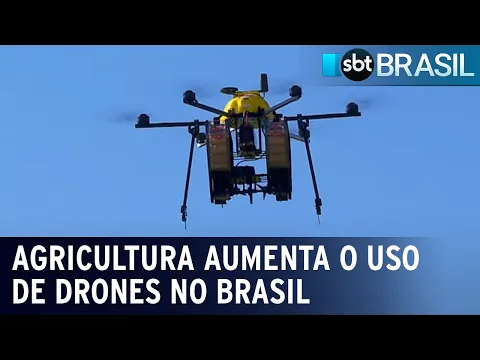
Training ranges from piloting to data processing and analysis, forming well-rounded professionals to work with precision agriculture.
Another relevant piece of data comes from Anac (National Civil Aviation Agency), which recorded more than 86,000 registered drones by June 2025, of which 36,000 are for professional use, with a strong presence in agribusiness.
Precision Agriculture: Direct Benefits To Crop Yields
The adoption of precision agriculture driven by drones has brought direct positive impacts to the field. Among the main benefits are the reduction in the use of chemical pesticides, greater control over crop conditions, and optimization in planting and harvesting.
A study by the University of São Paulo (USP) indicated that farms that adopted the use of drones managed to reduce agricultural input consumption by up to 20%, while simultaneously increasing average productivity per hectare by 15%.
These gains are also reflected in environmental preservation, as drone mapping allows for more precise control of applications, avoiding waste and contamination of neighboring areas.
Profession With Drones Gains Space In Rural Areas
The profession with drones is one of the fastest-growing in the Brazilian rural sector. In addition to the significant financial returns, the activity allows for flexible hours and the possibility of serving different crops throughout the year, such as soybeans, corn, cotton, sugarcane, and coffee.
According to Senar, Brazil is undergoing a transformation in the profile of field professionals, with young people increasingly interested in technology and less dependent on traditional farming practices. Drones have been the main driver of this change, offering a modern, lucrative, and high-demand profession.
According to Embrapa, it is expected that in the next five years, the use of agricultural drones will expand to practically all production chains in agro, consolidating service provision as a strategic pillar for the sector.
What Is Necessary To Work With Agricultural Drones
To work in the provision of services with agricultural drones, the professional needs to invest in equipment approved by Anatel and follow the regulations of Anac for commercial flights, which include registering the aircraft and obtaining authorization for flights in certain areas.
In addition, technical knowledge is essential. It is advisable to seek specialized courses that cover topics such as cartography, remote sensing, georeferencing, and image processing. There are also specific requirements for spraying drones, such as application rate control and appropriate meteorological parameters.
The choice of equipment also directly impacts financial performance. Models aimed at aerial spraying can cost between R$ 30,000 and R$ 120,000, while mapping drones usually start at R$ 15,000.
Why Working With Drones Is A Profession Of The Future
The popularization of agricultural drones is not just a passing trend but a structural shift in Brazilian agriculture. The pursuit of efficiency, productivity, and sustainability makes the use of drones an indispensable tool for the future of agribusiness.
For young people seeking a profession with drones, the scenario is favorable: low entry costs compared to other agricultural activities, high profitability, and growing demand in all regions of the country. Furthermore, the profession offers constant technological updates, making the work more dynamic and appealing.
McKinsey’s projection for Latin America indicates that the digital agriculture market — including drones — is expected to generate over US$ 2 billion by 2030, consolidating the sector as one of the main business opportunities in agro.
Drones Transform The Field And Offer New Opportunities In Brazilian Agro
Agricultural drones are revolutionizing the Brazilian agro sector, not only due to their efficiency in managing crops but also through the transformation of job opportunities in the field. With earnings that can reach R$ 15,000 per month, the profession with drones has become a viable, modern, and profitable option, especially for those providing rural services.
In addition to financial benefits, the use of drones promotes sustainability in the field and strengthens precision agriculture as a trend for the future. Those who invest in technical training and acquire suitable equipment find a market in full expansion, with growing demand in all producing regions of the country.
Whether for small businesses or large farms, working with drones represents the new era of Brazilian agriculture – more technological, efficient, and sustainable.









-

Uma pessoa reagiu a isso.