





 Portuguese
  English
  Spanish
  6 min of reading
  57 comments


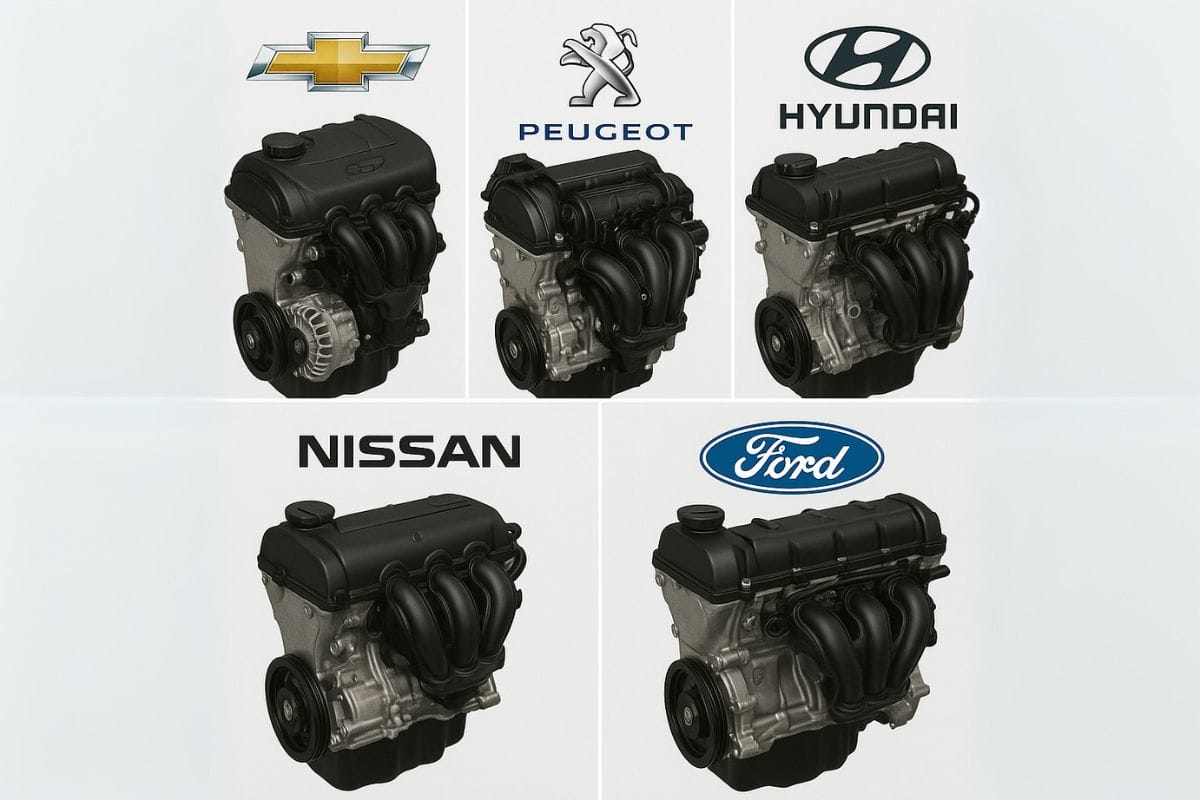

Changing Oil Is Not Enough: Some 3-Cylinder Engines Are Damaging Cars With Less Than 50,000 Km. See Which Ones to Avoid Before Buying a Used One
In recent years, 3-cylinder engines have become a craze in Brazil. Everyone wanted an economical, modern car that promised low consumption in the city. The idea seemed perfect, but over time, it became clear that not every engine in this category was synonymous with efficiency and durability. Quite the opposite. Some have turned into a real headache for owners — and a goldmine for workshops.
Many of these engines, despite being nice on paper, accumulate complaints for excessive oil consumption, strange vibrations, electrical problems, design defects, and expensive maintenance. And the most alarming part: there are cars with less than 50,000 kilometers requiring heavy engine repairs.
If you are thinking about buying a car with a 3-cylinder engine, it is worth knowing which ones have the most complaints around here. See below which models frequently appear in workshops — and the reasons mechanics recommend keeping your distance from them.
-
The car stored for 38 years: when opening the barn door, what appears is breathtaking and looks like a scene from a movie!

-
Fiat works miracles in the Brazilian market, lowers the price of its 0 km hatch to R$ 69,990, reestablishes the model as the cheapest car in the country, and reignites the battle against Kwid and C3.
-
Chevette with cooking gas: How the gas cylinder ends up being used in cars clandestinely and why this makeshift solution can result in leaks, explosions, damaged engines, and seized vehicles.
-
Fiat launches the new 2027 Toro hybrid with 48V, 176 hp, an electric motor of 15.5 hp, a 0.85 kWh battery, up to 7% fuel savings, 8% fewer emissions, and possible exemption from IPVA.


The GM 1.0, Used in the Onix and the Tracker, Has Become One of the Most Criticized Recently
One of the best-selling engines in Brazil has also become one of the most feared. The GM 1.0 engine, both in aspirated and turbo versions, equips cars like Onix, Prisma, and Tracker. However, along with its popularity came a major issue that caught many people by surprise: the infamous timing belt soaked in oil.
In theory, this belt is quieter and lasts longer. But in practice, it starts to break down prematurely, releasing debris into the oil that clogs the pump’s pickup. This causes a drop in lubrication pressure and, if the driver does not notice in time, can seize the engine. Many owners did everything right, using the correct oil and keeping up with maintenance, yet still faced this ordeal.
Additionally, the vacuum pump often fails as well. Made of Bakelite, it cannot withstand much heat and degrades over time, causing the brake pedal to become hard out of nowhere. It is an engine that demands total attention and does not forgive those who neglect maintenance.
The Ford 1.0 Ti-VCT Became a Joke in Workshops Because of How Much It Shakes
Anyone who has had a Ford Ka with a 3-cylinder engine knows that it is good to drive, economical, and even tough in traffic. But as soon as you start the car, you notice the problem: the engine shakes so much that it seems like the car is sick. In workshops, it earned the nickname “trembler“, and not without reason.
This excessive vibration is not just a nuisance on the steering wheel. It causes wear on the electrical harness, failures in the coils, problems in the throttle body, and even disconnects the battery terminal. It’s as if the car is slowly disassembling. And the worst part is that this happens even with low mileage.
Another important detail is that this engine requires very specific oil. If the owner uses any different lubricant, certain parts begin to wear out, which shortens its lifespan even further. Many people have given up on the Ford Ka due to unexpected costs, all thanks to an engine that cannot handle vibrations.
The Fiat Firefly 1.0 Looks Good at First, but It Can Turn into a Nightmare Later
On the list of those that promise but don’t deliver, the Fiat Firefly 1.0 also appears. It is found in Mobi, Argo, and Uno, and despite having an interesting proposal — with a timing chain instead of a belt — practice shows that it is not as reliable as it seems.
The main problem lies in the chain that can jump timing if the engine is rotated in the reverse direction during maintenance. This happens more often than one might think, especially in smaller workshops. When the chain escapes, the engine loses synchronization and will only return to normal with heavy disassembly.
To make matters worse, it also has recurring failures in the water pump, which can mix oil and water in the system, confusing many mechanics who remove the cylinder head thinking it is a blown head gasket. Not to mention the engine mounts, which break easily and cost a small fortune. Some owners have spent over R$ 3,000 just to fix this.
In other words, it is an engine that seems calm but can hide a significant financial burden if the owner does not stay alert.
The SCe 1.0 from Renault Is a Champion of Making Noise and Consuming Oil
If there is an engine that does not hide its defects, it is the SCe 1.0 from Renault. It equips the Kwid, Logan, and Sandero, and despite also using a timing chain, this has not prevented it from gaining notoriety in workshops.
The most common problem is the wear of the camshaft, which generates a very characteristic metallic noise, even with low mileage. There are Kwids with 30,000 km that already sound like cars from the 90s. And this is not an exaggeration: the noise is alarming.
This engine also tends to have constant oil leaks from the valve cover. Additionally, the oil consumption is outrageous for a popular car. Many people carry a liter of oil in the trunk as if it were water.
Another recurring headache is the burning of coils, especially because they are located very close to the cover, where the heat is more intense. All of this combined turns what should be a simple and economical engine into a real box of unpleasant surprises.
The PureTech 1.2 from Peugeot and Citroën Had a Brilliant Idea That Backfired
Last but not least, we have the PureTech 1.2, used in Peugeot and Citroën models such as 208, 2008, and C3. This engine seemed to be the most modern in the bunch: lightweight, efficient, with good torque delivery. However, its technology turned out to be a double-edged sword.
The infamous timing belt soaked in oil, which was supposed to last longer, ends up breaking down prematurely. And what happens next is almost always the same: pieces of the belt clog the lubrication system, the oil stops circulating properly, and the engine suffers accelerated wear, if it doesn’t seize altogether.
Even with preventive maintenance and using the correct oil, many people went through this nightmare. The engine also requires that, when changing the belt, the mechanic “discharges” the variable pulleys by turning the engine manually. If this is not done correctly, the car leaves the workshop out of sync.
It is an engine that requires highly specialized labor. And if you rely on an ordinary workshop, the risk of loss is high.
It’s Worth Thinking Twice Before Bringing a 3-Cylinder Home
If you are thinking of buying a used car with a 3-cylinder engine, it is worth researching thoroughly. Talk to those who have had one, watch mechanic videos, and read reports on forums and social media. Impulse buying, just because the car is economical, could lead you down a path filled with workshops, expensive parts, and headaches.
After all, true savings are those that don’t cost your peace of mind.










Carro bom mesmo é wolks ou toyta ou Honda quer dizer alemão ou japonês.
O resto é resto.
Hoje tenho um carro 4 cilindros ,mas se fosse pra eu comprar hoje um 3 cilindros seria linha tsi da VW ,que pelos relatos são os mais confiáveis
Acabei de fazer a revisão dos 60.000 do meu Onix turbo em autorizada e está ótimo, zero de problema, econômico, potente, silencioso e pouca vibração. Já vi vídeo de mecânico criticando o motor e dizendo que o dono faz manutenção direitinho, mas quando abre a tampa do motor dá medo de tão sujo que está o motor “bem cuidado”. Vai por mim, a maioria mente descaradamente quando diz que só fez troca com óleo indicado e no tempo certo, estão de olho na garantia da fábrica