





 Portuguese
  English
  Spanish
  4 min of reading
  0 comments


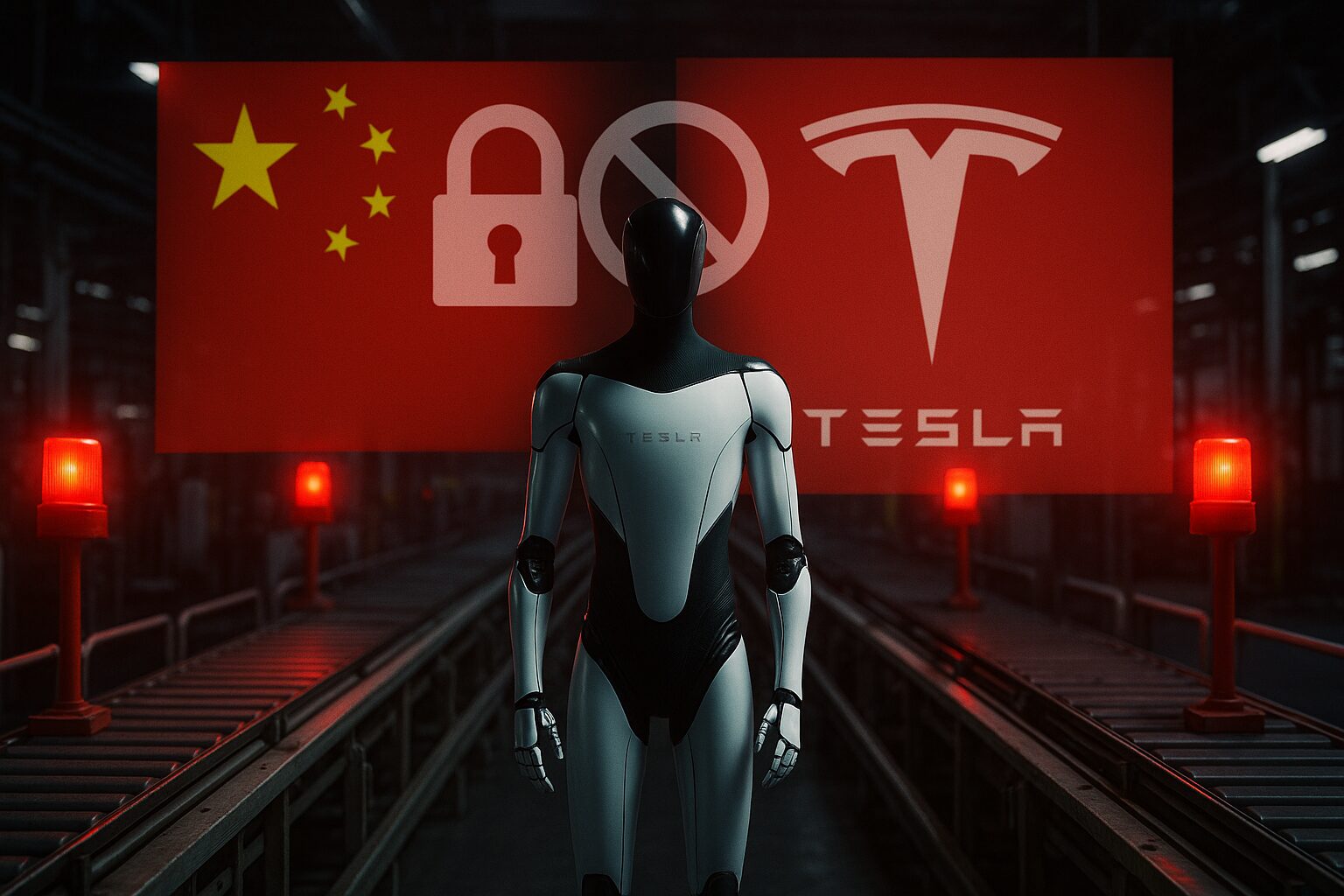
New Measure from the Chinese Government Reinforces Tension in the Trade War with the USA and Affects Strategic Sectors Such as Defense, Robotics, and Electric Vehicles.
The trade war between the USA and China took on a new dimension in April 2025, with the adoption of a measure by the Chinese government: the limitation of the export of rare minerals and industrial magnets. The decision directly impacts sectors considered strategic, such as automobiles, semiconductors, defense, and aerospace technology. One of the first public reflections was reported by Elon Musk, CEO of Tesla, who stated that the production of the humanoid robot Optimus is being compromised due to the new restrictions.
Since April 4, the export of six types of strategic minerals can only occur with explicit authorization from the Chinese government. The list includes metals used in the manufacture of high-density magnetic magnets, essential for compact motors used in robots, drones, optical sensors, and military systems. China’s control over these resources has become a central point in the dispute with the United States, directly affecting companies like Tesla.
Tesla’s Optimus Robot Faces Delays
During the presentation of the financial results for the first quarter of 2025, Elon Musk revealed that Tesla is struggling to maintain the production schedule of the Optimus robot due to a lack of access to magnets made from Chinese rare metals. According to Musk, the company is trying to obtain an export license from the Chinese government to continue developing the project.
-
USA and China compete for Brazil over resources that could be worth trillions — rare earths put the country at the center of a global dispute

-
Global summit with over 40 countries pressures Iran for a blockade in the Strait of Hormuz and warns of direct impact on oil, food, and the global economy.

-
Russia has broken the U.S. maritime blockade to send oil to Cuba and is now loading a second ship while Trump says that “Cuba is next” in a possible military action against the island.
-
Spain challenges the USA and closes its airspace for operations against Iran, raising global tension and provoking the threat of a trade rupture.

“We are working with China to try to obtain an export license. Without this, the production of Optimus will slow down,” the executive stated. Musk assured that the materials will not be used for military purposes, as the Chinese government fears, but rather in domestic robots with various functions.
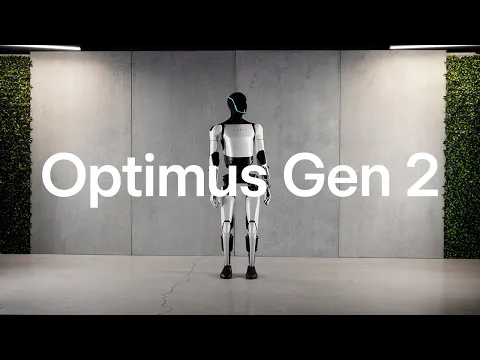

The Optimus robot gained prominence at the Tesla event held at the end of 2024, appearing in public presentations where it demonstrated abilities such as walking, interacting with humans, and performing simple tasks.
However, it soon became known that the prototypes were still being controlled remotely, raising doubts about the actual stage of the technology. Despite this, the company continues to invest in the evolution of the model with the Optimus Gen 2 version, which already appears in videos operating autonomously in industrial settings.
China Expands Control Over Strategic Exports
The new regulation announced by Beijing requires special licenses for the export of materials considered strategic, a measure that gives the Chinese government the power to block the supply of these inputs to entire companies or countries. In practice, this allows China to use access to its natural resources as a geopolitical tool amid the trade war with the United States.
The Chinese Ministry of Commerce has also determined that companies in the country no longer maintain commercial relations with certain American companies, especially those linked to the defense sector.
The Chinese government justifies the decision based on concerns about the military use of the exported materials. “We want guarantees that they will not be used in weaponry,” said an official spokesperson.
China’s Restrictions Have Direct Impacts on Tesla and the Technology Sector
Tesla reported a 71% drop in its net income in the first quarter of 2025 compared to the same period the previous year. Revenue from vehicle sales fell to US$ 13.96 billion, reflecting the effects of the global economic slowdown and the logistical challenges caused by trade restrictions between China and the United States.
Even so, the company’s stock rose more than 5%, fueled by the promises of new products and ongoing investments in artificial intelligence. The Optimus robot is one of Elon Musk’s bets to diversify Tesla’s portfolio and keep the company at the forefront of global technological innovation.
The dependence on components manufactured in China, however, poses a risk for Western companies involved in high-tech sectors. The trade war and the tightening of tariffs hinder access to essential materials for manufacturing robots, wind turbines, jet engines, radars, and other cutting-edge devices.
Technological Race and Rivalry
While facing external obstacles, China continues to strengthen its own robotics sector. Models of bipedal robots developed by Chinese companies have already participated in marathons alongside humans, in public demonstrations aimed at highlighting local advancements in this area.
The internal advancement may put the country at an advantage over foreign companies facing trade barriers imposed by Beijing.
The race for technological supremacy is directly linked to the trade war between China and the United States. The tariffs imposed by both sides, coupled with the new export control measures, escalate tensions and hinder dialogue between the two largest economies on the planet.
Source: Hardware








-

Uma pessoa reagiu a isso.