





 Portuguese
  English
  Spanish
  4 min of reading
  185 comments


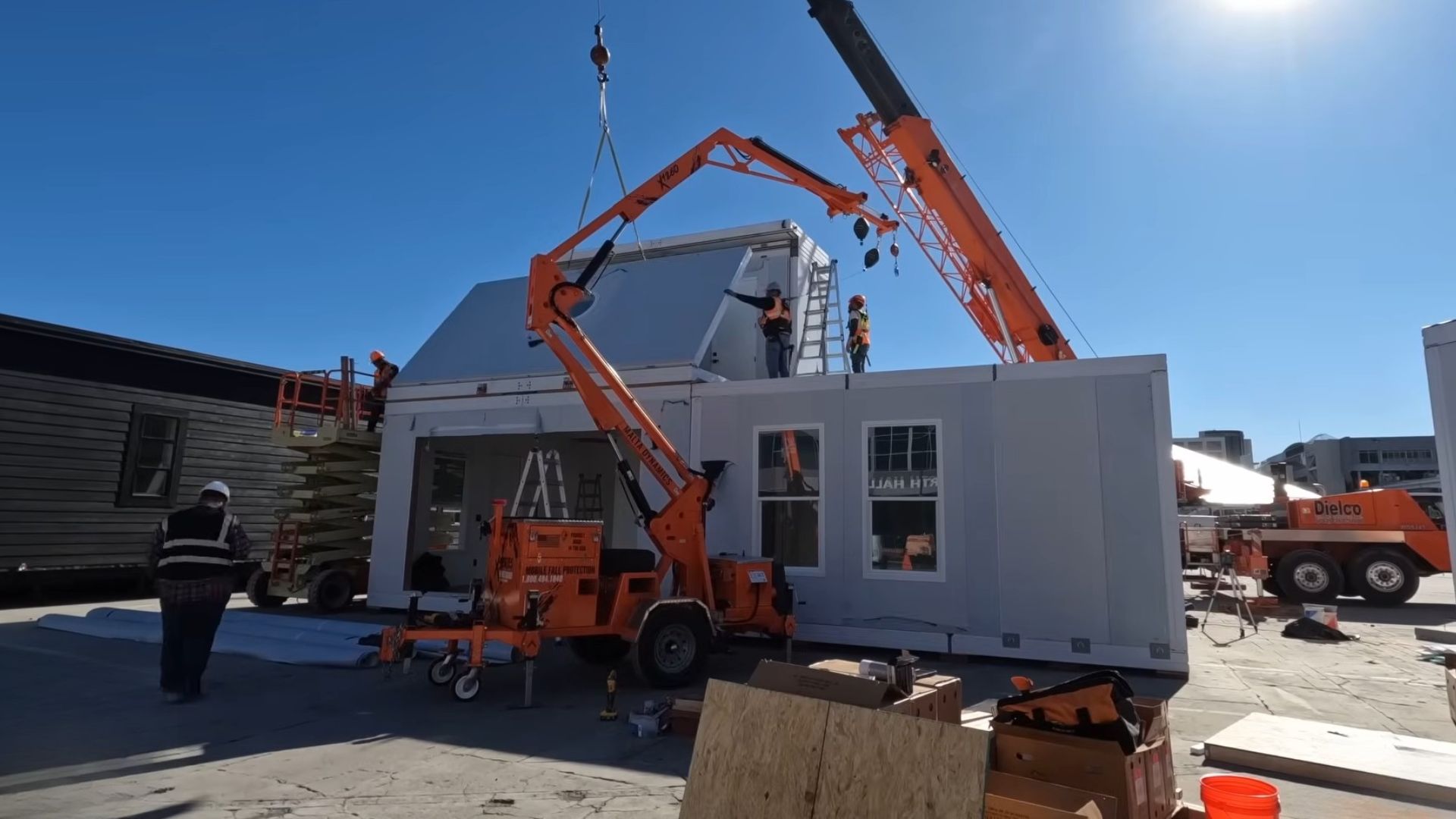


Modular Home Project Associated With Elon Musk Promises Own Energy, Nearly Total Water Reuse, and Price Below Traditional Real Estate Market, Accumulating Over 160 Thousand Orders and Sparking Debate About Impact on Brazilian Housing Sector.
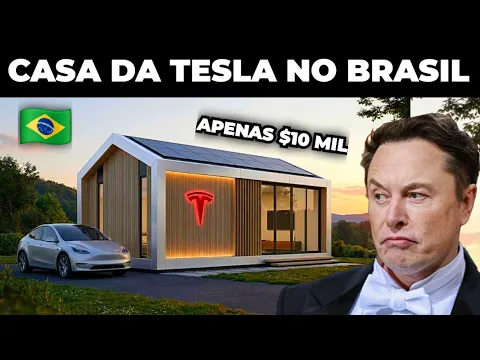
The promise of a technological home for less than 10 thousand dollars, equipped with six solar panels, a Powerwall battery, and advanced water reuse systems, has placed Elon Musk back in the spotlight and reignited the debate about affordable housing in Brazil.
According to information published by the Boxabl portal, the prefabricated model has already accumulated over 160 thousand orders around the world and is starting to attract interest in the Brazilian market, in a scenario marked by rising construction costs and increasing difficulty in accessing home ownership.
Construction Cost Pressures Access to Housing
Buying a property has become an increasingly distant goal for a large part of the population, pressured by salaries that advance at a pace slower than the rising real estate and construction costs in recent years.
-
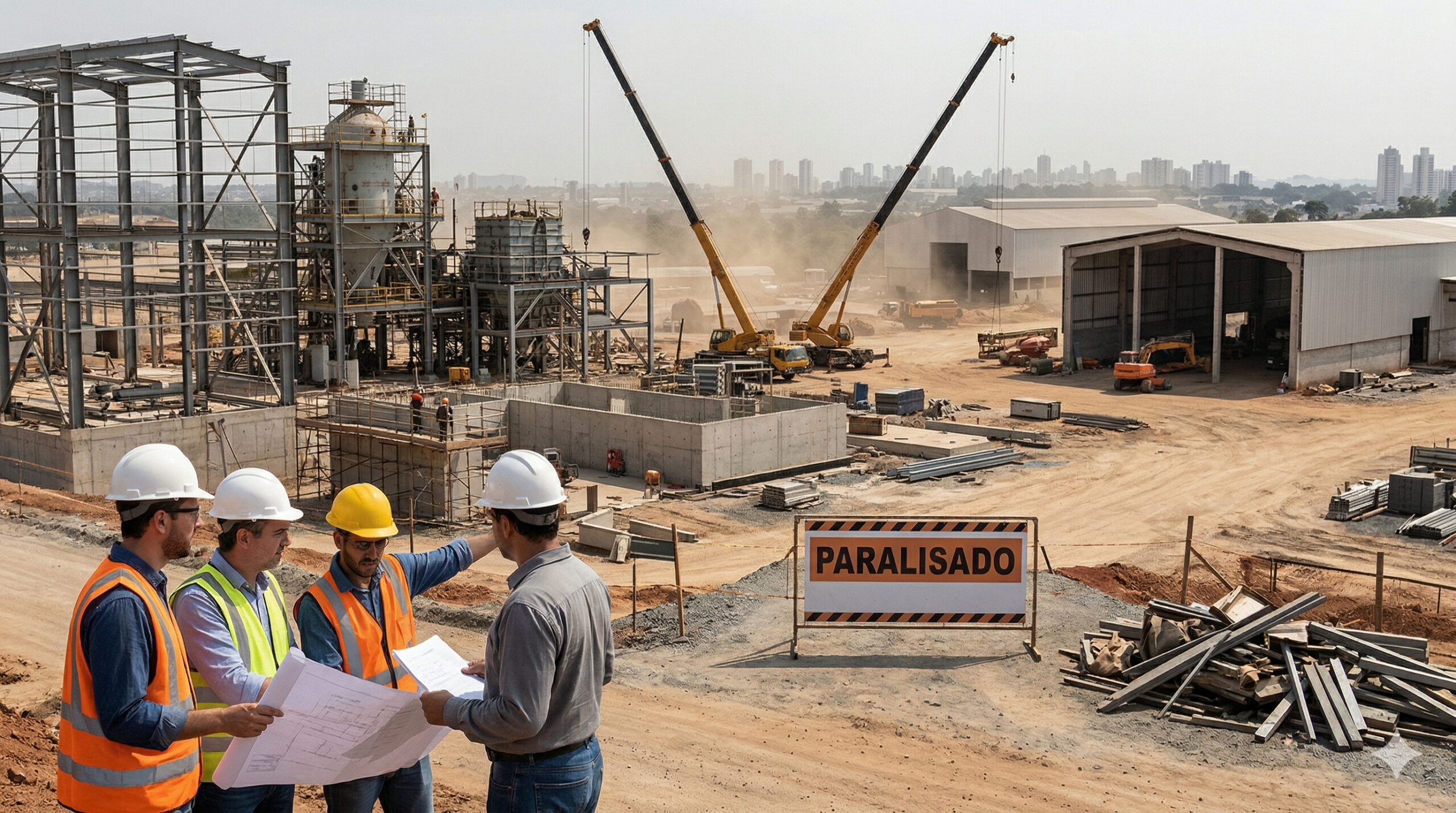
The lack of welders, electricians, and operators becomes a structural threat in 2025, with the construction industry and manufacturing already suffering from delays, cost pressures, and labor shortages in Brazil.
-
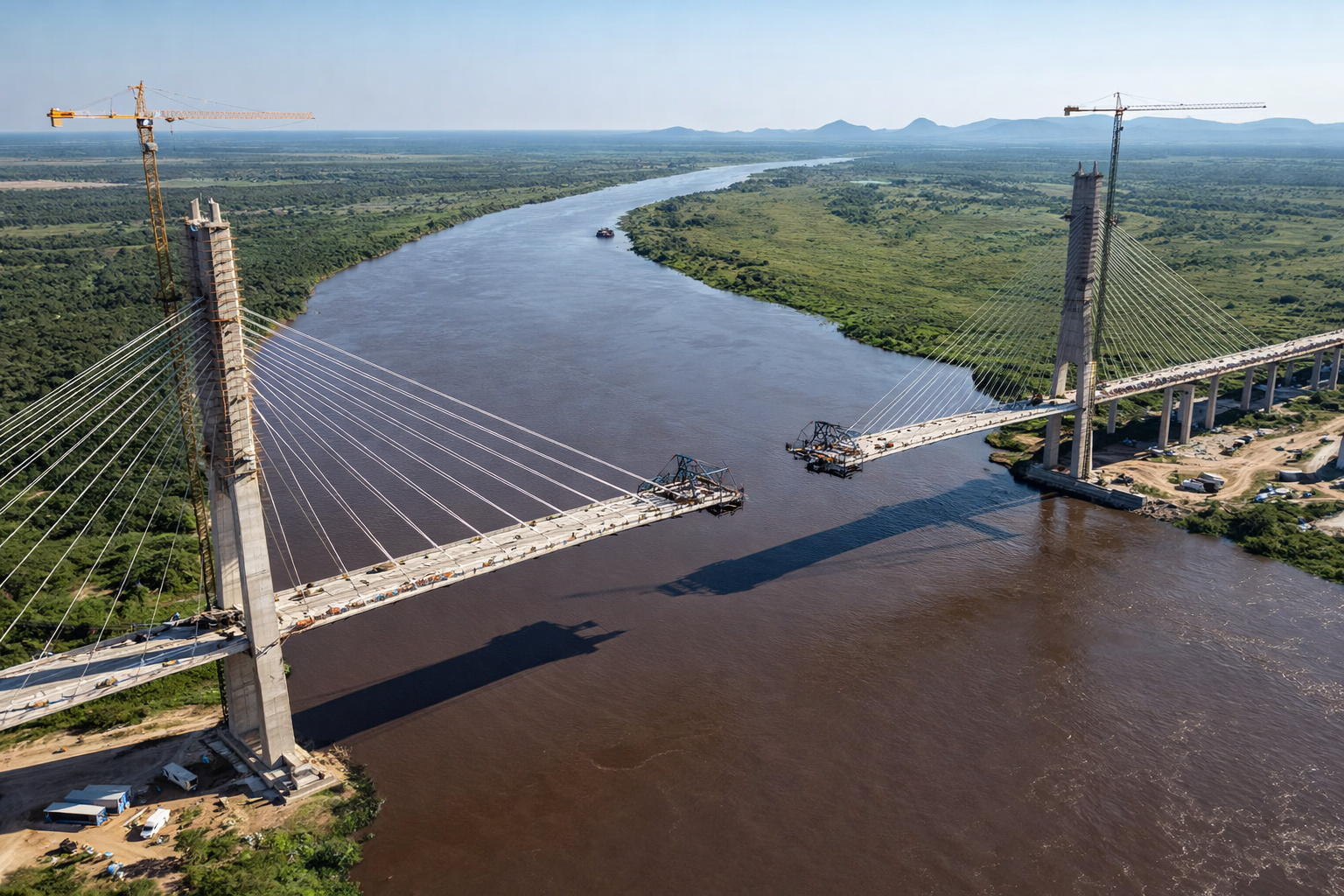
Brazil and Paraguay are just 46 meters away from a historic union on the bioceanic bridge that promises to revolutionize trade between the Atlantic and the Pacific.
-
With 55 km over the sea, a cost of US$ 20 billion, and enough steel to build 60 Eiffel Towers, China’s largest project has connected Hong Kong, Zhuhai, and Macau in a colossal bridge that defies the logic of engineering.

-
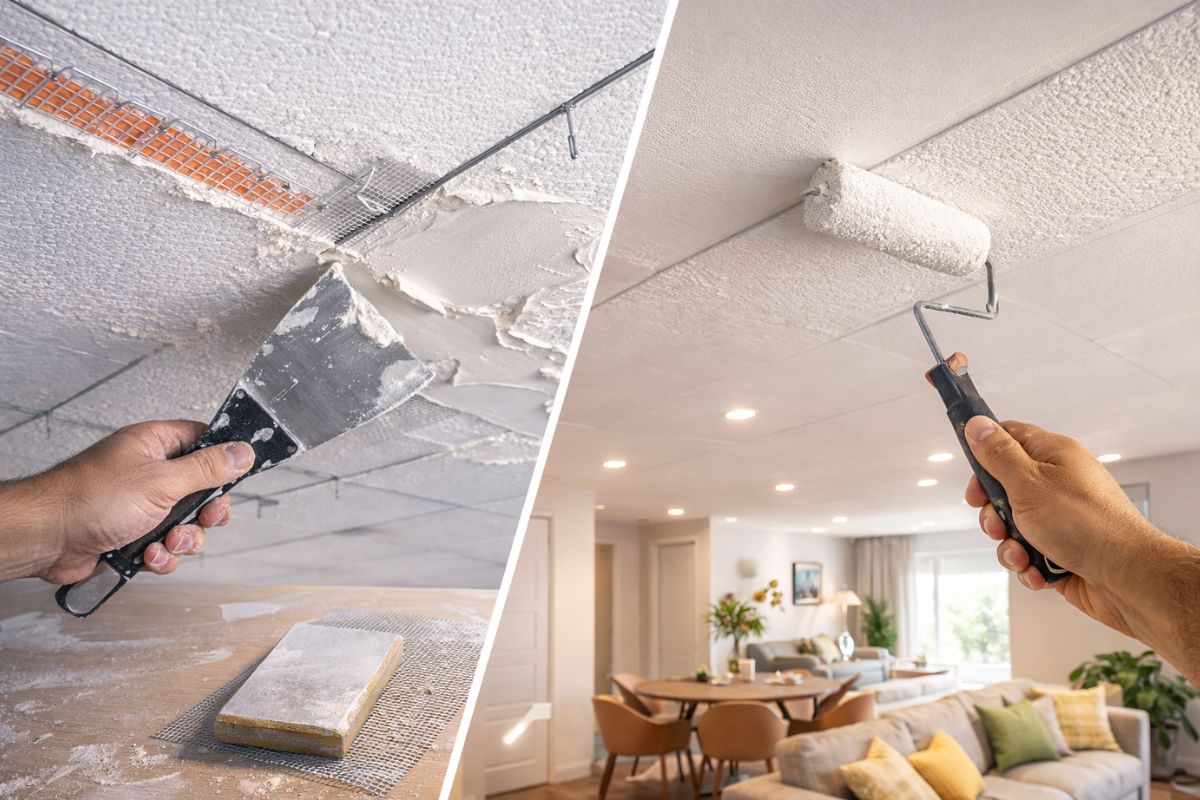
A trick with joint compound transforms a Styrofoam ceiling into a plaster-like ceiling: leveled panels, wires and mesh at the joints, sand, paint, and change the environment while spending little today.

Data from the National System of Costs and Indices for Civil Construction indicates that the square meter in the country hovers around R$ 1,882.60, which significantly elevates the final price even in compact projects of 45 m².

In practice, this means that a residence of this standard can exceed R$ 84 thousand, while properties of 60 m² easily surpass the R$ 100 thousand range, and units of 100 m² tend to exceed R$ 160 thousand.
Moreover, those who opt for renting face frequent adjustments and contractual limitations, such as restrictions on renovations or customizations, reinforcing the desire for permanent ownership.
In this context, the proposal associated with Musk emerges as a disruptive alternative, combining reduced cost, embedded technology, and an industrialized construction model.
Partnership With Boxabl and Foldable Modular Model
The initiative involves the company Boxabl, founded in 2017 by Paolo Tiramani and Galiano Tiramani, which developed a system of foldable modular homes designed to facilitate transportation and large-scale assembly.
The differential lies in the engineering that allows the structure to be compacted for conventional road transportation and later opened at the permanent site, reducing logistical hurdles and operational costs.
The compact residence, known as Tiny House, measures about 37 m² and comes equipped with a kitchen, a full bathroom, and design solutions prioritizing space utilization.
Reports indicate that Musk himself started living in such a unit in 2021, an experience that reportedly fueled his interest in integrating Tesla technologies into the modular concept.
Solar Energy and Powerwall As Competitive Advantage
The model unveiled includes six integrated solar panels and a Powerwall battery, a system developed by Tesla to store energy and allow continuous use even without a constant connection to the electrical grid.

According to the information presented, the energy generation can reach up to 140% of the house’s demand, which opens room for storage or future compensation, depending on local regulations.
Another highlighted point is the advanced water system, capable of reusing up to 98.5% of the consumed water, reducing waste and increasing the unit’s autonomy.
This combination of self-generated energy and resource reuse positions the property as a sustainable alternative, especially in regions with limited infrastructure or high utility costs.
In addition, the fact that the house is produced in an industrial line contributes to standardization, economies of scale, and waste reduction compared to traditional construction methods.
Production At Scale and Price Below Market
The announced price, less than 10 thousand dollars, strongly contrasts with the average costs of civil construction, which naturally raises questions about viability and business model.
The logic presented by the project is based on mass production, simplification of steps, and the elimination of artisanal processes that inflate conventional construction costs.
With the house being manufactured almost entirely in an industrial environment, the assembly time decreases drastically, lowering expenses with prolonged labor and typical delays of traditional construction.
This format also diminishes climate variables and material waste, factors that usually impact the final budget of conventional constructions.
At the same time, the prior integration of electrical, hydraulic, and technological systems prevents later adaptations, which contributes to cost control and financial predictability.

Possible Impact On The Brazilian Real Estate Market
If the model consolidates in the country, experts indicate there may be repercussions in both the real estate sector and the construction industry, especially in the compact housing segment.
Traditional builders would need to revise processes and margins in light of an industrialized product with embedded technology and reduced cost, while the rental market could feel indirect pressure.
The proposal also resonates with young people who fear they won’t be able to acquire their own property, in a scenario where a significant part of this age group expresses insecurity about access to housing.
Still, the adaptation to the Brazilian context depends on regulatory factors, municipal norms, urban infrastructure, and rules for distributed solar energy generation.
Even with these challenges, the interest already shown globally suggests there is pent-up demand for more accessible and technological housing solutions.
If the promise of a compact, self-sufficient house with a price significantly lower than the current standard is confirmed at scale, the real estate sector could face a structural transformation— but is the Brazilian market prepared to absorb this new housing model?








primeira ventania leva isso embora
Top. Comprar o terreno entr amigos e meter varias casas dessas e um quiosque com.uma cozinha gourmet de encontros
Sim. Um lugar para as brigas relativas de questões de condomínio
muito estranha