





 Portuguese
  English
  Spanish
  4 min of reading
  0 comments


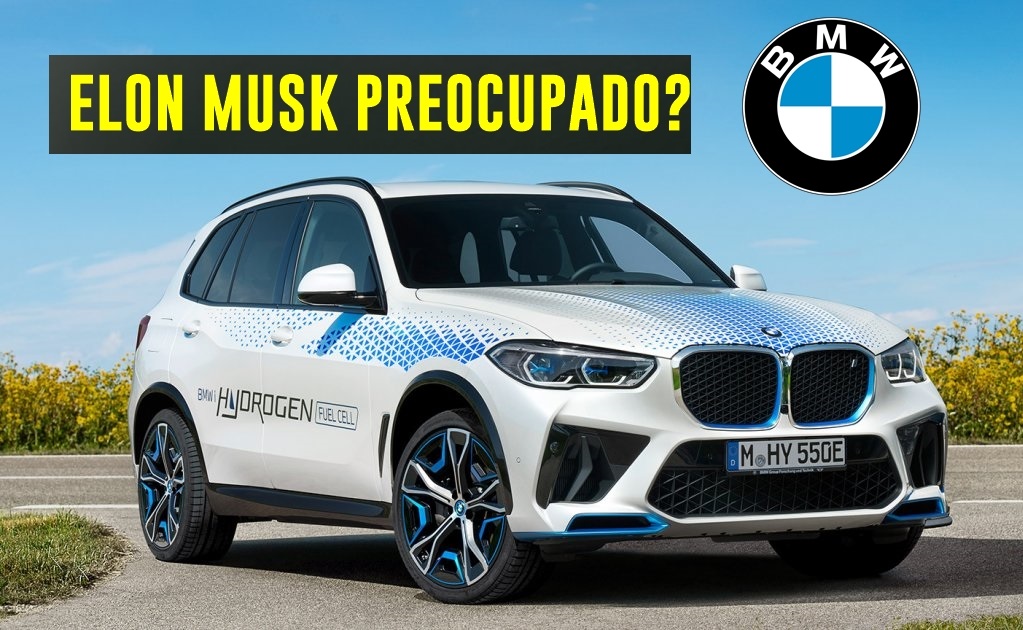
Revolution In The Market: BMW Announced Hydrogen-Powered Electric Car, Launch Expected In 2028. Tesla And Elon Musk Lagging Behind?
The German automaker BMW is preparing to launch its first hydrogen-powered electric car, marking a new chapter in the search for alternatives to battery electric vehicles. Although electric vehicles have dominated the landscape in recent years, largely due to the pioneering work of companies like Tesla, Elon Musk, other automakers are seeking to diversify their offerings with innovative technologies, such as hydrogen-powered cars.
This new venture from the company comes at a time of increasing demand for sustainable solutions and alternatives to fossil fuels. The launch is scheduled for 2028 and promises to be a milestone in the history of automotive mobility, as announced by the company.
Technology In Partnership With Toyota
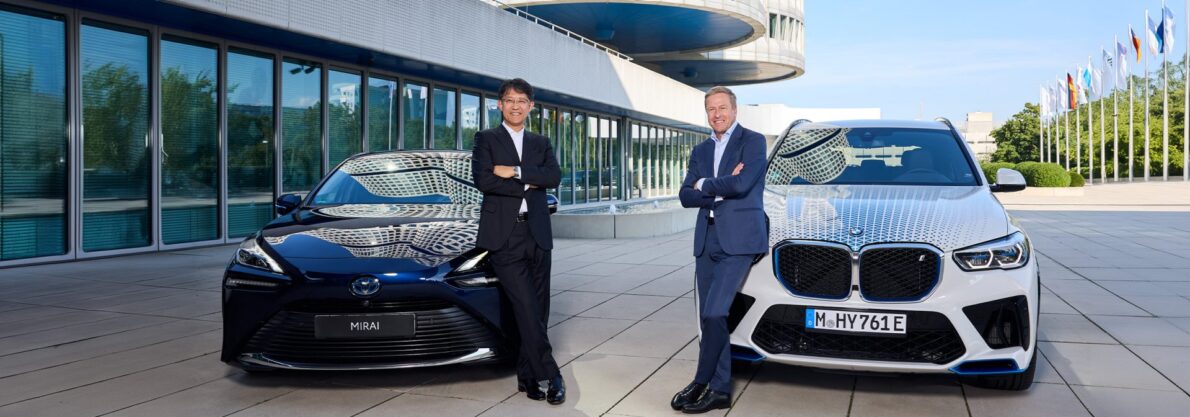
BMW is not alone in this endeavor. The technology behind the new hydrogen-powered vehicle will be developed in collaboration with Toyota, the largest automaker in the world and a pioneer in fuel cell research.
-
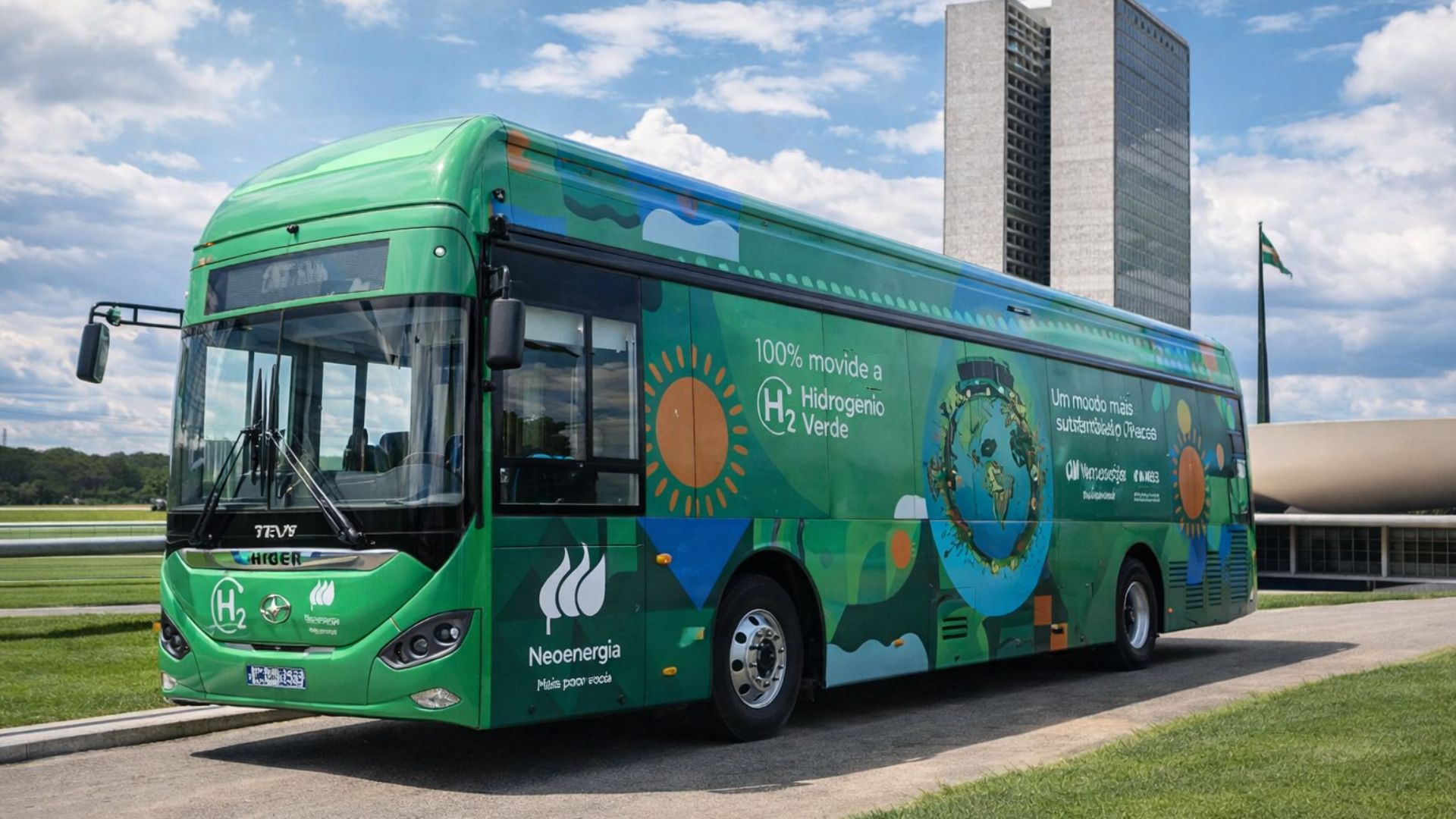
The Federal District bets on innovation and sustainability by launching a hydrogen-powered bus on a new tourist route, promising to reduce emissions and transform the urban experience for residents and visitors.
-
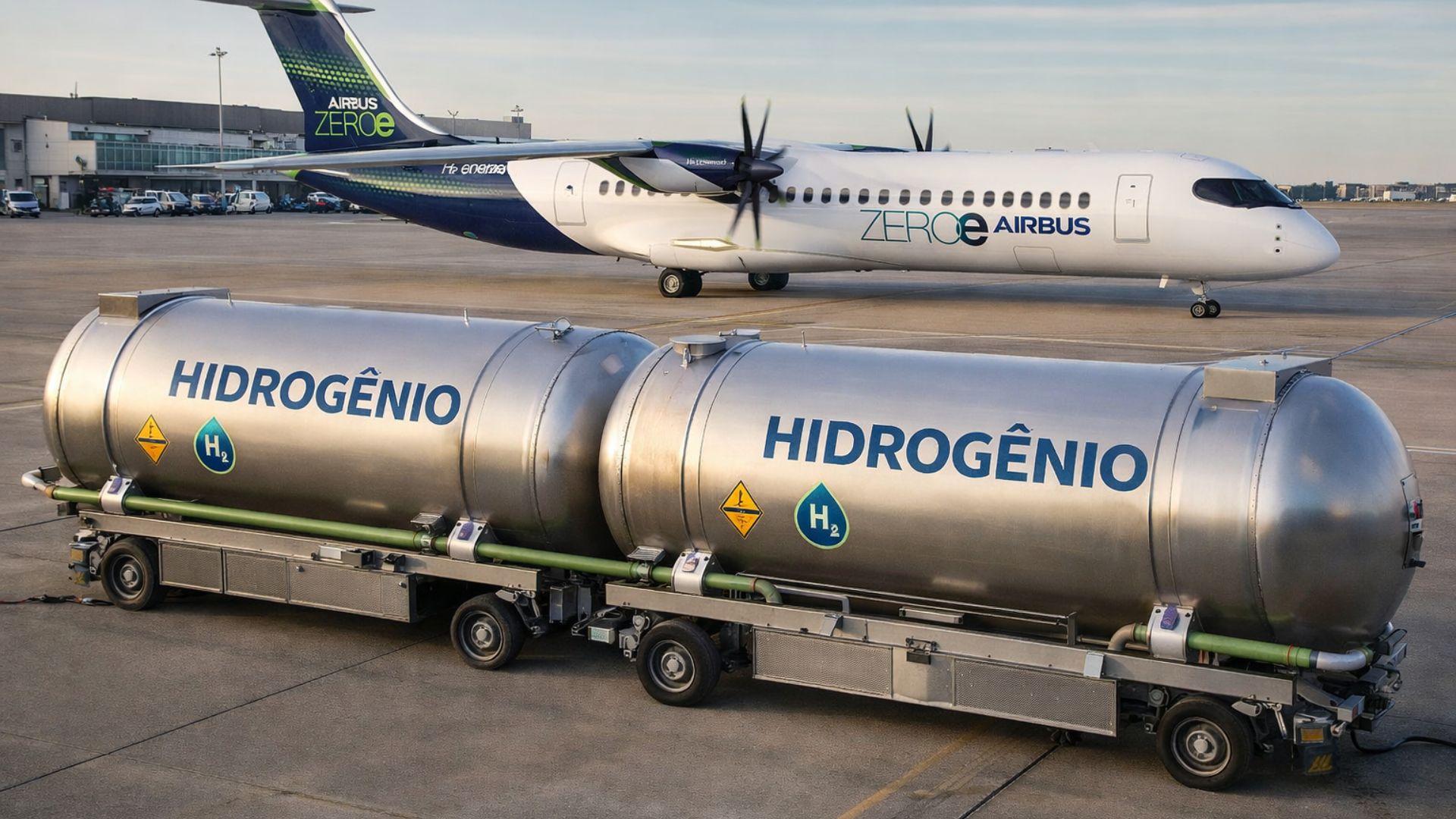
Hydrogen gains strength in aviation with Airbus and its fuel cell aircraft, potentially paving the way for sustainable flights, reduced environmental impact, and a new energy era in global air transport.
-
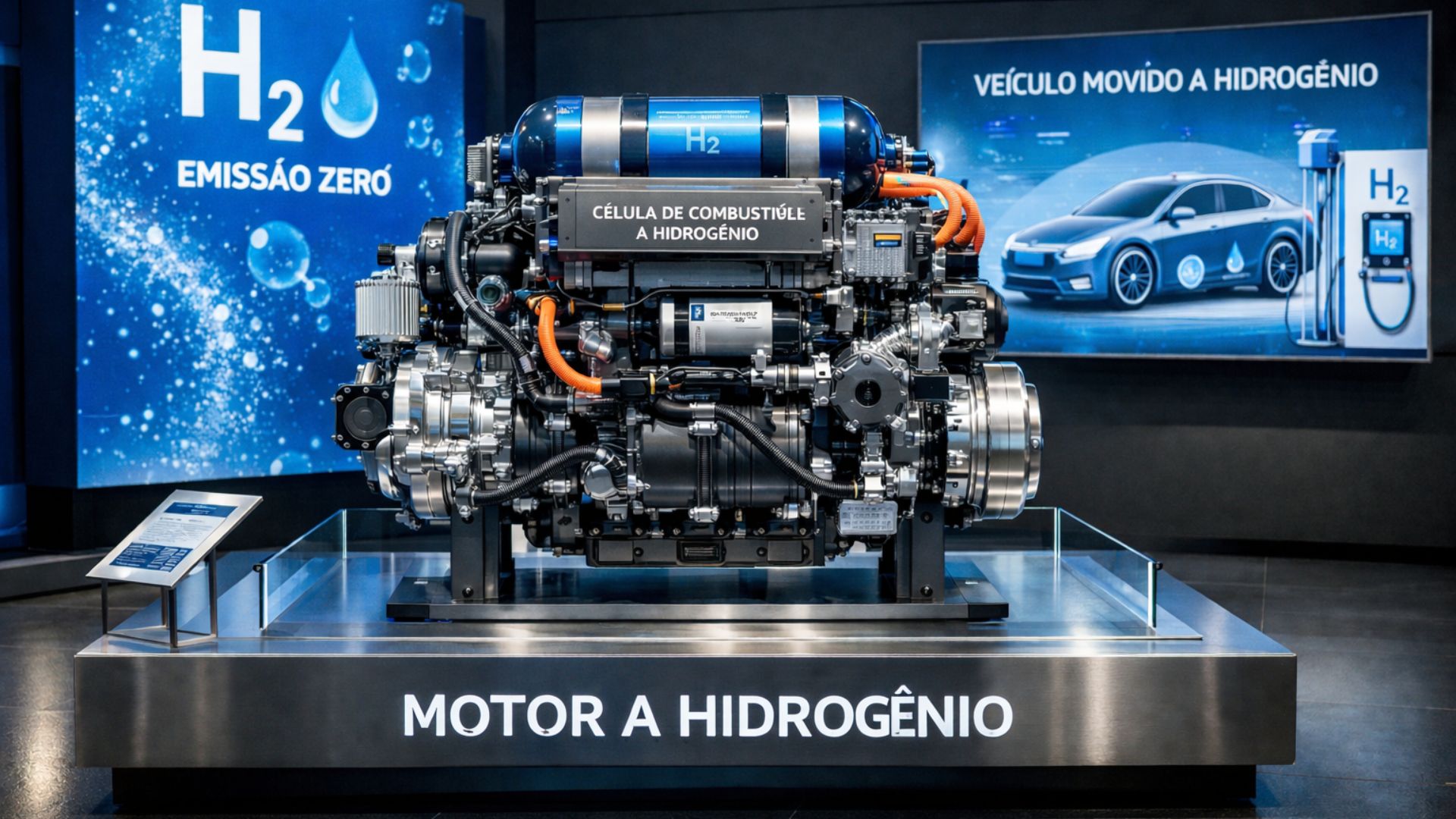
Hydrogen Engine Promises to Revolutionize Automotive Market and Creates a New Technological Horizon, But Economic Challenges Explain Global Resistance from Manufacturers
-
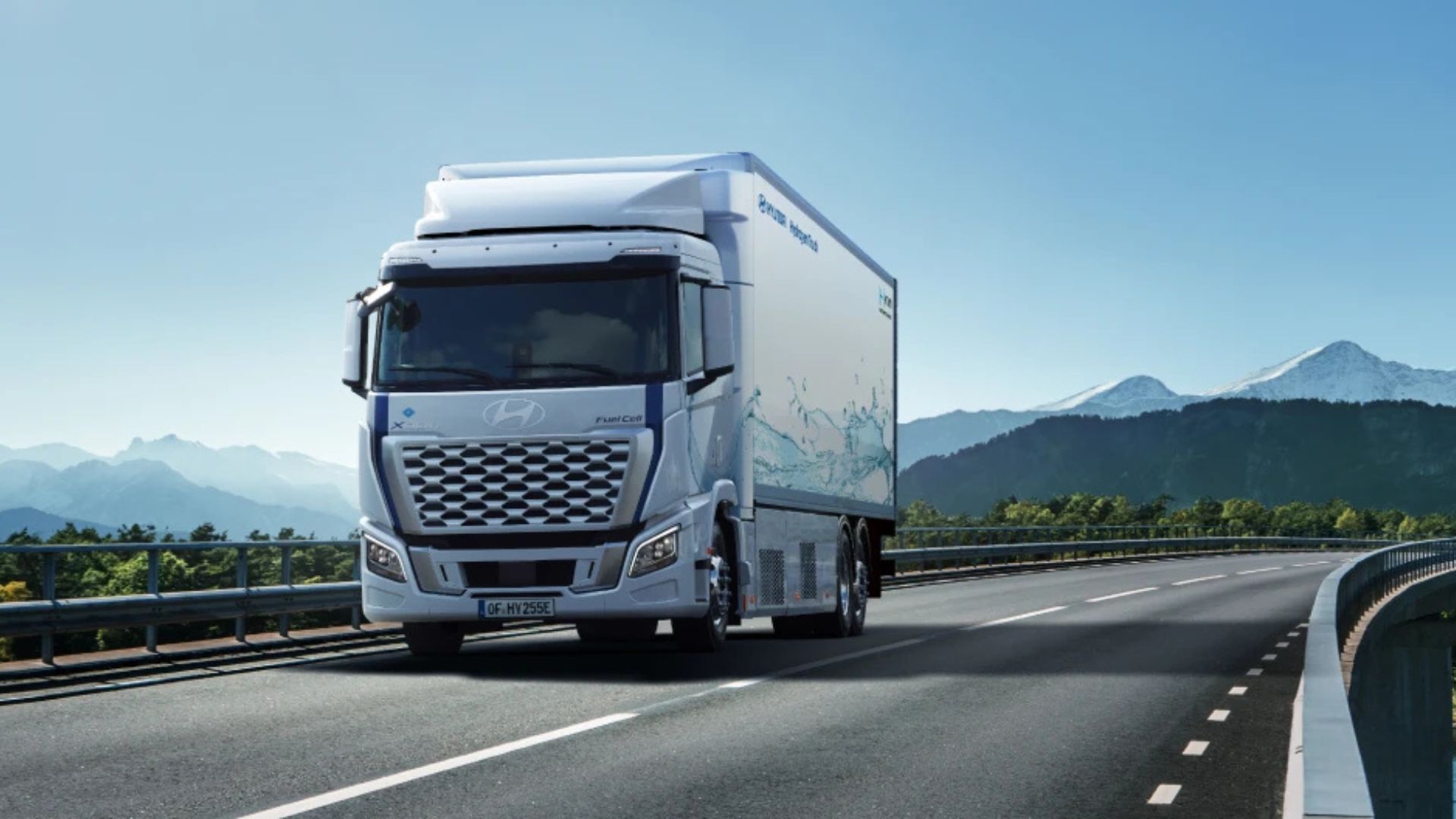
Hyundai XCIENT Fuel Cell Reaches 20 Million Km in Europe in Sustainable Logistics: Historic Milestone for Hydrogen Truck Fleet and Advancement of Global Clean Mobility

The model expected for 2028 will be a hydrogen-powered variant of one of BMW’s existing cars, although the company has not yet disclosed details about pricing or initial production scale.
The president of BMW, Oliver Zipse, described the launch as a historic moment: “Powered by hydrogen and driven by the spirit of our cooperation, this model will underline how technological progress is shaping the mobility of the future.” Zipse also mentioned that the launch signals the beginning of a new era of significant demand for hydrogen fuel cell electric vehicles.
Bet On Hydrogen As An Alternative To Batteries
While companies like Tesla are at the forefront of the electric vehicle market, BMW has made considerable bets on hydrogen as an alternative to conventional electric vehicles that rely on rechargeable batteries.
One of the main reasons for this is that many consumers face difficulties charging their vehicles at home, especially those who do not have a garage or access to nearby charging stations. In this context, hydrogen could become an attractive option for those who cannot install residential chargers.
Moreover, BMW believes that hydrogen-powered cars will be particularly interesting for drivers who need high flexibility or frequently travel and do not have time for long charging periods.
The quick refueling of fuel cells, which takes only three to four minutes, is a significant advantage compared to the charging times of electric batteries. Additionally, in cold climates, where batteries may lose efficiency, hydrogen could also stand out as a viable option.
Challenges And Hydrogen Refueling Infrastructure
However, for the use of hydrogen-powered vehicles to become common, significant investments will be needed in infrastructure, especially in building hydrogen refueling stations. Although hydrogen cars offer advantages such as greater range and extremely short refueling times, the limited number of refueling stations is a major obstacle to their large-scale adoption.
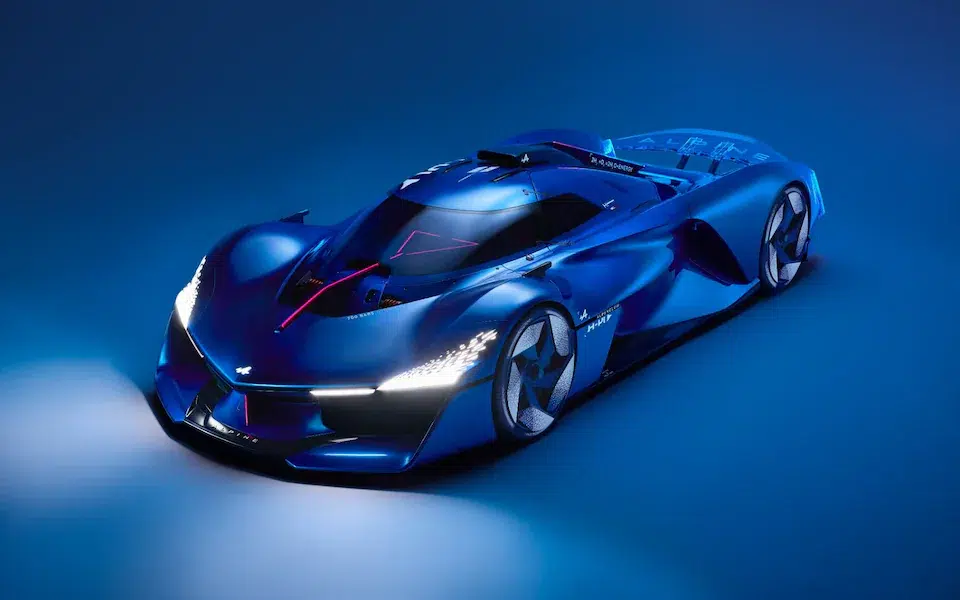
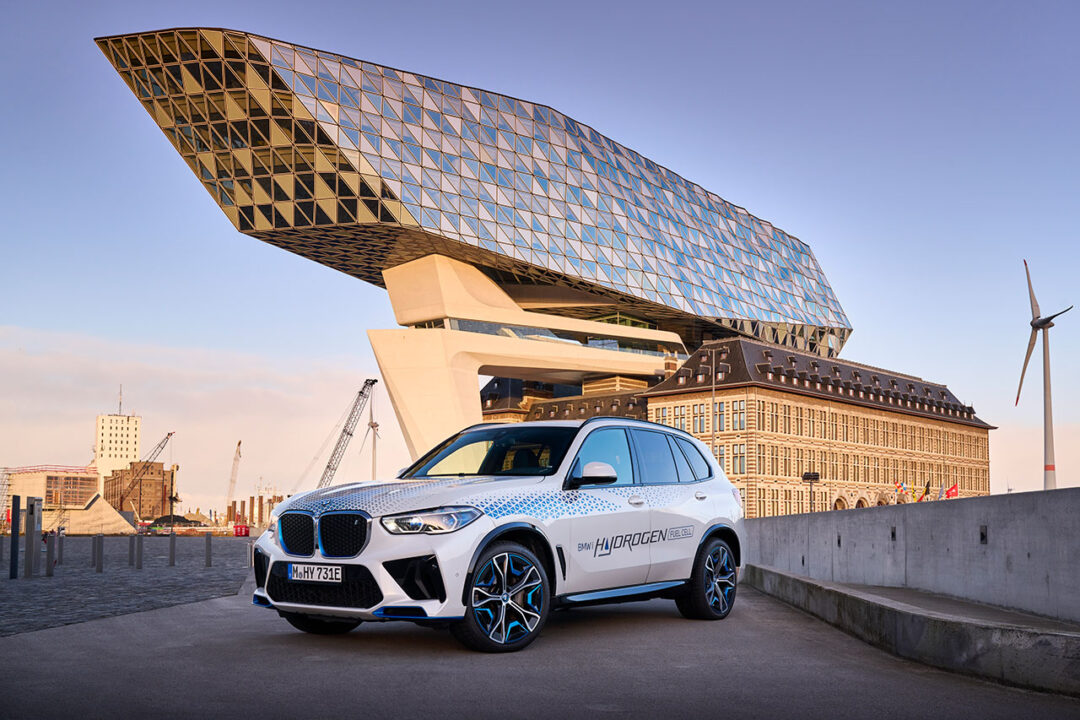
Currently, BMW has been testing its pilot fleet of iX5 Hydrogen vehicles worldwide since 2023. These cars have a range of approximately 500 kilometers and can be refueled in a matter of minutes. Other automakers, such as Toyota itself and Alpine, a subsidiary of Renault, are also experimenting with hydrogen-powered vehicles in motorsport, demonstrating the potential of the technology for the future.
On the other hand, the global market for hydrogen-powered cars is still nascent. According to BloombergNEF, global hydrogen vehicle sales dropped to only 9,000 units last year. This number is insignificant when compared to the millions of electric vehicles sold annually, primarily by Tesla, which under the leadership of Elon Musk, transformed the automotive industry with its EV models. This reflects the technical and cost challenges that still need to be overcome to make this technology more accessible.
How Hydrogen Vehicles Work
Hydrogen vehicles operate similarly to conventional electric vehicles, using an electric motor to move the car. However, instead of relying on a battery that needs to be charged, these vehicles have a fuel cell that generates electricity from hydrogen. The process involves separating hydrogen through a catalyst, which generates electricity to power the electric motor, with the only emission being water vapor.
Although the concept is promising, the high costs involved in developing hydrogen vehicles and building a refueling network have resulted in few automakers investing in this technology. However, BMW and Toyota firmly believe that hydrogen will play an important role in the future of sustainable mobility, just as Tesla has been a model of innovation with its battery technology.
Koji Sato, president of Toyota, also highlighted the importance of this long-standing partnership with BMW, stating: “We are pleased that the collaboration between BMW and Toyota has entered a new phase. In our long history of partnership, we have confirmed that BMW and Toyota share the same passion for cars and the belief in technological openness and a multi-path approach to carbon neutrality.”








Seja o primeiro a reagir!