





 English
  Francês
  Alemão
  Italiano
  Japonês
  Norueguês
  Portuguese
  Spanish
  3 min of reading


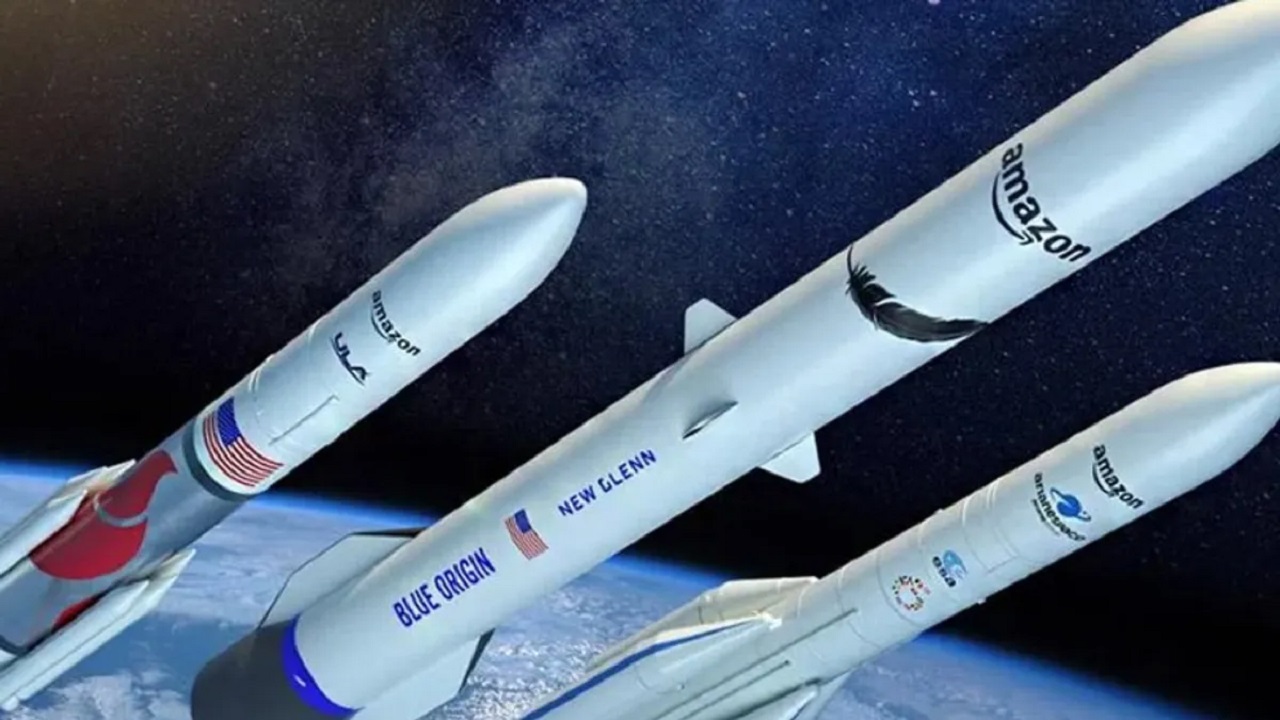
Amazon Is Testing Satellite Technology with Launch Scheduled for 2023. The Goal Is to Compete with Elon Musk’s Starlink Services.
Amazon recently announced its plans to launch two satellite prototypes as early as next year, which will be part of the Project Kuiper, a satellite internet service that promises to be a major competitor to other services like SpaceX’s Starlink technology from Elon Musk.
Learn About Amazon’s Kuiper Project

Announced in 2019 and authorized for launch in 2020, Amazon’s Kuiper project finally seems to have a schedule for its first internet satellites, set for the first quarter of 2023.
-
The climate in 2026 may surprise with extremes even more intense than in 2025, with heatwaves, out-of-season cold, and irregular rainfall in Brazil.

-
Astronomers identify 45 rocky planets that could harbor life, and one of them is just 4.2 light-years from Earth, making it the closest neighbor with the potential to have liquid water on its surface.

-
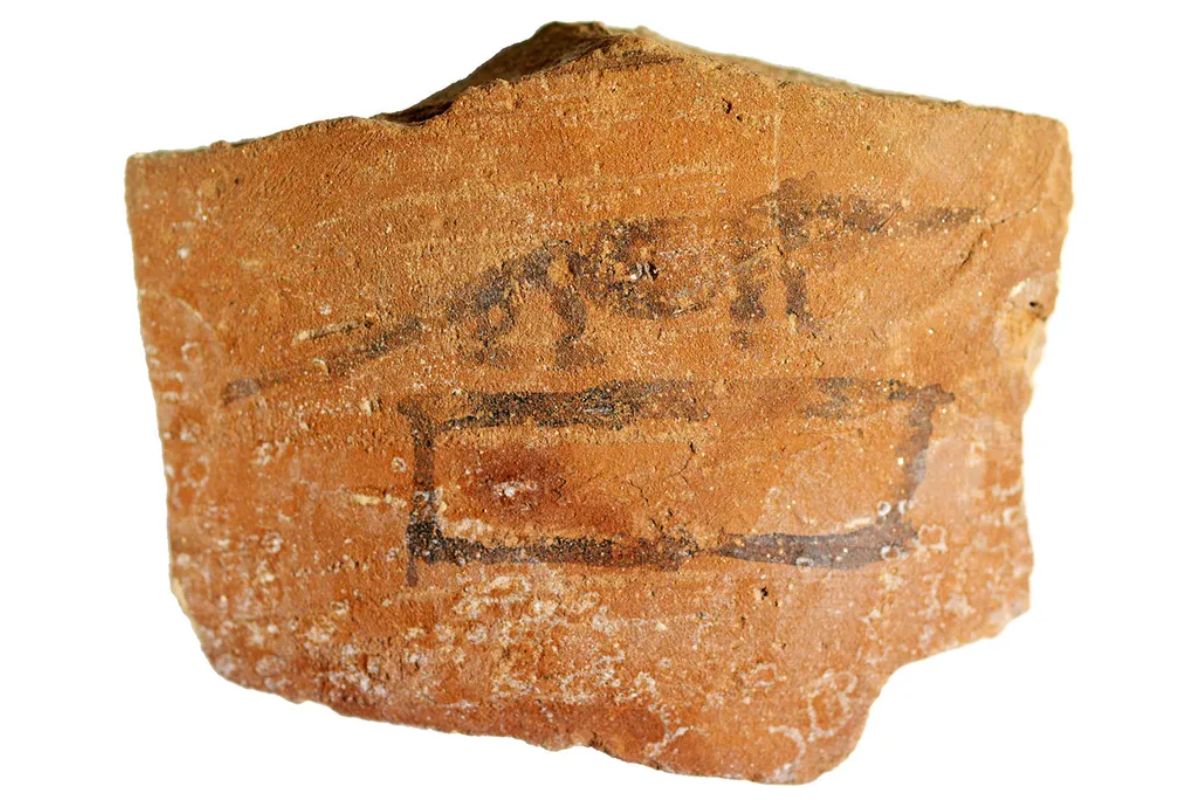
Archaeologists discover 43,000 ostraca in Egypt with tax lists, drawings, religious texts, and everyday notes that reveal what life was like in ancient Athribis before Cleopatra.
-
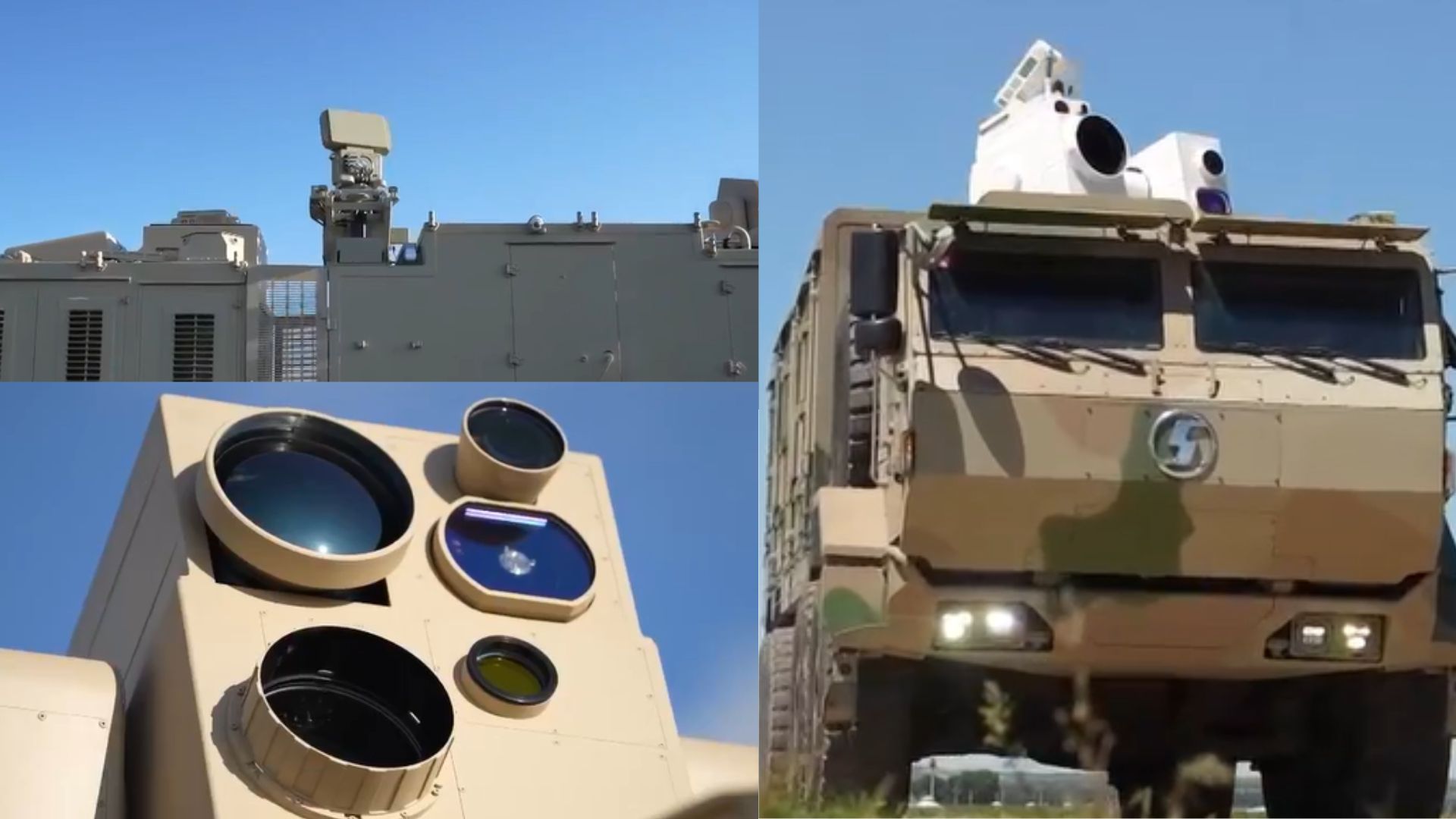
China showcases laser defense systems that target drones flying very low and attempts to address a flaw that has been concerning armies worldwide.
The company founded by Jeff Bezos has made an agreement with United Launch Alliance (ULA) for the launch to take place on the debut of the new Vulcan rocket, which will also carry the Peregrine lunar lander from Astrobotic into space.

In this inaugural launch of Amazon’s technology, only two test satellites, called Kuipersat-1 and Kuipersat-2, will be launched to compete with Elon Musk’s Starlink satellites. Just like the launch of the Kuiper project, Amazon’s technology, the inaugural flight of the Vulcan rocket has also been delayed by a few years.
In the case of the launch vehicle, the delay was due to unforeseen issues with the project and testing of the BE-4 engine, created by Blue Origin, another company of billionaire Jeff Bezos. ULA stated in a statement that it expects the vehicle to be developed and ready for launch by November of this year.
Amazon Aims to Provide High-Quality Connection to Compete with Starlink
ULA already has a contract with Amazon to develop 47 launches for Project Kuiper, 38 of which will use the Vulcan rocket. However, the technology project of Jeff Bezos’ multinational also has other partnerships, such as Arianespace and Blue Origin itself, which together will launch 3,236 internet satellites into Earth’s orbit.
The goal is to develop a constellation that will provide high-speed connectivity to everyone, similar to Elon Musk’s Starlink satellites, which already have over 4,000 units in orbit. Starlink internet is already operational in all continents of the world, including Brazil, reaching even some schools in the Amazon, as well as in Antarctica. Recently, Starlink has been recognized as the fastest satellite internet provider in South America.
Elon Musk’s Starlink Now Available on Vessels
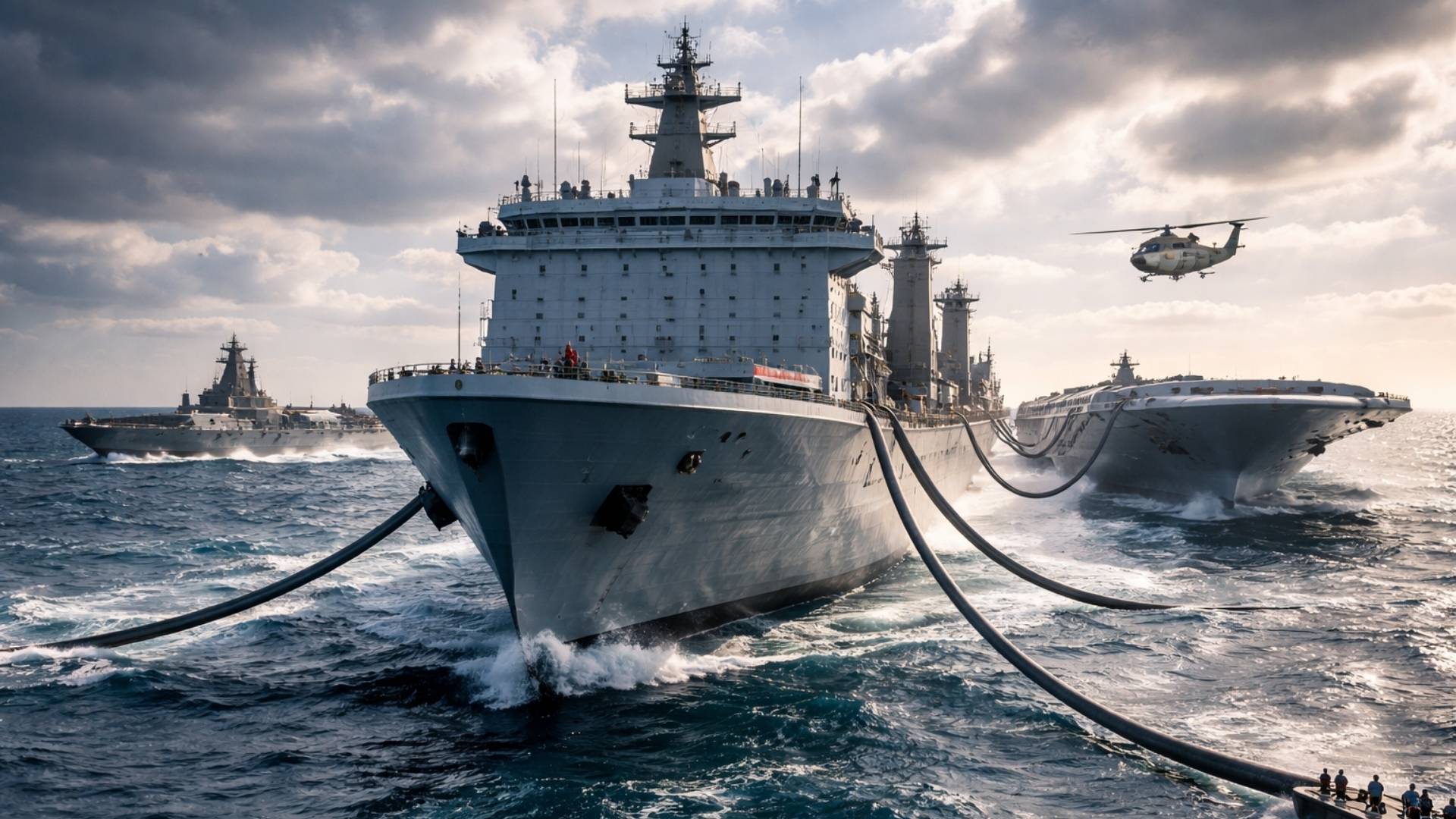
Starlink, Elon Musk’s company, announced this year its new satellite internet plan for boats, yachts, and ships, with approval from the Federal Communications Commission (FCC), granted in July, expanding the possibilities for service use.
Named Starlink Maritime, the provider for the naval sector promises speeds of up to 350 Mbps at sea; however, the cost is shocking. The satellite internet kit for the maritime industry initially costs US$ 10,000, equivalent to about R$ 53,000 at the current exchange rate. The monthly fee is US$ 5,000 for months when the customer uses the connection at least once.
This amount corresponds to just over R$ 26,000 in direct conversion. The prices are much higher compared to residential plans. According to Elon Musk on his social media, the reason for the price difference for the maritime industry is the antenna for boats, which features high-performance components, maintaining signal consistency even in rough seas.







Seja o primeiro a reagir!