





 Portuguese
  English
  Spanish
  3 min of reading
  38 comments


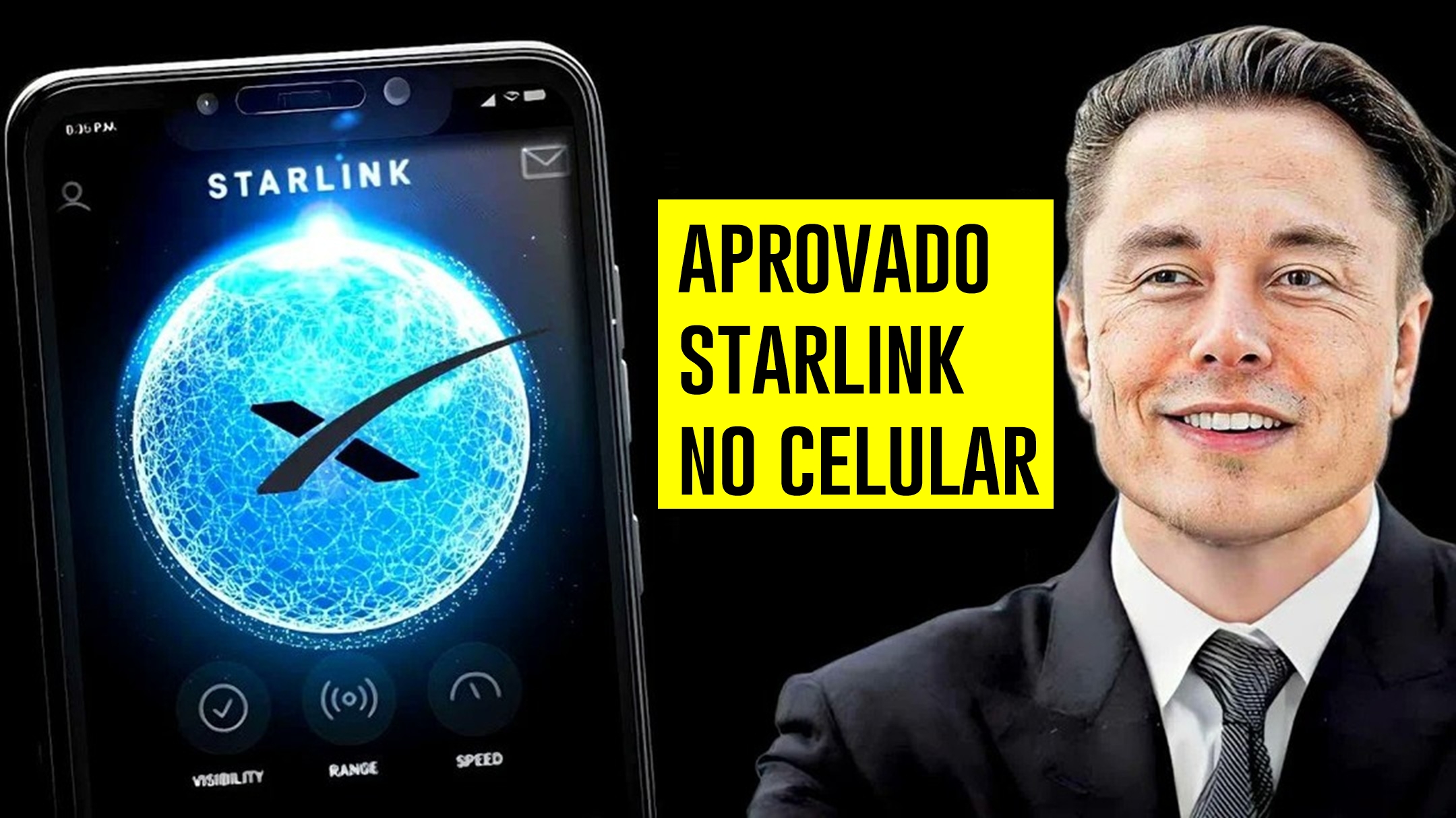


Elon Musk’s Starlink Receives Approval to Provide Satellite Internet Connection Directly to Mobile Phones, Revolutionizing Global Connectivity
Elon Musk’s Starlink, a subsidiary of SpaceX, received partial approval from the Federal Communications Commission (FCC), a US agency similar to ANATEL, to provide connectivity services for mobile phones.
The authorization enables the company to advance its plans to eliminate cellular coverage dead zones in the United States. However, some conditions were imposed, and parts of the request remain pending.
Cell Signal Service Approved in US Territory
The authorization grants Elon Musk’s Starlink the right to provide Supplemental Coverage from Space (SCS) in areas without terrestrial coverage in the US. Thus, consumers in remote locations will be able to use their mobile phones by connecting directly to the company’s satellites.
-
A hot air bubble coming from Argentina expands over Brazil, causing thermometers to exceed 38 degrees with a thermal sensation of 40 degrees in late March, affecting 6 states at once.

-
The radish leaf that almost everyone throws away has more polyphenols, flavonoids, and fiber than the consumed root, and a 2025 study showed that the leaf contains compounds that protect the intestine, combat inflammation, and may inhibit the growth of cancer cells.

-
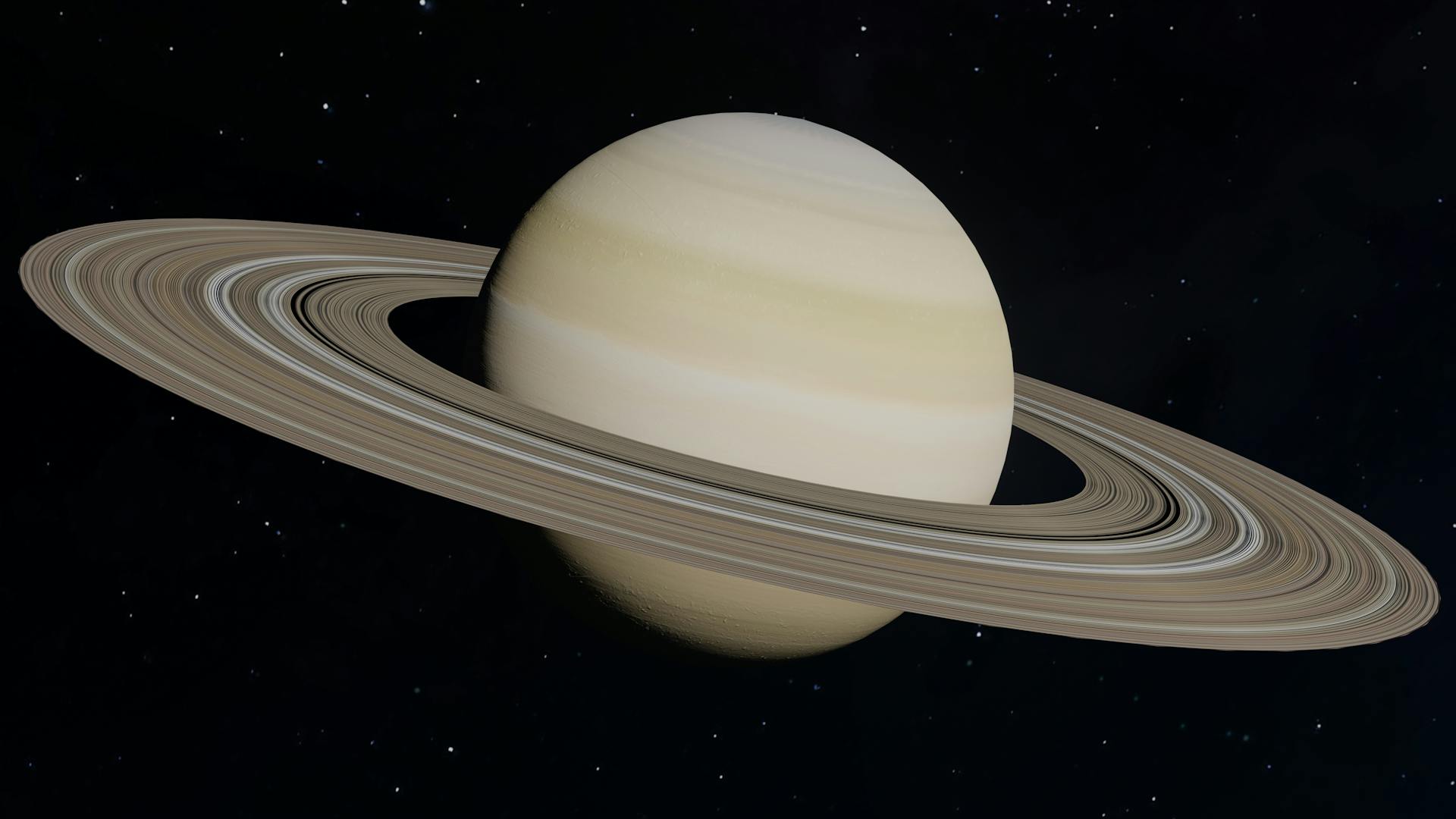
A planet that seemed to defy the laws of physics has intrigued scientists for decades, until the James Webb revealed what is really affecting Saturn’s rotation.
-
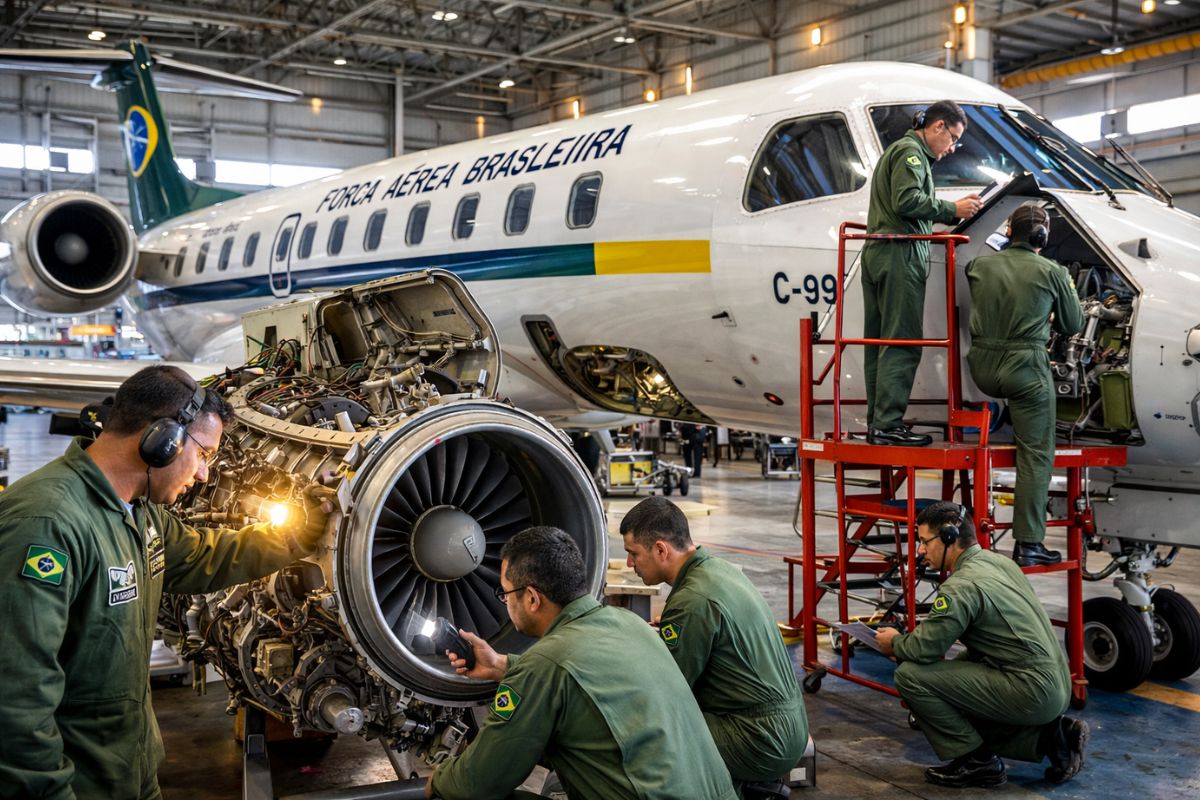
For the first time in history, the Brazilian Air Force conducted a highly complex inspection on the C-99 jet independently, without relying on foreign companies, marking a new level of logistical autonomy and operational sovereignty.

The partnership with T-Mobile is key to this advancement. Through the leasing contract between the companies, Starlink’s second-generation satellites will operate at specific frequencies, covering the continental United States, Alaska, Hawaii, and Puerto Rico.
According to the FCC, this initiative will bring significant benefits, especially in emergencies. Satellite coverage may allow calls to 911 and text messaging even in isolated regions. Recent examples include the use of Elon Musk’s Starlink emergency services during hurricanes Helene and Milton.
Global Expansion with Local Limits
The authorization also covers operations outside the United States. However, in such cases, Starlink will need approval from local governments. In foreign territories, operations will be conducted in specific sub-bands, between 1429 MHz and 2690 MHz.
Starlink plans to offer basic services, such as text messaging, as early as 2024. More complex services, such as voice calls and data transmission, are planned for 2025. Despite this progress, the FCC has not yet authorized the company to exceed certain technical limits impacting real-time communications, such as voice and video.
Evolution of Elon Musk’s Starlink Satellite Fleet
Since January 2024, SpaceX has been launching Starlink Gen2 satellites equipped to support mobile services. Of the 2,600 second-generation satellites currently in low Earth orbit, around 320 already have the technology to enable direct connections with smartphones. This infrastructure will be sufficient to initiate messaging services later this year, according to SpaceX.
Additionally, the FCC has authorized the use of up to 7,500 Gen2 satellites at lower altitudes, between 340 km and 360 km. This decision aims to meet the demand for low-latency connectivity in rural and remote areas. However, the approval of another 22,488 satellites requested by the company remains under review.
Partnerships and Technical Cooperation
SpaceX has been instructed to coordinate its operations with other spectrum users and cease transmissions in case of harmful interference.
Moreover, the company must collaborate with NASA to ensure the safety of scientific missions and the International Space Station (ISS).
This coordination includes planning launch windows and mitigating potential collision risks.
Operating at lower altitudes also reduces the likelihood of long-term orbital debris.
However, the FCC will continue to monitor potential impacts on communications, debris mitigation, and effects on astronomy, especially due to the planned constellation of nearly 30,000 satellites.
Regulatory Challenges and Competition
Although the approval marks a significant advance, Elon Musk’s Starlink faces resistance. Companies like AT&T, Verizon, EchoStar, and Omnispace have expressed concerns about interference and degradation in terrestrial broadband networks.
The FCC has decided to delay the analysis of a request from SpaceX to exempt the system from out-of-band emissions (OOBE) limits, a measure that the company considers crucial for voice and video services.
SpaceX argues that current restrictions make real-time communications unreliable, especially in emergency situations. However, the FCC stated that the company must adhere to emission rules until a final decision is made.
What Are the Next Steps
Despite the limitations, Elon Musk’s Starlink remains optimistic. Ben Longmier, senior director of satellite engineering at SpaceX, emphasized that any operator adopting the Direct to Cell system can completely eliminate coverage dead zones, including coastal and oceanic areas. He reinforced that beta service in the US is expected to be activated soon.
With ambitious plans and robust infrastructure, Elon Musk’s Starlink continues to revolutionize internet access and global connectivity. However, regulatory and technical challenges still need to be overcome to realize its vision of universal connectivity.








Elon musk é um visionário
Musk will l wrap up the satélite communication. He will have a corner on lower satellites from 340 to 360 km high. There are 7500 satellites at his disposal.
Musk está desenvolvendo a rede de satélites de baixa órbita, que operará em altitudes entre 340 e 360 km. Com 7.500 satélites à disposição, ele pode ter um domínio significativo nesse segmento de comunicação.
De certa forma posso ajudar .