





 Portuguese
  English
  Spanish
  4 min of reading
  0 comments


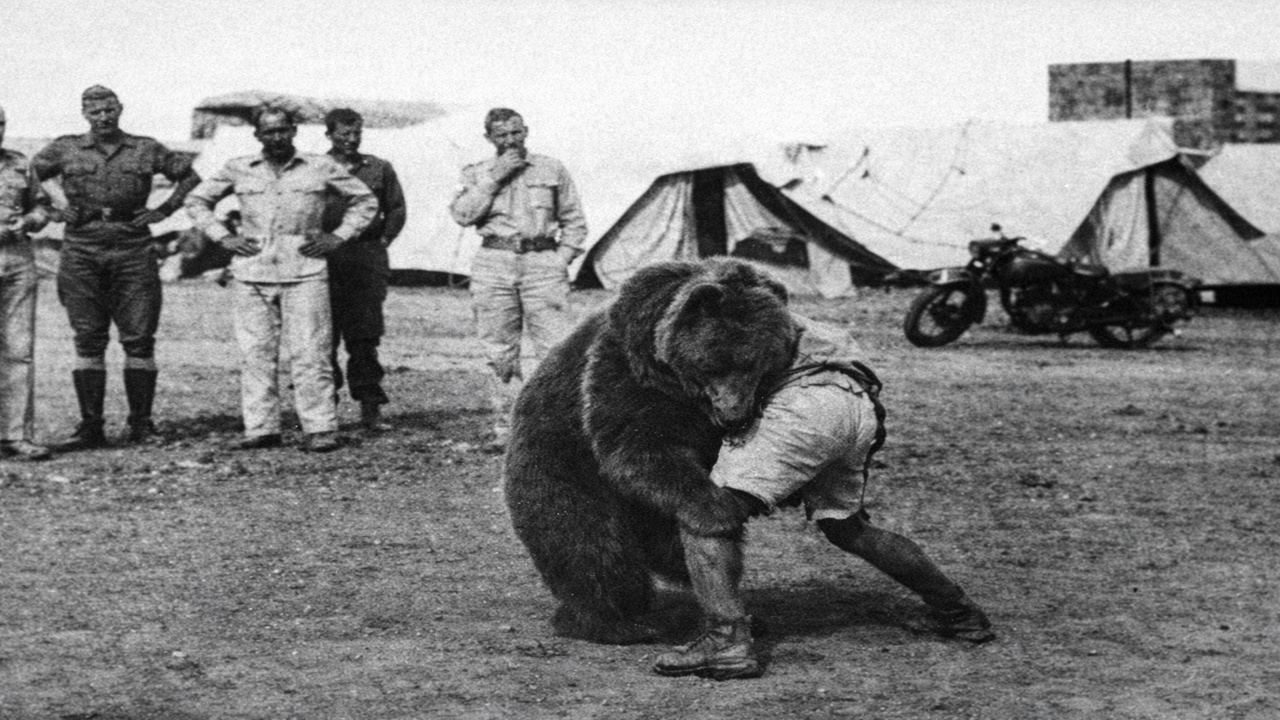
Wojtek The Bear Was Officially Enlisted in the Polish Army in 1942, Carrying Ammunition at Monte Cassino and Becoming One of the Most Impressive Cases of World War II.
Among millions of soldiers, tanks, and decisive battles of World War II, an unlikely character was officially recorded in European military archives. In 1942, a Syrian brown bear was formally enlisted in the Polish Army, received a identification number, rank, soldier, and began participating in real logistical operations in a combat zone. His name was Wojtek.
The story is not folklore or popular exaggeration. It appears in military documents, is cited by the Encyclopaedia Britannica, the Imperial War Museum (UK), and by official archives of the Polish Army in exile. Wojtek is still recognized today as the only bear officially integrated into a modern armed force.
How the Polish Army Found Wojtek The Bear in the Middle East
The journey begins in Iran, in 1942, when soldiers from the 2nd Polish Corps—recently freed from Soviet camps and reorganized under British command—found a cub after local hunters killed its mother.
-
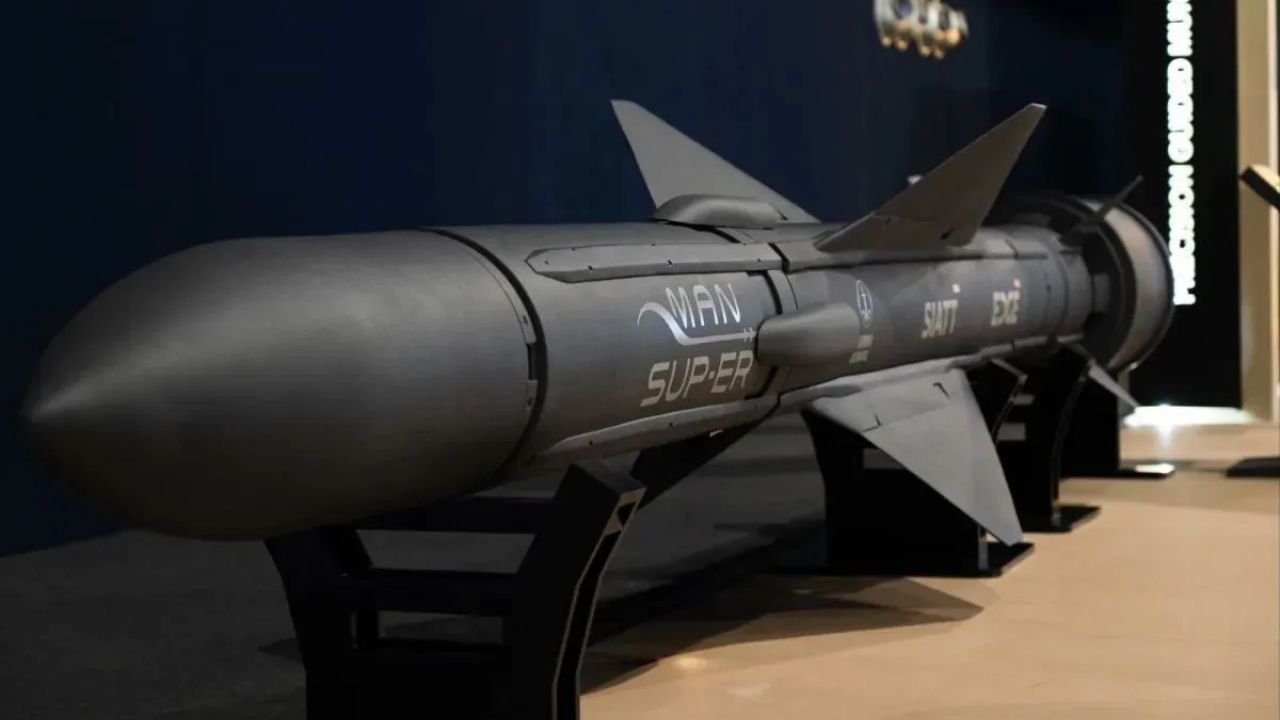
Brazil accelerates the evolution of the MANSUP missile, designing an air-surface version with a range exceeding 200 km, advanced guidance, and precision strike capability against land and naval targets, paving the way for a new generation of national armaments with global potential.
-
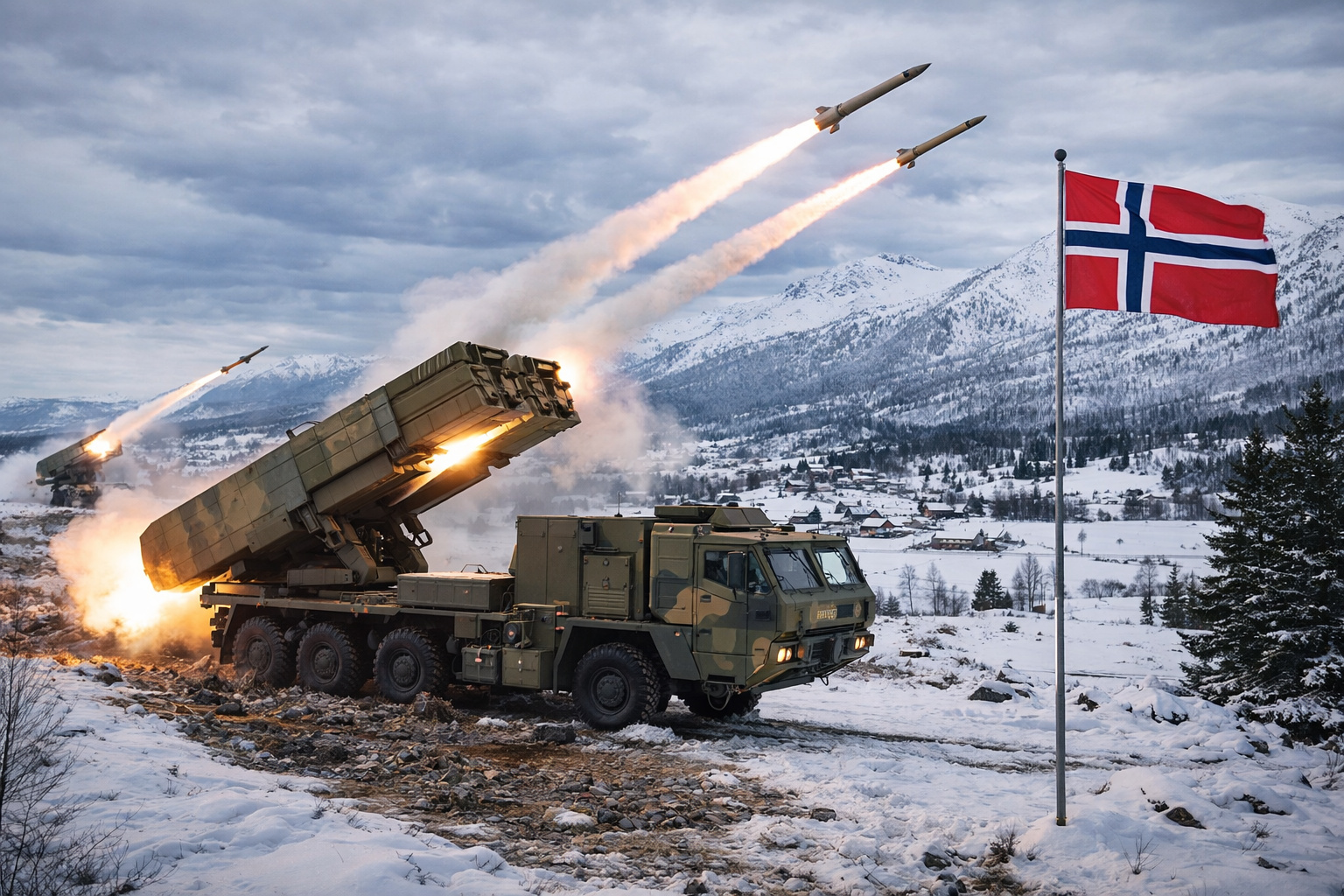
South Korea signs a $922 million deal with Norway, bringing Chunmoo launchers capable of firing guided missiles up to 290 km with an accuracy of 15 meters to Europe and turning the system into a key component of the new global race for precision artillery.
-
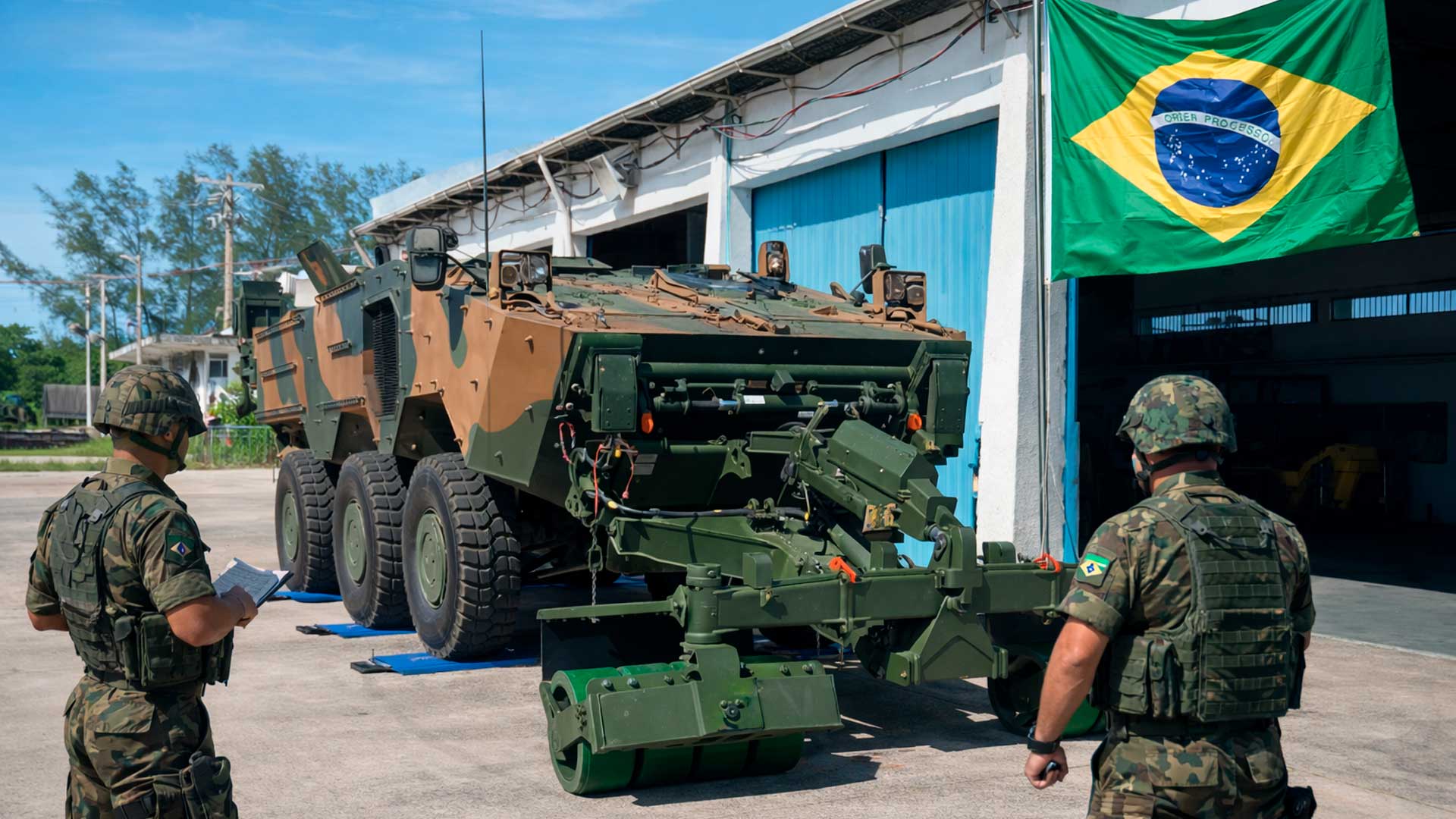
Brazil advances with decisive tests until June, the 6×6 Guarani armored vehicle with engineering equipment enters the most important phase and can enhance the operational capability of the Army.
-
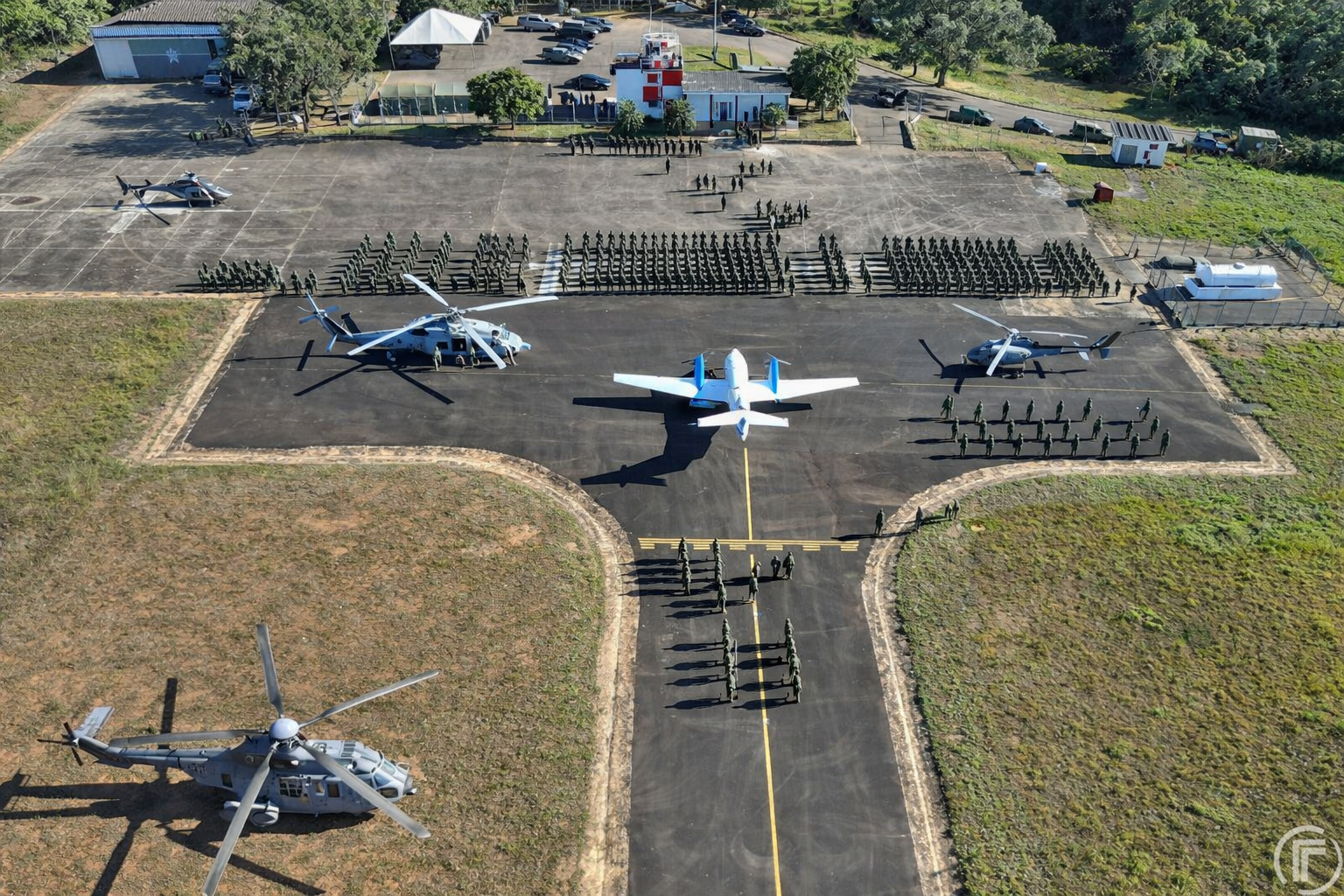
Furnas Airport is handed over to the Navy and becomes a strategic base with complete military operations, attack drones, and international mobilization at Furnas Lake.


The cub was purchased and initially adopted as a mascot. However, Wojtek grew up in a military environment: he slept in the barracks, accompanied exercises, interacted daily with soldiers, and developed behavior fully adapted to human routine. He became an organic part of the company, not just a pet.
Why The Bear Needed to Be Officially Enlisted as a Soldier
When the unit received orders to embark by ship to Italy, a practical problem emerged: animals could not board military transport. The solution found was unprecedented and historic.
Wojtek was officially enlisted as a private soldier, with:
- Name registered in military documents
- Identification number
- Right to transport, rations, and accommodation
- Affiliation with the 22nd Artillery Supply Company
From that moment on, Wojtek ceased to be a mascot and became an active military, something unprecedented in modern armies.
The Role of Wojtek in The Battle of Monte Cassino
In 1944, during the Battle of Monte Cassino, one of the bloodiest battles of the war in Italy, Wojtek played an unexpected yet functional role.
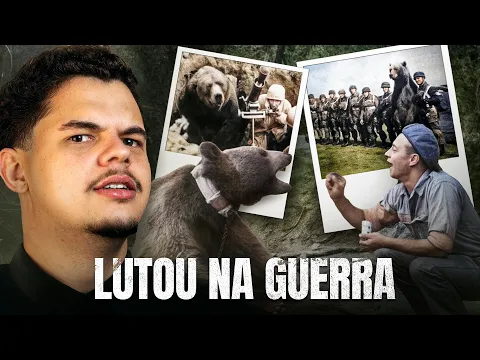
Accounts from officers and historical records indicate that the bear began to transport boxes of artillery ammunition, carrying projectiles that could weigh over 25 kilograms each. He imitated soldiers’ movements, walking upright, carrying boxes from the truck to advanced positions.
The most impressive thing is that Wojtek:
- Was not startled by explosions
- Did not try to open the boxes
- Walked calmly under enemy fire
- Performed the task repeatedly
His impact was so remarkable that the company adopted as its official symbol a bear carrying an artillery shell, an emblem that remains recorded to this day.
Rank, Recognition, and Status Within the Troops
Wojtek was not treated symbolically. He received the rank of corporal, something confirmed by historical records. He had rights to rations, accommodation, and travel with the troops.
The story of the bear-soldier began circulating among British allies, gaining notoriety even during the war. Photographs, testimonies, and reports reinforce that Wojtek was recognized as a legitimate member of the unit, not just a mascot.
The Post-War and The Destiny of The Bear-Soldier in Scotland
With the end of the war, the Polish Army in exile was demobilized in the United Kingdom. With no possibility of returning to Poland, now under Soviet influence, Wojtek was taken to the Edinburgh Zoo, where he lived until 1963.
Veterans of the 22nd Company used to visit him, calling him by name. There are documented accounts that the bear recognized old companions, reacting differently when he saw soldiers in uniform.
Why The Story of Wojtek Is Still Studied Today
The journey of Wojtek goes beyond historical curiosity. It is analyzed as a real case of:
- Troop morale in extreme environments
- Psychological symbolism in prolonged wars
- Improvised logistics in high-pressure scenarios
- Human-animal relations in military contexts
Today, Wojtek is honored with statues in Poland, Scotland, and Italy, in addition to books, documentaries, and military exhibitions. His name appears in official museums and historical archives, consolidating the episode as a documented fact of the Second World War.









Seja o primeiro a reagir!