





 Portuguese
  English
  Spanish
  3 min of reading
  0 comments


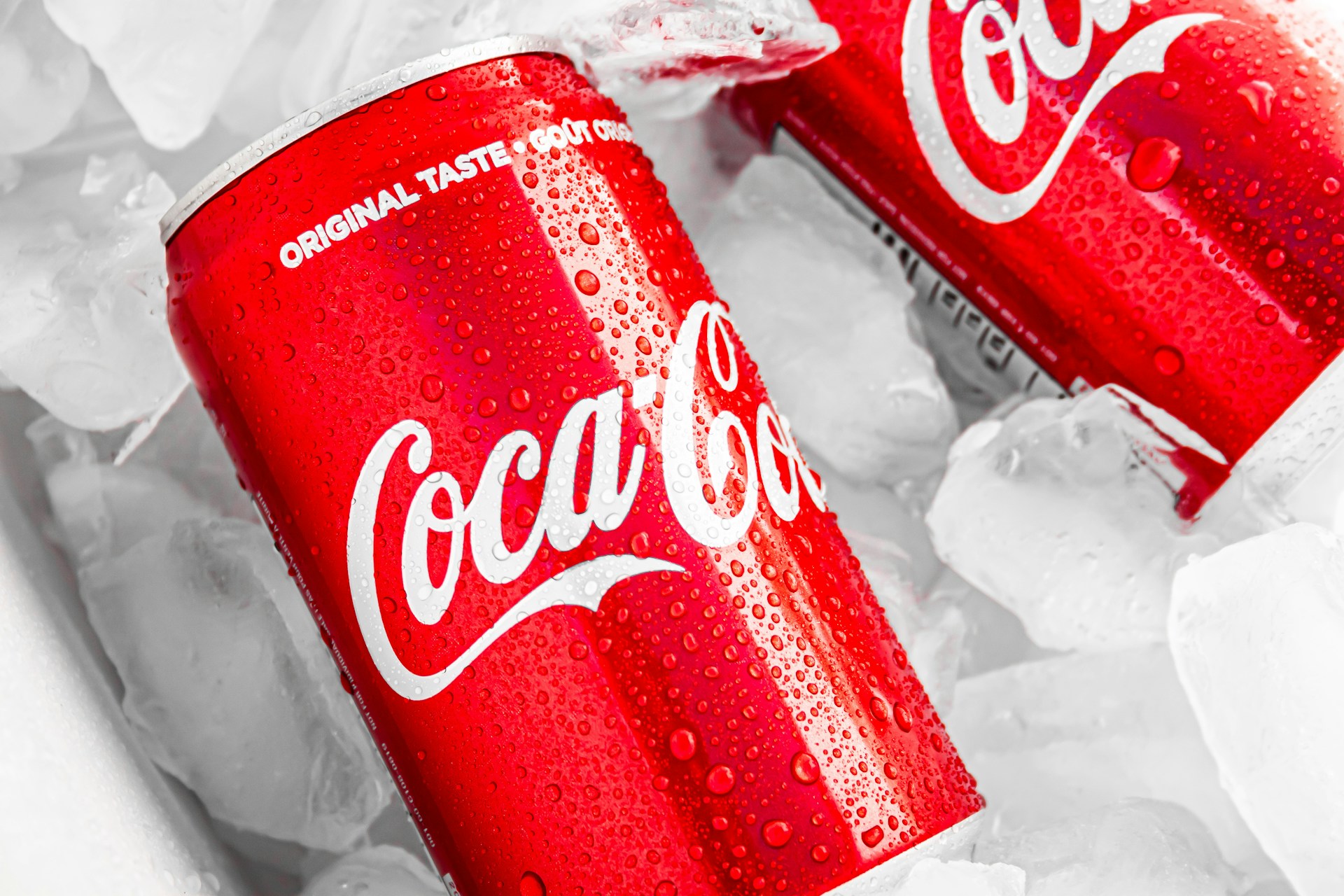
The Coca-Cola Attempt to Replace Its Original Formula in 1985 Resulted in One of the Greatest Failures in Marketing History — and in a Powerful Lesson About Tradition and Brand
On April 23, 1985, Coca-Cola announced a bold decision: to replace the original formula of its soda. The company introduced New Coke, trying to reverse decades of decline in the market. The plan seemed well-structured. But it turned into one of the greatest failures in marketing history.
In the 1940s, Coca-Cola dominated 60% of the soda market in the United States. But, forty years later, that number had dropped to 24%.
Its main rival, Pepsi, was gaining ground, especially among young people, with a sweeter taste. It was already selling more than Coca-Cola in supermarkets. It was a clear warning sign.
-
Historic bankruptcy of Centauro shocks the market, and the century-old company puts more than 500,000 products, machines, and complete infrastructure up for online auction.

-
New shoe factory in Ceará is expected to create 400 jobs and strengthen the local economy.
-
No one imagined it, but a mixture of sawdust with a mineral that fights fires surprises scientists with a result that changes the course of fire-resistant construction.
-
From empty land to a high-end house, wooden construction uses a lightweight system, metal structure for the foundation, ventilated ceramic cladding, and special windows to create an efficient and comfortable living space throughout the year.


To react, Coca-Cola’s then-CEO, Roberto Goizueta, decided to reformulate the beverage. The new formula was tested with 200,000 people. Most liked it. The company thought it had found the solution. But the theory did not hold up in practice.
New Coke was officially launched as a substitute for the original formula. The public’s reaction was immediate and negative. There were protests, phone calls, letters.
Consumers rushed to stores to stock up on old cans. The company’s customer service was receiving about 1,500 complaints per day. In no time, over 40,000 protests reached the company.
The discomfort grew. One consumer even sent a letter requesting the CEO’s autograph. He said the signature would be valuable in the future as it belonged to “one of the most foolish executives in U.S. history.” The situation became unsustainable.
Meanwhile, Pepsi took advantage of the moment. It launched provocative commercials. In one, a consumer said: “Now I know why Coca-Cola did this!” after trying Pepsi. Rival sales grew 14% in May 1985 — a record.
The pressure increased. Just 79 days after the launch of New Coke, on July 11, 1985, the company backed down. It announced the return of the classic formula. The new drink continued to be sold, but with less emphasis. In 1992, it was rebranded as Coke II. In 2002, it was removed from the market entirely.
The company’s president at the time, Don Keough, acknowledged the mistake. He said: “Neither money nor research could measure the emotional ties consumers had with the original Coca-Cola.” The statement marked the beginning of the brand’s recovery.
The case turned into a lesson. Coca-Cola discovered that tradition is also a strength. The tests showed that people liked the new flavor, but did not want to lose the old one. The problem was not launching New Coke. The mistake was trying to erase a cultural symbol.
Even being a market leader, the company made a serious strategic error. But it managed to recover. It acknowledged the mistake and reversed the decision. Coca-Cola Classic returned with strength. And the competition lost momentum.
Today, the attempt with New Coke is studied as one of the greatest mistakes — and also one of the greatest turnarounds — in global marketing. A failure that almost came at a high cost. But, in the end, it helped to further reinforce the value of the original brand.
With information from Você Ligado.








Seja o primeiro a reagir!