





 Portuguese
  English
  Spanish
  5 min of reading
  1 comment


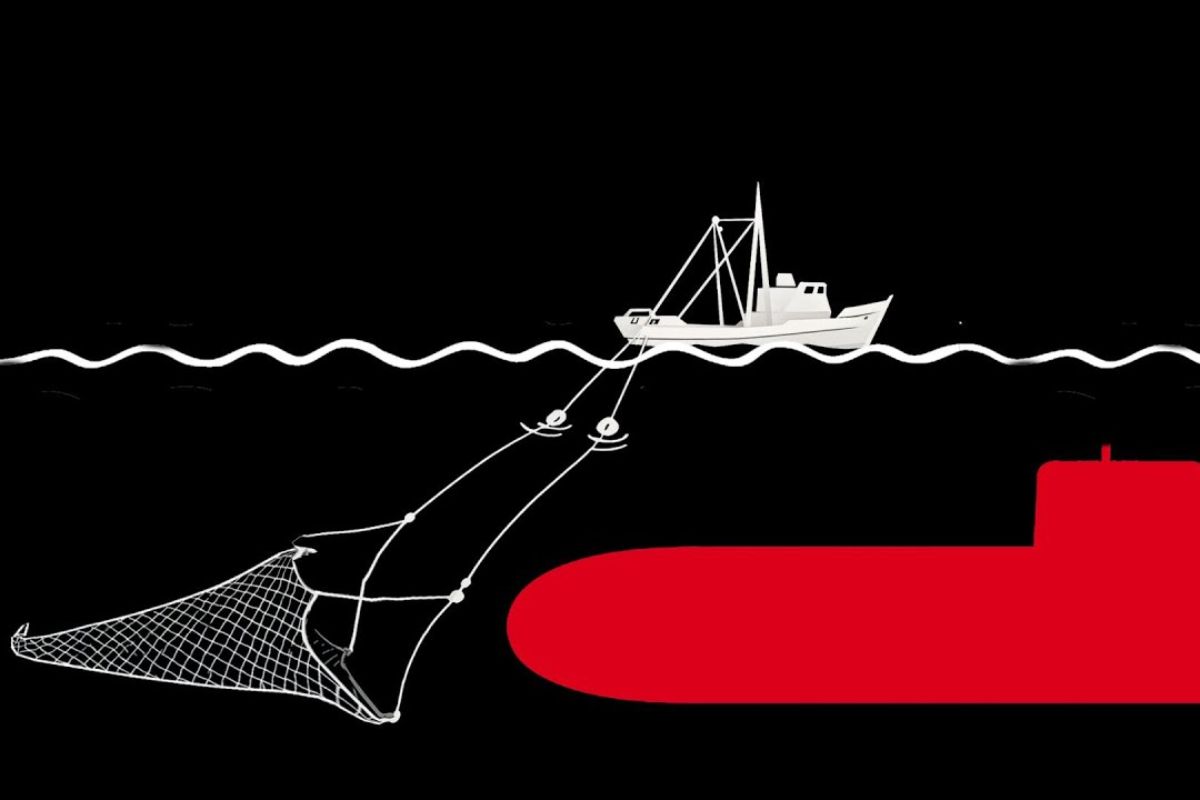


In 1990, a British nuclear submarine collided with the fishing boat Antares in Scotland, sinking the vessel in seconds, leaving four dead and opening a debate on maritime safety in military training areas
The calmness of the sea off the west coast of Scotland in the early hours of November 22, 1990, was broken by a silent and fatal collision. A British nuclear submarine was crossing the region during an exercise when it became entangled in the nets of the fishing boat Antares, which was operating alongside other trawlers. Within minutes, the boat turned into a shadow on the sonar, and four fishermen disappeared with it.
What seemed like another routine fishing night turned into tragedy. The Antares would be found hours later on the seabed, upside down, more than 140 meters, with the hull intact and no signs of a direct collision. The investigation would reveal that the interaction between trawl nets and a British nuclear submarine was enough to drag the civilian vessel into the abyss.
Who Was at Sea and Why the Routine Seemed Safe
The village lived by the rhythm of the tides.
-
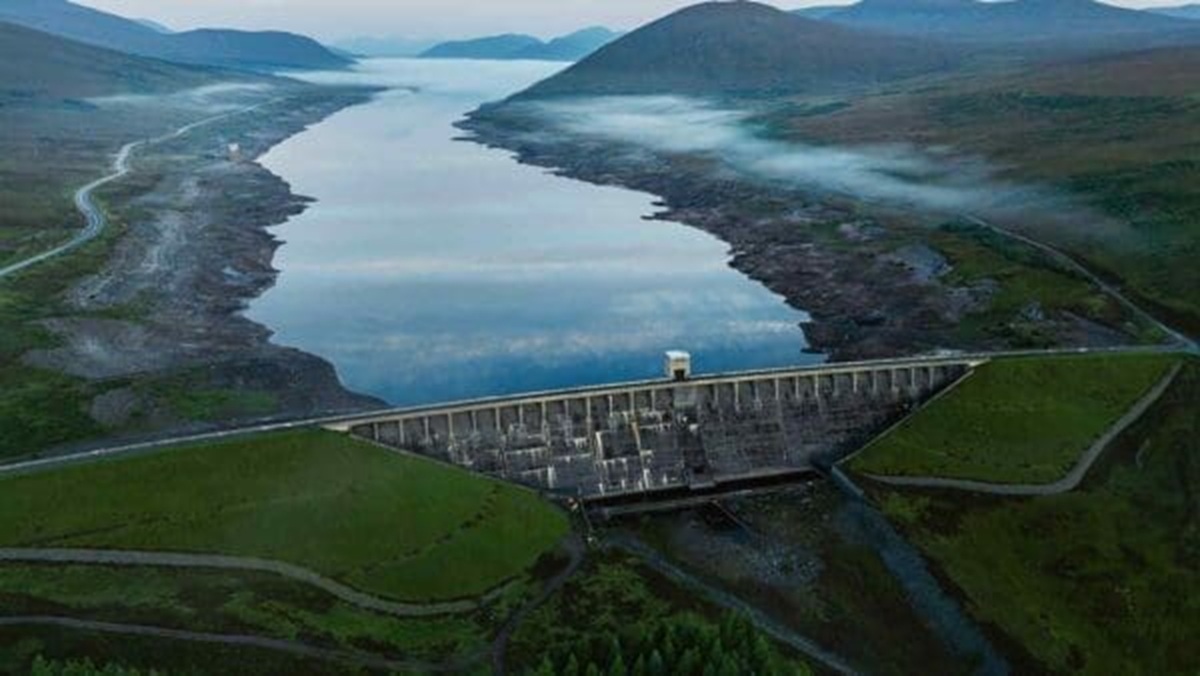
A gigantic dam project in the Himalayas could solve one crisis but silently create another for millions of people.
-
Nikola Tesla said that intelligent people tend to have fewer friends, and now science partially confirms this: a study with over 15,000 people showed that for the more intelligent, socializing too much can even reduce life satisfaction.

-
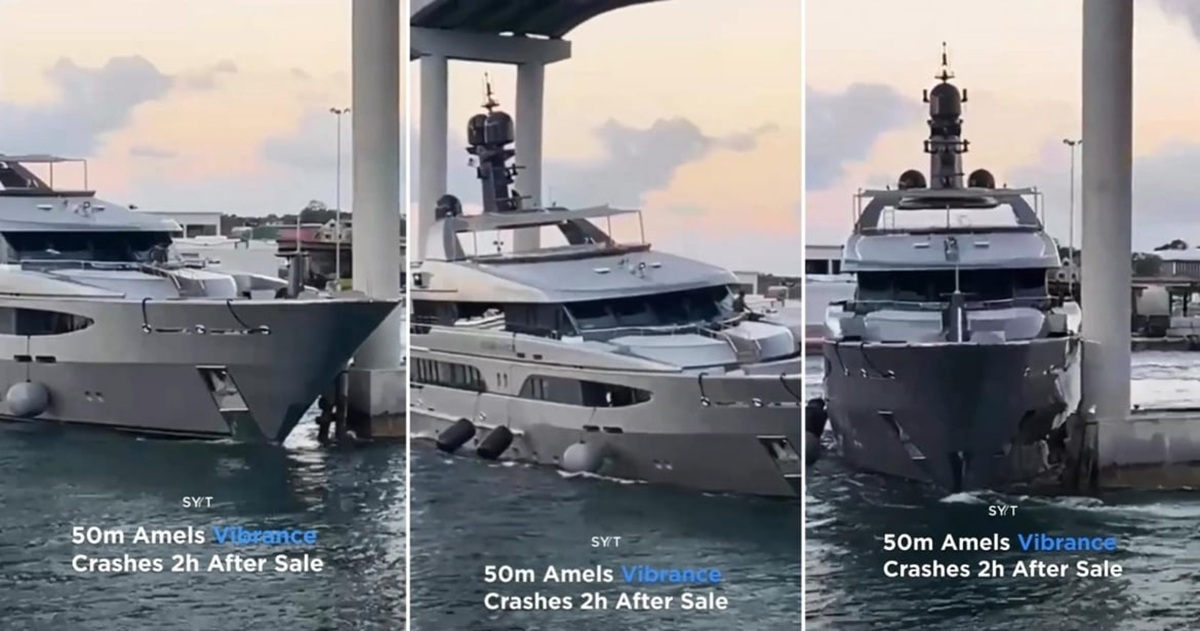
A superyacht worth US$ 17 million is delivered in impeccable condition, sets out to sail, and hits a bridge in the Bahamas just two hours later.
-
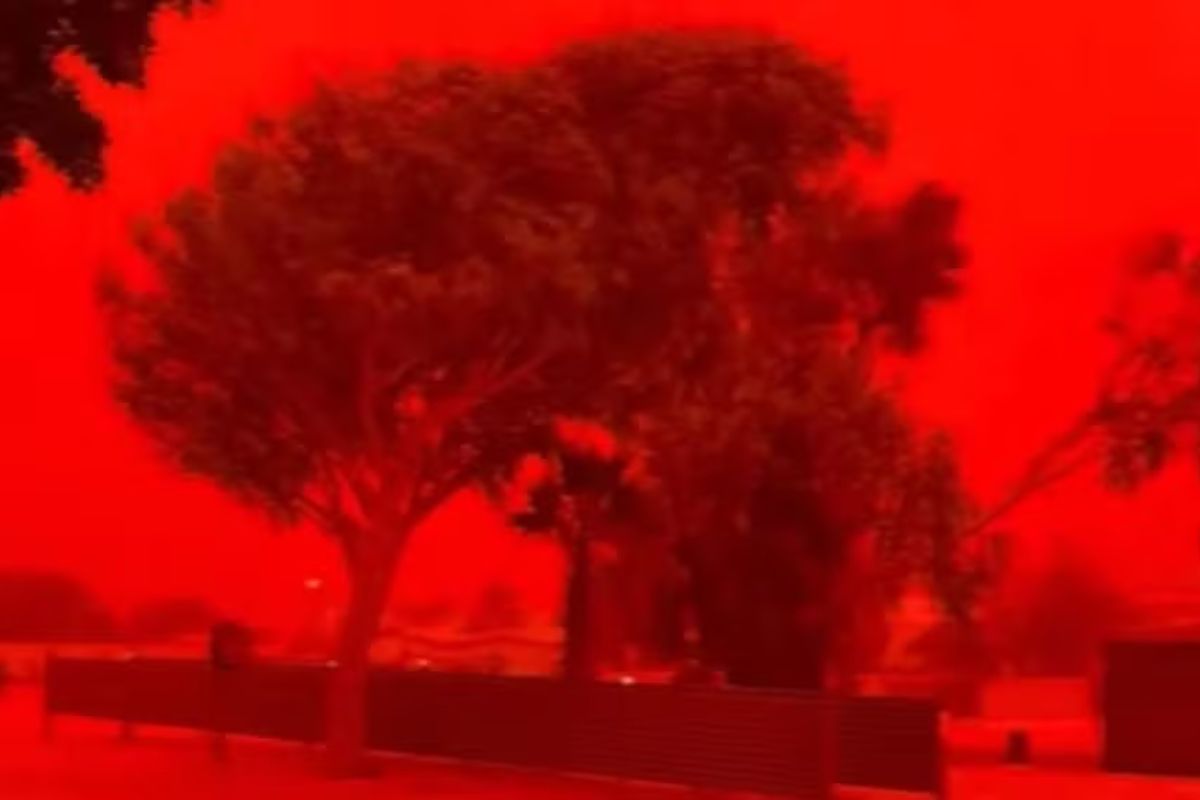
Residents of Australia woke up to a sky completely red like blood before the arrival of Cyclone Narelle, which hit the coast with winds of 250 km/h, tearing off roofs and lifting iron dust in a scene they described as apocalyptic.

The Antares, a wooden boat about 15 meters long, set sail at dusk accompanied by other vessels, repeating a known pattern of cooperation among fishermen.
The horizon line was clear, the sea stable, navigation lights visible, nothing suggested immediate risk.
The crew was experienced. Two men on watch, two resting, nets cast in deep waters.
Shortly before 2 a.m., the boats were still exchanging visual references. Half an hour later, the Antares was no longer there.
The silent disappearance is part of what made the incident so disturbing, as there was no audible distress call nor radio alert coming from the fishing boat.
Where Naval Exercise Met Artisanal Fishing
That same night, a British nuclear submarine was participating in a high-level qualification course, maneuvering at shallow depths.
The goal was to test discreet approach and avoid detection, a scenario that requires fine navigation, depth changes, and attention to hull and propeller noise.
Shortly after 2:17 a.m., metallic thumps and scraping noises were heard aboard the submarine, followed by a short sound of a free-spinning propeller.
The vessel submerged to assess, spotted other trawlers operating normally, and identified pieces of netting caught on the hull.
The initial impression that the incident would be minor, combined with the apparent continuation of fishing around, delayed the perception of what had occurred.
How Submerged Evidence Revealed What Happened
At dawn, unease took the coast. Fish boxes, sheen of oil on the surface, a segment of net floating.
The coast guard isolated the area, and the side-scan sonar pointed to an unmapped structure on the seabed.
It was the Antares, intact, inverted, deep. Three bodies were initially recovered, the fourth would be found months later.
The absence of significant structural damage to the hull of the fishing boat indicated sinking by drag, not by direct high-speed impact.
The combination of net, ballast, local geography, and the movement of a British nuclear submarine at shallow depth explains the rapidity of the disaster, which left no room for reaction.
Why Decisions Made in Minutes Weighed for Decades
After assessing the situation from the periscope depth and receiving feedback from a support ship distant from the critical zone, the submarine crew interpreted that the nearby trawlers were safe.
The response time elongated, and only hours later was the disappearance of the Antares reported on land, which reinforced the tragedy’s impact on the community.
The official conclusion recognized naval operation responsibility over the non-segregated fishing area.
The incident became a watershed for coordination procedures between military exercises and civilian fleets, with stricter protocols for warnings, delimitation, and exclusion when submarines operate near trawlers.
Human Impacts, Memorials, and an Operational Legacy
The village came to a standstill. Four names began to inhabit the collective memory, engraved on a plaque installed at the harbor the following year.
The hull of the Antares was recovered, restored, and displayed in a museum, until it was removed years later and scrapped.
The pain remained as a mark of the relationship between artisanal fishing and military operations in shared waters.
The British nuclear submarine involved continued its career for decades and would be decommissioned many years later.
In parallel, reports and international records indicated that similar incidents between submarines and trawl nets occurred in other parts of the world, with painful human tolls, reinforcing the need for planning, communication, and effective traffic separation.
What We Learned from a Calm Night at Sea
The tragedy exposed the fragility of multi-use areas and the difficulty of reconciling operational secrecy with third-party safety.
Operating a British nuclear submarine near artisanal fleets demands generous safety margins, accurate reading of effective net depths, and immediate response in the face of any acoustic anomaly.
It also left lessons for fishing: shared information about exercise areas, contact protocols, and group navigation practices helps, but does not replace the responsibility of those with mass and energy superiority at sea.
Balance depends on prevention, transparency, and clear rules, especially at night and in calm seas. You can watch the video of this material on this channel.
Do you think exercises with British nuclear submarines should be suspended during periods of intense fishing in these areas, or are stricter warning and exclusion procedures already sufficient to prevent new tragedies? Share your views on this balance between safety, sovereignty, and work at sea.





yryr