





 Portuguese
  English
  Spanish
  4 min of reading
  0 comments


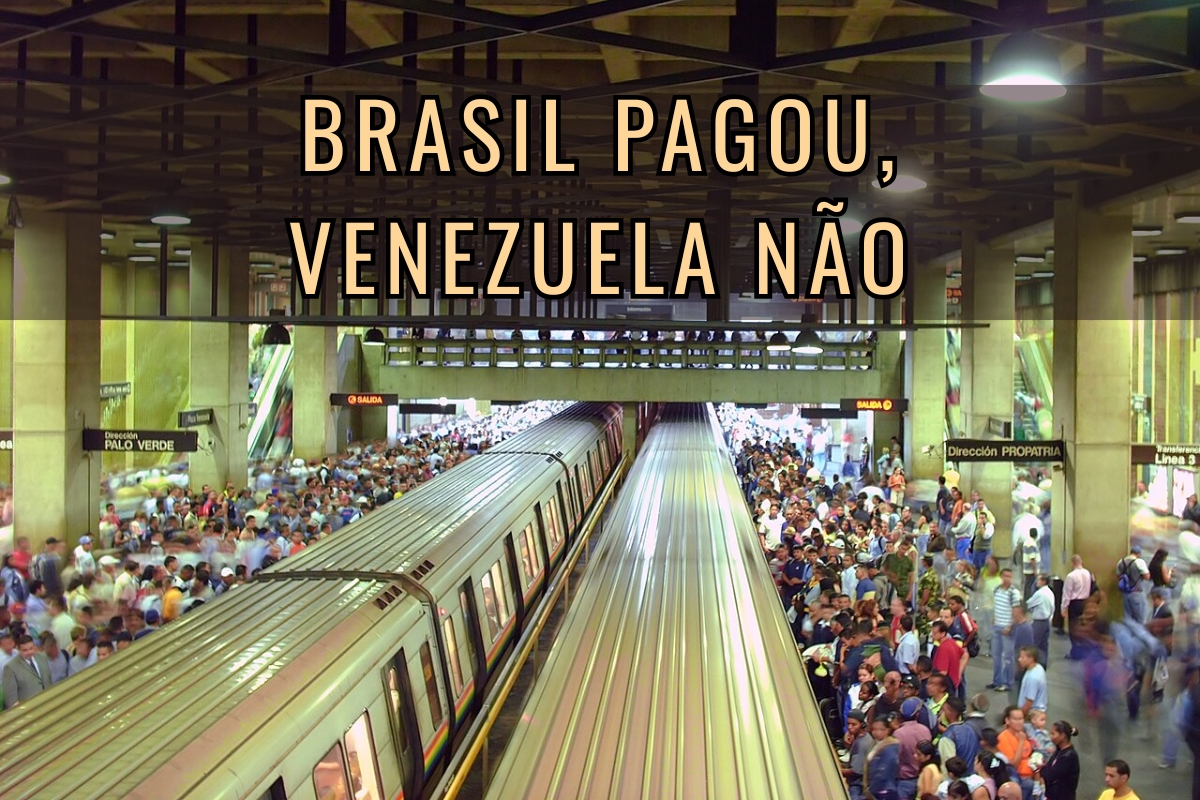
BNDES Financed Line 5 of the Caracas Metro with About R$ 1.6 Billion. The Project Called for 12 km and 10 Stations, but Only 1.5 km Became Operational. Venezuelan Default Implicated the Brazilian Treasury
Brazil Decided to Finance the Expansion of the Caracas Metro at a Time When the Country Bet on Engineering Exports as a Tool of Foreign Policy. The Idea Seemed Safe: BNDES Would Lend Resources, Venezuela Would Pay the Credit in Dollars, and the Work Would Strengthen the Image of National Engineering.
But What Started as a Regional Integration Project Ended in Loss. The Caracas Metro Line 5, Financed with About US$ 311 Million (Approximately R$ 1.6 Billion</strong) at the Time), Was Partially Delivered and Never Completed. Venezuela Failed to Honor the Payment, and the Debt Ultimately Fell on the Brazilian Taxpayer Through the Export Guarantee Fund (FGE).
The Financing Mechanism and the Start of the Debt
BNDES Created Specific Contracts for the Export of Engineering Services That Allowed Brazilian Companies to Carry Out Works Abroad. In the Venezuelan Case, the Company Responsible Was Odebrecht, Tasked with Constructing the Segment Plaza Venezuela – Parque del Este.
-
The largest food company on the planet, JBS, has just opened a 4,000 square meter laboratory in Florianópolis to develop customized proteins that modulate muscle mass gain, immune response, and metabolic performance.

-
After nearly 30 bids and competition among industry giants, a Spanish company purchases one of the largest airports in Brazil for almost R$ 3 billion and takes over the management of Galeão in a concession that will last until 2039.

-
The Federal Revenue Service now automatically cross-references everything you declare with data from banks, credit cards, brokerage firms, and insurance companies, and any discrepancy between your income and your expenses triggers an alert in seconds.

-
Amid global tensions, Brazil blocks the United States’ proposal at the WTO and paves the way for a trade crisis and possible retaliations.


The Main Contract (2009.0032) and the Addendum (2009.0032-A1) Defined the Execution of Civil Works, Tunnels, and the Relocation of Water, Energy, and Telecommunications Networks. The Financing Covered the Services Exported by Brazil and Was to Be Paid by Venezuela Within Agreed Terms, with Interest in Dollars.
The Economic and Political Crisis That Took Hold of Caracas from 2014 Made the Payment Schedule Unfeasible. Since 2018, the Country Stopped Paying the Due Installments and the Debt Entered Default.

The Technical Dimension of Line 5
The Complete Project of Line 5 Called for 12.3 Kilometers in Length and 10 Underground Stations Between Zona Rental and Parque del Este, Integrating with Line 4. The Goal Was to Expand the System’s Capacity and Serve About 300,000 Passengers Per Day.
Odebrecht Used EPB Herrenknecht Tunnel Boring Machines, 84 Meters Long, 520 Tons, and 945 kW Power, to Dig Tunnels with Total Diameter. The Construction Required the Diversion of Public Networks and Engineering Solutions in Dense and Deep Soils.
On November 4, 2015, the First Phase Became Operational: 1.5 Kilometers with Two Stations, Zona Rental and Bello Monte, the Latter with a Depth of About 40 Meters. The Remaining Route Was Never Completed.
The Weight of Venezuelan Default
The Contract for Line 5 is Just One Part of the Set of BNDES Financing in Venezuela, Totaling About R$ 10 Billion in Various Works — Including Subways, Ports, Power Plants, and Irrigation Systems.
The Share Corresponding to Line 5, of About R$ 1.6 Billion, Ended Up Being Taken Over by the Export Guarantee Fund When Venezuela Stopped Paying. In Practice, the Fund Compensated Odebrecht, and the Debt Became Collectible Directly by the Brazilian Government.
With Interest and Adjustments, the Updated Value of the Specific Contract for Line 5 May Now Exceed R$ 2 Billion, Although BNDES Does Not Disclose Individualized Details Per Work. The Remaining Venezuelan Debt with Brazil — Which Totals Approximately R$ 10 Billion — Includes Other Infrastructure Contracts Signed at the Same Time.

Consequences for Brazil
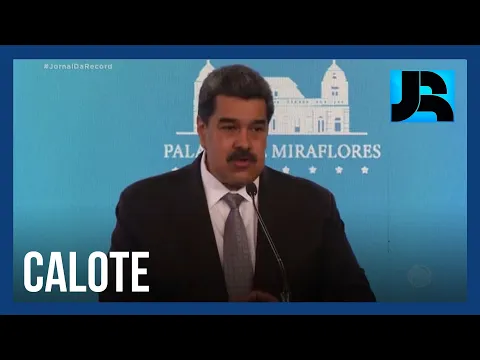
The Venezuelan Default Revealed the Fragility of a Credit Model That Mixed Diplomacy with Fiscal Risk. The FGE, Created to Protect Brazilian Companies, Ended Up Turning a Commercial Contract into Public Debt.
Each Unpaid Installment is Covered with Resources from the National Treasury, and the Balance Continues to Grow. According to a Survey by CNN Brazil and Poder360, the Default Interest on the Entire Venezuelan Debt has Already Exceeded R$ 2.7 Billion.
Attempts to Renegotiate Between Brasília and Caracas Continue Without Concrete Advances. Venezuela Remains Under Sanctions, With Reduced International Reserves and Almost No Payment Capacity.
The Impact on the Image of BNDES
In Addition to the Fiscal Loss, the Episode Undermined BNDES’s Reputation as an International Development Agent. The Policy of Financing Works in Politically Unstable Countries, Used to Strengthen Diplomatic Relations, Has Come Under Scrutiny by Public Finance Experts.
The Case of Line 5 Has Become a Cautionary Example: When Financing is Supported More by Political Trust than by Economic Guarantees, the Risk Becomes Debt for the Financing Country.
An Unfinished Metro and a Debt That Keeps Growing
Today, Line 5 of the Caracas Metro Remains Unfinished. The Tunnels are Only Partially Completed, and the System Operates with Two Stations. The Brazilian Investment of About US$ 311 Million Has Not Been Recovered.
As the Project Deteriorates in Caracas, Brazil Continues to Demand Payment That is Unlikely to Come. The Case Has Become a Symbol of a Foreign Credit Policy That Favored Diplomatic Expansion but Left a Billion-Dollar Burden on National Accounts.







Seja o primeiro a reagir!