





 Portuguese
  English
  Spanish
  3 min of reading
  0 comments


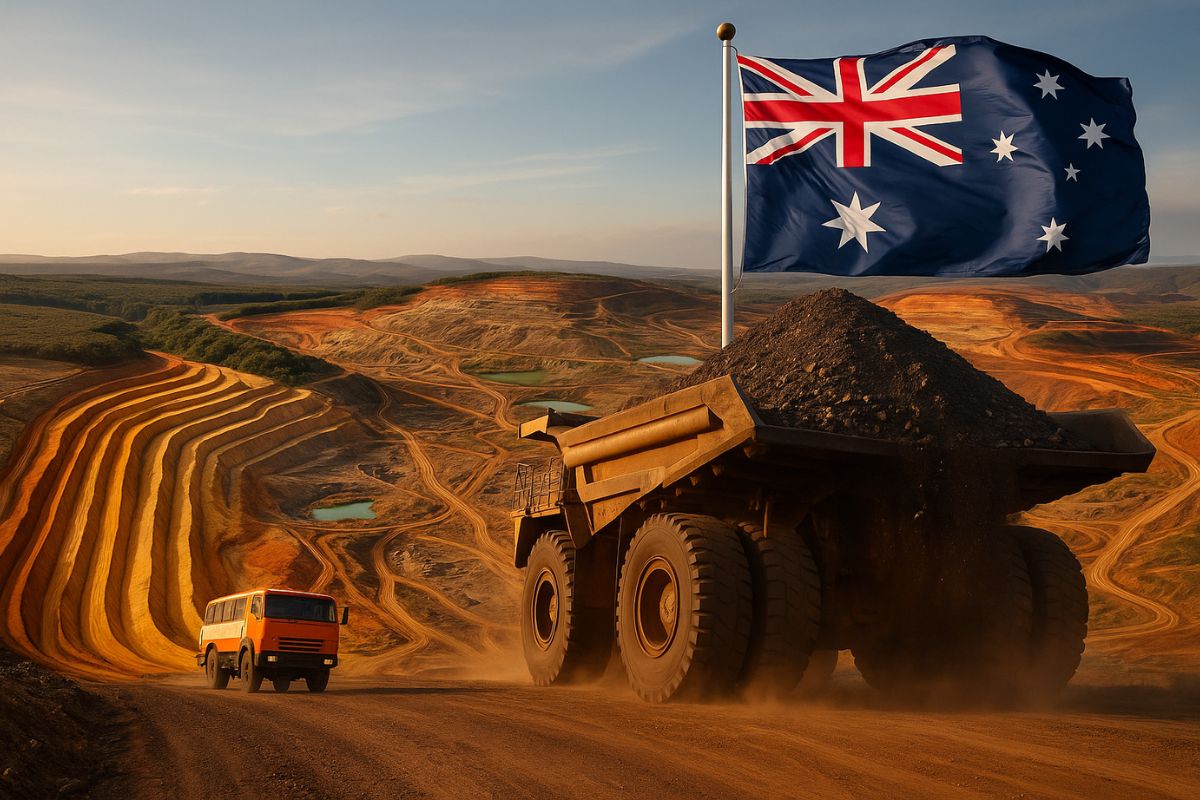
In a Strategic Transaction Completed in February 2025, Australian St. George Mining Acquired a Niobium and Rare Earths Project in Minas Gerais, Positioning Itself to Lead the New Race for Critical Minerals in the Country.
A transaction of up to US$ 21 million is redefining the future of strategic mineral mining in Brazil. In a move that reflects the new geopolitics of natural resources, the junior Australian miner St. George Mining bought from the American company Itafos a promising niobium and rare earths project in Araxá, Minas Gerais.
The deal, completed in February 2025, is not just an asset swap. It represents the entry of a new and ambitious player into the heart of Brazil, with a clear bet on the country’s potential to become a global supplier of essential raw materials for the energy and technological transition, away from dependency on China.
A Strategic Deal: The Purchase of the Araxá Project
The agreement for the acquisition of the Araxá project was announced on August 5, 2024 and officially completed on February 26, 2025. The buyer was Australian St. George Mining, and the seller was American Itafos Inc.
-
Brazil extracts 26.3 million tons of ore from what was previously treated as waste, transforming residues into wealth, producing over 3 million tons of sand, and demonstrating how national mining is relearning to generate value.
-
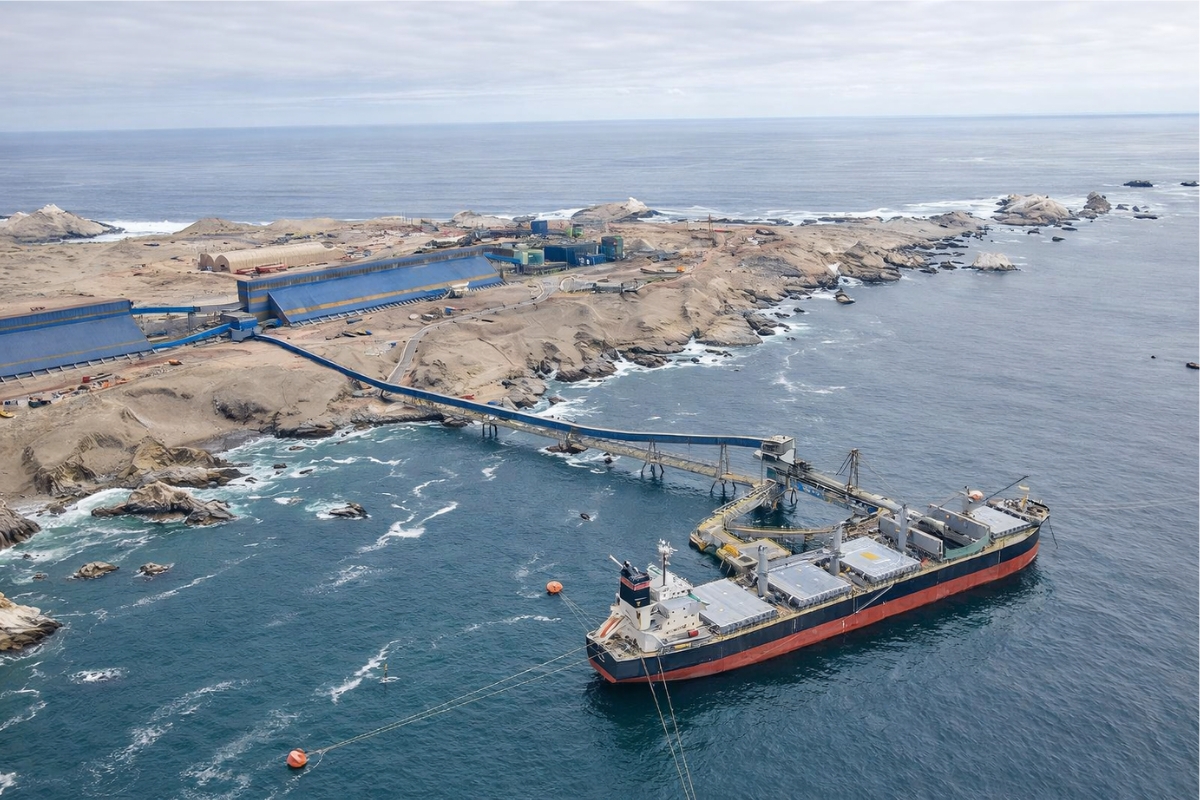
A $3.5 billion megaproject in Latin America pumps desalinated seawater at 1,050 liters per second over 194 km to keep a copper supermine in the Andes operational for another 20 years.
-
A hidden mine in the Andes valued at nearly R$ 1 trillion is starting to attract global attention, containing copper, gold, and silver, and raises an intriguing question: why do Argentina and Chile need to act together to exploit this gigantic wealth?
-
A silent discovery in the interior of Bahia could change the future of energy in Brazil: a uranium reserve in Lagoa Real has an estimated capacity to produce 400 tons per year and is already attracting the attention of energy sector specialists.
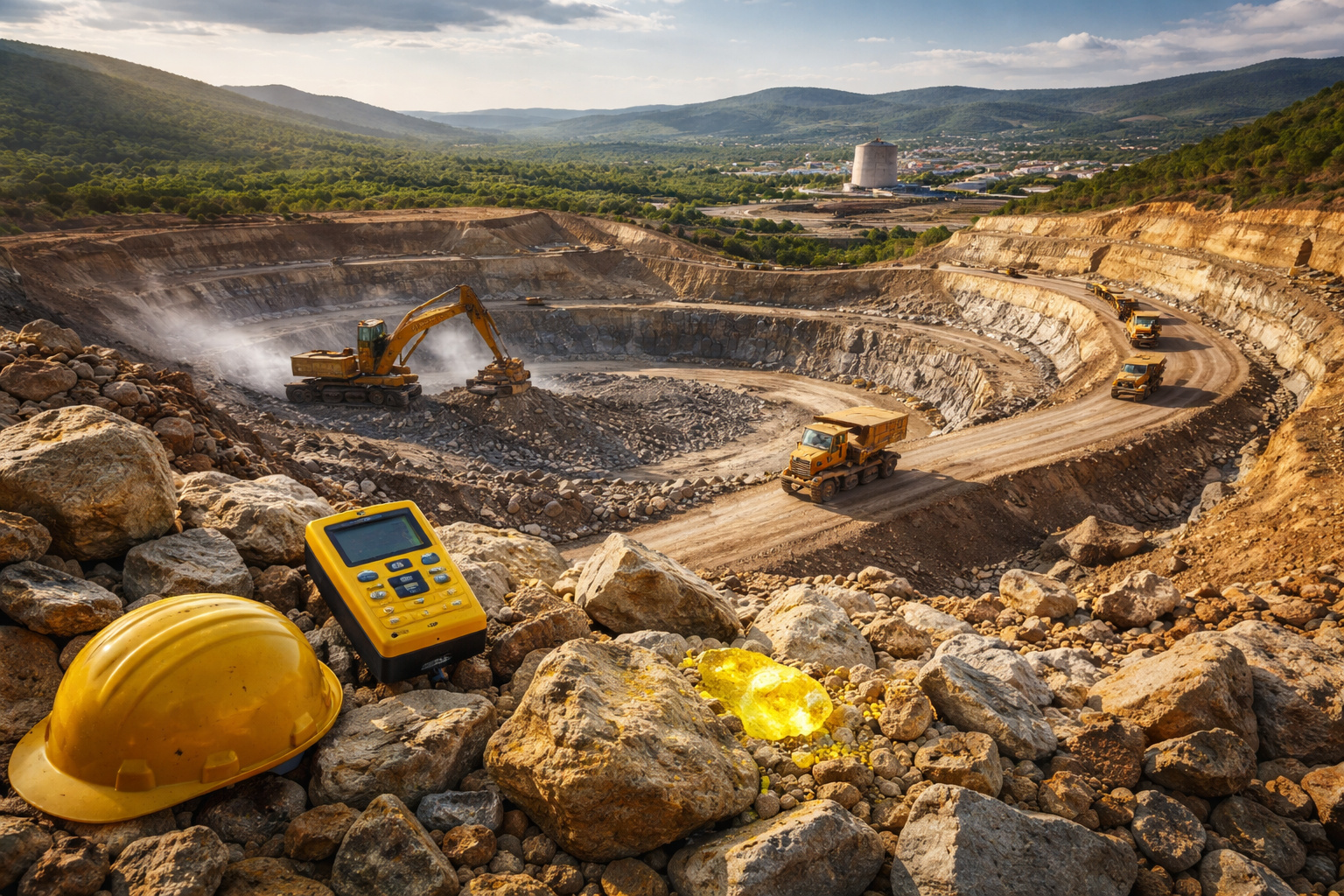

The financial structure was sophisticated. St. George paid US$ 10 million in cash at the closing of the deal and committed to an additional US$ 11 million in future payments. Additionally, Itafos received a 10% stake in St. George itself, thus retaining an interest in the future success of the project.
What Was Acquired? The Treasure of Niobium and Rare Earths Next to the Largest Mine in the World
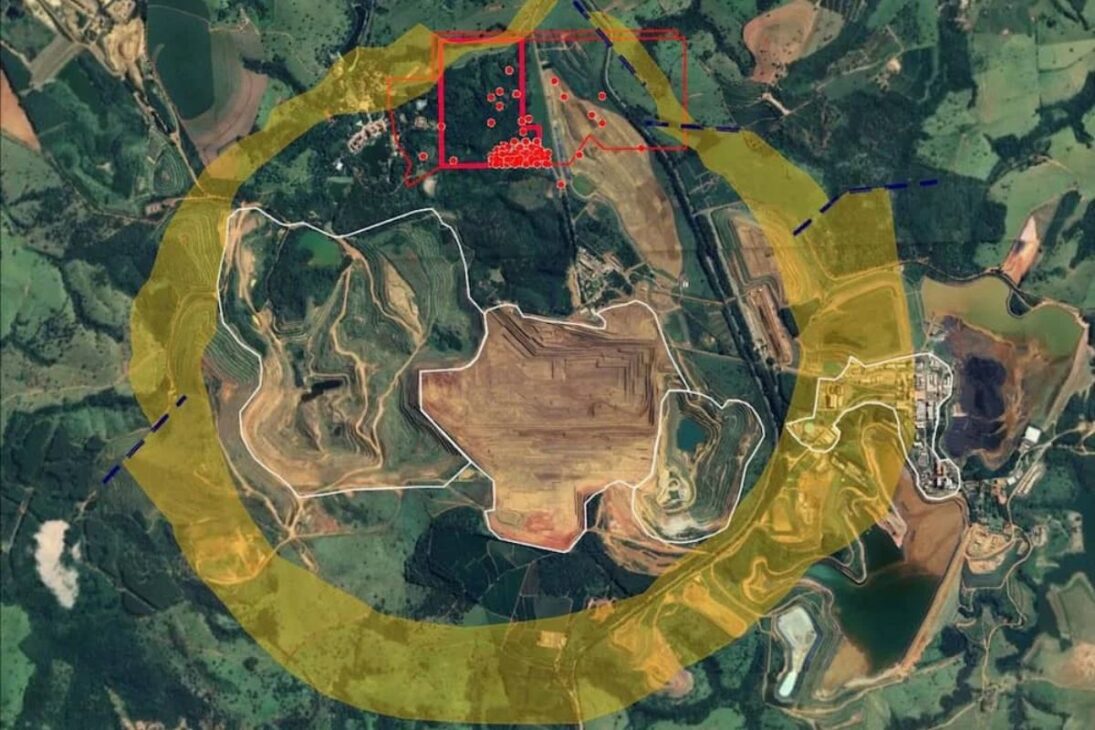
The asset acquired by St. George is world-class. Located in Araxá (MG), the project is adjacent to CBMM’s mine, the largest and most important niobium producer on the planet. This proximity confirms the immense geological potential of the area.
On April 1, 2025, St. George announced the first official resource estimate for the project, confirming the existence of 41.2 million tons of niobium and 40.6 million tons of rare earths, including valuable elements such as neodymium and praseodymium, essential for the manufacture of high-performance magnets.
The Buyer’s Strategy: The CBMM “Manual” of St. George Mining
The purchase transformed St. George. From a small explorer focused on Australia, it became a developer of a globally important asset. To ensure success, the company adopted a smart strategy: to hire the best local talents.
St. George assembled a management team in Brazil made up of former executives from the giant CBMM. These professionals bring decades of specific experience in the geology of Araxá and in the processes of niobium mining, drastically reducing the technical risks of the project.
The Logic of the Seller: Why Did Itafos Dispose of the Asset?
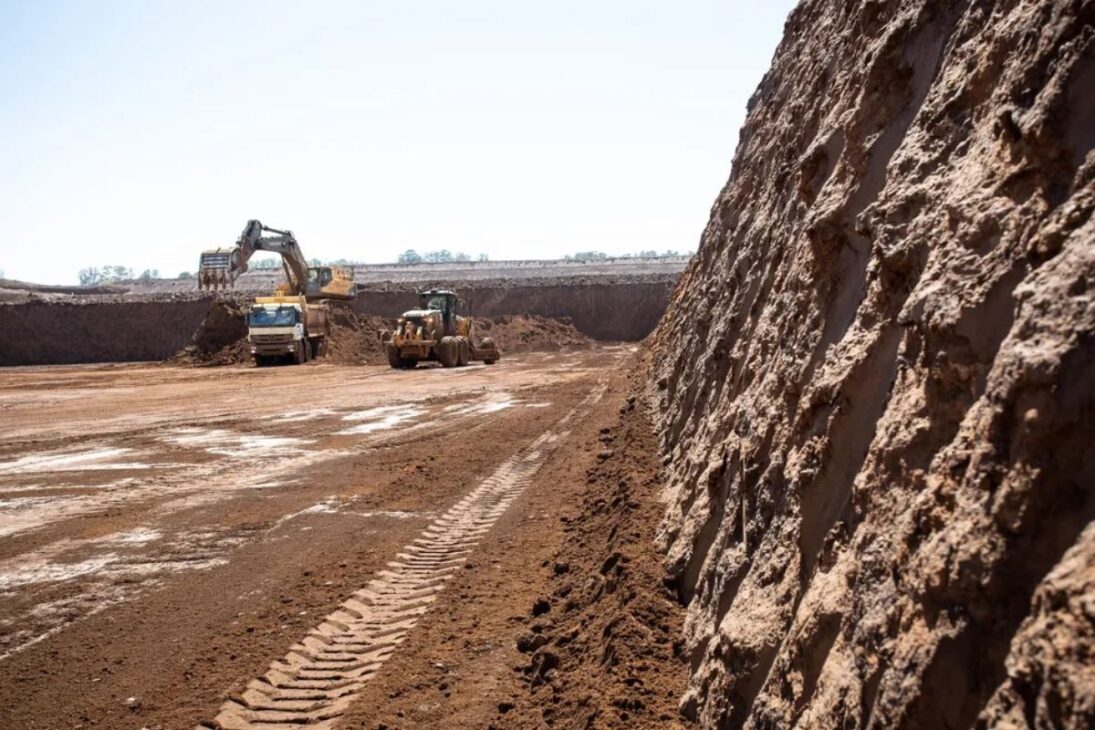
For Itafos, a company focused on phosphate fertilizers, the niobium and rare earths project in Araxá was a “non-essential” asset. The sale was a move to optimize its portfolio and focus on its core business.
The transaction allowed the company to monetize an asset that was stagnant on its books. With the money from the sale, Itafos directly rewarded its shareholders, announcing a special dividend in March 2025, a sign of capital discipline and strategic focus.
The Race for Minerals and Brazil’s Role
The acquisition of the Araxá project comes at a time of intense geopolitical competition for critical minerals. Western nations, such as the US and Australia, are desperately seeking to create new supply chains for niobium and rare earths to reduce their dependence on China, which currently dominates the market.
Brazil is emerging as a key partner in this strategy. The Brazilian government actively supports the sector, with initiatives such as the MAGBRAS program, which aims to create a production chain for permanent magnets in the country. St. George has already been selected to participate in the program, which guarantees a domestic market and strong government support for its project in Araxá.









-

-

-

3 pessoas reagiram a isso.