





 Portuguese
  English
  Spanish
 6 min of reading
  0 comments


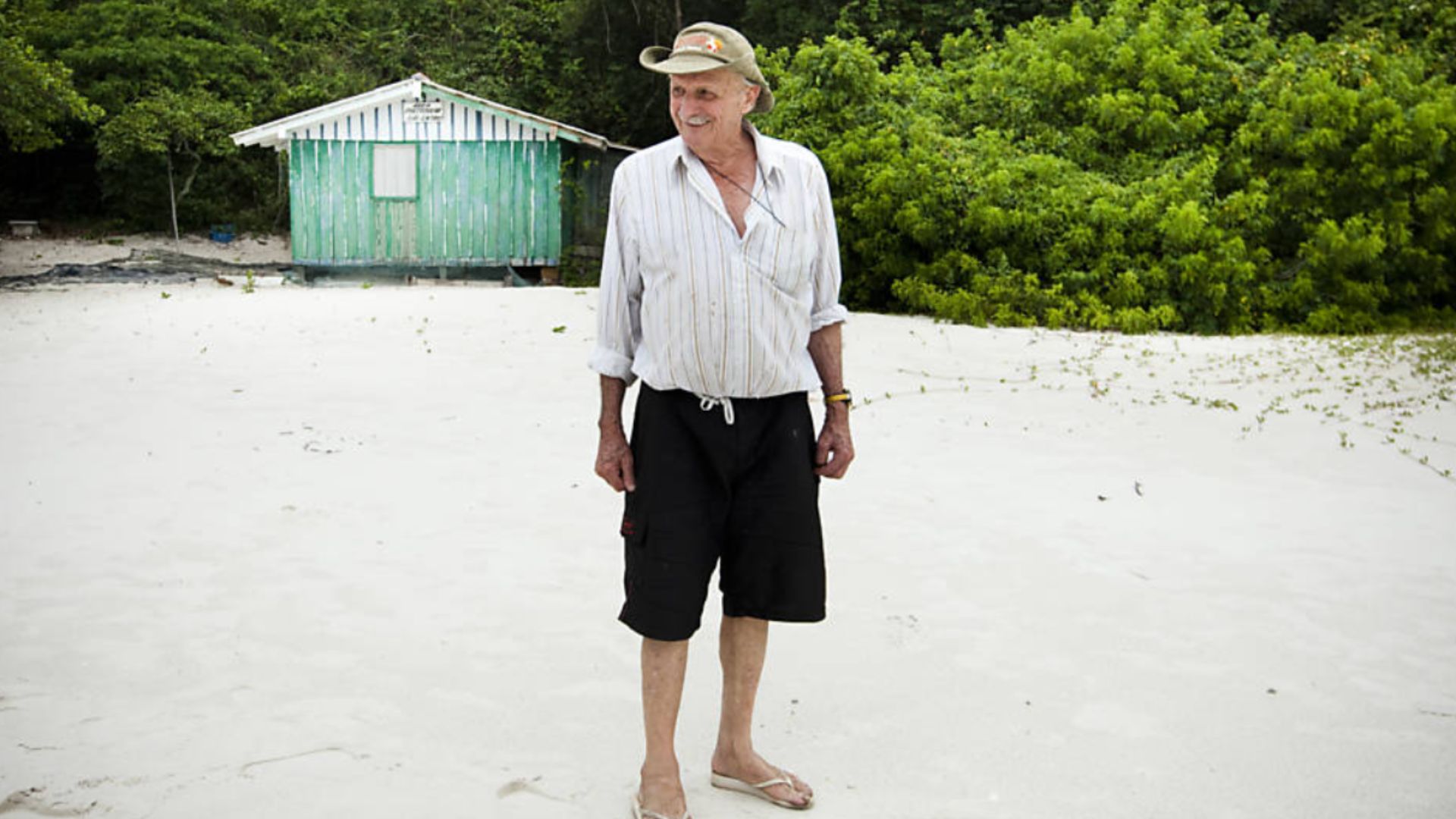
On An Island Tombed And Disputed By Tourists, A Retiree Lives Isolated For Almost Two Decades, Maintaining His Own Routine Amid The Atlantic Forest, Turquoise Sea And Strict Preservation Rules.
On a tombed and strictly controlled island on the coast of Florianópolis, a retired electrician presented in reports as a 84-year-old retiree has lived for almost two decades in a rare condition.
While hundreds of tourists arrive and depart within a few hours, Nilton Cardoso remains as the only permanent resident of Campeche Island, surrounded by the Atlantic Forest and a sea in shades of blue and green that many have come to call the “Catarinense Caribbean.”
Campeche Island Brings Turquoise Sea, Strict Rules And Historical Tombing
The Campeche Island is located about 1.6 kilometers from Campeche Beach, on the east of Florianópolis, and combines exceptional landscape and archaeological attributes.
-
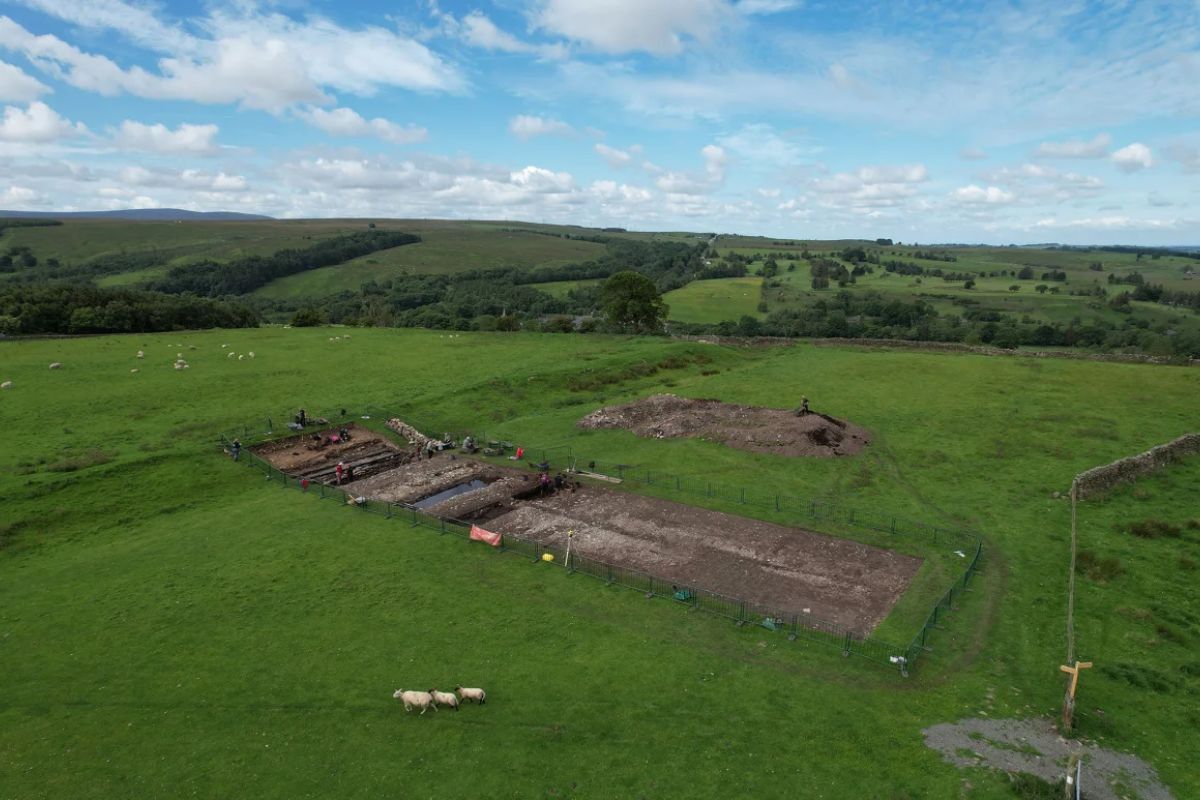
Archaeologists found giant shoes over 30 centimeters near Hadrian’s Wall that survived nearly two thousand years buried and now raise a mystery: who were these Roman soldiers so different from the others?
-
Meta’s new smart glasses are not just for seeing; they use artificial intelligence, analyze your food, summarize messages, and can even change the way you work in professions like engineering.

-
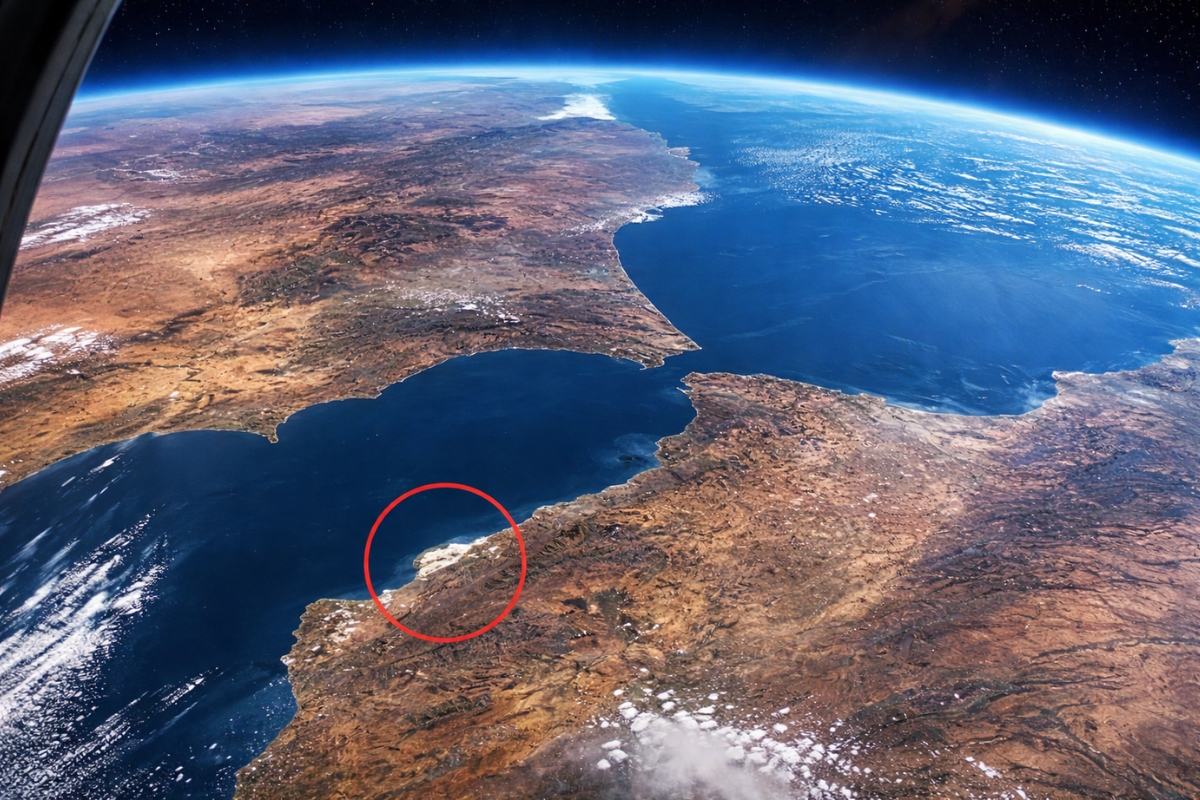
According to an analysis by NASA, only one human-made structure is visible from space, and it is not the Great Wall of China or the Pyramids of Egypt.
-
After 377 years of history, the Brazilian Army will have its first female general: Colonel Claudia Cacho has been promoted to brigadier general by Lula and will receive the sword and command baton this Wednesday in Brasília.


It was tombed by the National Institute of Historic and Artistic Heritage (Iphan) in the year 2000, due to its environmental and cultural importance.
The area houses the largest concentration of lithic workshops and rock engravings along the Brazilian coast, with various sites distributed among cliffs, stones, and internal trails.
In recent years, in addition to federal protection, the municipality created a conservation unit of the type Municipal Natural Monument, reinforcing the rules for visitation and preservation.
In practice, the daily limit of 770 visitors has been maintained, with the possibility of an increase to 800 people in high season months, according to ordinances and terms adjusted with the Federal Public Ministry and Iphan.

Access depends on prior registration, issuance of authorization, and crossing done only by accredited vessels.
Camping, making fires or barbecues, using loud music, or landing with pets are not allowed.
The stay of visitors is usually limited to a few hours, varying according to the contracted tour.
Tourists Come And Go, But Nilton Remains On The Island
In this controlled visitation system, Nilton’s flow is the opposite of most.
Tourists arrive in boats from Campeche Beach, Armação, or Barra da Lagoa, stay for an average of four to five hours, and are obliged to return at the end of the day.
The retiree, on the contrary, crosses the sea to stay.
Television reports, news portals, and studies about tourism in the region describe him as the only permanent resident of the island.
His role blends with that of an informal guardian of a tombed space that, in high season, receives the maximum daily limit of visitors.
When the last boats collect the access bracelets, Nilton continues his solitary routine, accompanied only by the sounds of the forest and the sea.
Childhood, Fishing And The Decision That Changed His Life
Nilton’s relationship with Campeche began long before the definitive move.

Reports from regional media state that he first encountered the island at 11 years old and, as an adult, returned numerous times as an amateur fisherman.
Throughout his professional life, he built a career as an electrician at Celesc until retiring.
After retirement, he began visiting the islands on the southern coast of Florianópolis more frequently.
One day while fishing, he recounted that the tide changed, preventing his return to the mainland.
Forced to stay for several days, he decided to remain on the island permanently.
In an interview, he stated that he felt bad in urban areas and at peace when he returned to Campeche, describing the place as a retreat he did not want to give up.
Couto de Magalhães Association And Simple Housing In The Forest
The long-term stay was supported by the Couto de Magalhães Association, a recreational entity that has been active on the island since the mid-20th century.
Nilton became a member and began living in one of the few houses of the association, located in a section away from the main beach, closer to the forest and areas with rock inscriptions.
From the simple house where he lives, surrounded by native vegetation, he observes the movement of the boats and watches the behavior of the bathers.
He also informally assists in ensuring compliance with the rules imposed by preservation agreements.
Research and reports describe him as a local reference figure due to his familiarity with the territory.

Solitary Routine Marked By Repeated Tasks
The daily life reported by those who have observed his routine indicates a set of fixed gestures.
Nilton usually wakes up around 5 a.m. He sweeps the area around the house. He walks along internal trails and fishes at traditional spots.
Additionally, he washes clothes, prepares meals, and at some point during the day, he watches television.
At other times, he talks with curious visitors about the experience of living in isolation on a postcard-perfect coast of Santa Catarina.
While tourists spend a few hours on the island, he observes long-term changes, such as the increase in the number of boats, the use of drones, and discussions about environmental carrying capacity.
Family In Florianópolis And Monthly Supply By Boat
Despite living alone, Nilton maintains family ties in Florianópolis. Reports present him as a husband, father of five children, and grandfather.
Survival on the island depends on monthly shipments of supplies sent by boat from his family.
Food, cleaning items, and personal products are organized according to the restrictions on disembarkation in the protected area.
Communication is mainly done by cell phone. He mentioned that he keeps the device attached with a cord around his neck to avoid losing it during daily work.

His wife’s calls are frequent and serve to adjust the supply list and monitor his routine from a distance.
Nilton associates his stay in Campeche with health issues as well. With vision problems, he says he feels safer on the island than in busy streets, where he fears accidents or muggings.
Protected Archaeology, Guided Trails And Mass Tourism
The setting in which this routine unfolds is an area of high cultural and environmental sensitivity.
Studies and official documents indicate that Campeche Island contains lithic workshops, rock engravings, and other remnants that are thousands of years old.
The trails that lead to viewpoints, rock formations, and panels of inscriptions can only be accessed with authorized guides.
There is a fee and daily limits on visitors. Part of the itineraries serves public schools with a focus on heritage education.
Another part is dedicated to beach tourism and contemplation. Simultaneously, Campeche has consolidated itself as a destination of high traffic.
Boats offer crossings that take a few to forty minutes, depending on the departure point.
Agencies promote the location as the “Catarinense Caribbean,” highlighting the emerald color and water visibility, enhanced by drone images.







Seja o primeiro a reagir!