





 Portuguese
  English
  Spanish
  3 min of reading


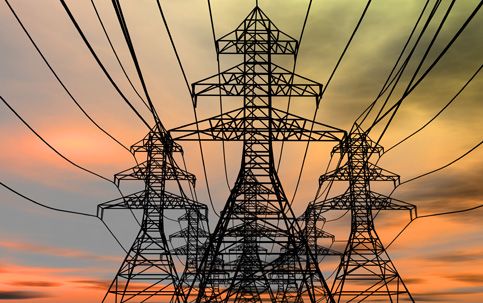
The National Electric Energy Agency (Aneel) authorized yesterday (07) for the Electric Energy Trading Chamber (CCEE) to pass on to the distributors of the National Interconnected System (SIN) and to some agents of the free market, the available financial resources in the reserve fund for future relief of charges. Government of Rio seeks more information about the cut in oil production announced by Petrobras
Read Also
- Many job openings for an offshore project in Indonesia
- Welder, Boiler Maker and Painter summoned for offshore vacancies in Rio das Ostras on this day
- For offshore contracts in Rio de Janeiro, Wilhelmsen Ship initiates a selection process for Engine Room Sailors
With this measure, R$ 2.022 billion reserved for future relief of charges for the distributors of the regulated contracting environment (ACR) and for 7,166 agents of the free contracting environment (ACL) will be anticipated, benefiting the entire chain of generation, transmission and distribution of energy.
According to the CCEE, R$ 1.475 billion will be allocated to distributors and the remaining funds valued at R$ 547 million will go to free consumers.
-
Claro operator reveals a silent change with hundreds of clean energy plants and shows how sustainability is impacting over 80% of its operations in Brazil.
-
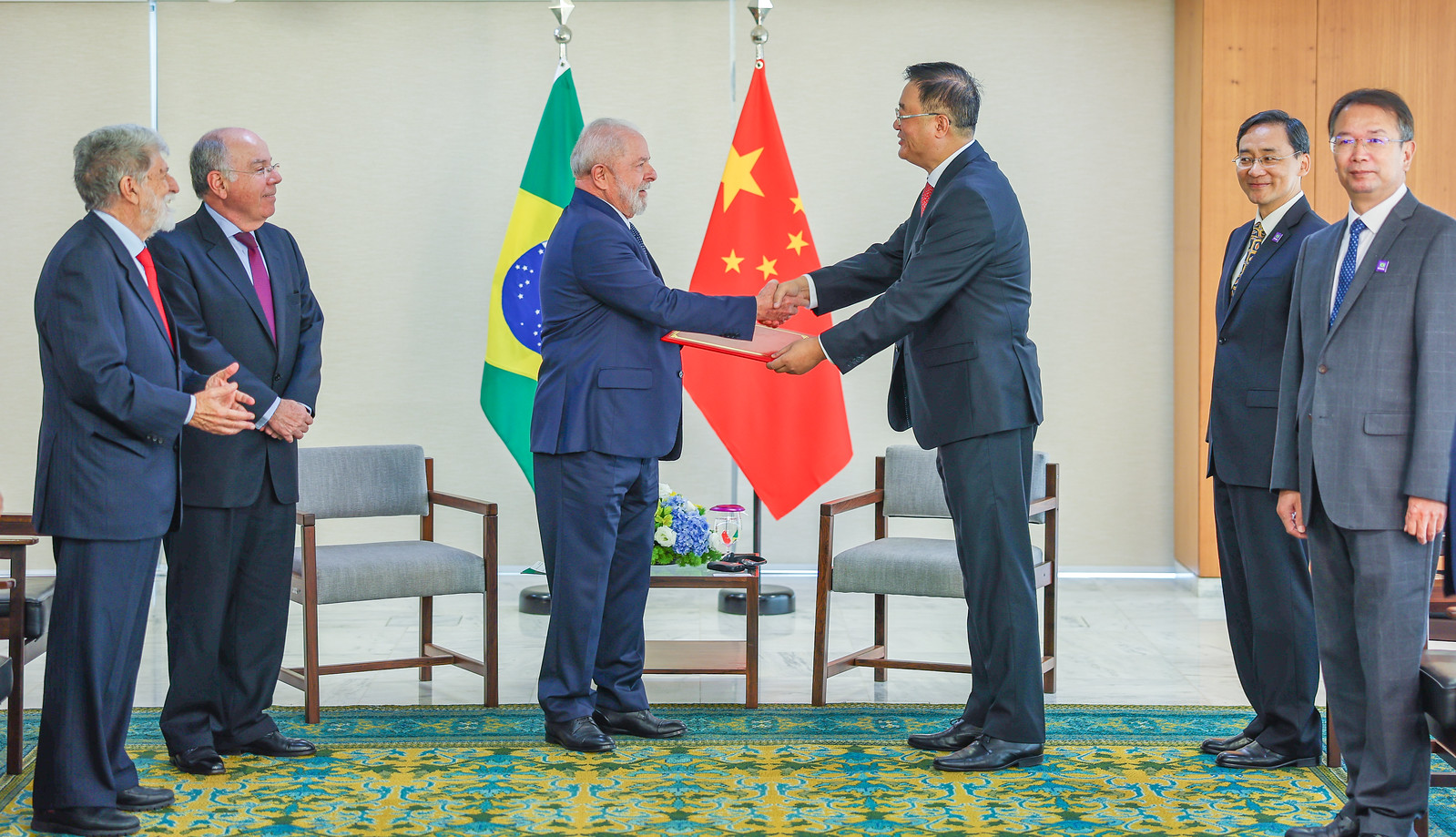
Billion-dollar strategic alliance: Brazil and China join forces in infrastructure and technology projects to lead the creation of a global green corridor in the energy transition.
-
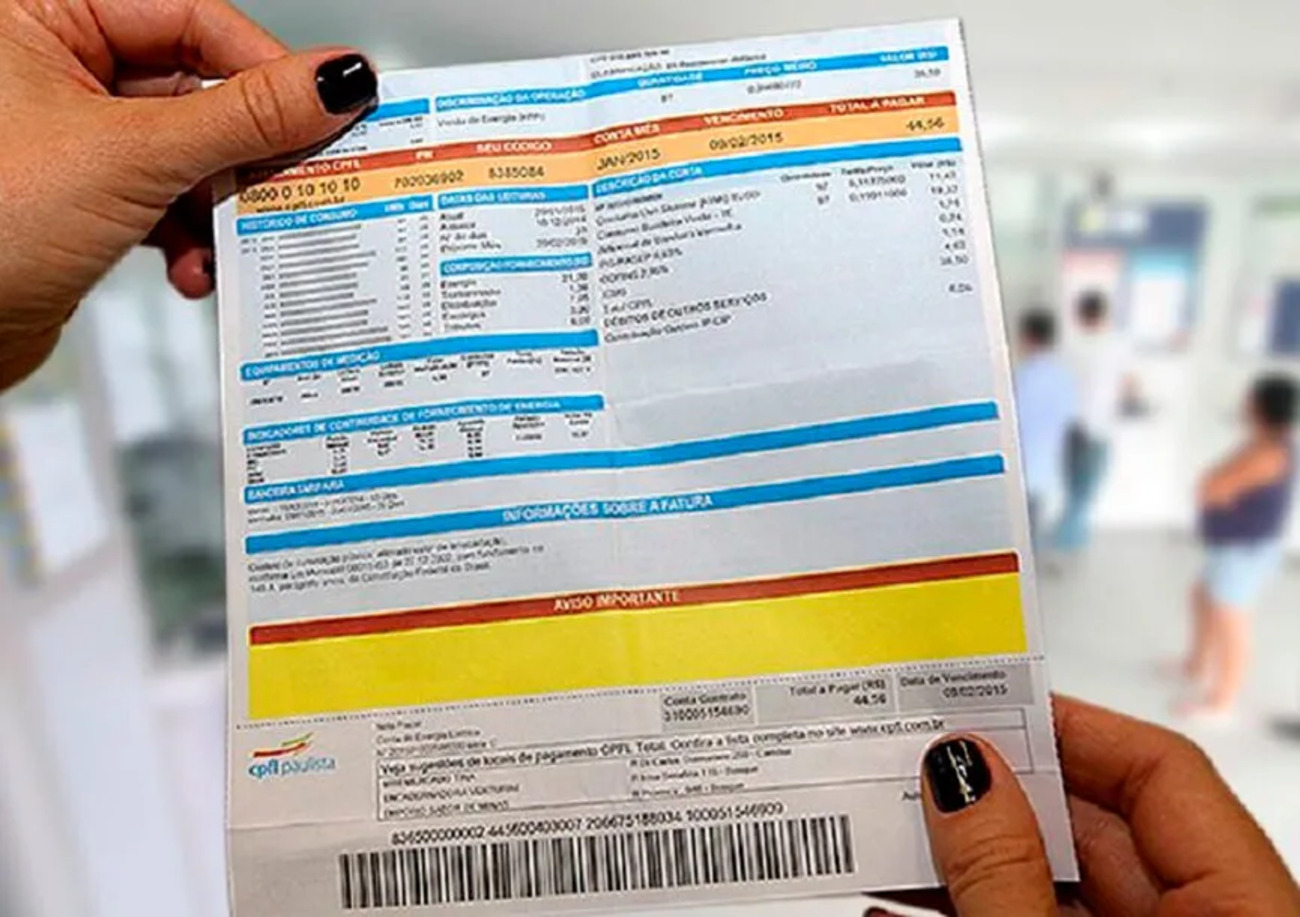
Research reveals that the vast majority of national consumers are not willing to pay more for renewable energy despite their support for sustainability.
-
Renewable energy advances globally with Asia taking the lead; Irena’s analysis indicates a strategic progress that drives the energy transition and reduces generation costs.
Aneel’s decision also authorizes the CCEE to make new transfers throughout the year 2020, whenever there is a positive balance in the reserve fund for future relief of charges. According to the CCEE, they currently buy a volume 17% greater than they can sell.
The entity expects that the oversupply will reach 30% in June. Under current rules, they have a margin of error of only 5%. After that, they bear the loss. The release of resources from sector funds was one of the measures under study to relieve the segment’s cash flow.
Government and distributors are also negotiating a loan similar to the one made during the crisis caused by high energy prices in 2014. To solve the problem, the government and companies contracted with a pool of banks R$ 21.2 billion, which were paid by consumers in installments charged on Brazilian electricity bills until 2019.
Energy Sector Crisis Due to Pandemic
There is still no estimate of the current size of the deficit in the electricity sector. The market assesses that the problem may be long-lasting, as the demand for energy tends to take time to return to pre-crisis levels if the economic recovery is slow.
To reduce the risks of liquidity crisis in the electricity sector, the government is also considering paying electricity bills for low-income households with Treasury funds, which are more vulnerable to loss of income during the isolation period. This measure would reduce expectations of default.
At the end of March, Aneel suspended the possibility of electricity cuts due to non-payment for 90 days. Debts can be collected through other mechanisms, such as registration in negative credit databases, but the supply must be maintained.







Seja o primeiro a reagir!