





 Portuguese
  English
  Spanish
  6 min of reading
  0 comments


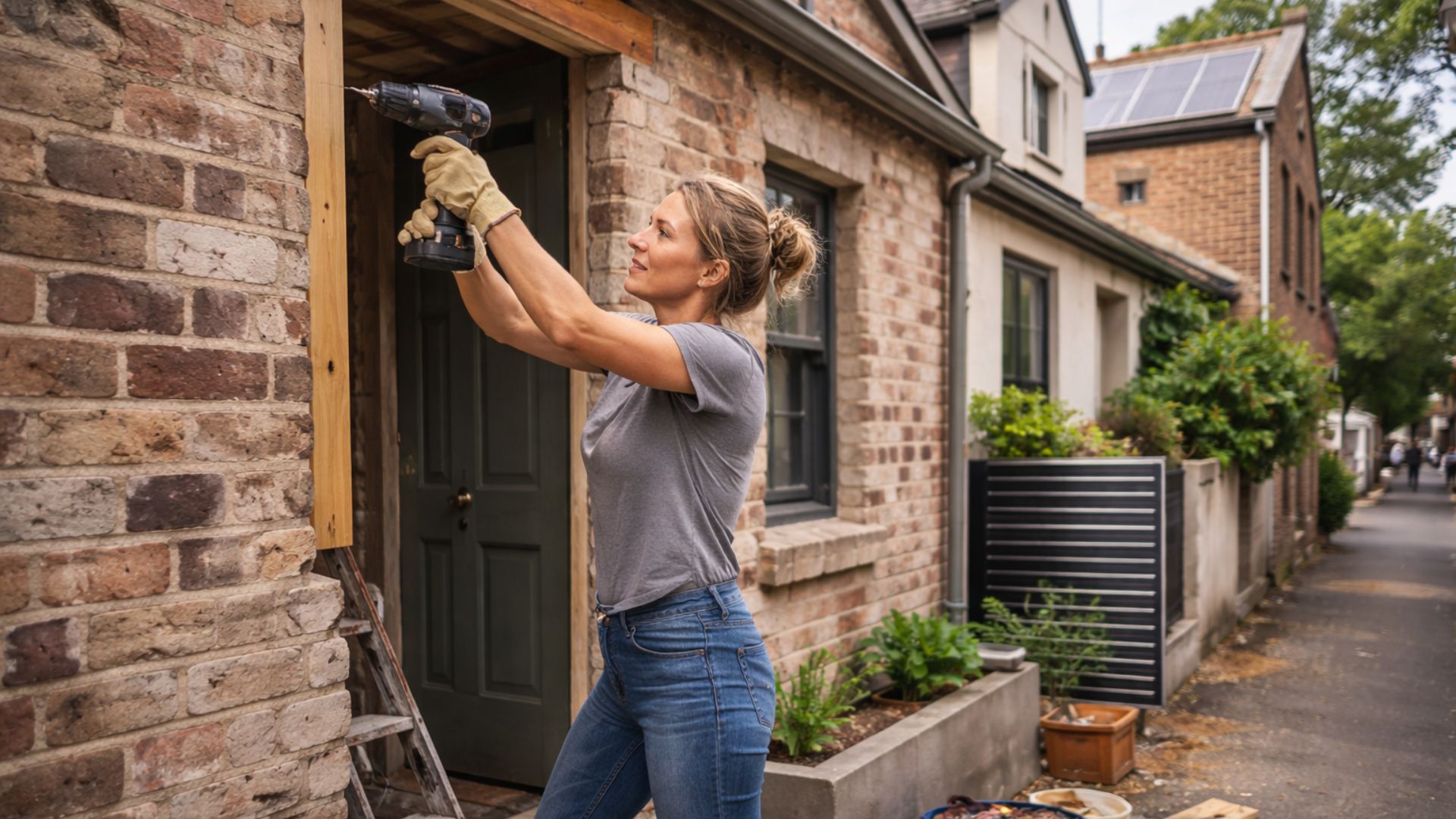
Urban Project in Sydney Transforms Small 19th Century Worker’s Cottage into Real Experiment in Residential Self-Sufficiency, Combining Rainwater Harvesting, Greywater Treatment, Solar Energy with Batteries, and an Incinerating Toilet on a Compact Lot in a Densely Packed Historic Neighborhood.
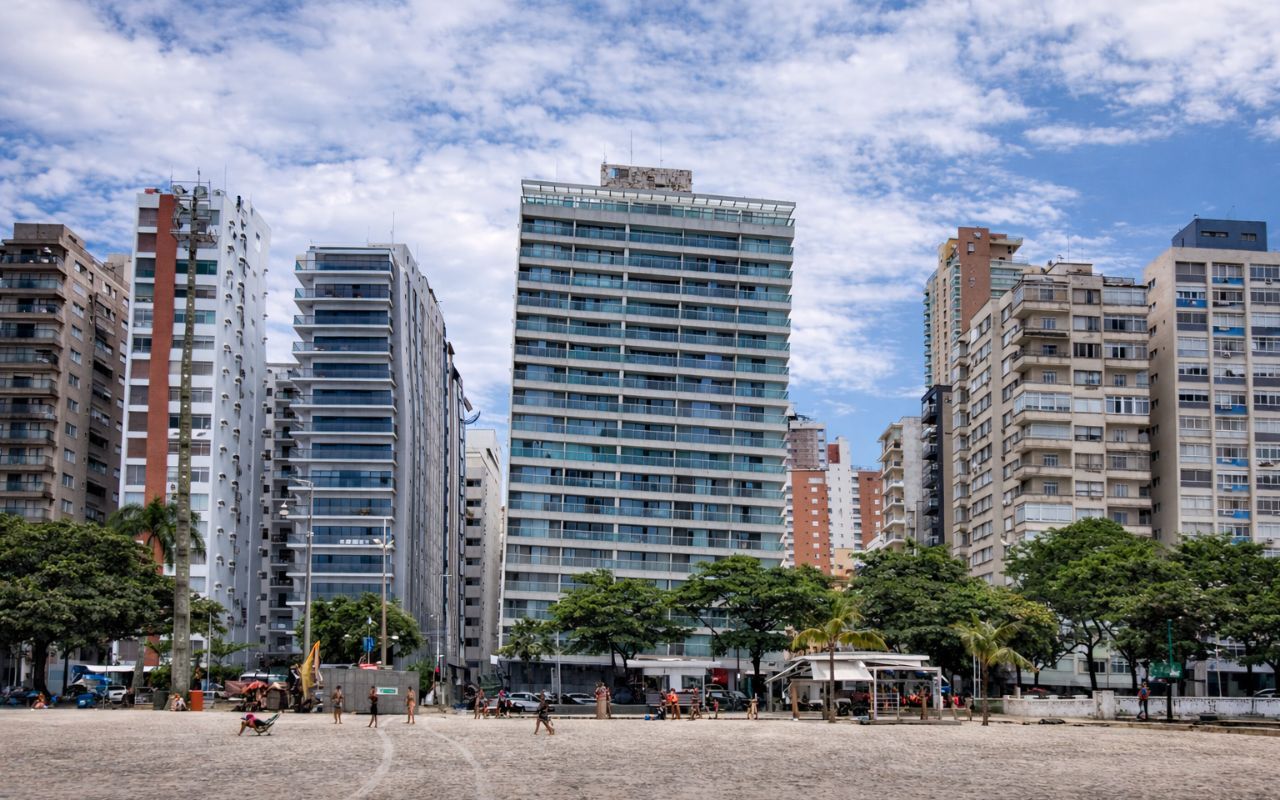
An old worker’s cottage from the late 19th century, in Newtown, a densely populated neighborhood in central Sydney, was renovated to operate with rainwater harvesting, greywater treatment, self-generated electricity, and an incinerating toilet disconnected from the sewage system.
Named The ImPossible House, the project was led by Laura Ryan in a semi-detached property of 104 square meters, aiming to show that solutions associated with rural areas can also be applied to small urban lots.
The initiative gained attention for tackling limitations that typically hinder profound changes in central properties, such as preservation rules, limited free space, and the need to adapt technical systems to a house already integrated into a consolidated urban fabric.
-
Scientists have finally discovered where the plastic that disappeared from the oceans went, and the answer is frightening: it fragmented into such tiny particles that they became invisible and now there are 27 million tons of nanoplastic just in the North Atlantic.

-
The Artemis II mission will take the Orion capsule back to the vicinity of the Moon with four astronauts, a private bathroom with a curtain, a system adapted for men and women, and a level of comfort that highlights how the Apollo era operated at the rawest limits of space exploration.
-
Giant structures on the seabed precisely control oil and reveal how high-tech underwater valves work.
-
China has just tested a giant drone the size of a fighter jet with a wingspan of 25 meters that carries 6 tons, flies for 12 hours, and the most frightening part: it can launch entire swarms of smaller drones directly from the air.

On the project’s website, Ryan states that the goal was always to create a practical reference for sustainable renovations in the inner city without sacrificing comfort, functionality, and contemporary design.
Renovation Preserved Historic Facade and Reorganized the Interior of the House
Instead of replacing the entire structure, the intervention preserved the original facade and the two street-facing bedrooms, meeting the heritage requirements of the historic conservation area.
The expansion reorganized the rear part of the house with new spaces, including an office, terrace, internal patio, and a kitchen integrated with the laundry, preserving the historical perspective of the property’s front while altering the logic of use inside.
The construction also relied on prefabricated construction to reduce waste and improve execution control on a narrow lot.
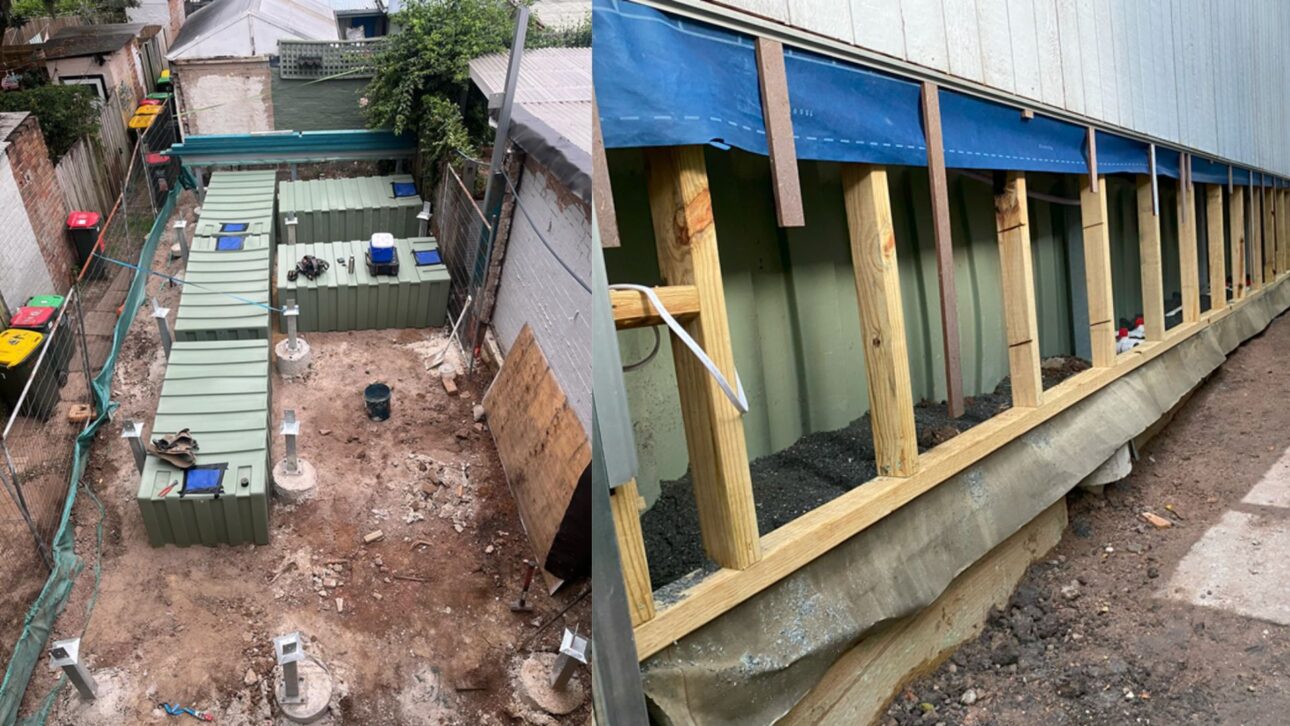
Domain reports that the expansion utilized a system from Assemble Systems, designed by Paul Adams, affiliated with Modus Architects, a solution adopted to make the construction more efficient and compatible with the physical restrictions of the site.
In addition to the structure, the reuse of materials became a visible hallmark of the house.
Doors, fences, cabinets, floors, bricks, sinks, basins, stairs, and other elements were restored or re-integrated into the renovation, a strategy that reduced the demand for new supplies while preserving part of the material memory of the property.
This reuse appears in the project as part of a broader logic of reducing environmental impact in an area that is already fully urbanized.
Rainwater Harvesting and Greywater Treatment System
The water front is one of the most sophisticated parts of the adaptation.
According to the project and ABC, the house received five tanks of 2,000 liters, totaling 10,000 liters for rainwater harvesting intended for potable supply.
Ryan reports that she even disconnected the use of water from the mains, keeping only the connection available, and recorded a zero consumption bill, with charges only for the connection.
In parallel, the property began operating with a greywater treatment system.
The described process involves collecting the effluent in an underground tank, pumping it to an Aqua Clarus M800sx treatment unit, and stages of biorreactor, membrane filtration, and UV sterilization.
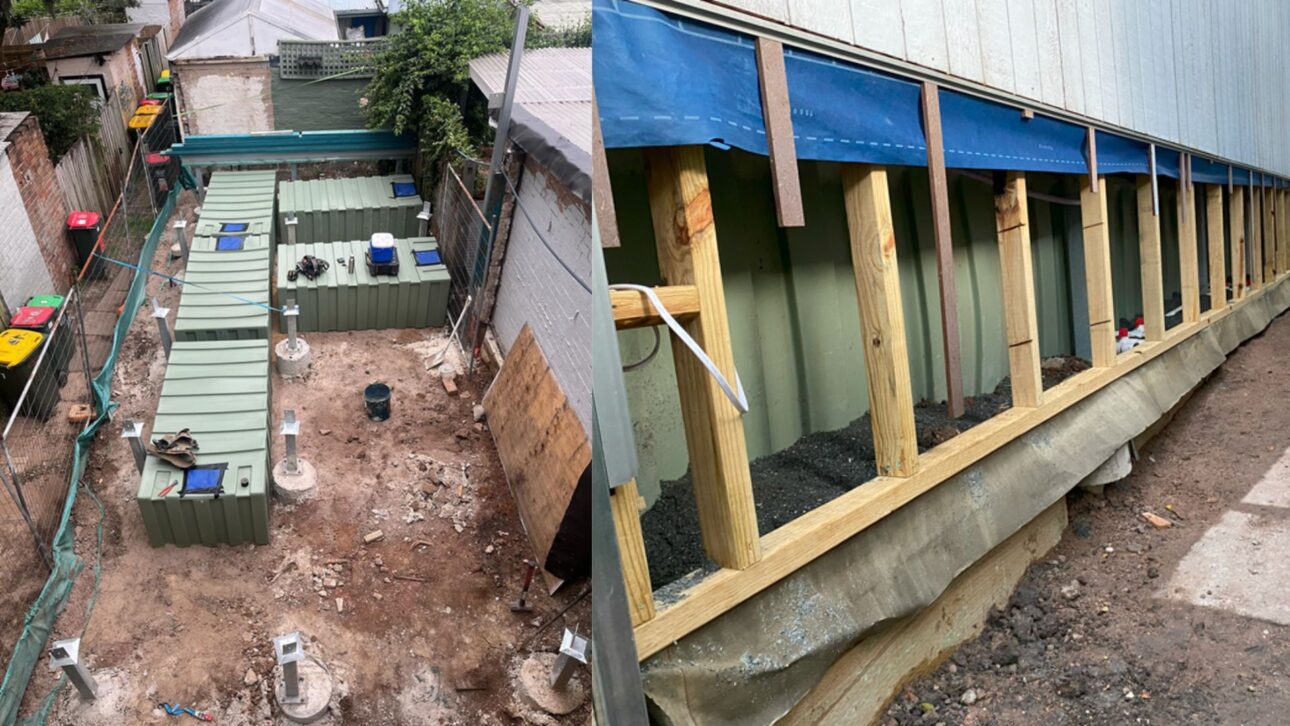
After this, the treated water can be stored or reused for household functions, such as the garden and the washing machine, within local regulatory requirements for this type of system.
Although the initial intention was to completely disconnect the house from the water supply and also the drainage system, the project’s own report indicates that the urban context imposed physical limits.
On days of heavy rain, the runoff volume exceeds the retention capacity of the lot, which shows that the quest for self-sufficiency in dense areas depends not only on technology but also on the land conditions and neighborhood infrastructure.
Incinerating Toilet Eliminates Connection to Sewage System
The decision to forgo the connection to the public sewage system led to another unusual choice in a consolidated urban house.
Instead of installing a toilet connected to the conventional system, Ryan opted for an incinerating toilet from the Cinderella line, after concluding that a composting toilet would require more free space and an absorption trench incompatible with the available land.
The device consumes between 0.8 and 1.5 kWh per incineration and produces about one cup of ash per week, according to the project.
This residue is not reused as fertilizer and must be disposed of in regular trash.
ABC also included the incinerating toilet among the central elements that allowed the residence to function without relying on the sewage system.
However, this choice brings technical trade-offs.
The project itself acknowledges that the use of this type of toilet increases the house’s electrical demand, which requires greater care with consumption in other appliances.
In a home that seeks to operate with self-generation, each infrastructure decision directly influences the others, from water to energy.
Solar Energy with Batteries Faces Heritage Restrictions
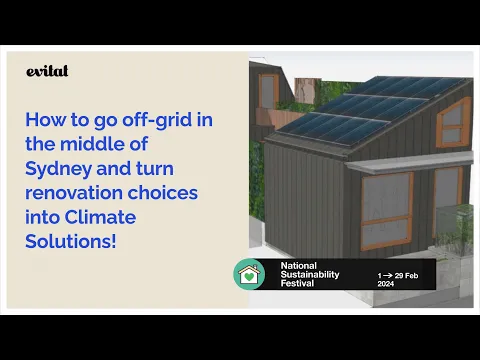

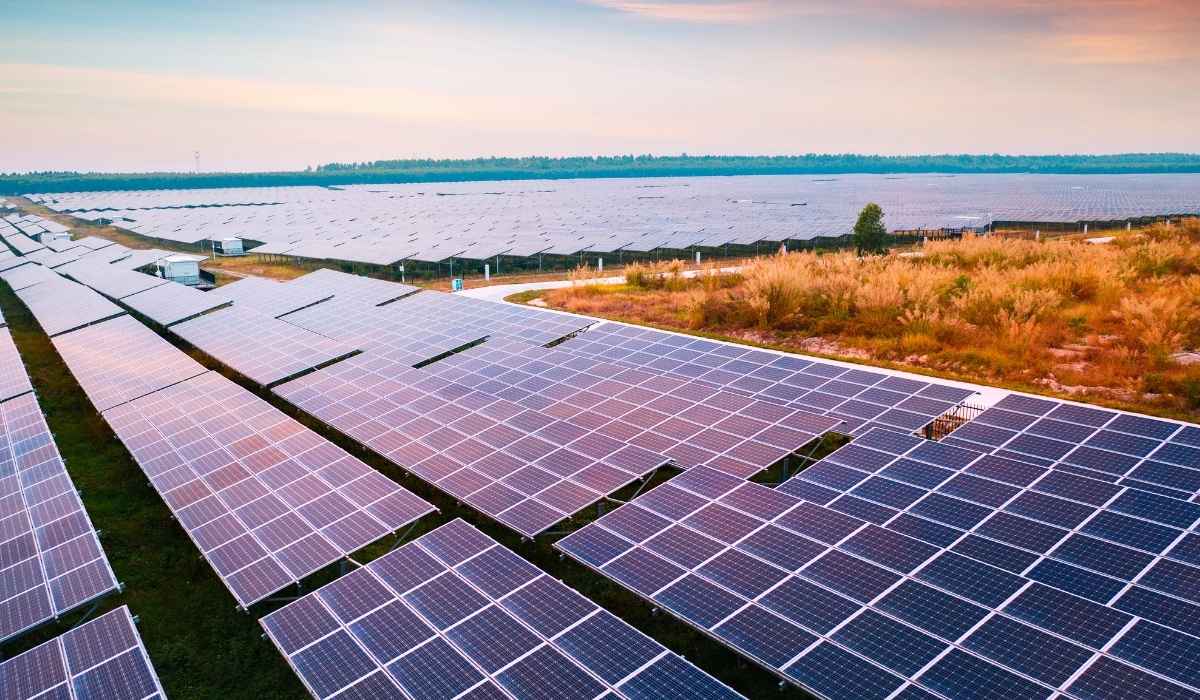
In terms of energy, the house was designed as a fully electrified residence, with no gas usage, relying on solar panels and battery storage.
The project describes the solution as a combination of solar energy with battery, with a system housing six LiFePO₄ PowerPlus batteries, as well as an inverter and control equipment.
The final step toward autonomy, however, was not completed due to a zoning restriction.
Since the property is in a heritage conservation area, Ryan did not obtain permission to install panels on the roof facing the street, precisely the area that would complete the necessary capacity to make the house fully independent in electricity supply.
A report published on December 18, 2024, by ABC stated that this was the main remaining obstacle to complete self-sufficiency.
In the same report, the mayor of the Inner West Council, Darcy Byrne, stated that the restrictions were under review and that the rules could be relaxed to facilitate the installation of street-facing solar panels in conservation zones.
As of the consulted material, there was no public confirmation of a final decision allowing installation on this specific property.
Project Took Years and Faced Dropouts by Specialists
The sequence of obstacles helps explain the name ImPossible House.
In a report by The Fifth Estate, Ryan stated that seven architects, 15 water specialists, 10 solar energy specialists, three sustainability consultants, two legal experts, and one project manager abandoned the work along the way.
The difficulty, according to reports gathered by the Australian press and the project website, was not just in designing an efficient house but in reconciling budget, legislation, technology, and construction on a small lot.
The journey began in 2016, and the completion of the house was announced by Ryan in 2024, after years of development and about a year of executive construction.
ABC also reported that the renovation exceeded the projected budget by 50,000 Australian dollars, highlighting the extra cost of pioneering solutions when they need to fit into unusual heritage and sanitary requirements in the urban environment.
More than just an aesthetic renovation, the Newtown case has established itself as a domestic experiment in urban adaptation.
The house maintains the historic facade but reorganizes daily life around rainwater harvesting, effluent reuse, electrification, energy storage, and reduced dependency on external networks, in a rare format for a compact property located in one of the city’s densest sections.





-

-

-

-

-

7 pessoas reagiram a isso.