





 Portuguese
  English
  Spanish
  3 min of reading


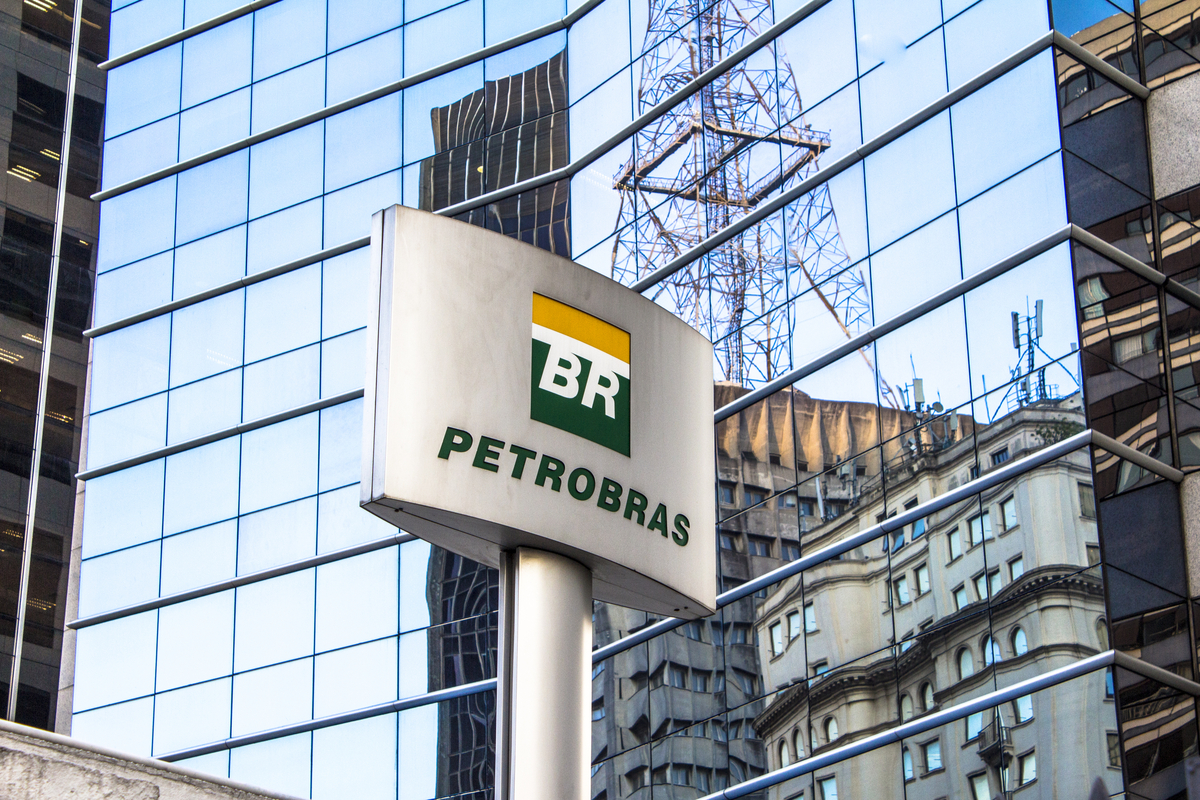
This Pricing Policy Is Based on the Variation of Oil Prices in the International Market, Which Often Results in Sharp Increases in Fuel Prices in the Domestic Market.
Recently, President Lula (PT) stated that the government will change the Petrobras pricing policy “at the right moment.” But what does this mean and how can it affect the Brazilian population? Let’s understand better.
Petrobras Pricing Policy
The Petrobras pricing policy is a common practice in oil and gas companies, and is based on the variation of prices practiced in the international market. Thus, when the price of oil rises in the international market, Petrobras adjusts the price of fuels in the domestic market, to maintain its profit margin and ensure the company remains competitive.
Changes in the Pricing Policy
In his recent statement, Lula stated that the government will change the Petrobras pricing policy “at the right moment.” This could mean that the government intends to alter the formula for calculating fuel prices, in order to reduce the volatility of prices in the domestic market.
-
Unemployment rises again to 5.8% at the beginning of 2026, raising alarms about the end of temporary positions and its impact on the Brazilian job market.

-
Document organization can cut invisible costs in small businesses, a simple step that prevents waste, rework, and losses in daily operations.

-
Chinese giant worth nearly R$ 4 billion that manufactures cables for electric cars, solar energy, and robotics wants to open a factory in SC.

-
Many employers do not know, but the law guarantees domestic workers a 25% increase in salary during trips, 50% for overtime, 20% for night shifts, and 17 additional benefits that can lead to labor lawsuits if not paid.


According to Lula, he mentioned that it was necessary to “Brazilianize” the price of gasoline and diesel fuel. This means that the government may try to keep fuel prices more stable, even in the face of variations in the international market.
Disagreements Between the Government and Petrobras
The announcement by Lula generated controversy and disagreements between the Ministry of Mines and Energy and Petrobras. Minister Alexandre Silveira stated that the oil company would change prices, while Petrobras denied the information in an official statement to the press.
Lula stated at a breakfast meeting with journalists that the Petrobras pricing policy will be discussed by the government when the President of the Republic calls the government to discuss pricing policy. The president ended up overriding Minister Silveira, saying that “as long as the president does not call to discuss the price change, we will not change what is working today.”
Possible Changes in Fuel Prices
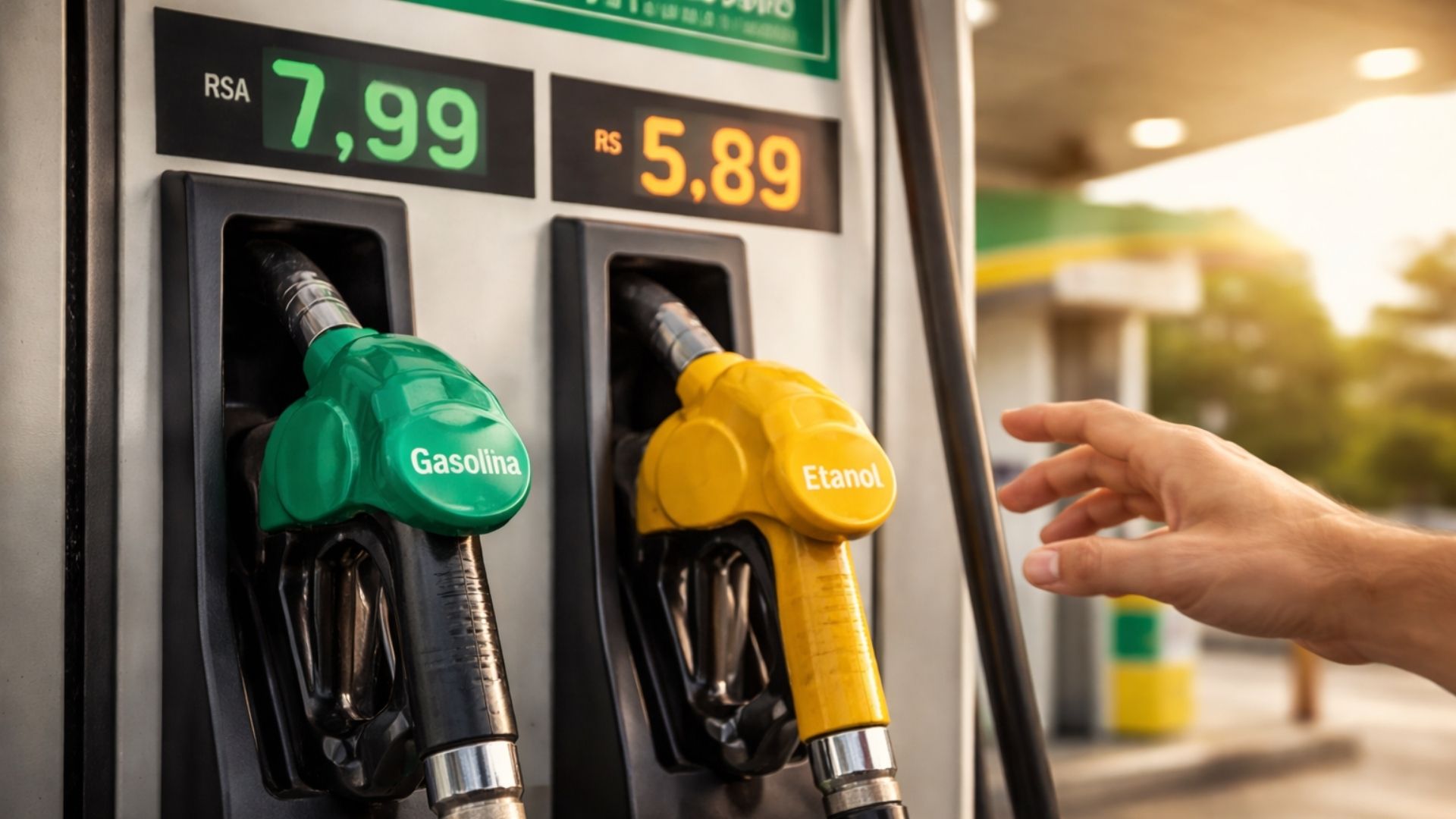
If the government decides to change the Petrobras pricing policy, it is possible that there will be changes in the rates charged by fuel stations. This can be positive for consumers, as fuel prices would become more stable and predictable.
However, it is also possible that this change may result in an increase in fuel prices, if Petrobras decides to increase its profit margin to offset the losses caused by the change in the calculation formula.
Lula’s statement about a possible change in Petrobras pricing policy generated controversy and disagreements between the government and the oil company. However, it is important to remember that the change has not yet been established and that the subject will be discussed by the government at an opportune moment. It is essential that any changes be made thoughtfully and planned, in order to ensure a fair and balanced pricing policy for all parties involved.









Seja o primeiro a reagir!