Portuguese
  Spanish


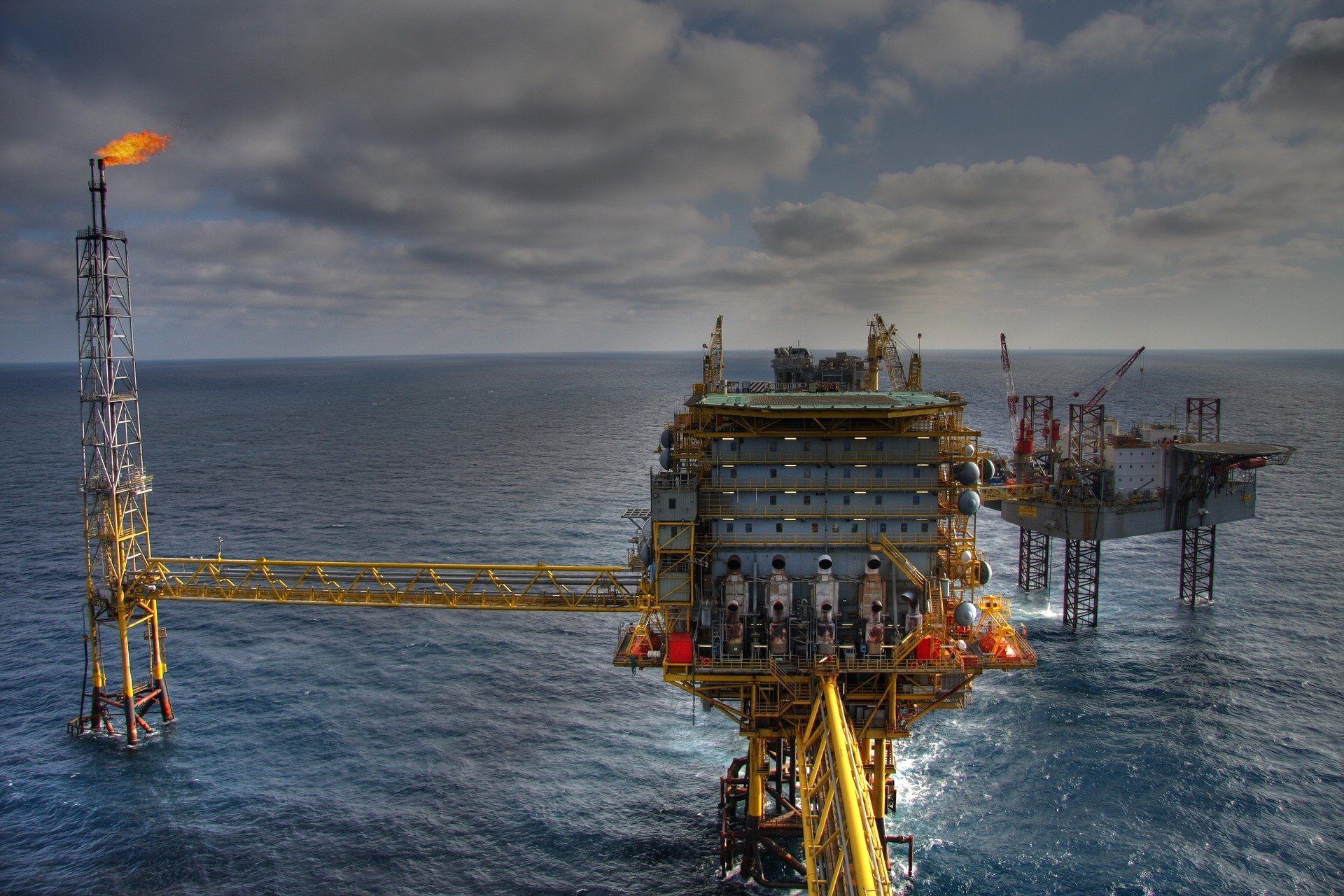

The recent decision by OPEC+ to reduce oil production may directly affect Petrobras and its gasoline and diesel prices. Let’s analyze the possible impacts and how the company’s new board can deal with this situation.
OPEC+ Production Cut and Increase in International Prices
OPEC+, a cartel of major oil exporters, surprised the market by announcing production cuts. As a result, Brent crude oil prices, one of the indicators used by Petrobras to set prices, jumped more than 5 dollars a barrel, closing with gains exceeding 6%. Experts believe that this decision could raise oil prices to 100 dollars a barrel, tightening the market and refinery margins.
Challenges for Petrobras’ Pricing Policy
With rising oil prices, Petrobras’ pricing policy, currently based on the PPI (import parity price), may be tested. Petrobras’ president, Jean Paul Prates, advocates changing the policy to consider not only the PPI but also the international market, since Brazil is not self-sufficient in fuels and relies on imports.
-
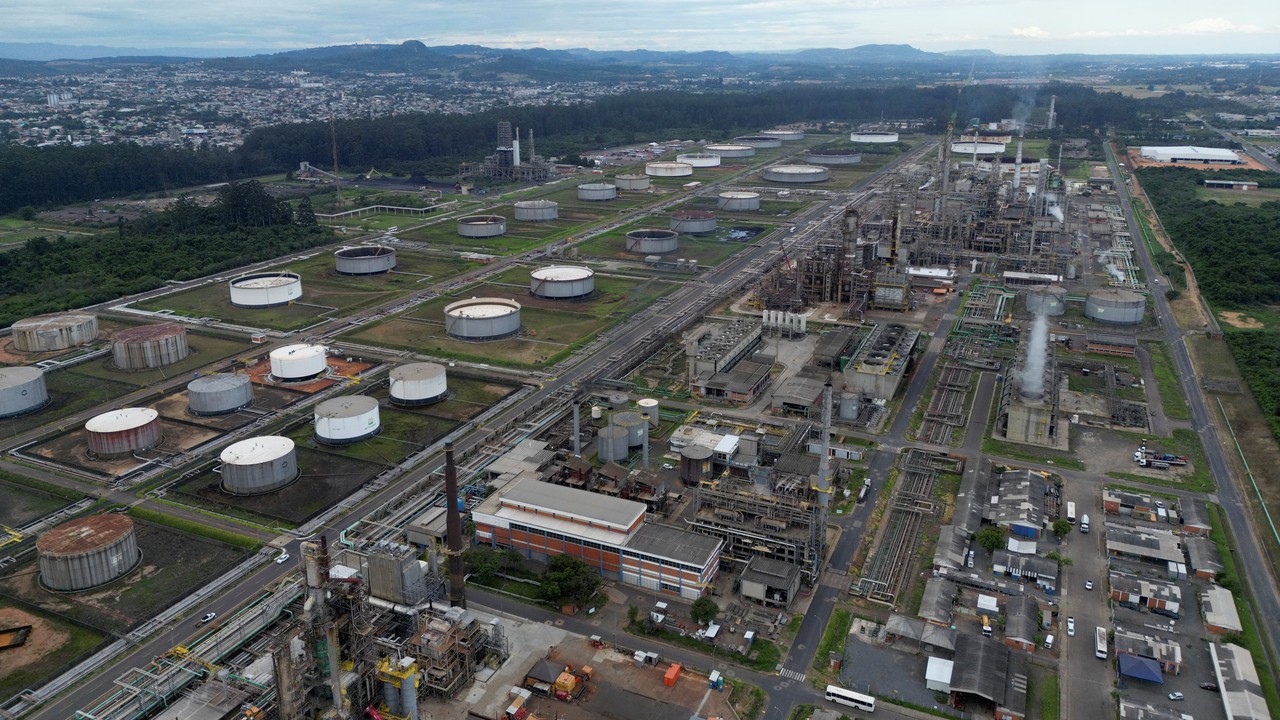
With a record production of nearly 3 million barrels per day, Petrobras resumes importing diesel in July, highlighting the bottleneck in Brazilian refining.

-
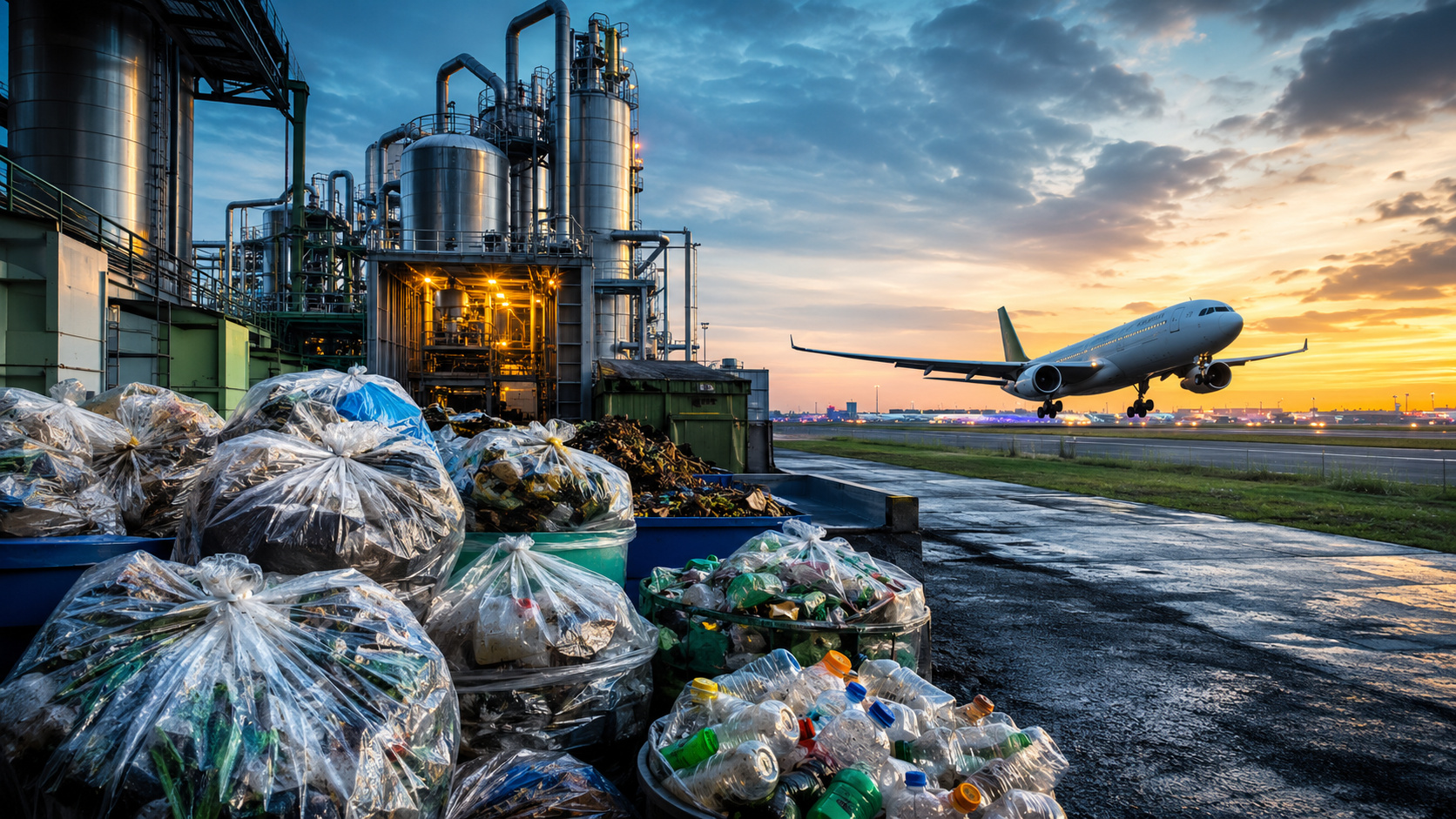
Qantas and Airbus Invest in Company Aiming to Convert Unsorted Household Trash into Jet Fuel

-
Brazil’s ANP Opens 86 New Oil Blocks in the Equatorial Margin, Expanding the Amazon River Mouth Frontier

-
OPEC+ Boosts Oil Supply by 188,000 Barrels per Day in July 2026, Leading to Price Drop from $112 to $89 per Barrel in Under Two Months
The new board of Petrobras, sworn in last week, will face the difficult task of adjusting gasoline and diesel prices in a higher oil price scenario. The board of directors, which is expected to be changed at the end of April, may also bring more radical changes to the commercial policy, depending on the interests of the new government.
Impact on Gasoline and Diesel Prices
According to calculations from CBIE, Petrobras’ gasoline was 9.31% below the external market at Friday’s closing, while diesel was 4.34% above. Consulting firm StoneX calculated that, despite the price surge, there would be room for Petrobras to reduce diesel prices by 4.9%, while gasoline was at parity.
However, the OPEC+ production cut may pressure Petrobras to increase its prices. The Association of Fuel Importers (Abicom) estimated that at Friday’s closing, Petrobras’ diesel was 2% above the import parity, while gasoline was 4% below the parity.
Conclusion
The OPEC+ decision to cut oil production poses significant challenges for Petrobras and its pricing policy. The new board and the company’s board of directors will have to face a scenario of higher oil prices and seek solutions to maintain the company’s competitiveness and ensure the stability of gasoline and diesel prices in Brazil. Monitoring the international market and finding alternatives to reduce dependency on the PPI are measures that may be considered in this process.