






 Portuguese
  Spanish


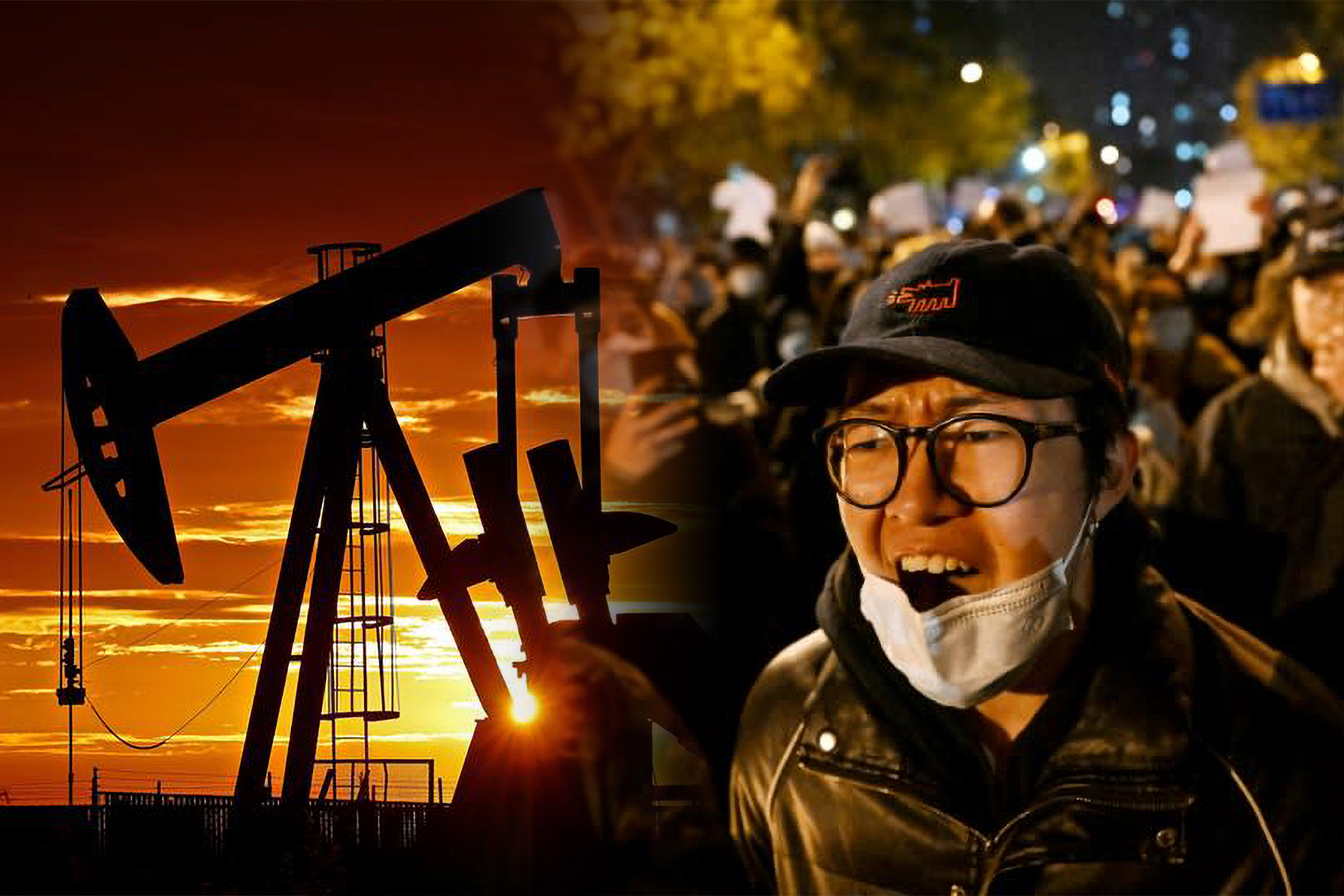

Oil Prices Fall After Thousands of Chinese Citizens Hit the Streets to Protest Against Tightening Restrictions
The price of oil futures fell more than 3% this morning (Monday, February 28), in foreign exchanges. The pressure adds to fears about demand stemming from protests against the Chinese government’s policy. President Xi Jinping intends to implement a zero-tolerance approach to Covid-19.
While most of the rest of the world has relaxed restrictions, President Xi Jinping has assured that China will continue to adhere to its “zero Covid-19 policy”.
An additional day of protests resulted in protesters and police clashing in Shanghai on Sunday night, according to state media reports.
-
With a record production of nearly 3 million barrels per day, Petrobras resumes importing diesel in July, highlighting the bottleneck in Brazilian refining.

-
Qantas and Airbus Invest in Company Aiming to Convert Unsorted Household Trash into Jet Fuel

-
Brazil’s ANP Opens 86 New Oil Blocks in the Equatorial Margin, Expanding the Amazon River Mouth Frontier

-
OPEC+ Boosts Oil Supply by 188,000 Barrels per Day in July 2026, Leading to Price Drop from $112 to $89 per Barrel in Under Two Months
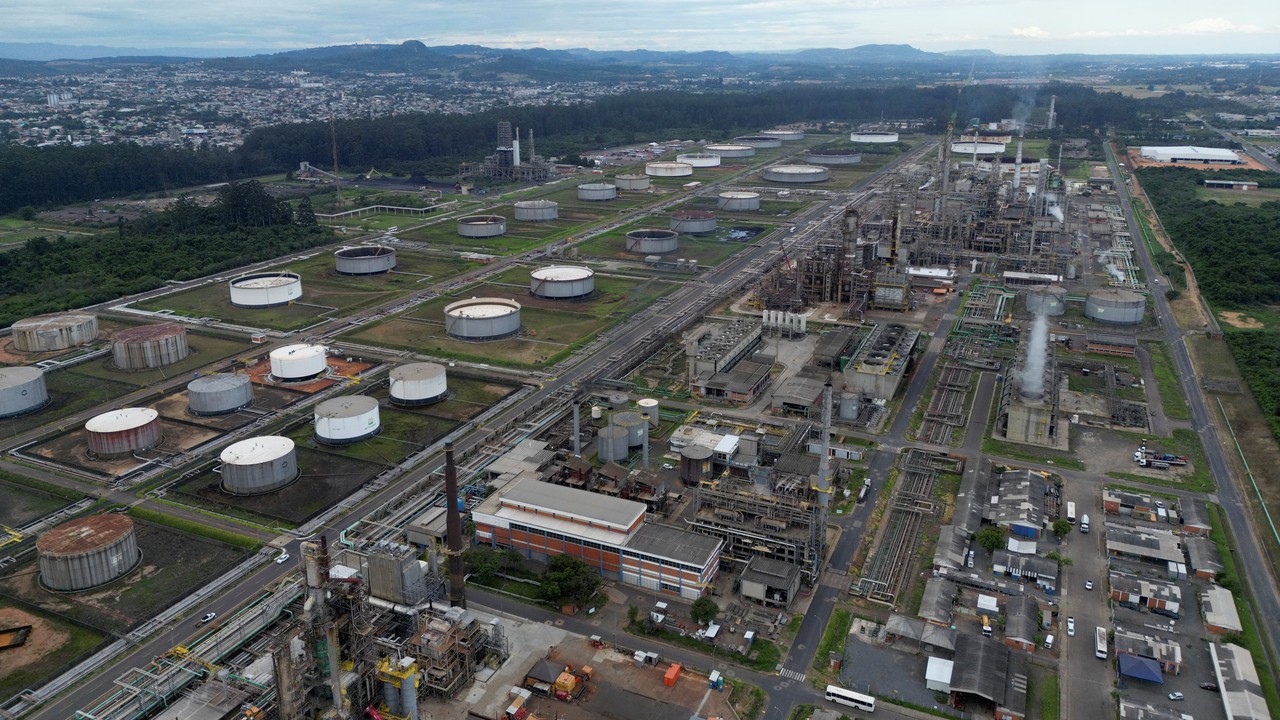



A meeting of the Organization of the Petroleum Exporting Countries and Allies (OPEC+) is scheduled for December 4, and the market may still be anticipating the outcome of this meeting.
In the last meeting, which took place in October, the group reached an agreement to reduce its production target by 2 million barrels per day until 2023.
At around 8:21 AM (Brasilia time), the price of WTI crude was trading down 2.78% at $74.16. Earlier, the price of oil fell to its lowest level since January 4, trading down more than 3%.
During the same period, Brent crude saw a decline of 2.86%, resulting in a price of $81.32 per barrel. It hit its lowest level since December 22, 2021.
Chinese Citizens Hit the Streets Against the Tightening Restrictions Imposed by the Government and the Movement Makes Oil Prices Fall
To express their disapproval of the limits imposed by the government, thousands of Chinese citizens took to the streets carrying blank sheets of paper. The tactic is an effort to show dissatisfaction while avoiding breaking the law in the process.
By holding this protest, the Chinese people are reiterating the symbolism of the blank papers that were used in Hong Kong during the protests against the national security legislation implemented in 2020.
The order, enforced by Beijing, introduced a set of sanctions aimed at controlling public demonstrations of dissent against the Communist Party government in the former British territory. These protests occurred in Hong Kong at the time.
The instability occurring in China may complicate the restart of the local economy. Combined with the interest rate hikes implemented by the Federal Reserve, this has led investors to anticipate further weakening in the country’s economy.









