






 Portuguese


Embraer Closed the Second Quarter of 2026 with a Backlog of $34.5 Billion, Revenue of R$11.3 Billion, and Adjusted Net Income of R$1.1 Billion, While Preparing to Expand to Produce Between 110 and 120 Commercial Aircraft and Over 200 Executive Jets Per Year by 2030.
Embraer ended the second quarter of 2026 with the largest order backlog in its history, valued at $34.5 billion, encompassing aircraft that have already been contracted but not yet delivered. Between April and June, the Brazilian manufacturer also reported revenue of R$11.3 billion, adjusted net income of R$1.1 billion, and delivered 65 aircraft, while assessing plans to significantly expand its production capacity in the upcoming years.
This information was published by ND Mais on August 10, 2026, in a report about the recent results of the manufacturer and the plans presented to meet accumulated demand. The quarter’s performance combines a growing order backlog, increased revenue and profit, a faster delivery pace, and a production outlook that may lead the company to manufacture up to 120 commercial aircraft and over 200 executive jets per year by 2030.
Embraer Achieved a Record Backlog of $34.5 Billion
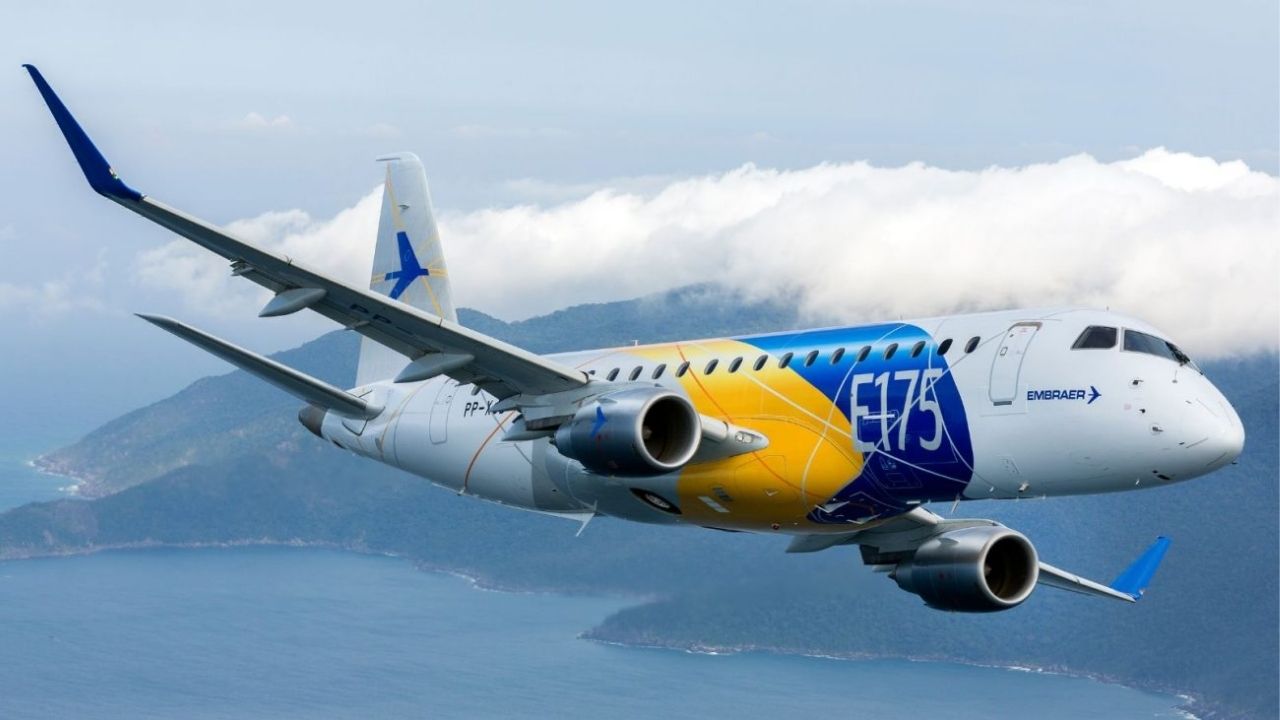
Embraer’s backlog reached $34.5 billion at the end of the second quarter of 2026, marking the highest value ever recorded by the company. This backlog includes contracts and orders for aircraft that have been negotiated but whose deliveries will still take place over the coming periods.
-
Brazil’s Richest Man Negotiates Purchase of 30% Stake in Liverpool Alongside Jeff Bezos and Facebook Co-founder Eduardo Saverin Joins Consortium Valuing the English Club at About R$30 Billion in One of Football’s Largest Deals

-
While Heavily Investing in Brazil and Opening a R$2.5 Billion Factory, Nestlé Cuts 16,000 Jobs, Closes 2 Factories in Europe, and Halts KitKat Production at Historic Unit
-
Catupiry Signs Agreement to Acquire Brazilian Operations of Leprino Foods, the World’s Largest Mozzarella Manufacturer, Incorporating a Plant in Paraná and Milk Collection Points While Preparing to Expand Its Portfolio of Over 130 Products, Targeting Increased Presence in Food Service and National Distribution

-
Over 2 Million Workers Can Still Claim Salary Bonus of Up to R$1,621; R$69.3 Million Remains Available at Caixa Until December 30, 2026


Compared to the second quarter of 2025, this value increased 16%, maintaining a growth trajectory that has lasted for seven consecutive quarters. This data indicates that the manufacturer enters the coming years with a substantial amount of contracted business, although each order has its own schedule, model, and customer.
Order Backlog Does Not Indicate a Single Queue of Customers
The backlog does not function like a conventional queue where all buyers await the same product. It comprises contracts from different areas of the company, with commercial aircraft, executive jets, and other businesses spread across distinct timelines.
Therefore, the $34.5 billion represents commercial commitments yet to be fulfilled, rather than aircraft waiting for physical delivery. The size of this backlog helps explain why production capacity has taken center stage in the manufacturer’s plans.
Revenue Reached R$11.3 Billion in Just Three Months
From April to June 2026, Embraer recorded R$ 11.3 billion in revenue, a result that is 10% higher than the same period in 2025. According to the source, this was the highest revenue the company has ever recorded for a second quarter.
The numbers indicate that the growth in backlog was accompanied by an increase in operations effectively recognized during the period. The manufacturer not only accumulated new future commitments but also expanded the financial volume generated by activities carried out during the quarter.
Adjusted net income reached R$ 1.1 billion

Adjusted net income was R$ 1.1 billion, an increase of approximately 25% year-over-year. This increase occurred simultaneously with higher revenue and an uptick in aircraft deliveries.
Adjusted EBITDA, an indicator that measures results before interest, taxes, depreciation, and amortization, reached R$ 1.8 billion, a 30% increase. This set of numbers indicates an operational improvement in various business metrics during the second quarter.
Deliveries had their best second quarter in 16 years
The manufacturer delivered 65 aircraft between April and June, marking the best performance for a second quarter in 16 years. The pace of deliveries is particularly significant because converting orders into delivered aircraft is a crucial step in turning the backlog into revenue.
In the first half of 2026, 109 aircraft were delivered, a number 20% higher than recorded in the same period of the previous year. This increase shows that Embraer is already ramping up production ahead of its planned expansion for the coming years.
Production capacity is set to grow by 2030
The size of the orders backlog has led the company to project an expansion of its industrial capacity. According to the source, the expectation is to produce between 110 and 120 commercial aircraft per year by 2030.
In Executive Aviation, the goal is to exceed 200 jets annually. This means that Embraer intends to sustain a considerably higher production volume to meet demand and avoid allowing factory capacity to become a barrier to growth.
Company does not see production as a limit to growth
During the results presentation, the company’s management indicated that they do not view production capacity as a barrier to future expansion. The industrial planning aims to create conditions to respond to the increasing volume of orders.
This strategy becomes especially important in light of a record backlog. The greater the number of ordered aircraft, the higher the need to organize suppliers, assembly lines, teams, components, and logistics to meet the anticipated schedules.
Commercial jets should reach up to 120 units annually
The target for commercial aviation aims for an annual production of between 110 and 120 aircraft by 2030. The sector primarily works with models designed for operations of up to approximately 150 passengers.
Among the products mentioned by the company are the members of the E2 family, specifically aimed at regional routes and connecting smaller cities. The increase in commercial production will be one of the main focuses to transform part of the current backlog into deliveries in the coming years.
More than 200 executive jets per year are also part of the plans

The expansion will not be limited to aircraft intended for airlines. The manufacturer also expects to produce more than 200 executive jets per year by the end of the decade.
The segment has already shown significant growth in the second quarter. Executive Aviation revenue reached R$ 3.7 billion, an increase of 19% compared to the same period in 2025, reinforcing the importance of this area within the overall results.
Commercial Aviation generated R$ 3.2 billion in the quarter
Commercial Aviation reported R$ 3.2 billion in revenue between April and June. Even with the emphasis on the growth of executive jets, the commercial segment remains one of the main focus areas for the Brazilian manufacturer.
The performance of this division needs to be viewed in conjunction with the large number of contracted commercial aircraft. The planned expansion of production lines aims to increase the capacity to meet orders without turning the backlog into an operational bottleneck.
After the performance in the second quarter, Embraer raised its projection for adjusted EBIT margin in 2026. The estimate increased to a range between 10% and 10.6%, up from the previous forecast of 8.7% to 9.3%.
The company also doubled its projected adjusted free cash flow excluding Eve. The expectation rose from US$ 200 million or more to US$ 400 million or more, indicating a more favorable financial outlook following the reported results.
Revenue and delivery forecasts were maintained
Despite the revisions in margin and cash generation, the company maintained its annual revenue expectation between US$ 8.2 billion and US$ 8.5 billion.
Projections for deliveries in 2026 also remained unchanged: between 80 and 85 commercial aircraft and 160 to 170 executive jets. These figures indicate that the expansion towards 2030 represents a medium-term move rather than an immediate change in annual capacity.
Eve also features in the group’s plans
Eve, the air mobility company controlled by Embraer, is part of the future outlook presented by the company. The expectation is that the first eVTOLs will enter operation by the end of 2028.
Production of the vehicles is planned for Taubaté, in the interior of São Paulo. According to the information presented, Eve has approximately 3,000 letters of intent to purchase and several firm orders, adding another potential demand front linked to the group.
Record backlog creates challenge of turning orders into deliveries
Having US$ 34.5 billion in orders represents a significant commercial position, but it also creates an operational obligation: to manufacture and deliver aircraft within the deadlines negotiated with clients.
To achieve this, Embraer will need to combine increased capacity with the availability of components, suppliers, labor, and industrial efficiency. The planned expansion towards 2030 aims to prepare the structure for a portfolio that has been growing for seven consecutive quarters.
Embraer enters a new phase with higher production on the horizon
With R$ 11.3 billion in quarterly revenue, R$ 1.1 billion in adjusted net income, and a record portfolio of US$ 34.5 billion, Embraer enters the second half of 2026 with indicators signaling strong activity both currently and for the coming years.
The next challenge will be to convert this contracted demand into delivered aircraft while expanding its capacity to up to 120 commercial aircraft and over 200 executive jets per year by 2030. What stands out more to you: the size of the order backlog, the quarterly profit, or the planned production scale for the end of the decade? Leave your opinion in the comments.


