





 Portuguese
  English
  Spanish
  5 min of reading
  0 comments


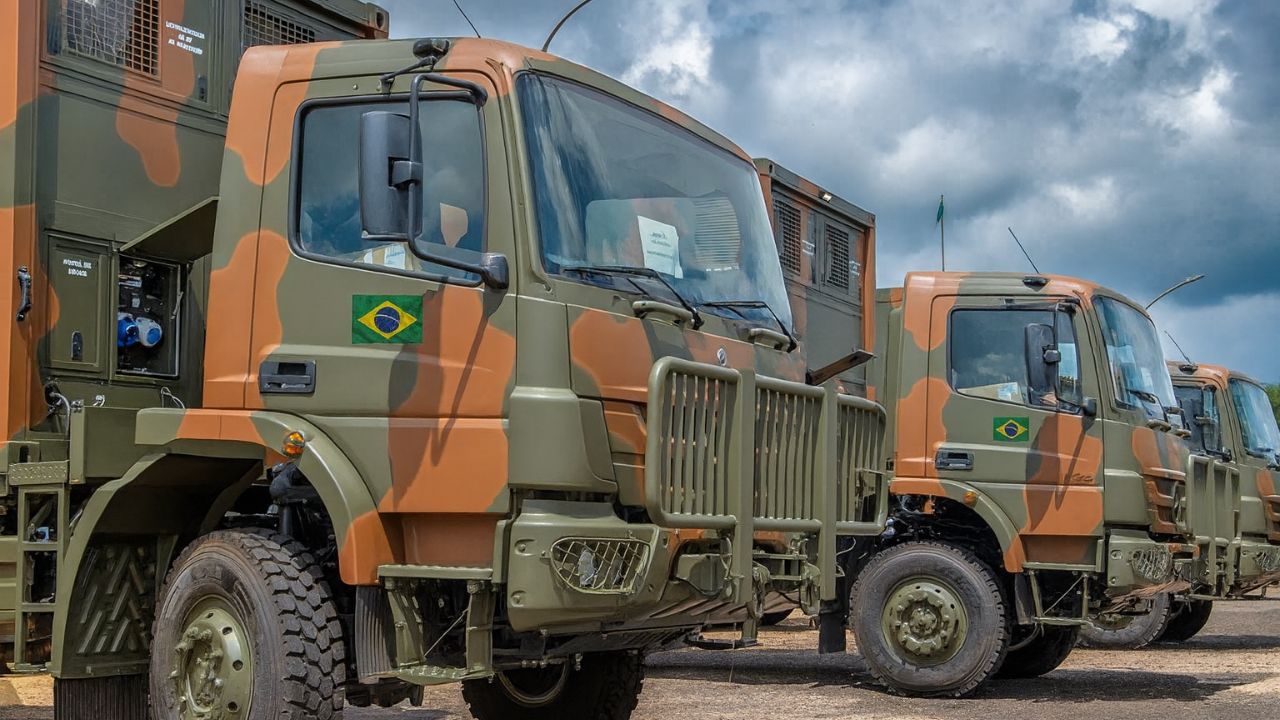
Embraer Delivers New Mobile CC2 Centers to the Army, Integrates SISFRON in Real Time and Brings Advanced Command to the Heart of the Crime Routes on the Western Border
The Embraer delivers new mobile centers at a decisive moment for border security in Brazil. The first four CC2 vehicles, new command and control centers of SISFRON, arrive at the Army as digital headquarters on wheels, prepared to operate in remote areas, with challenging terrain and a constant presence of smuggling, international trafficking, and environmental crimes.
More than just simple 6×6 trucks, the Embraer delivers new mobile centers that connect sensors, troops, radars, and commands in a single digital network.
Inside each CC2, the Army installs workstations, servers, encrypted links, and near-real-time decision support systems, raising the technological standard of ground operations and inaugurating a new phase of advanced command on the frontline.
-
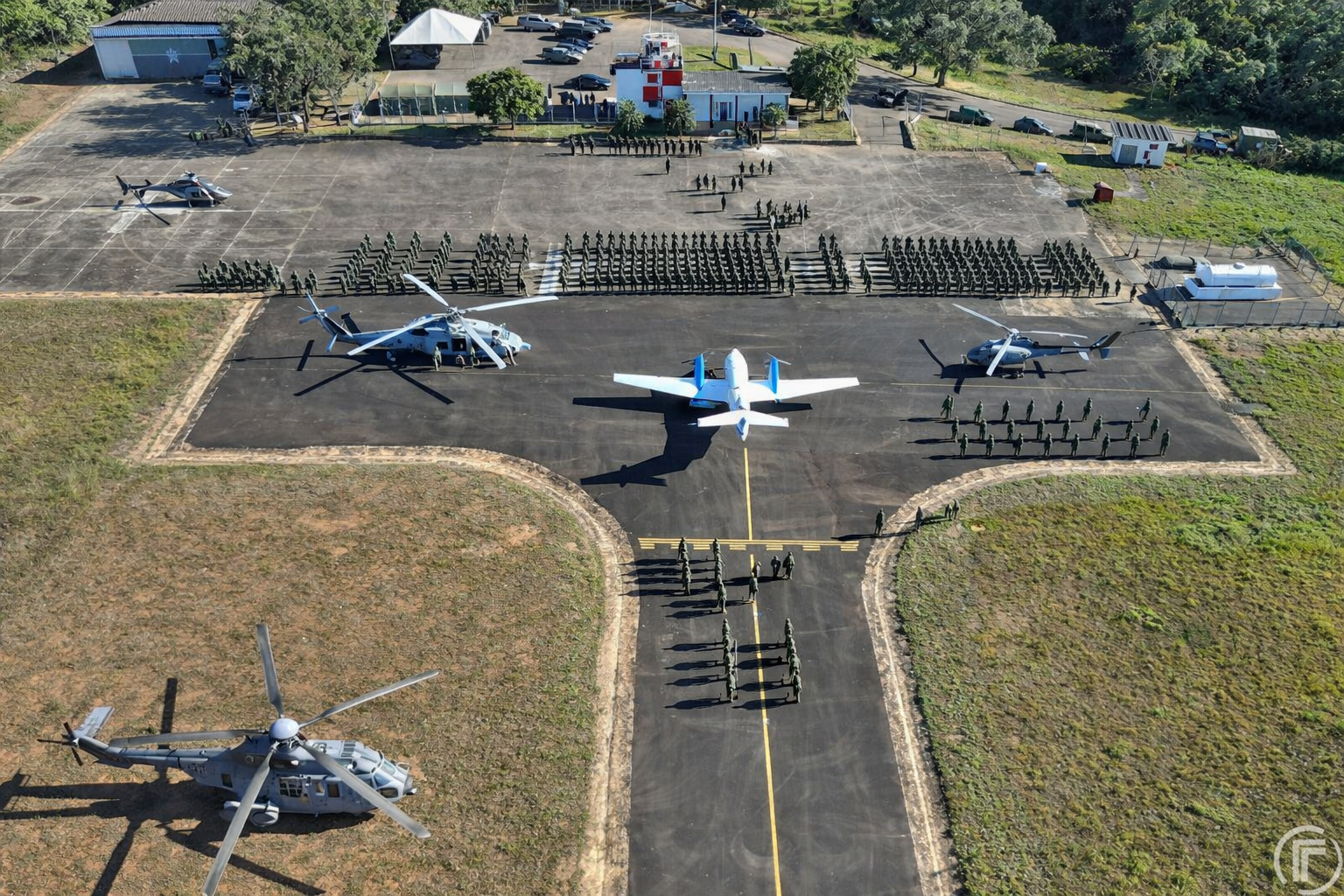
Furnas Airport is handed over to the Navy and becomes a strategic base with complete military operations, attack drones, and international mobilization at Furnas Lake.
-
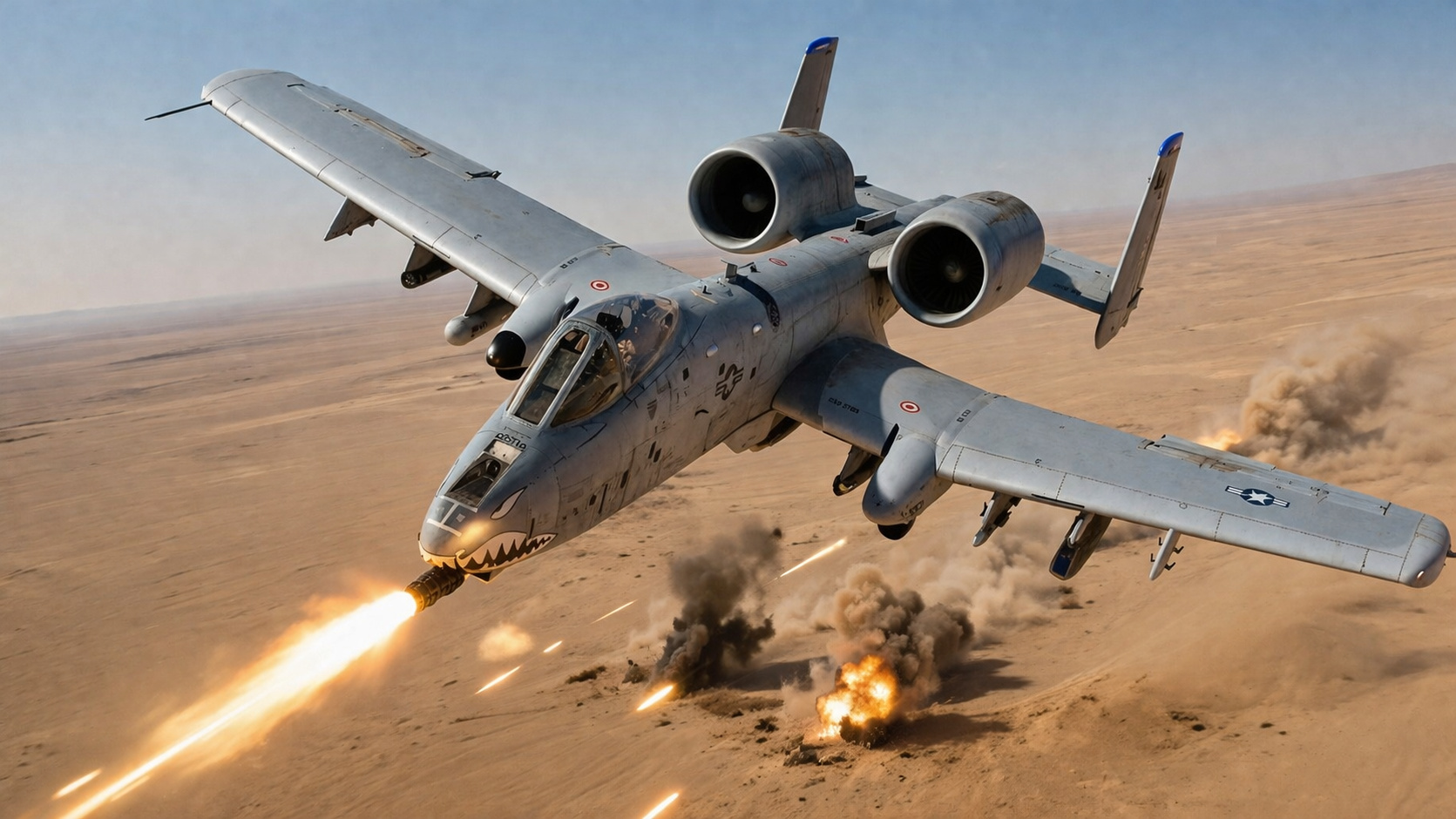
Few people know, but “mega burst” attacks from the A-10 in the Middle East are intriguing analysts and even experienced former pilots of the U.S. Air Force.
-
Manufactured in Brazil and exported to Saudi Arabia and Malaysia, the ASTROS system is renamed as Fogos in 2026, gaining AI, cruise missiles with a range of 300 km, and air defense costing R$ 3.4 billion, transforming a launcher from the 1980s into the most ambitious multidomain platform in Latin America.
-
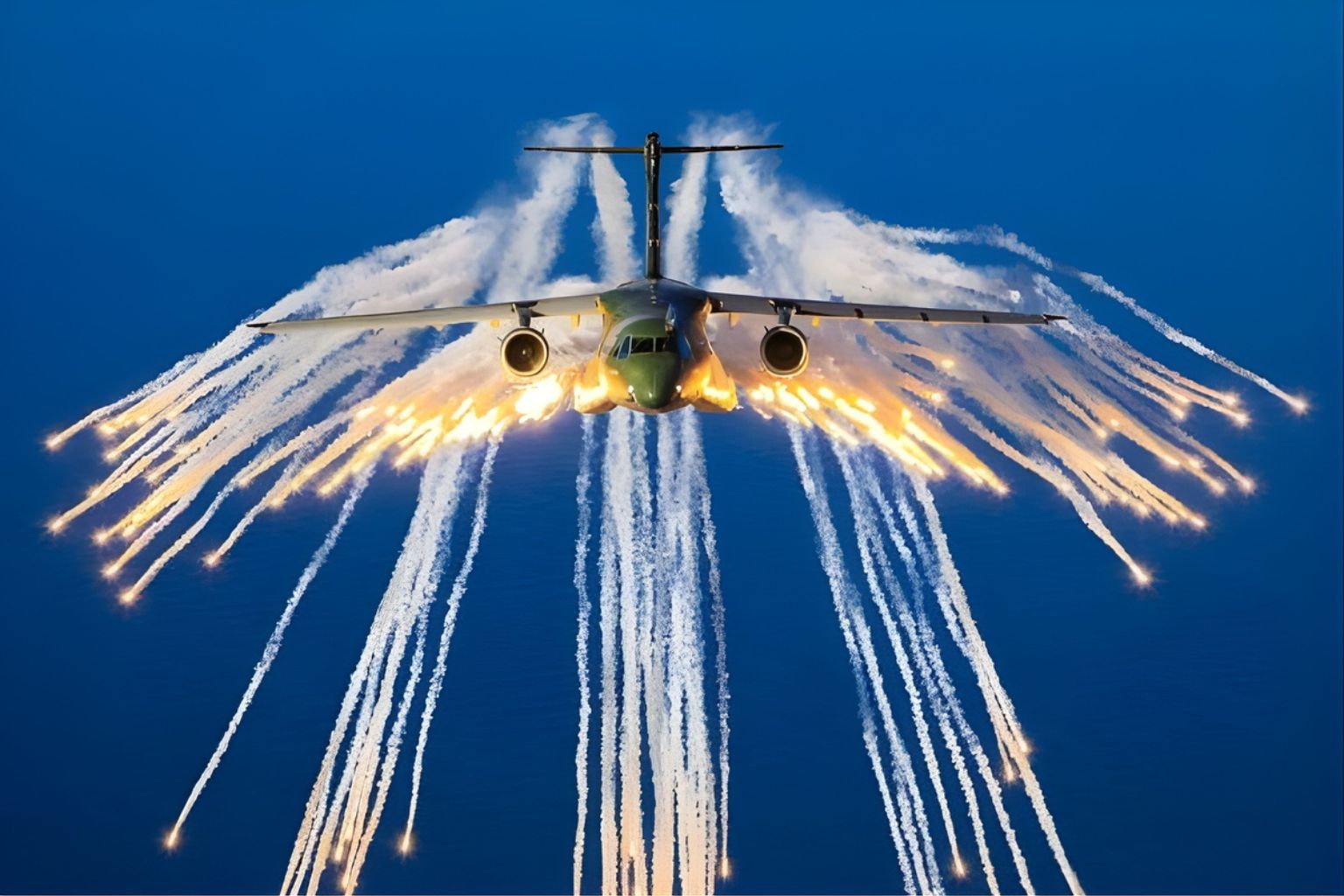
The largest military aircraft ever produced in Brazil, the KC-390 Millennium can carry up to 26 tons, refuel fighter jets in flight, and has already been exported to Europe and Asia, placing the country in the select group that designs and sells large military aircraft worldwide.

CC2: Trucks That Become Digital Headquarters
At first glance, the CC2 vehicles seem like just robust military trucks. But when the doors open, it becomes clear that the Embraer delivers new mobile centers designed as the tactical brain for complex operations.
Inside the vehicle, there is a complete command and control architecture, with stations for officers, dedicated servers, segregated internal networks, multi-band radios, large screens, encrypted video conferencing systems, and protected data links.
The objective is simple and strategic. The field commander now has, within a single vehicle, a command infrastructure comparable to that of a fixed center, only positioned much closer to the critical area.
Instead of relying only on fragmented radio messages, the decision-making process is based on maps, images, and data integrated in near-real-time, which reduces errors, shortens response time, and increases troop safety.
SISFRON in Practice: Sensors, Data, and Quick Reaction


Within the SISFRON architecture, the Embraer delivers new mobile centers that serve as the command hub for the borders.
The CC2 vehicles receive, process, and redistribute information coming from ground surveillance radars, optical and thermal cameras, fixed sensors distributed along the border, motorized and river patrols, and even aircraft supporting the operation.
All this converges into a single point of analysis. The result is a unified view of the terrain, where each troop and each sensor operate on the same tactical picture.
Thus, the system is able to identify movement patterns, clandestine routes, suspicious vessels, and movements of criminal organizations crossing more than one country.
Instead of reacting slowly, based only on suspicions, the Army now acts with enhanced situational awareness, coordinating roadblocks used for trafficking, actions in border rivers, and joint operations with the Federal Police and other security forces.
From Fixed Post to Advanced Command on the Front Line
The major shift is that the Embraer delivers new mobile centers to reduce reliance on distant fixed structures. The CC2 allows the command to quickly relocate to the area of interest, maintaining the same staff logic that would exist in a large base.
Inside the vehicle, the planning, analysis, and system supervision sessions continue to operate with decision support tools, simultaneous monitoring of multiple operations, automatic communication records, and continuous monitoring of the SISFRON sensors.
For the soldier patrolling a remote stretch of the border, this means having a digital backup that is always connected, ready to interpret what they see in the field and transform that information into coordinated, data-driven action.
National Technology and Integration of Complex Systems
Another central point is that the Embraer delivers new mobile centers as a result of national development in direct partnership with the Army.
This is not just about adapting a truck, but about integrating a complex command and control system within a mobile platform, with design, testing, and certification conducted in Brazil.
The prototypes underwent evaluations at the Army’s Evaluation Center, were subjected to operational tests, requirements checks, and structural adjustments until they received official certification from the Department of Science and Technology.
This cycle shows that the country is advancing not only in acquiring resources but also in the ability to design and integrate its own high-complexity solutions, which is essential for any nation wishing to reduce external dependencies in the defense sector.
At the same time, Embraer, globally known for its aircraft, consolidates its presence in the land segment.
Every time the Embraer delivers new mobile centers like the CC2, it strengthens the national defense industry and increases Brazil’s strategic weight in programs involving secure communication, advanced command, and integration of multiple sensors.
Protected Communication and Recording of Decisions in the Field
On the border, where criminal organizations already use sophisticated resources, the Embraer delivers new mobile centers with a special focus on communication security.
The CC2 are designed to operate with encrypted links, segmented internal networks, and modern radios, reducing the risk of interception or interference in critical messages.
When a commander positions a CC2 in a sensitive area, they create a kind of command and control bubble that connects patrols, fixed bases, SISFRON sensors, and even strategic centers in other regions of the country.
All this happens within the same protected digital network. Each order, each image, and each contact are recorded in their own systems, which increases the traceability of operations and provides legal security for decisions made in complex, high-pressure environments.
First Units, Many Effects, and a Transformation in Progress
The first four vehicles that the Embraer delivers as new mobile centers are not a final point, but rather the visible beginning of a deeper transformation in how the Army commands and controls its ground operations.
There are still other units to be produced, teams to be trained, and doctrine to be adjusted as the CC2 gains experience in exercises and real frontier operations.
As the fifteen vehicles are distributed among military regions, the tendency is for these mobile command centers to become a constant presence in large exercises, joint operations, law and order assurance actions, and SISFRON missions along the western border.
This way, the Embraer delivers new mobile centers that help Brazil operate at a level closer to the major armed forces in the world, bringing to the frontline a level of command, integration, and response that was previously restricted to fixed and distant installations.
Ultimately, in a scenario where organized crime moves quickly, crosses borders, and adapts easily, having digital headquarters on wheels ceases to be a luxury and becomes a strategic necessity for the country’s defense.
And you, do you believe that these new mobile command centers will really change the fight against crime on Brazilian borders, or is there still some decisive step missing for this transformation?





-

2 pessoas reagiram a isso.