





 Portuguese
  English
  Spanish
  3 min of reading


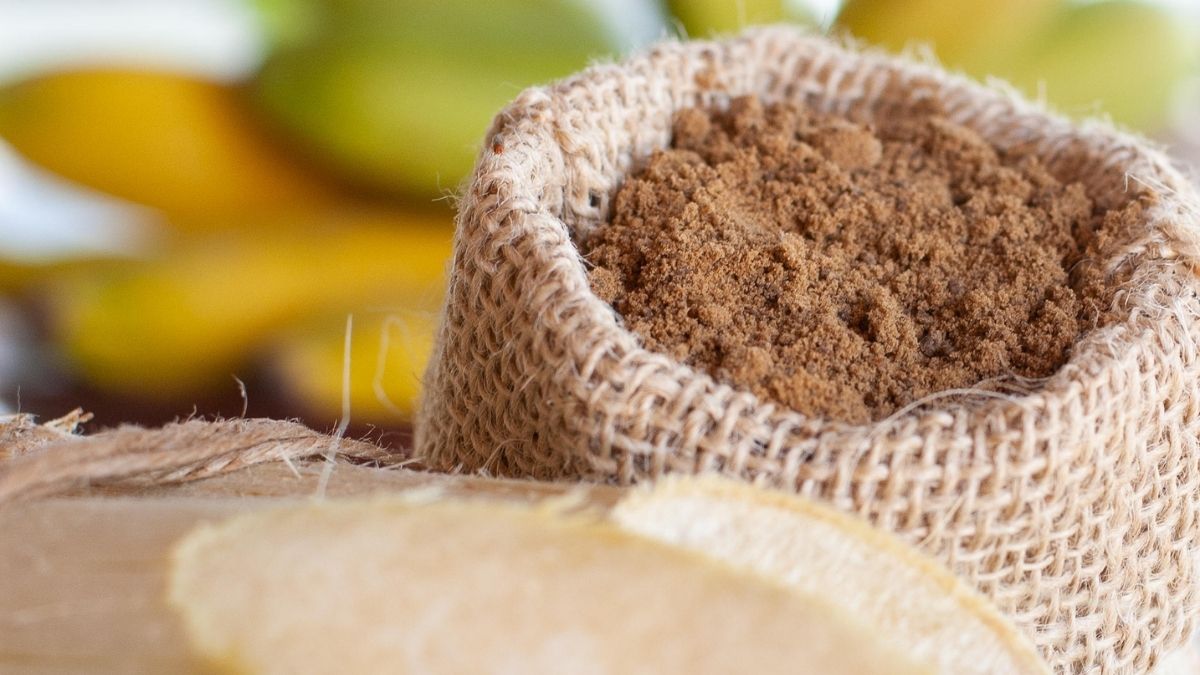
Brazil Is On The World’s Radar With New Technology Capable Of Tracking The Entire Production Chain Of Brown Sugar, Created By Embrapa
The Brazilian Agricultural Research Corporation (Embrapa) announced in July 2022 the creation of a new type of brown sugar, fully traceable through a QR Code on the packaging. Scanning this code accesses a network of information about the entire sugar production chain, from planting to processing, stored using blockchain technology, a major innovation in the market.
You might be wondering: why implement this tracking technology on a food product? Simply because blockchain allows for greater transparency in information records, ensuring that information cannot be removed from the system, only added in a fixed order in consecutive blocks. This can certify the quality of the product that reaches the consumer’s table. Want to understand better? Then continue reading.
Understand A Little More About Blockchain Technology In The Video Below


Brown Sugar Is Still Adulterated By Some Companies, Losing Quality. Blockchain Certifies Quality And Purity
Brown sugar is highly valued in the food sector because it undergoes fewer industrial processes, raising its price. However, many companies adulterate this sugar to reduce costs and increase profits.
-
“No one will make us change the Pix,” says Lula after the US report.

-
With a cost per shot close to zero, the DragonFire laser could change naval warfare in 2027 and provide British ships with nearly unlimited defense against drones.

-
A British startup creates tires that generate electricity in electric vehicles when passing over potholes, speed bumps, and cracks.

-
Scientists have created robots made with living cells that have their own nervous system, swim on their own, explore the environment, and self-organize without any genetic engineering, and now they want to do the same with human cells.

With this in mind, researchers from Embrapa Digital Agriculture studied a way to maintain transparency in the brown sugar production chain and developed a tracking system based on Blockchain, the Sibraar (Brazilian Agritraceability System) to store the records of sugar movement.
The initial study was conducted and implemented at the Granelli Plant, considering all stages of production and was supported by the Cooperative of Sugarcane Planters of the State of São Paulo (Coplacana). The first batches with this technology were tested in June, and now in July, they will be distributed on a large scale with the Embrapa technology seal. The proceeds from sales will be reverted as royalties to Embrapa.
So How Does The Registration Of Information And Traceability Of Food Work With Blockchain Technology?
Blockchain consists of building a large storage of information in blocks, allocated sequentially and immutably. It is a link of blocks in sequence that prevents you from moving any of them without affecting the others. In other words, there is no way to manipulate recorded data, which can certify the transparency of the information.
The Sibraar technology adopts this methodology and will make the brown sugar production chain even more transparent. Each batch of the food will contain records of:
- Production date;
- Variety of sugarcane used;
- Identification and geolocation of the rural property that supplied the raw material;
- Microbiological analysis of the product;
- Physical and chemical parameters, such as sucrose content, moisture, and color.
All this information is stored in a Blockchain database and can be accessed through the QR Code that will be printed on the packaging. Transparency encourages purchase and greater movement in agribusiness.
“The adoption of tools with blockchain-type technologies embedded emerges as an important alternative to meet this market, as they allow each manufactured batch to receive a unique digital signature to create a secure audit trail of the data. With blockchain, the digital signature of each new batch of the product includes the encoded information of all previous batches, forming an immutable sequence. If there is any alteration in the database, the QR code labeled on the product’s packaging is automatically deactivated. This is the differential when using two-dimensional barcodes associated with blockchain technology“.
Alexandre de Castro, Project Leader at Embrapa (2022)
With this new technology, the great Embrapa promises to bring more competitiveness to the market in Brazil, encouraging other large companies to adopt the measure. Furthermore, studies already indicate that Blockchain may also be adopted in the grain sector in the coming years along with the QR Code.




Seja o primeiro a reagir!